Why Greece's Transport Map Matters More Than a Sea View
Greece’s lifestyle is irresistible — but transport and port links often decide returns. Prioritise connectivity over scenery to secure steadier yields and year‑round living.
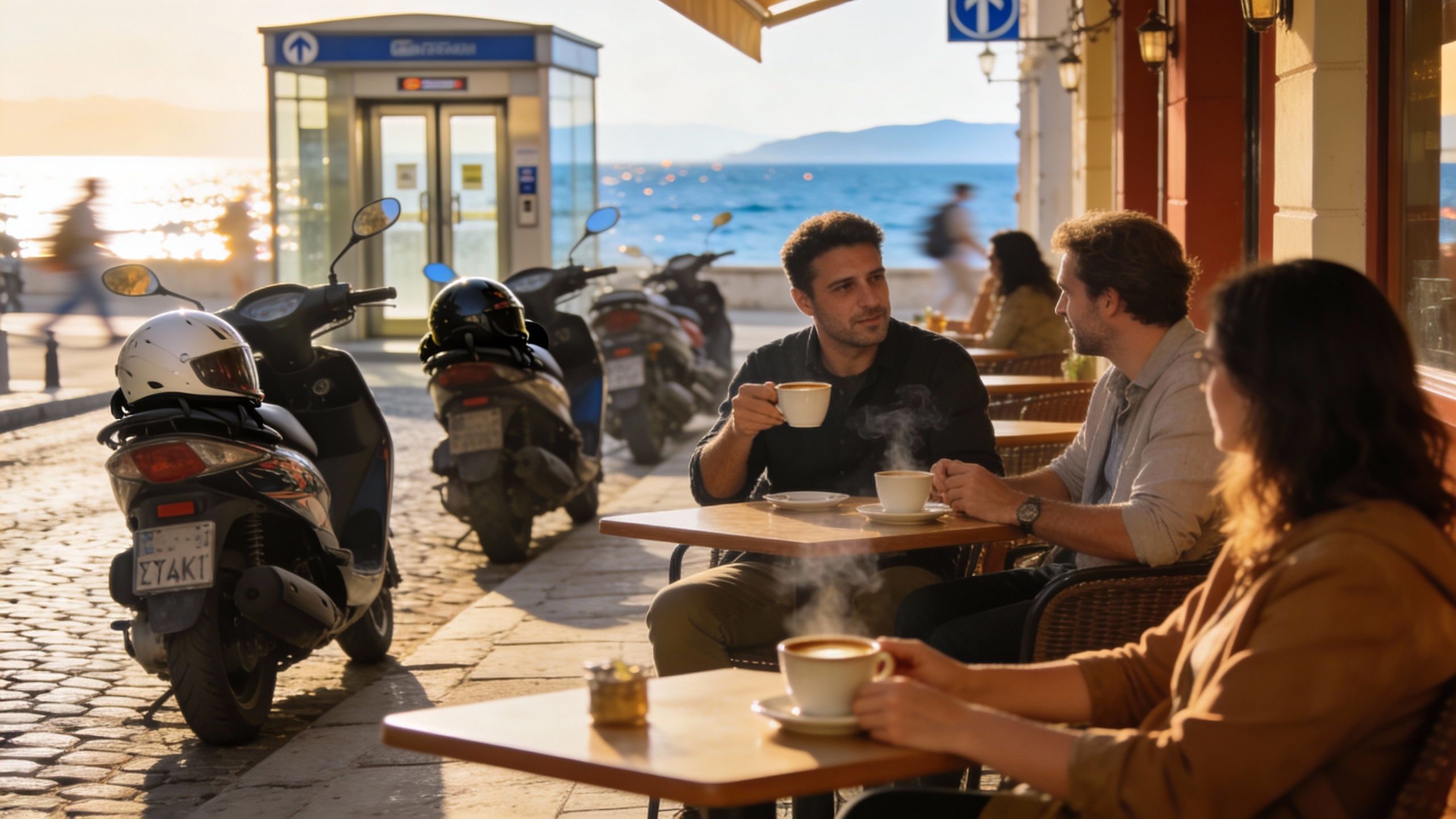
Imagine sipping a morning espresso on a shaded table in Koukaki, Athens, then catching a 45‑minute tram to the Acropolis and a two‑hour train to the coast. In Greece the sensory pleasures — sunlit plazas, fish markets, ferries at dusk — are obvious. What’s less obvious to many buyers is how roads, airports and ports silently decide whether that dream is a daily reality or a seasonal postcard.
Living the Greece lifestyle — beyond the postcard
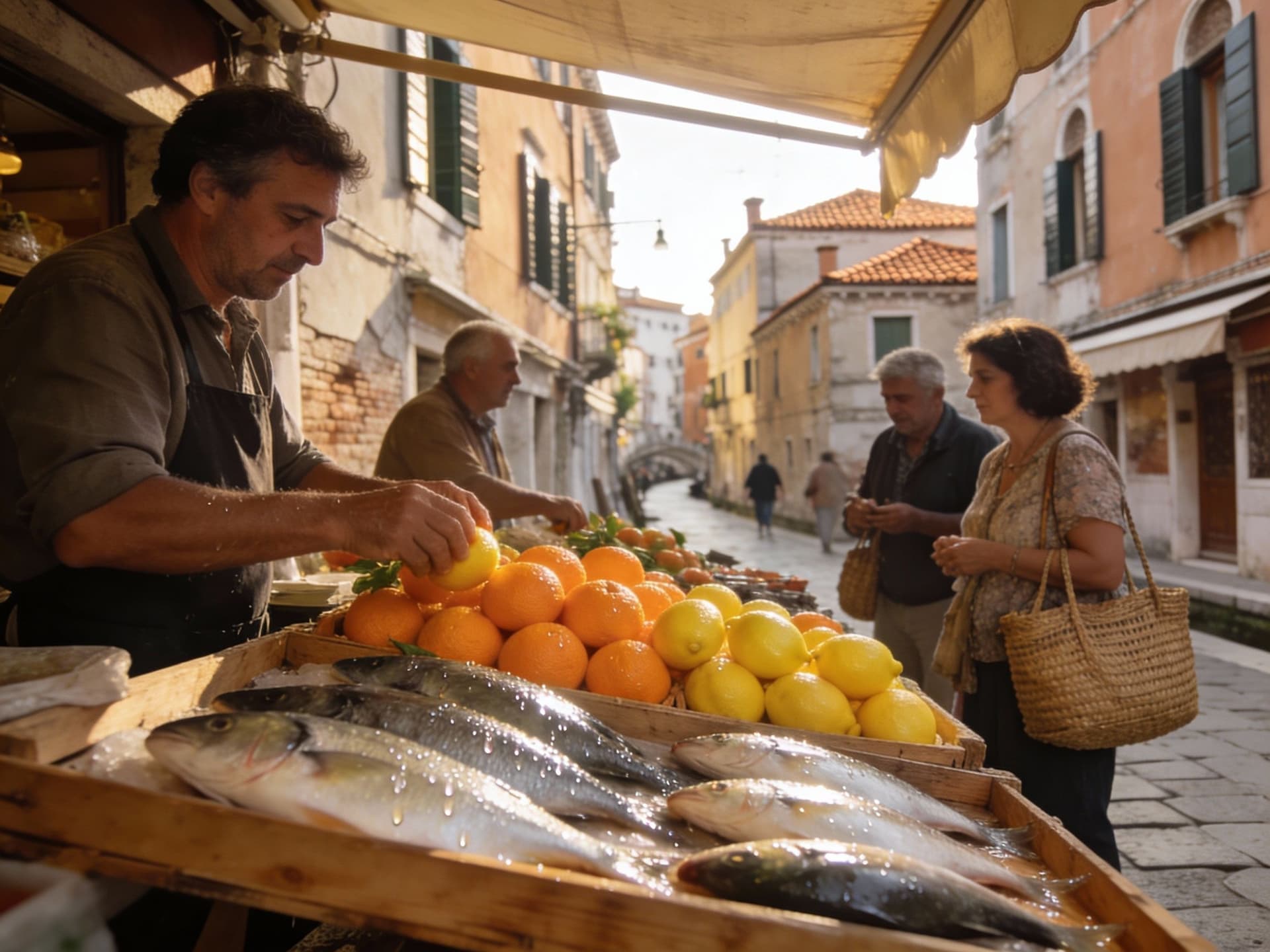
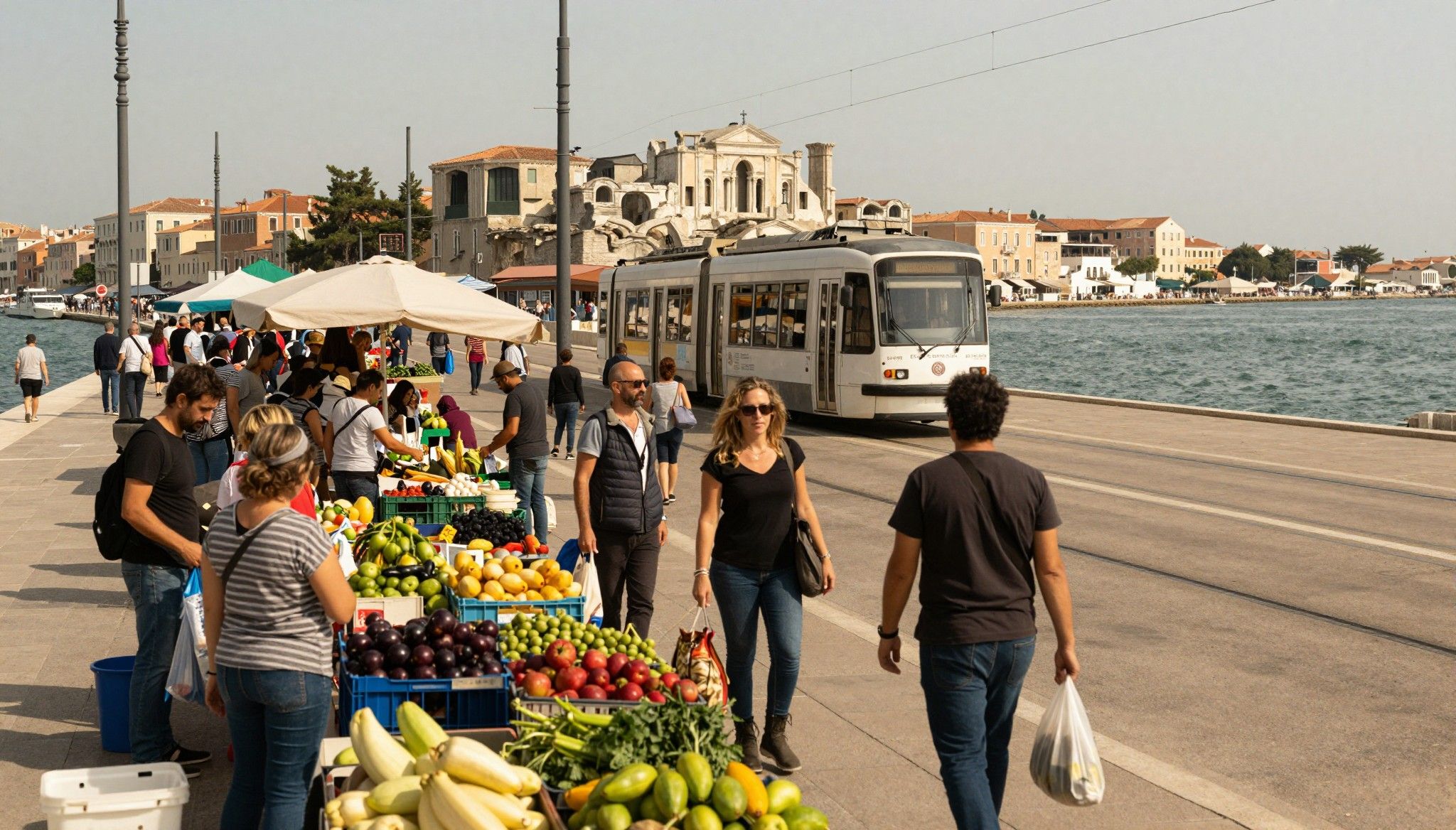
Greece’s rhythm is local and seasonal: cafes pulse from dawn in Athens neighbourhoods like Exarchia and Koukaki, island harbours slow to midday and roar with life in July and August. Daily life mixes small‑scale commerce — fishmongers in Piraeus, open markets in Chania — with big infrastructure moments: the arrival of a ferry, the first flight of the day at Eleftherios Venizelos (AIA), or a reopened regional rail link. For buyers this means lifestyle quality is often a function of connectivity, not only scenery.
Athens neighbourhoods: urban convenience with coastal spillover
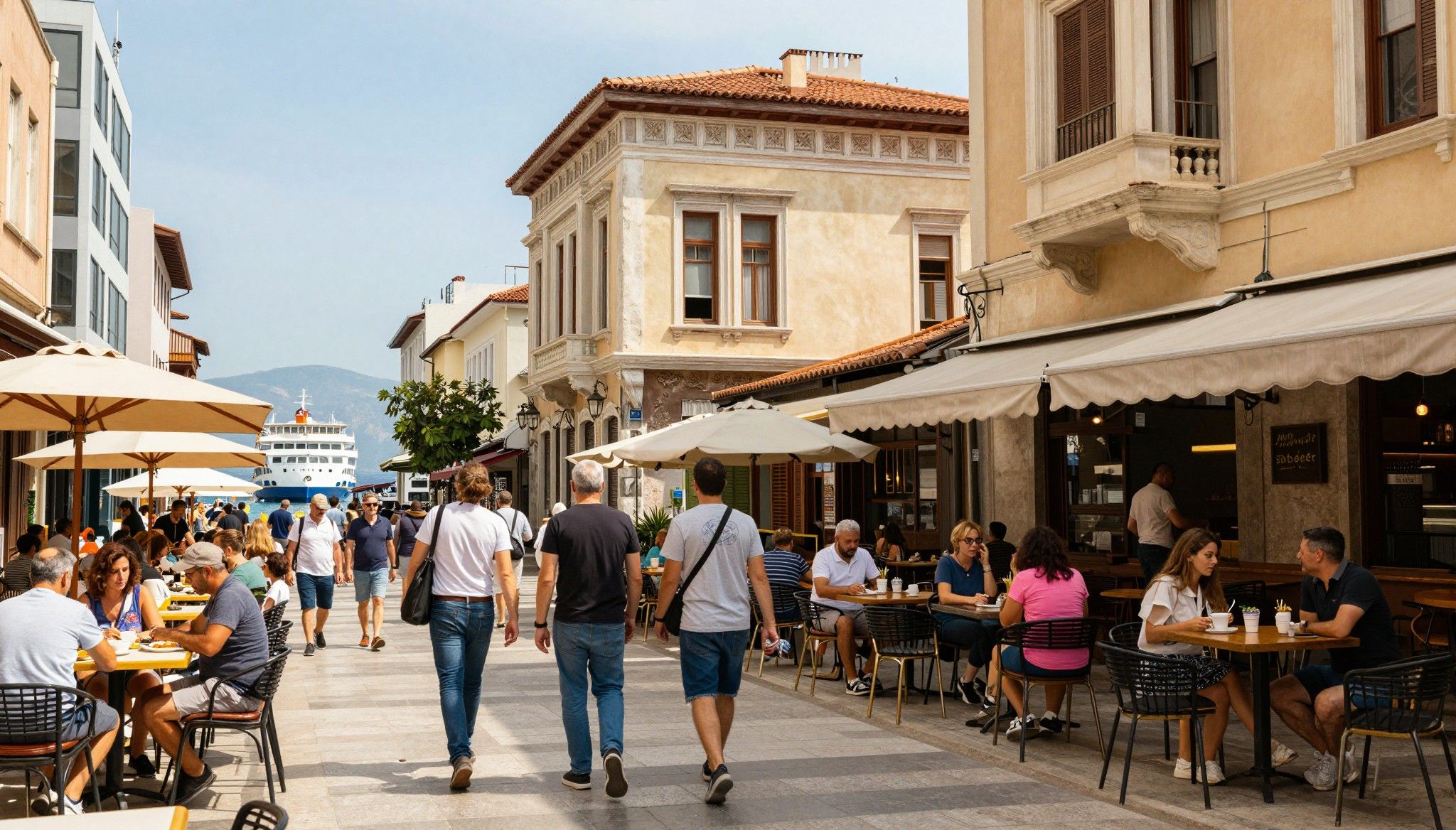
Athens’ districts provide a concentrated example of how transport shapes demand. Koukaki, Pangrati and Neos Kosmos sit minutes from the metro and tram, making short‑term rentals and year‑round tenancy reliable. By contrast, coastal suburbs such as Glyfada or Voula trade higher per‑sqm prices for seaside appeal and rely on commuter arteries; when those arteries perform, values and rents follow — and when they don’t, seasonality bites. Recent data show Attica prices have risen substantially since 2017, illustrating how connectivity to the capital matters for capital gains.
Island life: ferry timetables are the invisible amenity
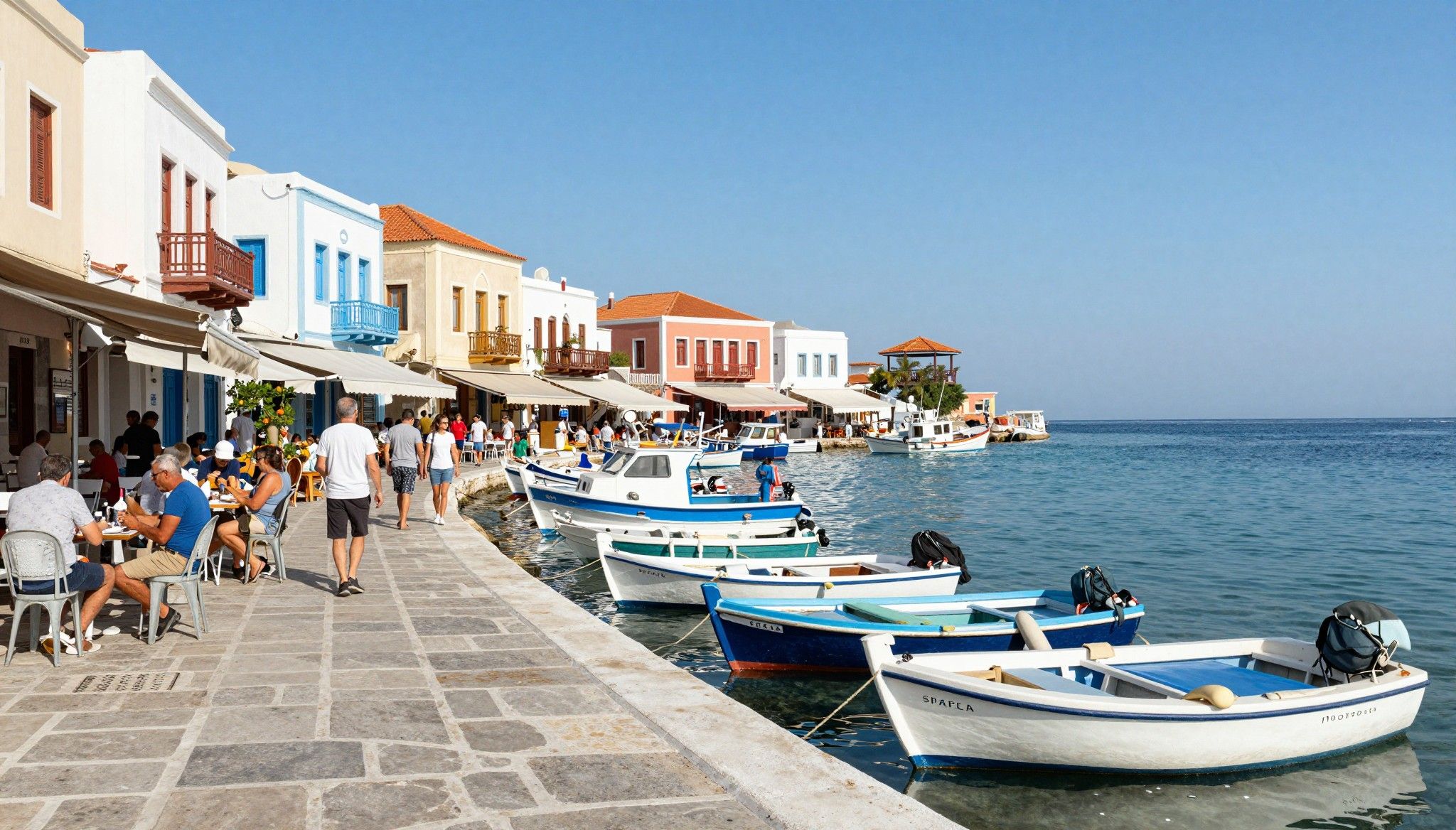
On islands, a ‘short walk to the port’ only helps if the port connects frequently and reliably. Mykonos and Santorini enjoy intense demand but face environmental and capacity constraints; smaller islands with regular ferry links or good airport service (Heraklion, Chania, Rhodes) often produce steadier rental income. Tourism growth — Greece recorded nearly 29.3 million arrivals in 2024 — increases demand but concentrates returns where transport capacity exists.
- Lifestyle highlights that hinge on connectivity: • Morning espresso at Little Kook in Psiri, 10–15 minute walk from central metro stations • Weekend sail from Lavrion port (better ferry frequency to eastern islands than smaller west coast ports) • Farmer’s market in Chania paired with a 30‑minute drive to nearby beaches • Day trips: Thessaloniki’s airport links enable weekend returns from northern Europe • Coastal promenades in Glyfada that depend on reliable coastal road links
Making the move: practical connectivity considerations
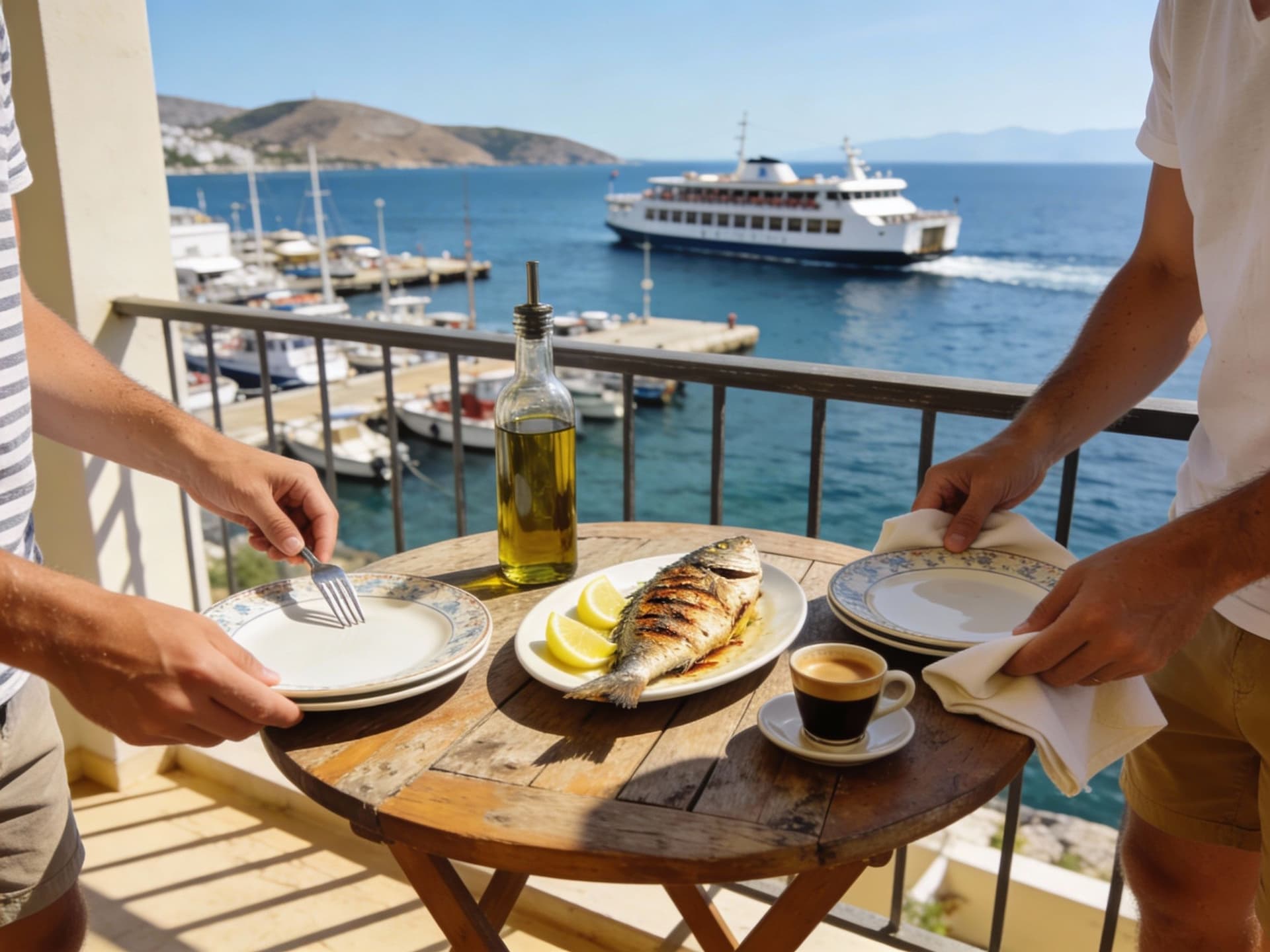
If lifestyle is the why, infrastructure is the how. Before committing, map journey times for the services you’ll actually use: groceries, healthcare, schools, airport runs and port departures. Improvements to airports and airlines — Aegean’s capacity expansion and record traffic in recent years — alter the arithmetic of yield by widening off‑season demand and reducing vacancy risk for longer lets.
Property styles & what they deliver: apartments near metro stations favour consistent, year‑round tenants; seafront villas deliver peak seasonal rates but face higher vacancy and maintenance. Choose properties whose operating model matches transport reliability: invest in short‑stay where flights and ferries bring steady arrivals; choose long‑let options where daily commuter links support residents.
Working with local experts who understand infrastructure tradeoffs
- 1. Ask agents for micro‑mobility data: exact tram/metro stops, first/last service times, and average delays. 2. Request historical occupancy figures by month for comparable units to separate seasonality from structural demand. 3. Insist on transport‑adjusted yield scenarios: model expected occupancy with both current and planned infrastructure upgrades. 4. Verify port and airport expansion timelines with municipal or national sources before assuming improved connectivity will happen on schedule.
Insider knowledge: what expats and investors wish they’d known
Expats often describe a pleasant shock: life is easier where public transit and services work. What they regret is misreading island charm as infrastructure. Overcrowding, environmental limits and constrained ferry schedules can erode living standards and rental prospects. Sustainable planning and local regulations are increasingly relevant — a port upgrade or a water‑management restriction can change cashflows and capital appreciation prospects.
Cultural integration and seasonal reality
Learning basic Greek eases daily logistics: arranging repairs, reading municipal notices about roadworks or ferry changes, and understanding rental contracts. Social life follows transport: neighbourhood cafés, municipal theatres and weekend markets thrive where people can move easily. Buyers planning to live part‑time should plan for off‑season access and local services rather than peak‑season spectacle.
Long‑term lens: when infrastructure upgrades reprice markets
Major projects — airport terminal expansions, regional road upgrades or new ferry routes — can reprice entire corridors. Use official project timelines and independent feasibility reporting when projecting appreciation. Treat announced upgrades as positive signals but stress‑test returns against delays and environmental pushback; plan exit scenarios if delivery slips.
- Quick checklist before you sign: • Confirm year‑round public transport frequency and last‑mile options • Check airport seasonal schedules and low‑season seat reductions • Request historical monthly occupancy and rental rates for at least three comparable properties • Speak to local municipality about planned infrastructure and environmental rules • Model yields assuming a conservative occupancy (e.g., 10–30% lower than peak season)
Greece offers a compelling lifestyle and demonstrable demand: tourism levels have surged and Attica prices climbed significantly in recent years. The investment imperative is simple — buy proximity to reliable transport and services, not just scenery. That reduces vacancy risk, improves achievable yields and aligns your asset with long‑term growth drivers.
If you’re dreaming of Greece, start by mapping the life you want against the transport that enables it. Then, ask an agency to produce a transport‑adjusted yield model, secure documented occupancy history, and verify infrastructure timelines with official sources. That way the espresso in Koukaki isn’t a seasonal fantasy — it’s part of a dependable investment.
Danish relocation specialist who moved to Cyprus in 2018, helping Nordic clients diversify with rental yields and residency considerations.