How Greece’s New Transit Reprices Neighbourhoods
How Greece’s new transport projects reprice neighbourhoods — buy minutes, not views. Data and local examples show where connectivity converts lifestyle into stable yield.
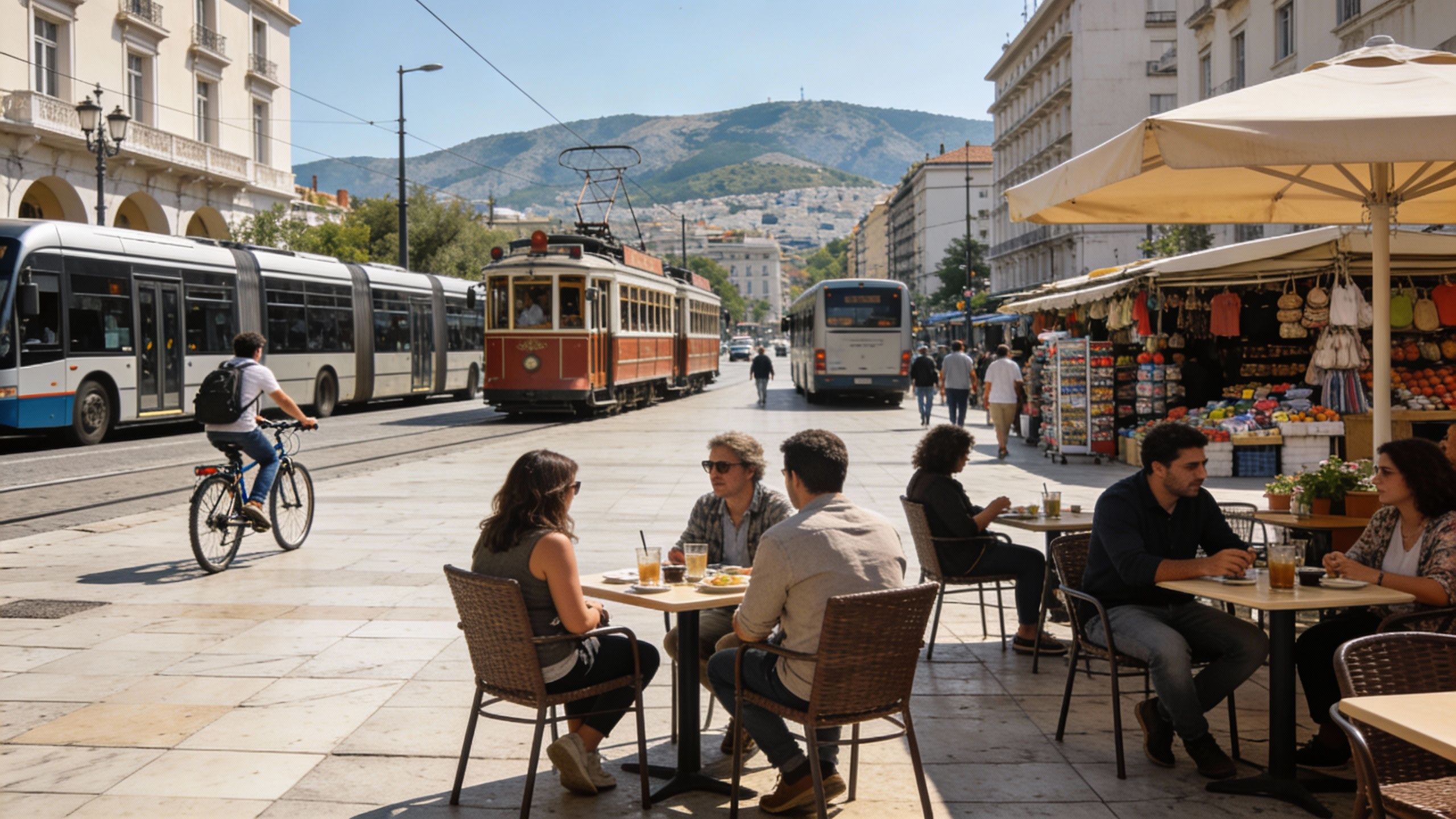
Imagine sipping a strong espresso on a shaded table in Koukaki, then catching a 10‑minute metro ride to a waterfront meeting in Piraeus — and knowing the apartment you bought three years ago just re‑priced itself because a new tram stop opened nearby.
Living Greece: rhythm, places and why transport matters
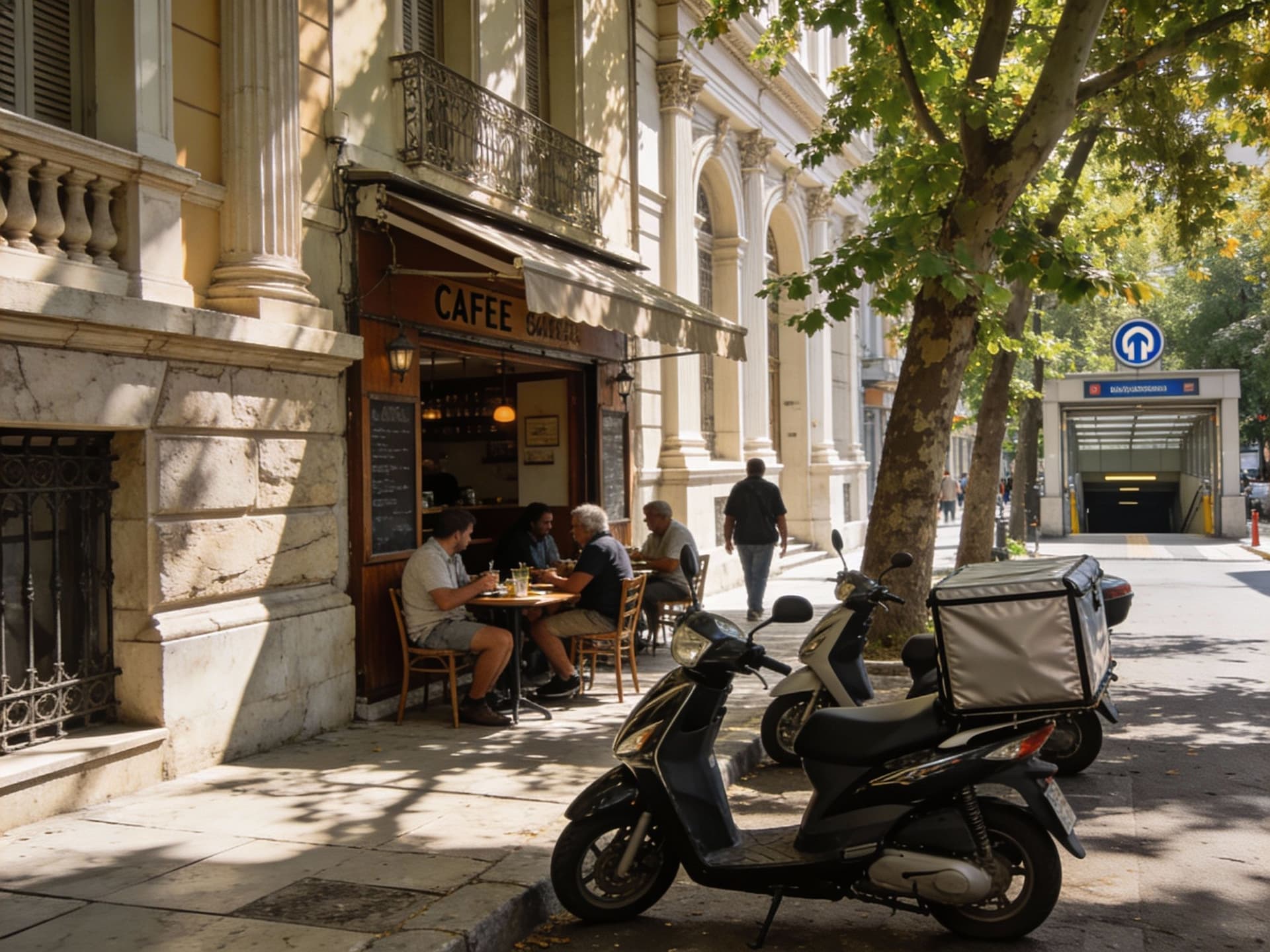
Greece lives on short journeys: the bakery at 08:00, the kafeneio at 10:30, the seaside taverna at 19:00. Those daily loops — not a single luxury penthouse — determine rental demand and occupier choices. Where infrastructure shortens those loops, price per square metre follows; recent Athens data shows clear premiums for areas with reliable metro or tram links.
Athens: city of pockets — walkable squares, connected suburbs
Streets like Drakou in Koukaki or Akademias in central Athens pulse differently once a connection improves. The Ellinikon regeneration — a multi‑billion urban project — is already reshaping southern suburbs with new parks, retail and transport links that appeal to year‑round tenants rather than seasonal holiday lets. Expect higher daytime footfall, steady short‑let demand from digital nomads, and stronger capital appreciation where last‑mile connections exist.
Thessaloniki: transit as a growth engine
Thessaloniki’s new metro (opened late 2024) and its Kalamaria extension materially change neighbourhood economics: five stations and improved bus‑rail integration reduce commute times and lift demand in previously overlooked suburbs. Investors who tracked neighborhoods before stations opened reported outsized returns when transport arrived — a pattern repeating across regional Greek cities.
- Lifestyle highlights that follow infrastructure investment
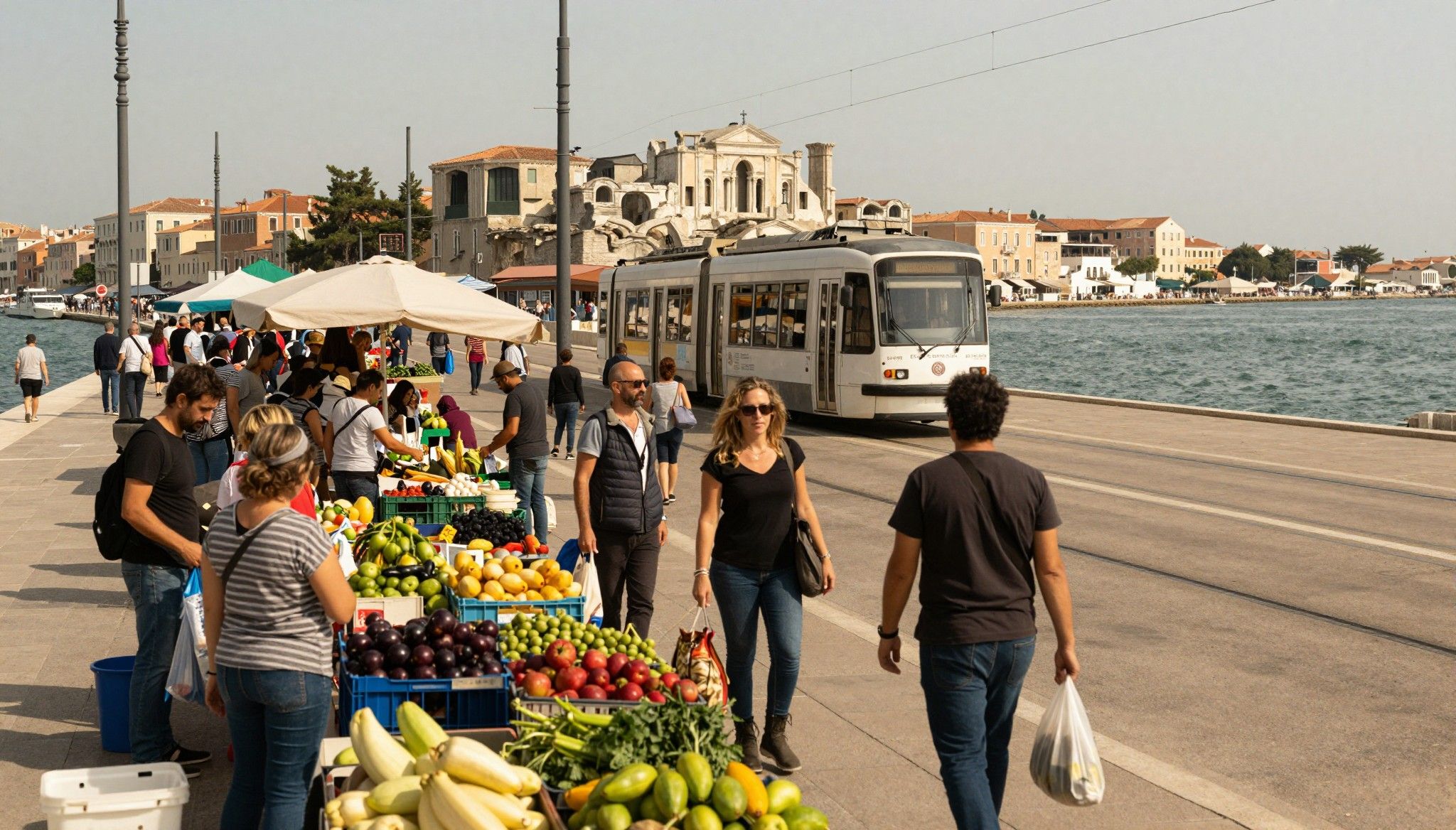
- Morning markets in Keramikos and quick tram access to Glyfada beaches
- Evening restaurant life in Ano Poli (Thessaloniki) once the metro makes day trips practical
- Weekend island hops facilitated by faster regional rail and ferry terminals
Making the move: practical infrastructure considerations

Dreams meet spreadsheets when you map lifestyle corridors to yield. National price growth in 2024 was north of 6% in many datasets, but location‑specific shifts are driven by transport upgrades and tourism flows. For an investor, that means two linked questions: which neighbourhoods will see real commuter time savings, and which will convert short trips into daily rental demand?
Property types that benefit most from new connectivity
Small to mid‑sized apartments (40–75 sqm) near stations lock value fastest because they match commuter and professional demand. Ground‑floor units that can host a café or coworking satellite capture commercial upside where pedestrian flows increase. New builds with sound insulation and air conditioning attract high‑quality long‑stay tenants in cities with hotter summers.
Working with agents who understand networks, not just properties
Local agents who model commute‑time isochrones, planned transport projects and timing of public works save you money. Ask for travel‑time heatmaps, expected station opening dates, and case studies of nearby completed projects. An agent who can introduce municipal contacts or show rezoning proposals is more valuable than one with more listings.
- Due‑diligence steps that blend lifestyle and cashflow
- Confirm planned openings: get official timelines from municipalities and national transport authorities; adjust yield models for phased construction.
- Map tenant archetypes: run scenarios for short‑stay tourists, remote workers and local commuters to forecast occupancy and seasonal variance.
- Factor temporary disruption: include a 6–12 month vacancy or rental drag during construction in your cashflow stress test.
Insider knowledge: the expat adjustments and seasonal truths
Expats quickly learn that Greek summer pulse (July–August) hides year‑round realities: many tourist areas have lower off‑season occupancy, while well‑connected suburbs sustain steady demand. ELSTAT figures show overall arrivals and overnight stays rose in 2024, but hotel occupancy dipped — a sign that demand is spreading differently across accommodation types and seasons.
Cultural and seasonal rules that change where you buy
Local customs — long family lunches, Sunday closures in smaller towns — shape tenant preferences. Properties with easy access to larger supermarkets, healthcare and schools outperform isolated seaside villas when families look for long‑term lets. In practice, connectivity to everyday services matters more for stable yields than a dramatic sea view.
A practical contrarian: avoid peak‑season house‑hunting
House‑hunting in August will sell you the summer illusion: crowded previews, inflated short‑let metrics and sellers expecting peak prices. For Greece, we recommend visiting in spring or late autumn when commuter patterns, transport timetables and neighbourhood routines are visible — and when you can better assess whether a new tram or metro proposal is actually on schedule.
- Red flags to spot on site
- No clear municipal timeline for station openings.
- Major roadworks planned outside the property that will last >12 months.
- Properties that rely solely on seasonal tourists without nearby year‑round services.
Conclusion: buy the commute, not the postcard. In Greece the real value shift happens when minutes are shaved from daily journeys and neighbourhoods become part of a working city — that’s when yields stabilise and capital follows. Work with agents who measure travel times, verify municipal schedules and stress‑test cashflows against construction phases; do that, and the lifestyle you fell in love with becomes an investment that pays.
Dutch investment strategist who built a practice assisting 200+ Dutch clients find Spanish assets, with emphasis on cap rates and due diligence.