Infrastructure That Reprices Italian Neighbourhoods
Italy’s lifestyle is regional — but infrastructure (airports, high‑speed rail, broadband) is actively re‑pricing neighbourhoods; buy for life, underwrite for connectivity.
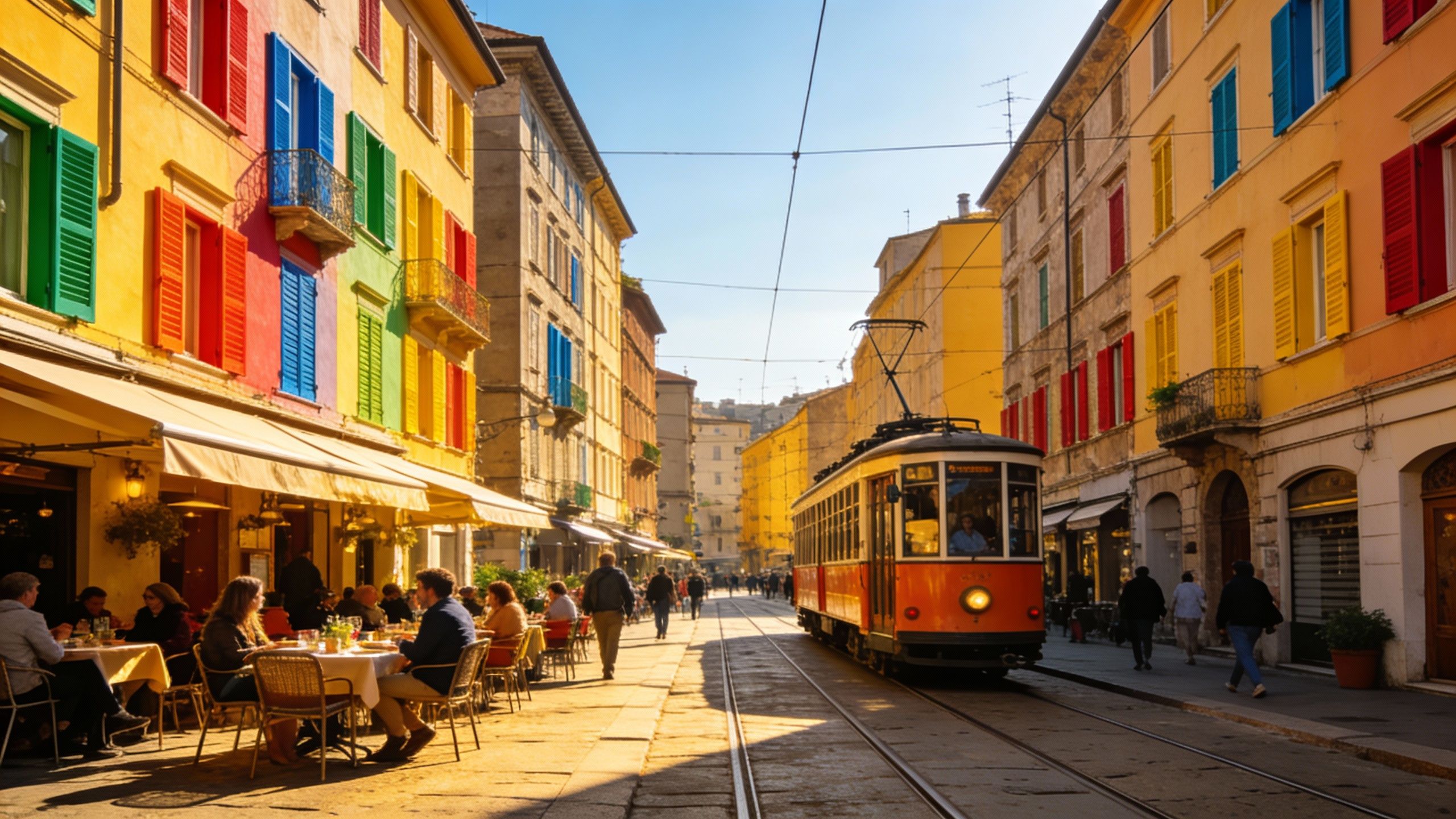
Imagine stepping out at dawn to buy focaccia in Genoa’s Via Garibaldi, then catching a mid‑morning Frecciarossa to Milan for an afternoon meeting — Italy makes short distances feel generous. For international buyers the romance is immediate: historic piazzas, neighbourhood markets, and fast links between regional capitals. But beneath the postcard is a market shaped by transport upgrades, airport recoveries and a patchwork of regional price dynamics that change where yields and lifestyle align.
Living the Italy lifestyle — real, regional, rhythmical
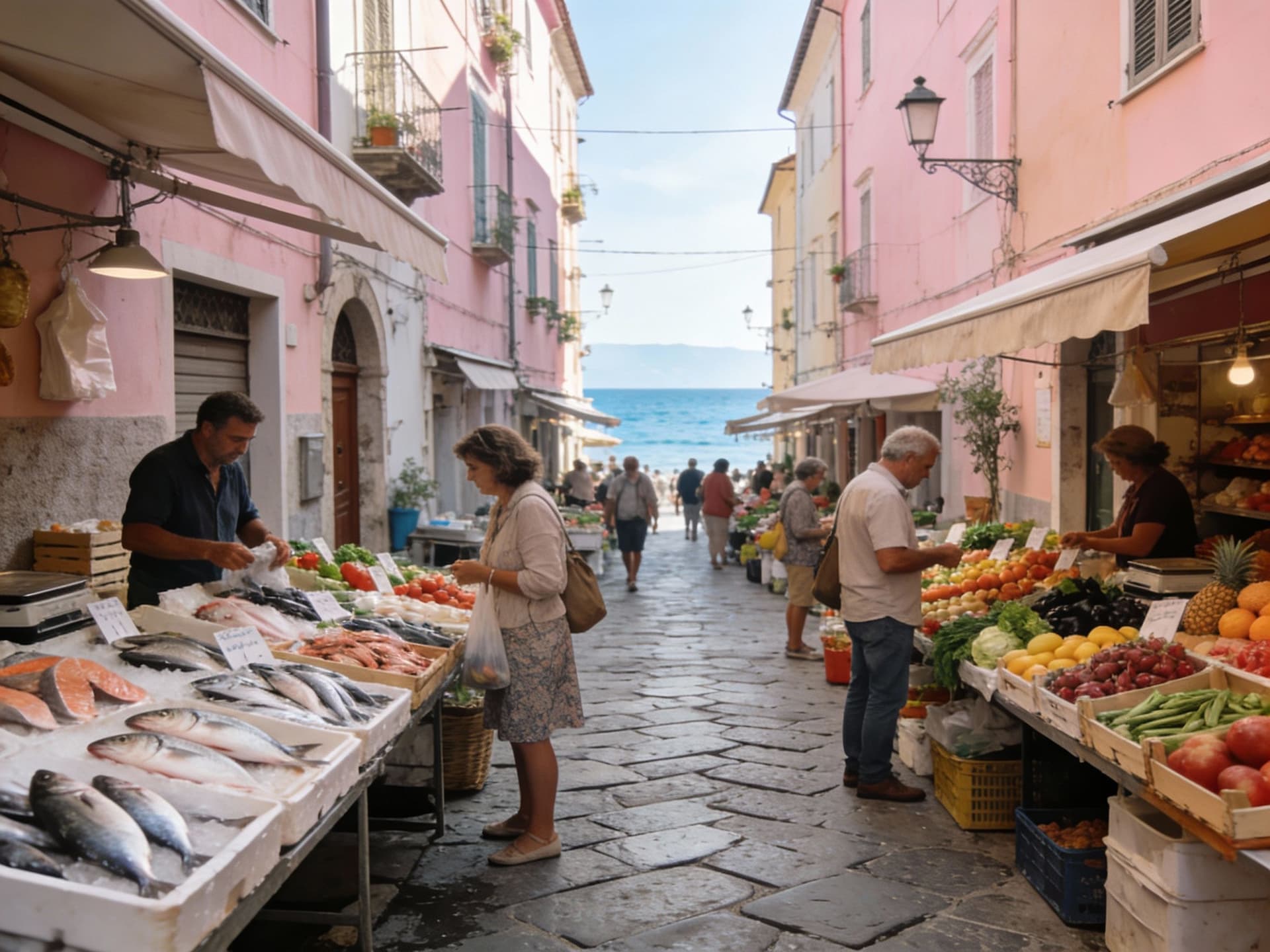
Italy’s everyday life is regional rather than national: coffee routines in Naples differ from aperitivo culture in Milan. Coastal towns wake early for markets and close late over family dinners; inland hill towns pivot around weekly market days. For buyers this matters: neighbourhood microclimates and local services determine tenant demand more than national averages, and improvements in airports and rail are converting formerly remote towns into commuter‑capable, investable suburbs.
Spotlight: Milan vs. Bologna vs. Lecce — three distinct beats
Milan moves fast — headquarters, finance and design attract short‑let and corporate tenants; Bologna blends university demand with logistics links to Emilia‑Romagna industry; Lecce and Puglia offer lower price per sqm and growing air connectivity that appeals to long‑stay holiday rentals. National HPI shows modest growth, but local spreads are wide: Milan can command double the €/m² of many southern provincial markets. Choose by lifestyle first, then test yield assumptions against local data.
Food, markets and daily routines that shape demand
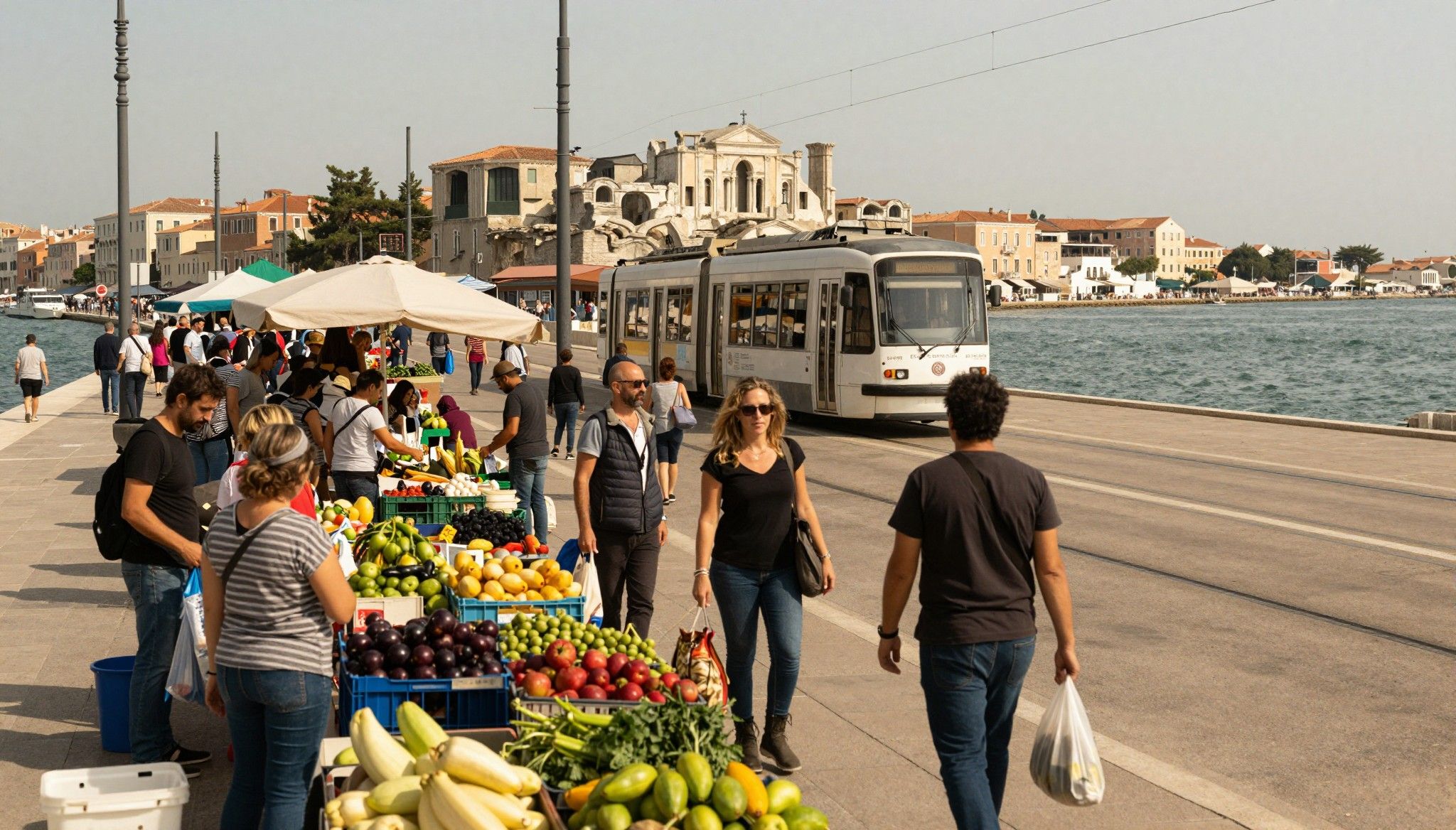
Picture morning markets in Palermo, aperitivo on Milan’s Navigli, and weekend drives in Chianti — these routines shape what tenants pay for. Short walking distance to a market, a good bar, and fast rail or airport links often outscore a larger internal layout when it comes to rental premiums. In practice, that means small apartments in well‑connected neighbourhoods often outperform larger suburban units in headline yields.
- Lifestyle highlights that drive tenant appeal
- Milan Brera/Navigli: evening economy + corporate demand
- Bologna Centro: students, logistics professionals, stable rentals
- Puglia towns (Ostuni, Lecce): lower entry price, rising tourist season rentals
- Florence Oltrarno: premium short‑let potential for culture tourists
Making the move: infrastructure that changes the numbers

Transport upgrades are not cosmetics — they reprice catchment areas. New high‑speed connections and international flights compress travel times and broaden who will rent your property. When Trenitalia extends direct services or an airport adds routes, local demand can shift within a single year. Investors should track announced infrastructure projects and test yield models with revised catchment radii.
Property types tied to connectivity
Historic centro flats (stone buildings, small footprints) capture lifestyle premiums and short‑let demand where walking access and sights matter. Suburban new builds with parking and larger layouts suit families and longer leases, especially where rail commutes under 40 minutes are possible. Match product type to the occupant profile the improved infrastructure will attract, not the one it currently serves.
Working with local experts who map lifestyle to yield
A local agency knows timetable changes, municipal zoning, and the weekly rhythms that move rents. Use them to validate walking catchments, verify broadband options, and check short‑let restrictions in historic centres. For international buyers, insist on agencies that provide independent yield stress tests (vacancy scenarios, seasonal occupancy, and transport disruption impacts).
- Practical steps that blend lifestyle and numbers
- Calculate rent per sqm using local comparables, then subtract realistic vacancy and management fees to get net yield.
- Map 30/60/90 minute travel isochrones from the property to major transport hubs and employers.
- Vet broadband and mobile coverage — remote workers need reliable fixed broadband as a non‑negotiable amenity.
- Confirm seasonal restrictions on short lets (common in historic centres) with the municipality.
Insider knowledge — what expats wish they’d known
Expats often romanticise month‑by‑month living costs but underestimate seasonal rental volatility and service reliability. Train strikes, maintenance work and airport slot reassignments can depress short‑term occupancy. Plan for these service risks, not as unlikely shocks but as recurring variables that affect cashflow.
Culture, language and the unadvertised costs
Daily life is governed by local rhythms: afternoon riposo in smaller towns, late evening services in cities, and municipal deadlines for building works. These cultural patterns change tenancy expectations — shorter working days in summer can mean different occupancy cycles. Factor local service calendars into maintenance budgets and rental seasonality assumptions.
Longer view: how infrastructure shapes capital growth
Large projects — cross‑border high‑speed services, airport route expansion — can re‑rate previously overlooked towns by broadening effective labour and tourist catchments. Investors who model upside should use conservative timelines (projects often deliver in multi‑year windows) and run sensitivity tests on occupancy and capital growth tied to confirmed, not proposed, infrastructure.
- Red flags related to connectivity to watch for
- Planned but unfunded transport projects — don’t assume completion dates.
- Municipal short‑let bans or restrictive permits in heritage zones.
- Poor broadband in attractive rural locations — limits remote worker tenancy.
- Overreliance on seasonal tourists where off‑season vacancy exceeds 6 months.
Conclusion: Italy rewards buyers who combine lifestyle clarity with infrastructure‑aware underwriting. Start with the life you want — city rhythm, coastal slow‑living, or hilltop quiet — then stress‑test that vision against rail timetables, airport routes, local seasonality and broadband. Work with agents who produce independent yield scenarios and verify infrastructure delivery dates. Do that, and Italy’s neighbourhoods stop being romantic guesses and become investable catchments.
Dutch investment strategist who built a practice assisting 200+ Dutch clients find Spanish assets, with emphasis on cap rates and due diligence.