Italy: How Rail, Airports and Broadband Reprice the Dream
Italy’s lifestyle is sold by piazzas and markets; the returns are shaped by transport, high‑speed rail and broadband—stress‑test minutes, frequencies and speeds to underwrite yield.
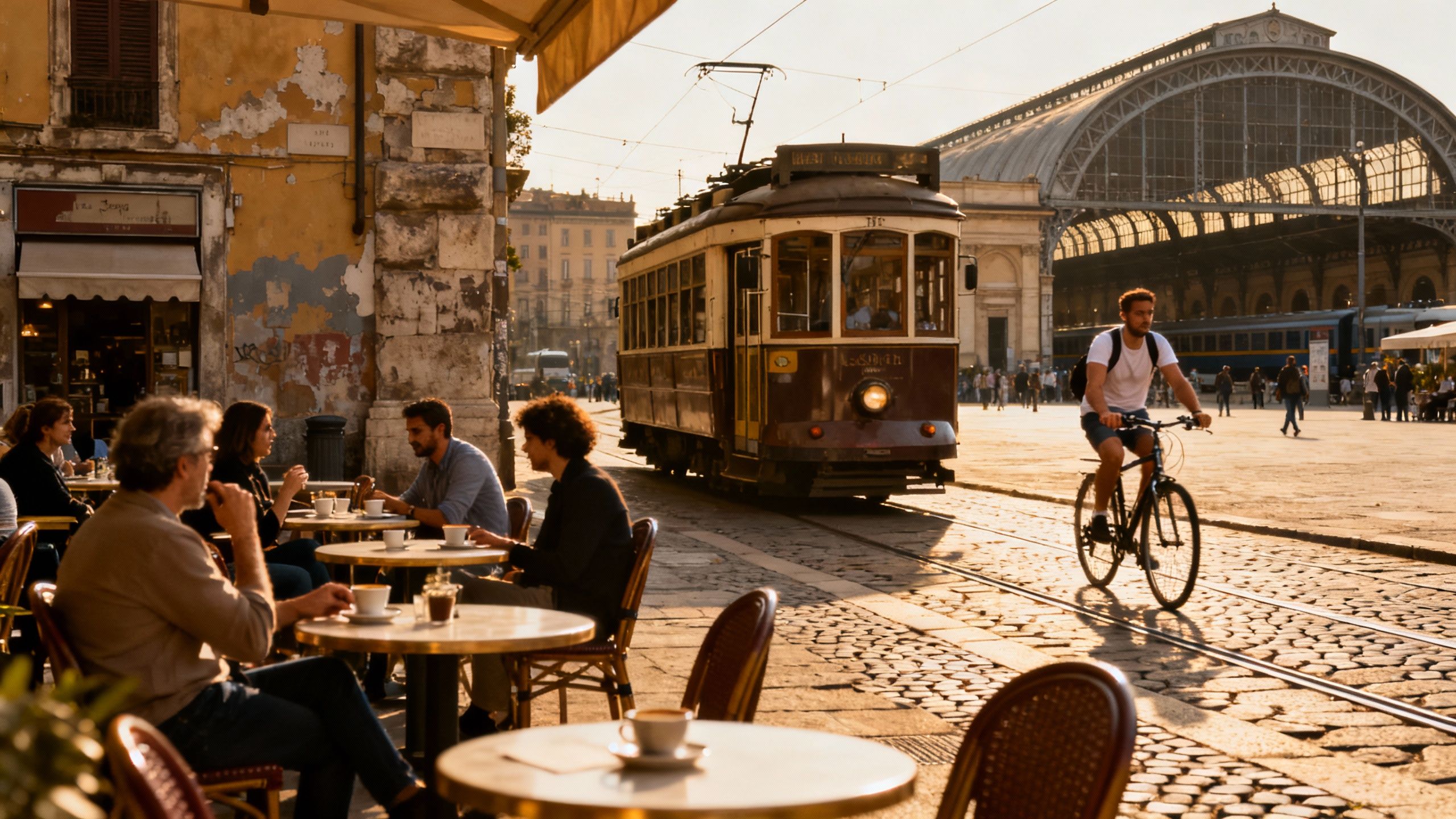
Imagine sipping an espresso on Piazza Navona at 08:00, then hopping a Frecciarossa to Florence for lunch and a late‑afternoon aperitivo on the Arno. Italy’s rhythms—morning markets, long lunches, evening passeggiata—are more than charm; they are the infrastructure of daily life that shapes where people choose to live.
Living Italy: streets, seasons and transport that shape everyday life

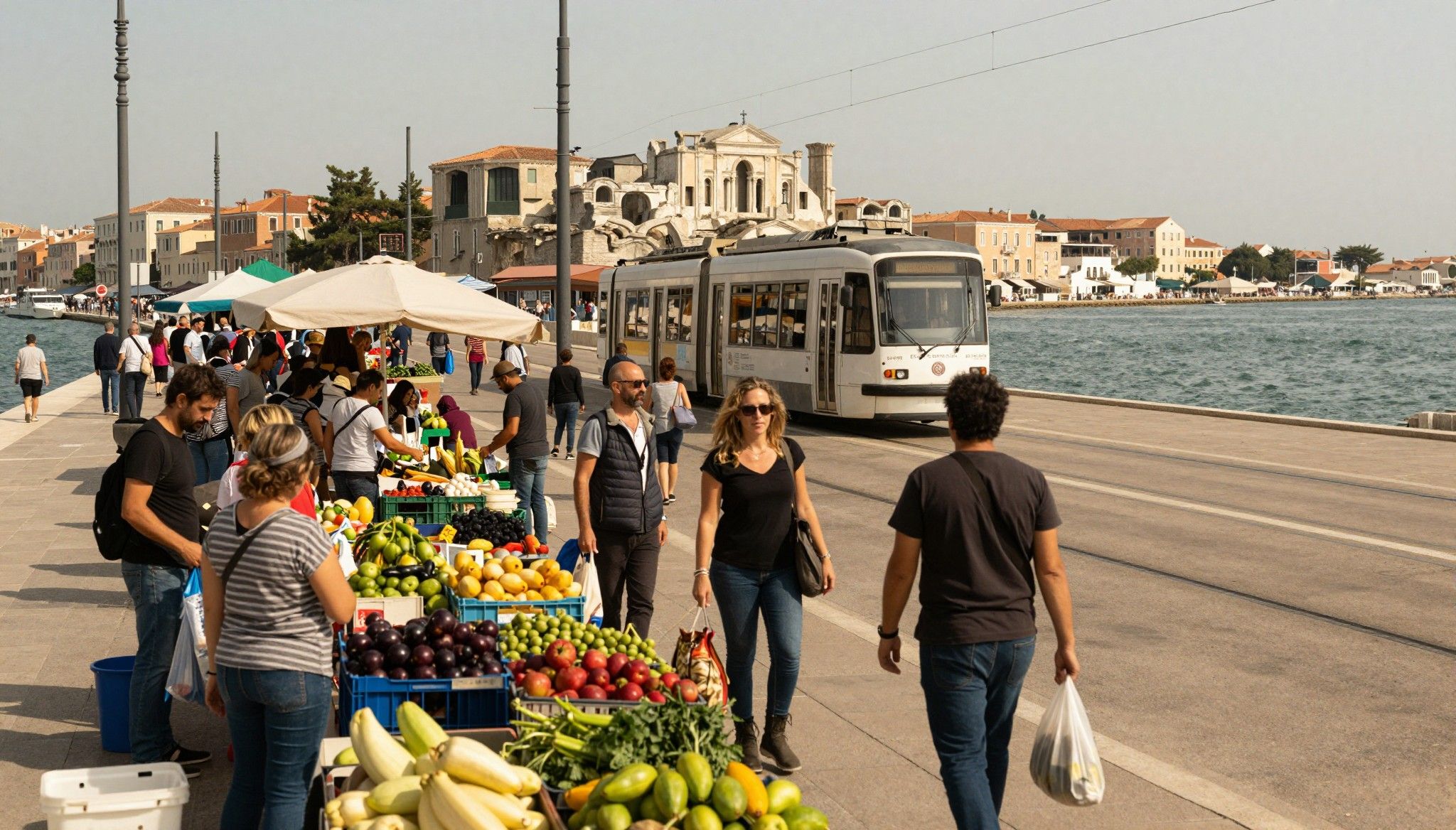
City centres stay animated from dawn market stalls to late evening bars, while regional life follows seasonal pulses: spring in Tuscany’s vineyards, high-summer crowds on the Amalfi coast, autumn truffle weekends in Piedmont. Rail and flight links make these patterns accessible; Italy’s high‑speed network compresses distances in a way few countries of its size can match and that reality matters for property liquidity and rental demand.
Why transport isn’t just convenience — it’s yield
New links—like the Naples–Bari high‑speed upgrade funded partly by EU recovery funds—change which towns are investable by turning multihour journeys into commutable trips. Faster rail raises effective catchment areas for tenants and buyers, tightening vacancy risk and compressing yields in connected towns while opening opportunities in previously overlooked markets.
Neighborhood snapshots: where infrastructure meets lifestyle
Walk Rome’s Trastevere at dusk and you feel neighbourhood life supported by nearby tram lines and short taxi hops to central stations. In Milan, Porta Garibaldi and Isola combine direct commuters’ trains and coworking density—ideal for steady rental demand. In Puglia, coastal towns with upgraded rail access are beginning to trade seasonal volatility for year‑round rentals as southern connections improve.
Making the move: practical considerations that reflect Italy’s transport reality

Lifestyle sells the idea; connectivity reframes the underwriting. High tourist presences boost short‑let potential in hot nodes (Venice, Florence, Amalfi) but infrastructure determines sustainability: airports, rail frequency, and fibre broadband underpin year‑round incomes and longer‑term capital growth.
Property types and how they map to real life
Historic centro apartments deliver immediate lifestyle appeal but often come with limitations: narrow layouts, restricted renovation permissions, and higher maintenance. New‑build outskirts or restored rural farmhouses offer outdoor space and lower per‑sqm prices but rely more heavily on road access and local services to attract tenants.
How local experts convert lifestyle into underwriting strength
Agencies that understand timetables, local zoning rules, and seasonal occupancy can quantify yield risk. Ask agents for walk scores to stations, recent lease comparables in 12‑month windows, and broadband latency figures for the property—details that change a buy from romantic to investable.
- Checklist: connectivity factors to underwrite before you bid
- Distance to the nearest high‑speed or regional station (minutes on foot)
- Frequency of direct trains to major employment hubs (daily services)
- Nearest airport transfer time and low‑season flight connectivity
- Fixed broadband type (FTTH vs copper) and measured download/upload speeds
Insider knowledge: cultural quirks, seasonal traps and long‑term signals
Expat buyers often underestimate regulation shaped by place: historic centres introduce strict renovation rules; coastal towns limit new development to protect landscapes. Short‑let regulation has proliferated in response to tourism pressure—Florence and Venice have introduced tighter controls—so don’t assume tourist demand equals effortless returns.
Cultural integration and practical daily life
Learning a few phrases, getting to know your local barista, and understanding market days will accelerate tenant sourcing and owner satisfaction. Local networks—condominium managers, building portieri, neighborhood associations—matter for maintenance and dispute resolution in ways systems in other countries may not.
Long‑term signals that matter more than short flash trends
- Steps to stress‑test an Italian property’s connectivity premium
- Request historical occupancy and nightly rates for the past three years (seasonal variance).
- Map commuter catchment: travel times by train/car to the nearest employment hub during peak hours.
- Verify municipal plan restrictions that affect rebuild/extension permissions and tourist rental licensing.
- Test broadband speed on site and confirm supplier options; write contingencies into purchase contracts for service upgrades.
- Red flags local buyers watch for
- Apparent proximity to a station that requires multiple transfers or unreliable timetables.
- Properties marketed as 'historic centre' but with heavy restrictions that limit rental adaptation.
- Broadband advertised speeds that are line‑of‑sight claims rather than measured throughputs.
Conclusion: buy the lifestyle, underwrite the infrastructure
Picture your mornings in a neighbourhood that suits your rhythm, then test that dream against timetables, flight routes and broadband meters. If the lifestyle fits, work with an agent who quantifies connectivity and provides the comparables you need to model returns. Small minutes saved on a commute or a reliable FTTH connection can turn an emotional purchase into a defensible investment.
British expat who moved to the Algarve in 2014. Specializes in portfolio-focused analysis, yields, and tax planning for UK buyers investing abroad.