Italy: How Transport & Fibre Turn Lifestyle into Yield
Italy’s charm meets hard infrastructure: map airports, high‑speed rail and fibre to turn lifestyle into reliable rental income and realistic yields.
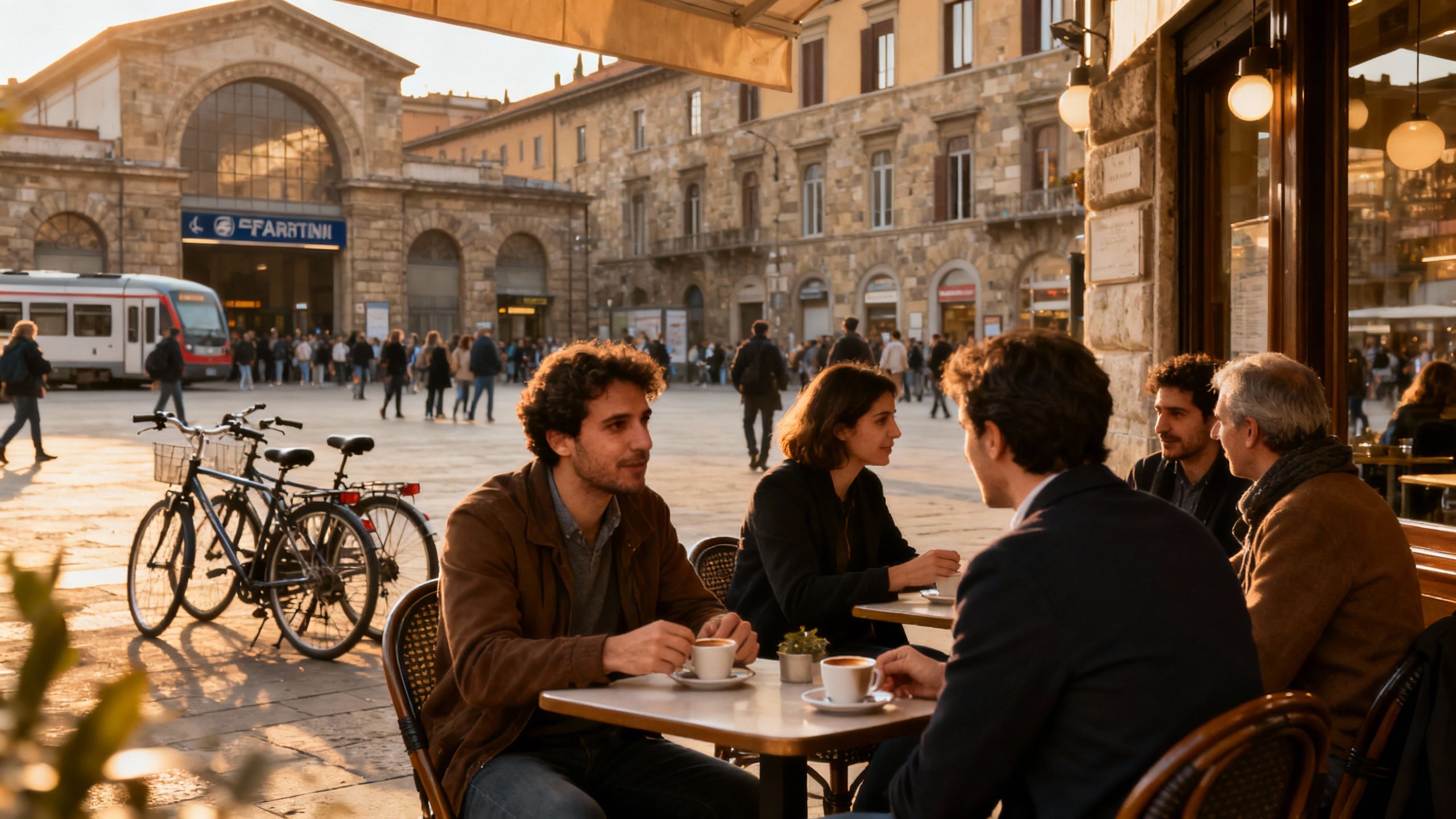
Imagine sipping an espresso on a narrow cobbled street in Trastevere, then stepping onto a high-speed train that gets you to Milan for a late meeting — that everyday juxtaposition is Italy. The country’s rhythm folds centuries of piazza life into modern transport nodes, and for buyers this mix of lived-in charm and connective infrastructure rearranges risk and return in ways you might not expect.
Living the Italy lifestyle — daily scenes that matter to investors
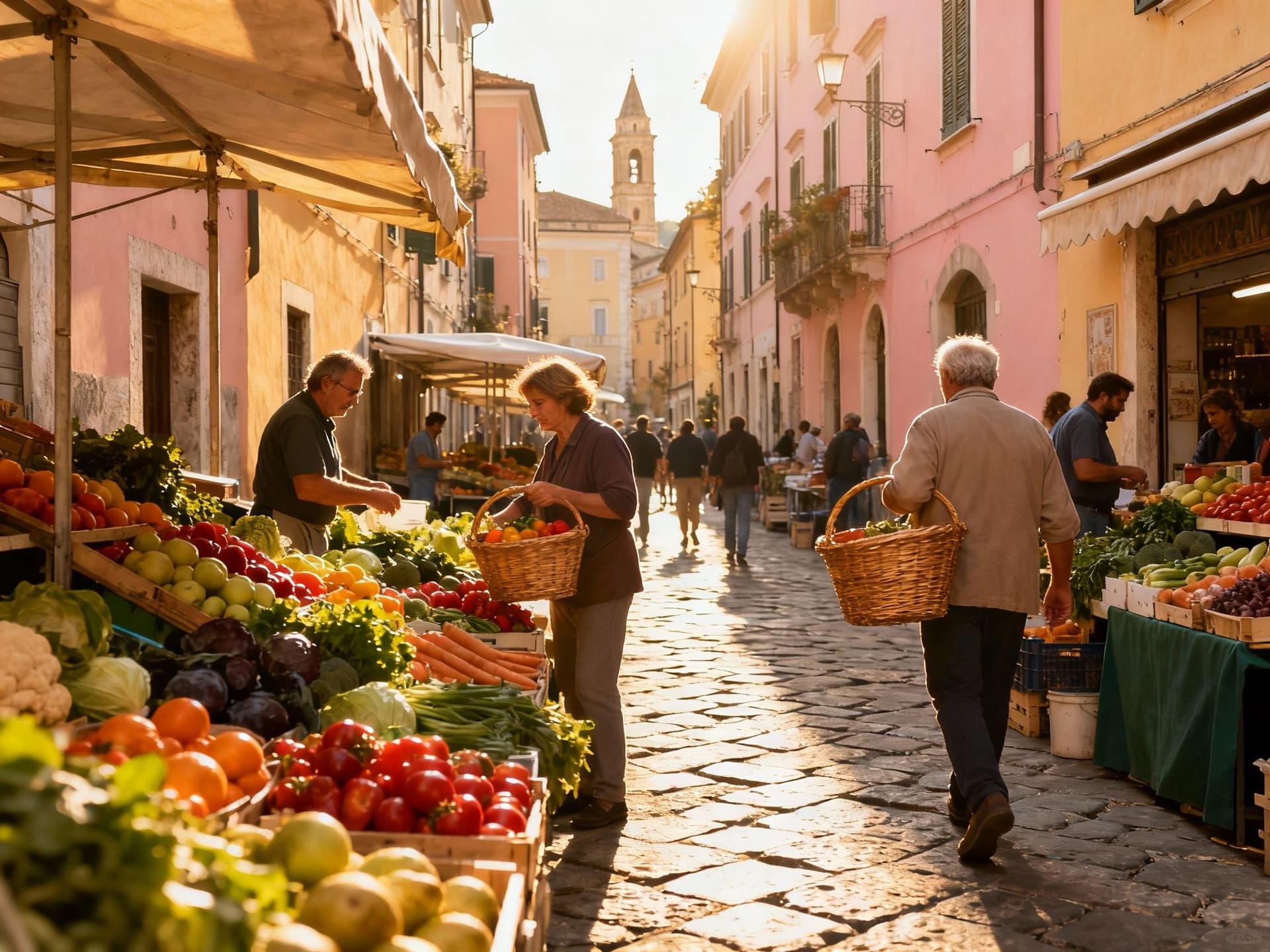
Italy feels like a set of micro-worlds: morning markets in Palermo, afternoon aperitivo on Milan’s Corso Como, and late sunsets on the Amalfi cliffs. That sensory variety is why tourism and long-stay demand stay robust — but the investment picture is local, not national. Prices per square metre and rental demand swing wildly between regional capitals and inland towns; see the latest price patterns in the national property data. Living here means mixing ancient streets with high-frequency connections that determine tenant pools and seasonal income.
Neighborhood spotlight: Rome’s Trastevere vs. Milan’s Navigli
Trastevere trades predictable local life — daily markets, tight-knit cafes, and winding alleys — for steady mid‑term rental demand from groups and families. Navigli, with its canals and nightlife, targets short‑let demand and younger professionals. The difference isn’t only vibe: price per m² and permitted use (short‑let limits, condominium rules) shift achievable yields and management needs.
Food, markets and seasonality that move the needle
Markets linked to food, wine and festivals punch above their weight: Alba’s truffle season brings premium bookings, while coastal towns see summer spikes and winter troughs. Italy’s aviation rebound and rising passenger numbers keep international demand resilient — but remember that seasonal peaks inflate headline rental income while compressing net yields once vacancy and management are factored in.
Lifestyle highlights that affect investment prospects:
Alba (Piedmont) — truffle weeks drive short-term occupancy and premium rates
Amalfi Coast (Campania) — summer demand high, off‑season maintenance and higher insurance costs
Turin and Palermo — stronger gross yields in secondary cities compared with Milan and Florence
Making the move: practical infrastructure & connectivity considerations
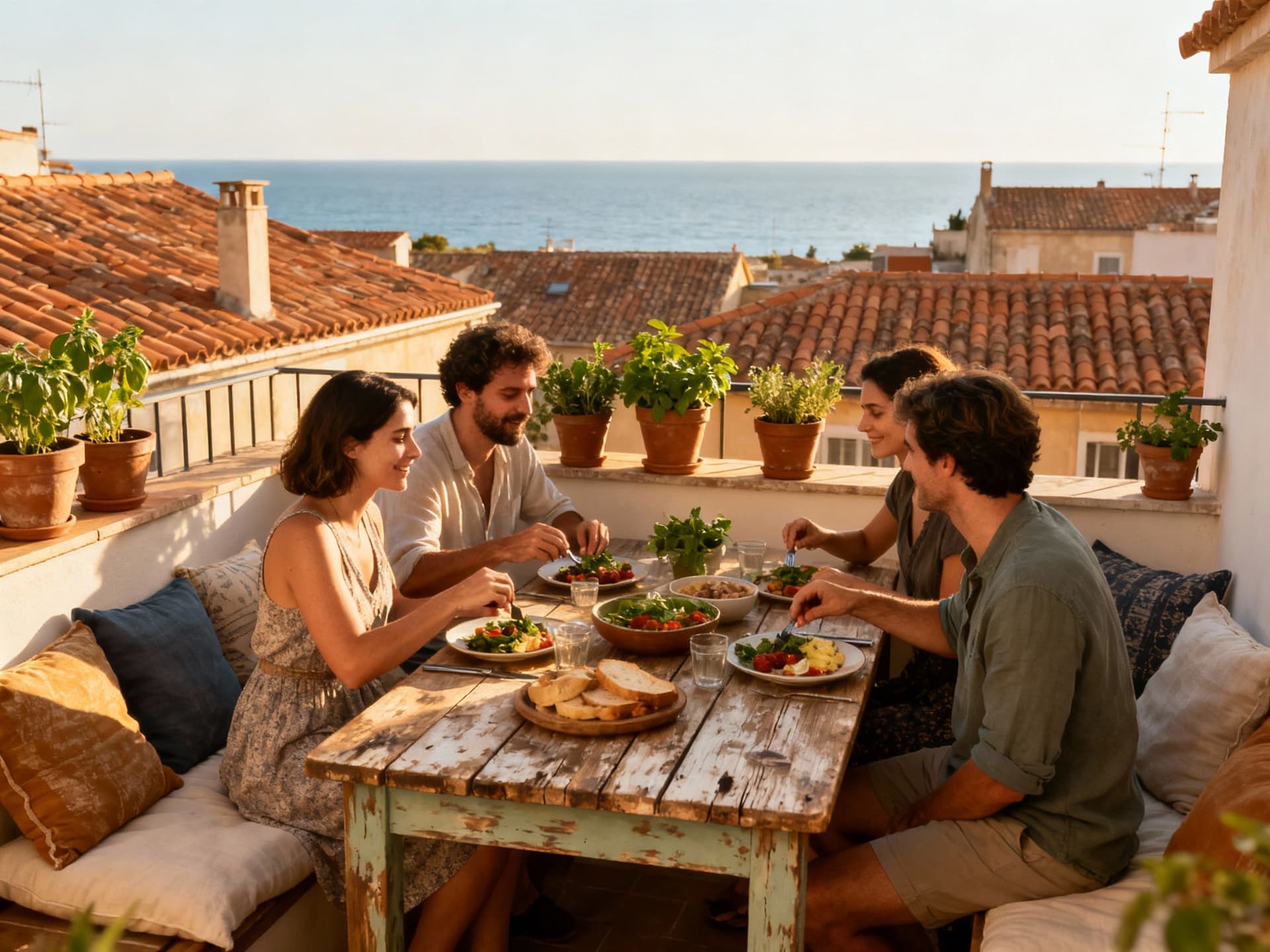
The romantic image is essential; underwriting the investment is non‑negotiable. Three infrastructure axes reshape value in Italy: air links (airport catchments), rail (high‑speed and regional networks), and digital connectivity (fibre/5G). These determine tenant catchment areas, remote work viability, and the ability to manage properties from abroad.
Rail and road: where high‑speed lines concentrate demand
Italy’s Frecciarossa/TAV network links Rome, Milan, Florence and Naples. Properties within a 30–45 minute train commute to a high-speed hub often command higher annualised rents because they reach larger professional labour pools. For investors this means that a modest premium on purchase price can be recovered via lower vacancy and stronger long‑term capital appreciation.
Digital connectivity: the fibre shortfall and what it costs you
Italy is behind the EU average for ultra-fast broadband; government programmes aim to cable 3 million buildings by mid‑2026 but delivery lags. For remote workers and longer lets, poor broadband reduces achievable rents and increases tenant churn. Factor in installation or retrofitting costs when underwriting properties outside major cities.
Practical checklist to combine lifestyle and connectivity in underwriting:
1. Map transport catchments: measure 30‑45 minute train travel to major employment nodes and weight rents accordingly.
2. Verify fibre/5G coverage with local operator confirmation; budget €1,000–€4,000 for unit-level upgrades outside urban cores.
3. Adjust vacancy assumptions for seasonality: coastal and festival-linked towns need 10–20% higher vacancy buffers.
Insider knowledge: what expats and seasoned investors wish they’d known
Expats often underprice the friction that local customs and infrastructure introduce. From condo rules that restrict short‑lets to municipal bureaucracy that slows renovation permits, these are the soft costs that compress yields. Weigh lifestyle benefits against execution risk: in Italy, charm can be expensive to activate as rental income.
Cultural integration and daily life — the small things that matter
Learning basic Italian, showing up at local markets, and building relationships with nearby shopkeepers materially eases property management. For instance, handover logistics for renters often rely on neighbours or local baristas who double as key-holders. These social capital investments reduce churn and repair times — a real line in your operating model.
Long‑term: why infrastructure plans should shape your 5–10 year thesis
Airport upgrades, rail expansions and fibre rollouts are multi-year programmes that reprice neighbourhoods. Rome and Milan already see the tightest pricing; secondary cities with planned rail or digital upgrades present asymmetric upside. Use public infrastructure timetables and operator releases to stress‑test appreciation assumptions.
Key red flags to spot before bidding:
Incomplete fibre roll‑out where advertised (ask for technician confirmation).
Properties outside rail/airport catchments with tourism‑only demand.
Condominium rules that forbid the lettings you expect.
Steps to work with agents and local experts effectively:
1. Ask for recent rental manifests and tenant turnover records (3–5 year history).
2. Confirm permit timelines in writing and include conditional clauses in offers to protect against unseen regulatory delays.
3. Use a local attorney and bilingual manager for contract execution and handovers — social networks reduce execution risk.
Conclusion: Italy sells a life as much as it sells a property. Fall in love with the piazzas, the markets and the transport nodes — then underwrite the infrastructure that turns lifestyle into repeatable income. Start by mapping transport and fibre catchments, verifying seasonality assumptions, and engaging local experts to translate charm into cashflow.
Dutch investment strategist who built a practice assisting 200+ Dutch clients find Spanish assets, with emphasis on cap rates and due diligence.