Buy the Network, Not Just the View
Italy’s lifestyle premium masks pockets of value where transport upgrades and local demand convert charm into measurable returns—buy the network, not just the view.

Imagine stepping out at 09:00 to buy a warm brioche on Via del Governo Vecchio in Rome, then hopping a high‑speed train to Milan for an evening aperitivo — that is modern Italy: a mosaic of centuries‑old streets and new rails. The lived reality — narrow alleys, neighbourhood bars, year‑round festivals — matters deeply when you’re weighing a property purchase against rental return and capital appreciation. This piece pairs the sensory: coffee aromas, market chatter, late‑night passeggiata — with infrastructure realities that determine yields and long‑term growth. We challenge a common myth up front: Italy’s lifestyle premium doesn’t always mean overpriced returns — connectivity and local demand often create underappreciated pockets of value backed by data.
Living the Italy lifestyle: street life, seasons, and signals

Daily life in Italy is shaped by micro‑places: a market on a Saturday in Palermo, the early‑morning dock work in Trieste, or the gelato carts around Florence’s Duomo. These rhythms drive rental demand — short stays in coastal towns during summer, long‑let demand in university cities like Bologna and Padua, and steady domestic tenancy in provincial capitals. Demographic shifts and tourism flows reported by ISTAT and ENIT show that local demand, not just foreigners, sustains many markets. For buyers, this means lifestyle appeal and yield drivers are often tied to place‑specific patterns rather than national headlines.
Neighbourhood spotlight: Milan’s Porta Romana vs. Naples’ Chiaia
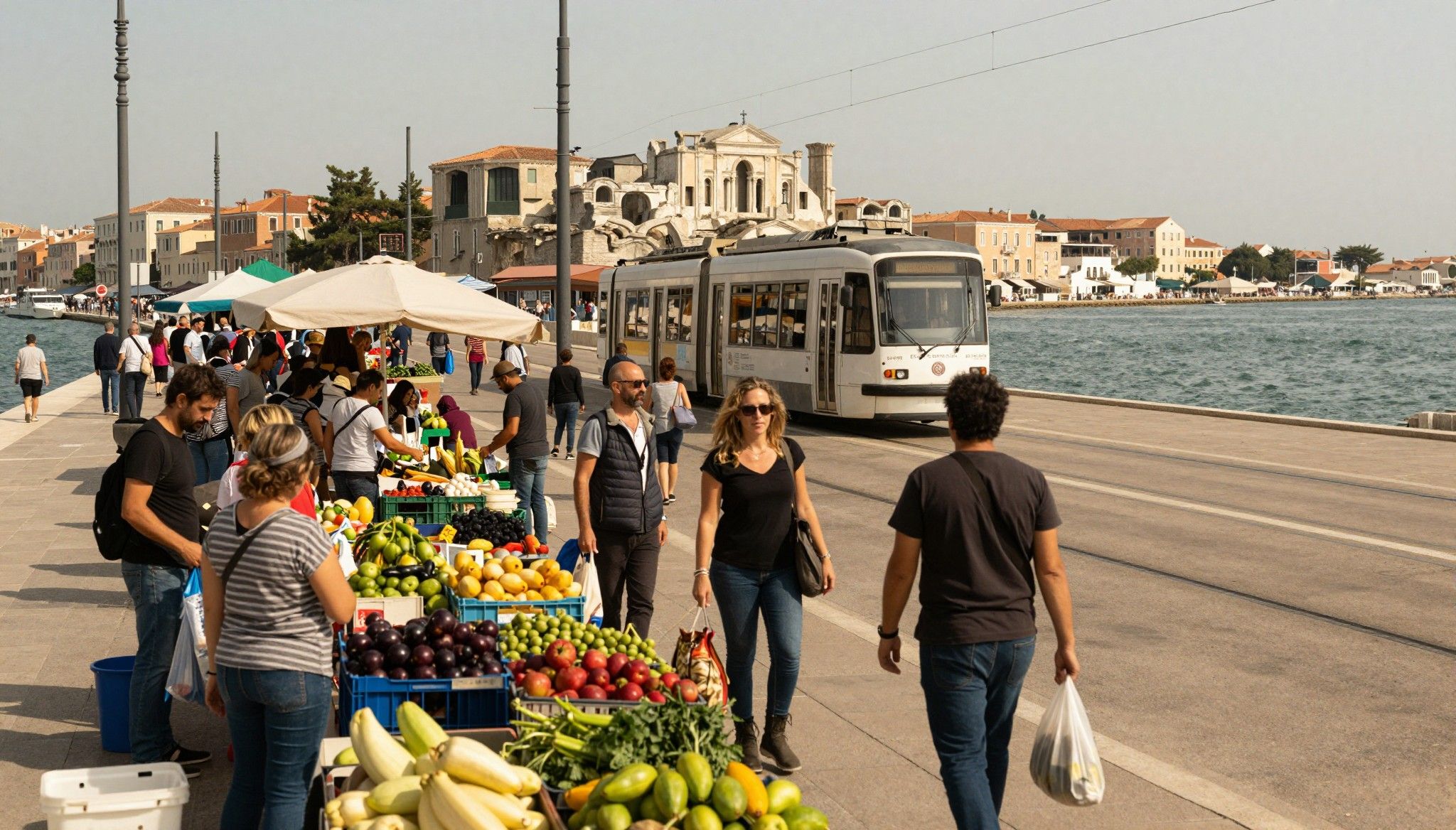
Porta Romana (Milan) is a study in synchronous demand: renovated tramlines, proximity to Bocconi and the new M4 metro, and a mix of young professionals sustain strong long‑let yields and steady capital growth. Chiaia (Naples) offers historic glamour and sea views but more variable short‑stay peaks and weaker high‑quality management — that gap widens when infrastructure (metro extensions, urban renewal) lags. Observatories such as Nomisma show that neighbourhoods with recent transport upgrades outperform comparables in both rent and price growth. The practical takeaway: check recent municipal plans and rail projects when comparing two areas that feel equally 'desirable' on the surface.
Food, markets and social life: where experience meets demand
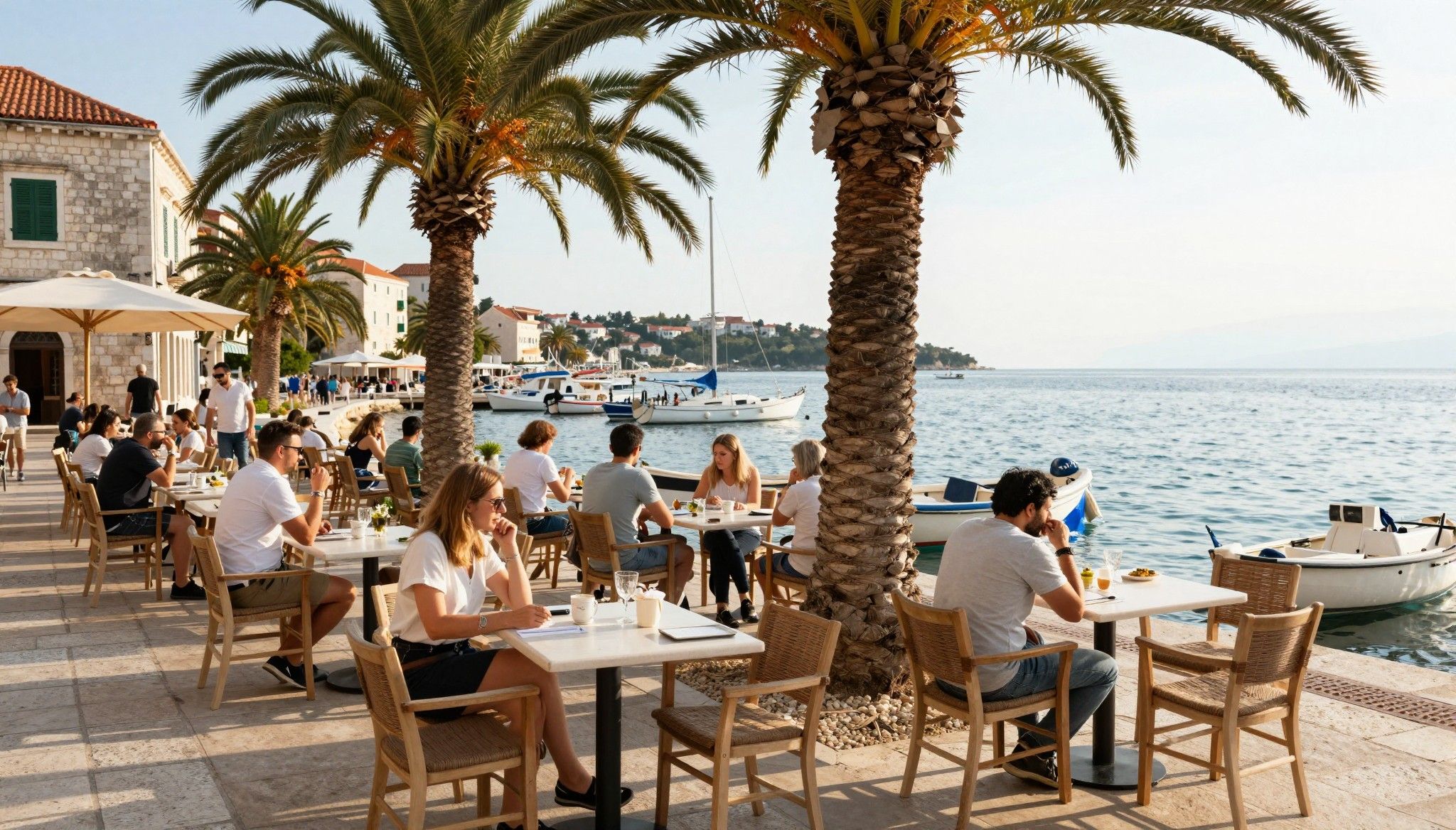
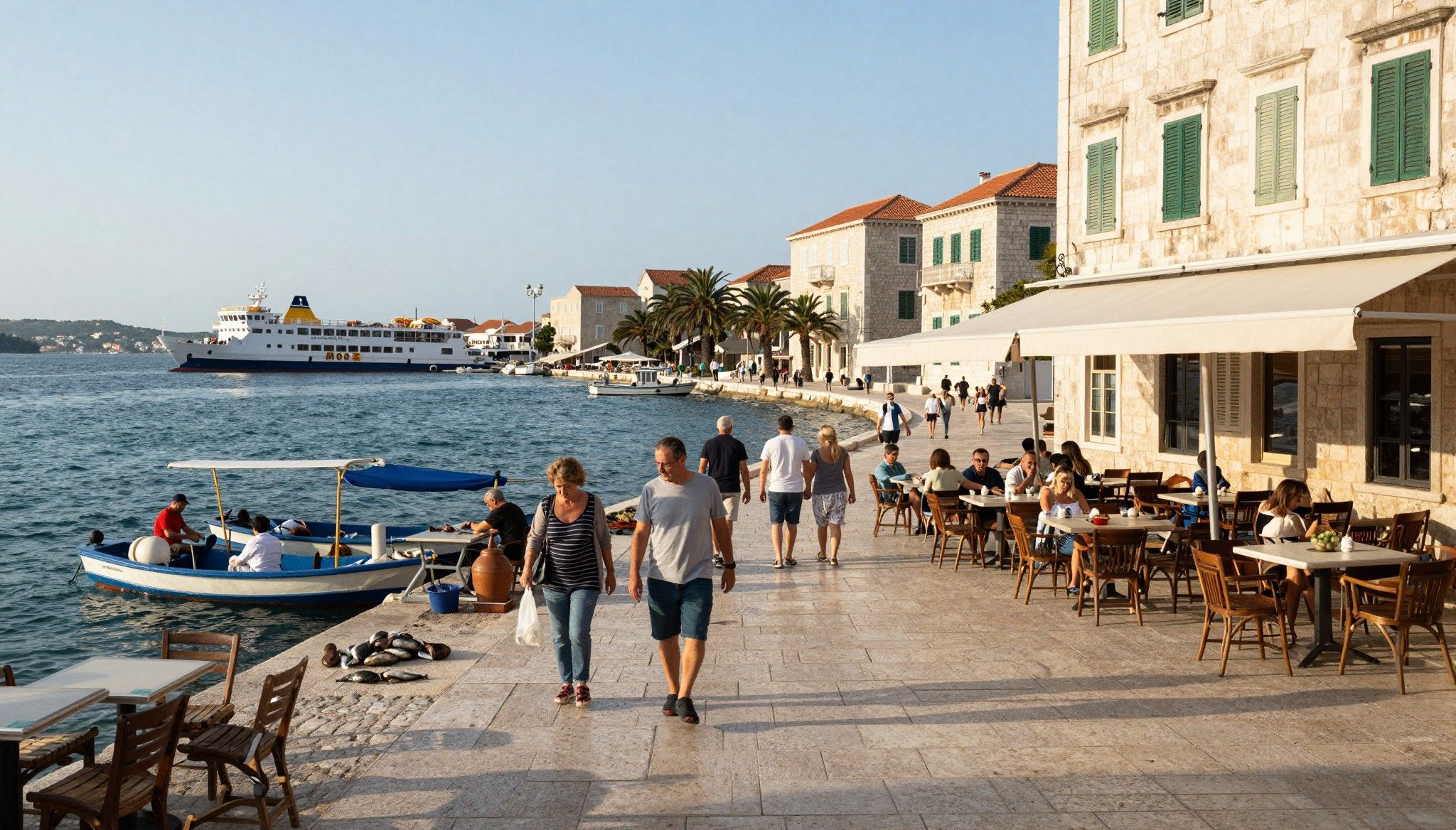
Weekends in Italy shape property appeal as much as commute times: morning mercado runs at Mercato Centrale (Florence), aperitivo strips in Navigli (Milan), and seafood markets in Genoa create lifestyle gravitas that attracts long‑stay tenants. Local food scenes influence pricing for short‑stay listings and premium long‑lets alike because they increase occupancy resilience outside high season. For buyers, a neighbourhood’s calendar (markets, festivals, university semesters) is a proxy for rental seasonality and average occupancy rates. Sensory living experiences convert into measurable demand when combined with transport and service infrastructure.
- Markets, cafés and lifestyle highlights to note
- Mercato Centrale (Florence) — day traffic and food tourism that supports year‑round lettings
- Navigli district (Milan) — strong evening economy and short‑stay demand from creatives
- Lungomare Caracciolo (Naples) — seasonal uplift but infrastructure limits high‑quality conversions
Making the move: how infrastructure reshapes value

Dreams of an Italian life meet hard infrastructure facts: high‑speed rail links, upgraded regional lines, and airport connectivity materially change both capital values and rental profiles. The expansion of high‑speed service (Frecciarossa and Frecciargento routes) compresses effective distances between cities, converting what used to be second‑city suburbs into commuter towns. Municipal transport upgrades documented by RFI and Trenitalia have a measurable lead‑lag effect: markets near new stations typically show above‑market price growth 12–36 months after service starts. For investors, the rule is simple: buy with the network map, not just the scenic map.
Property styles and how they fit real life
Italy’s product is heterogeneous: compact historic apartments in centro storico; renovated lofts near transport hubs; and detached villas in peri‑urban areas. For a remote‑worker couple, a 70–90m² apartment in Bologna’s Santo Stefano or Turin’s San Salvario offers better year‑round occupancy and lower management overhead than a seaside villa that sits empty five months a year. When underwriting, model realistic occupancy, utilities, and condominium (condominio) fees — these recurring costs materially reduce net yield. Choose property types that align with the demand profile driven by transport, university calendars, and local industries.
Working with local experts who understand the network
Local agents and urban planners know which tramlines, zoning variances, and planned bike lanes will change demand. Use numbered steps to structure selection and due diligence.
- 1. Request recent zoning maps and planned transport projects from the municipality; verify timelines with RFI or regional transport authorities.
- 2. Ask your agent for comparable yields within a 10‑minute public transport catchment rather than a 10‑minute drive — effective commute is what tenants care about.
- 3. Factor management overhead: condos with concierge services may attract higher rents but add 1–2 percentage points to operating cost.
Insider knowledge: cultural quirks and red flags that affect returns
Italy’s cultural norms — the importance of local bureaucracy, condominio culture, and municipal permitting — directly affect total cost of ownership. A permitted rooftop terrace can add 10–20% to functional space and rents; an unpermitted conversion can be a legal and financial trap. Infrastructure projects often move on Italian timeframes; always match municipal timelines from the Ministry with agent promises before you price in uplift. Expat buyers commonly underestimate how neighborhood social norms (noise, hours of operation, market days) influence long‑let suitability and tenant turnover.
Cultural integration: language, community and day‑to‑day life
Practically, speaking some Italian speeds up bureaucracy and makes property management smoother; many managers insist on Italian correspondence for contracts and invoices. Neighborhood social life matters: being invited into the local barista rotation means faster tenant referrals and better maintenance outcomes. Expats who invest in local community routines reduce vacancy and maintenance friction, which improves net yield without changing headline rent.
Long‑term lifestyle: how places evolve
Italy’s evolution is uneven: northern cities often show steady employment‑driven rents, while some southern towns rely more on seasonal tourism and public investment projects to catalyse growth. Track local employment projects (universities, health campuses, tech hubs) as leading indicators for rental demand rather than past price performance. If the town is investing in mobility — bike networks, pedestrianisation, last‑mile transit — that improves long‑term tenancy prospects even if short‑term prices stagnate.
- Practical checks before you bid (quick checklist)
- Confirm scheduled transport projects and their completion windows via RFI or municipal planning offices.
- Model net yield including condominio fees, IMU property tax, and realistic vacancy (6–12% for city apartments, 20–40% for seasonal villas).
- Check energy class (classe energetica) — improving efficiency often increases rentability and value.
- Verify permitted use for short‑stay rentals at municipal level; rules vary and enforcement is increasing.
Conclusion: buy the lifestyle you want, but underwrite the network that sustains it. Italy sells on romance; investors profit from infrastructure and local demand. Work with agents who map transport catchments, municipal plans, and seasonal calendars into yield models. If you do that, you get both the espresso‑soaked mornings and the returns to justify the move.
British expat who moved to the Algarve in 2014. Specializes in portfolio-focused analysis, yields, and tax planning for UK buyers investing abroad.