How Malta’s Connectivity Reprices Neighbourhoods
Malta’s lifestyle premium is real—but so is its micro‑pricing. Infrastructure, ferries and airport growth reprice streets faster than national indices; match location to yield goals.
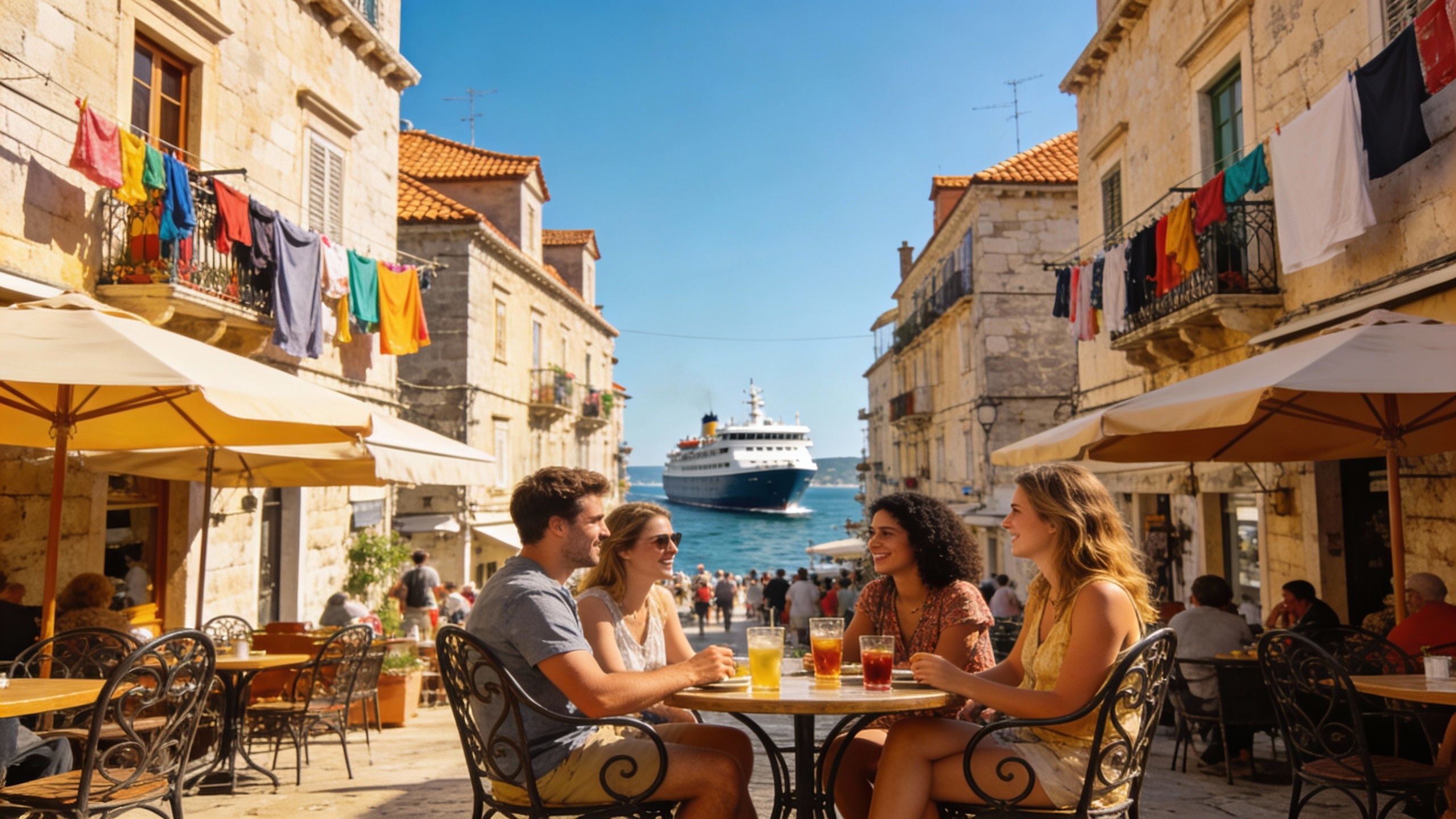
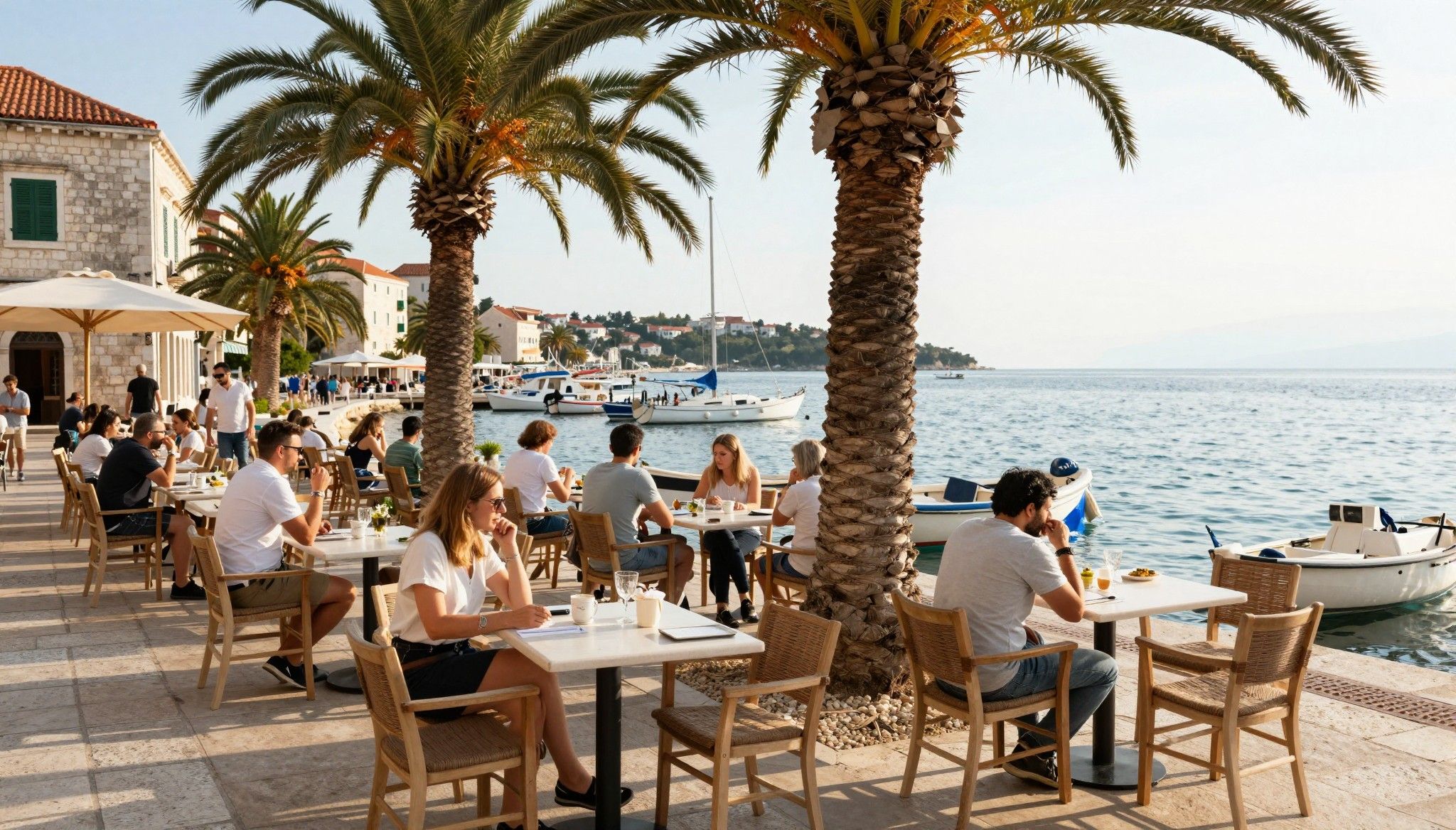
Imagine starting your day with an espresso at Caffe Cordina in Valletta, wandering limestone streets that hum with markets, buses and ferries — then stepping onto a terrace with a view of the Grand Harbour. That compact Mediterranean rhythm is Malta: intense urban pockets, seaside calm within minutes, and a very particular real‑estate logic that mixes heritage flats, new apartments and tourism demand. For international buyers this intensity matters: high accessibility and a small land area concentrate demand, so lifestyle advantages translate directly into price movement and rental dynamics.
Living Malta: neighbourhoods, pace and daily life
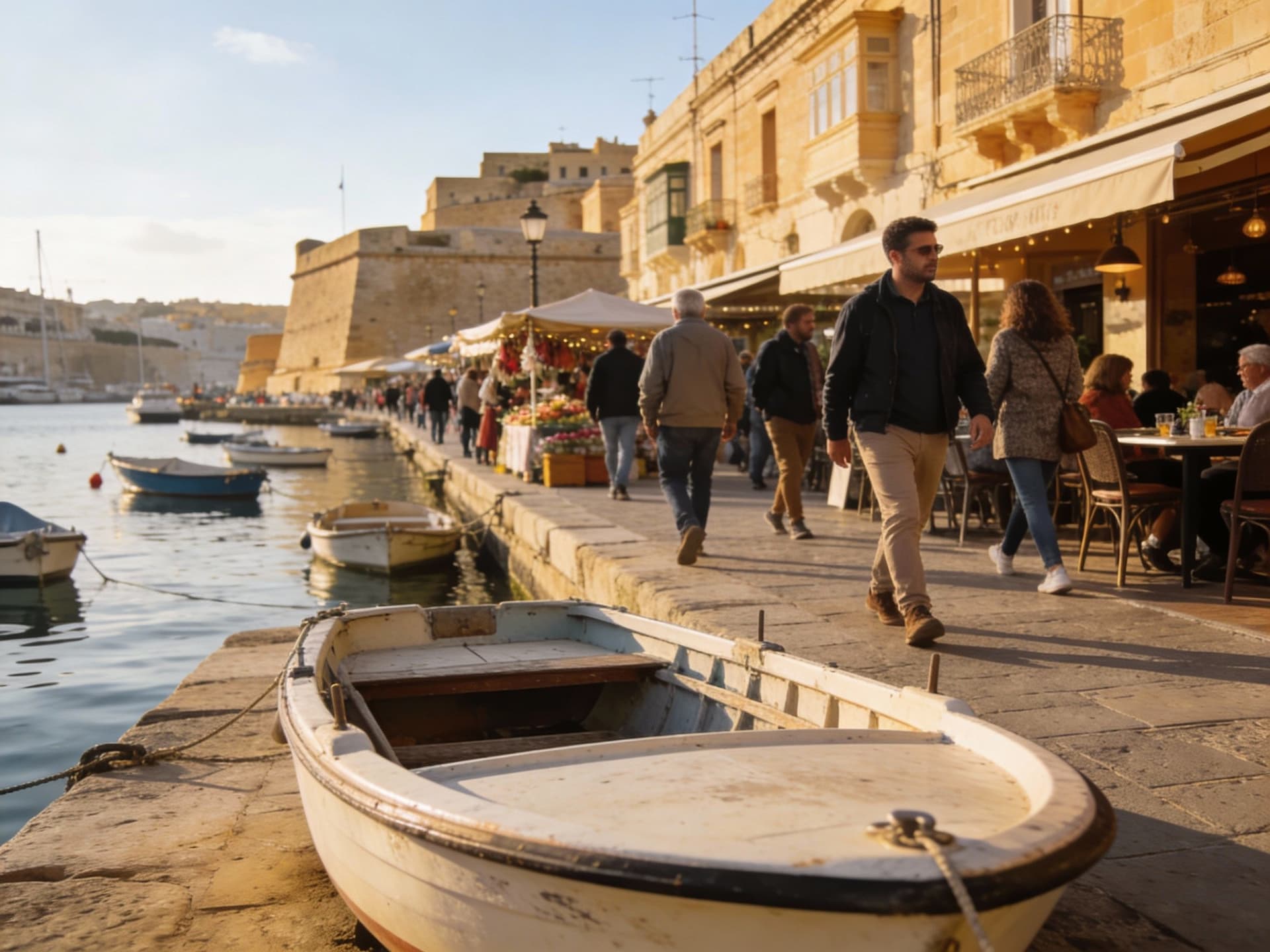
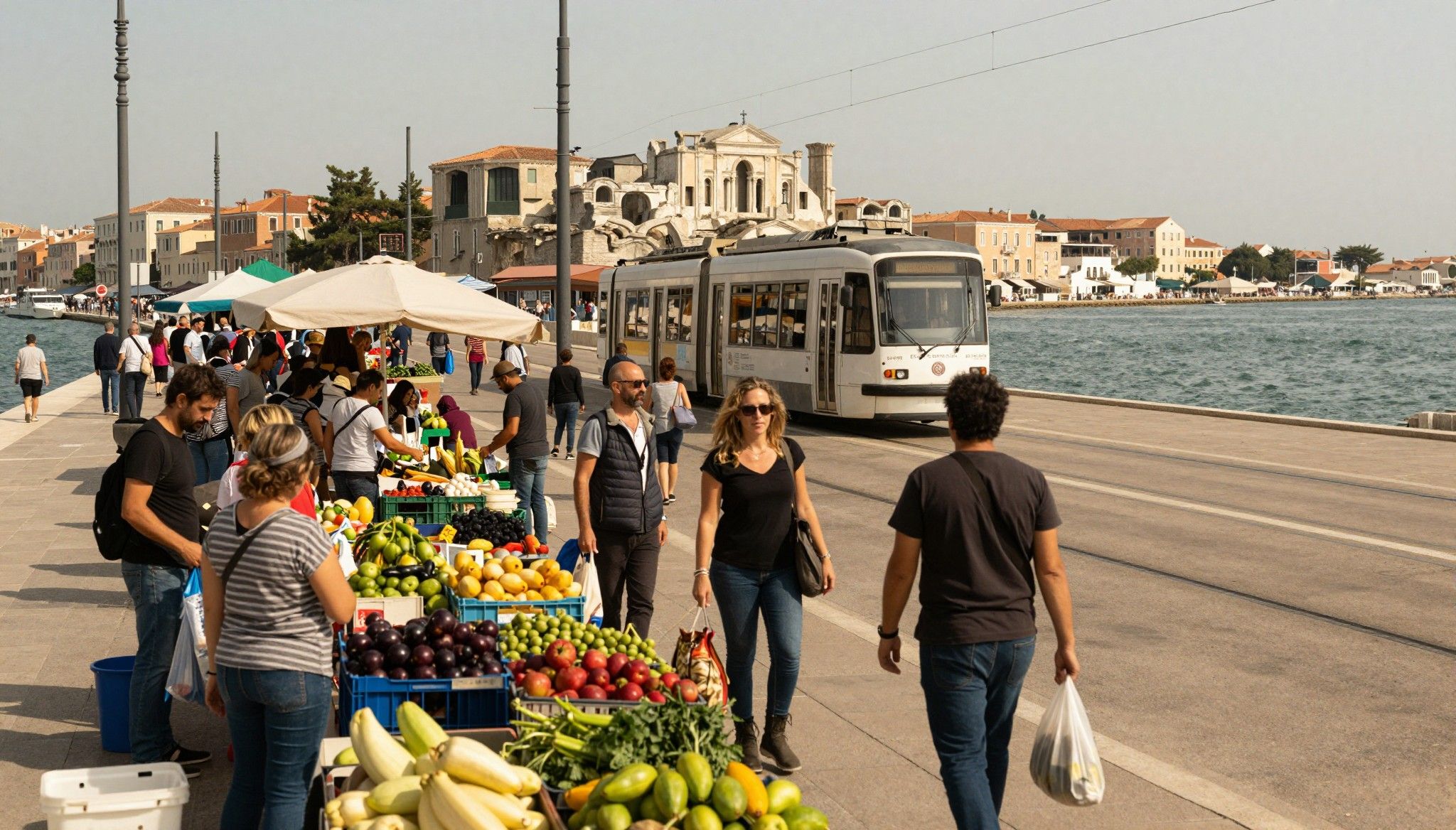
Malta’s daily life feels dense because the island is dense: Valletta’s narrow lanes and Sliema’s waterfront coexist with the nightlife of St. Julian’s and the quieter village rhythms of Mellieha and Gozo. Improved air connectivity (almost nine million passenger movements reported at Malta International Airport in 2024) means seasonal pressure is easing but demand is broadening across the year — that affects both short‑stay rentals and year‑round tenancy markets. Small distances mean commuter patterns are short, so walkability and proximity to ferry or bus nodes strongly influence rental desirability.
Valletta & the Three Cities: historic centre with rental scarcity
Valletta is cinematic — baroque façades, boutique cafes, and a year‑round tourist stream — but that charm lowers gross yields. Apartments here command high prices and carry low rental yields compared with other districts, so expect prestige to trade off with cash‑flow. If lifestyle is the priority, Valletta delivers a walkable cultural core; if yield matters, treat it as a capital‑appreciation play, not a yield engine.
Sliema & St. Julian’s: coastal urban life, divided markets
Sliema offers waterfront promenades, cafes and longer‑term expatriate residency; St. Julian’s answers nightlife and serviced apartments with strong short‑stay demand. Research shows gross yields in St. Julian’s and parts of mainland Malta can approach ~4% while Sliema and Valletta often sit lower — the micro‑location within the town matters more than the town name. For lifestyle buyers who also want rental income, prioritise proximity to transport nodes and high‑occupancy corridors rather than sea views alone.
Making the move: how infrastructure and connectivity reprice neighbourhoods
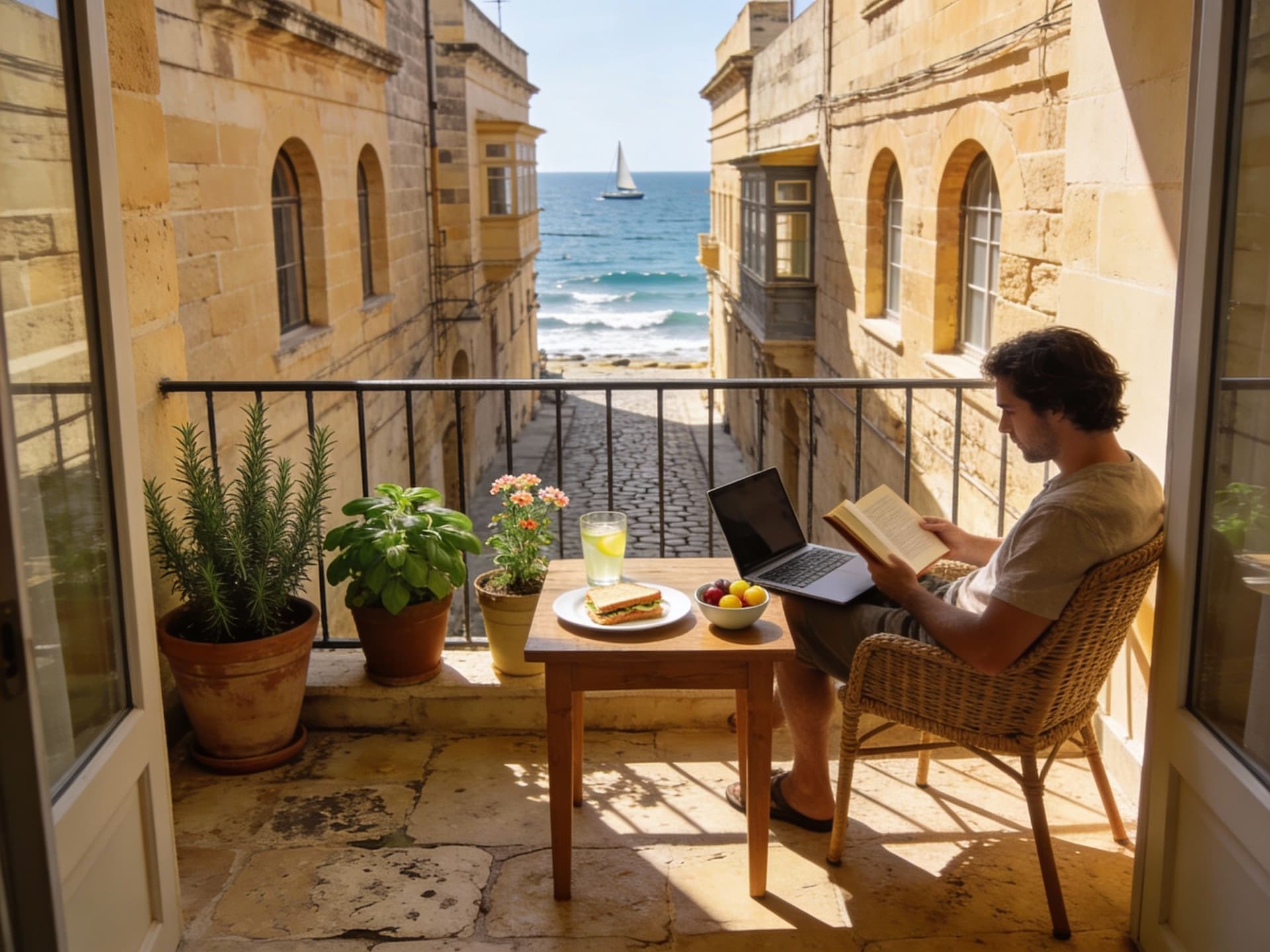
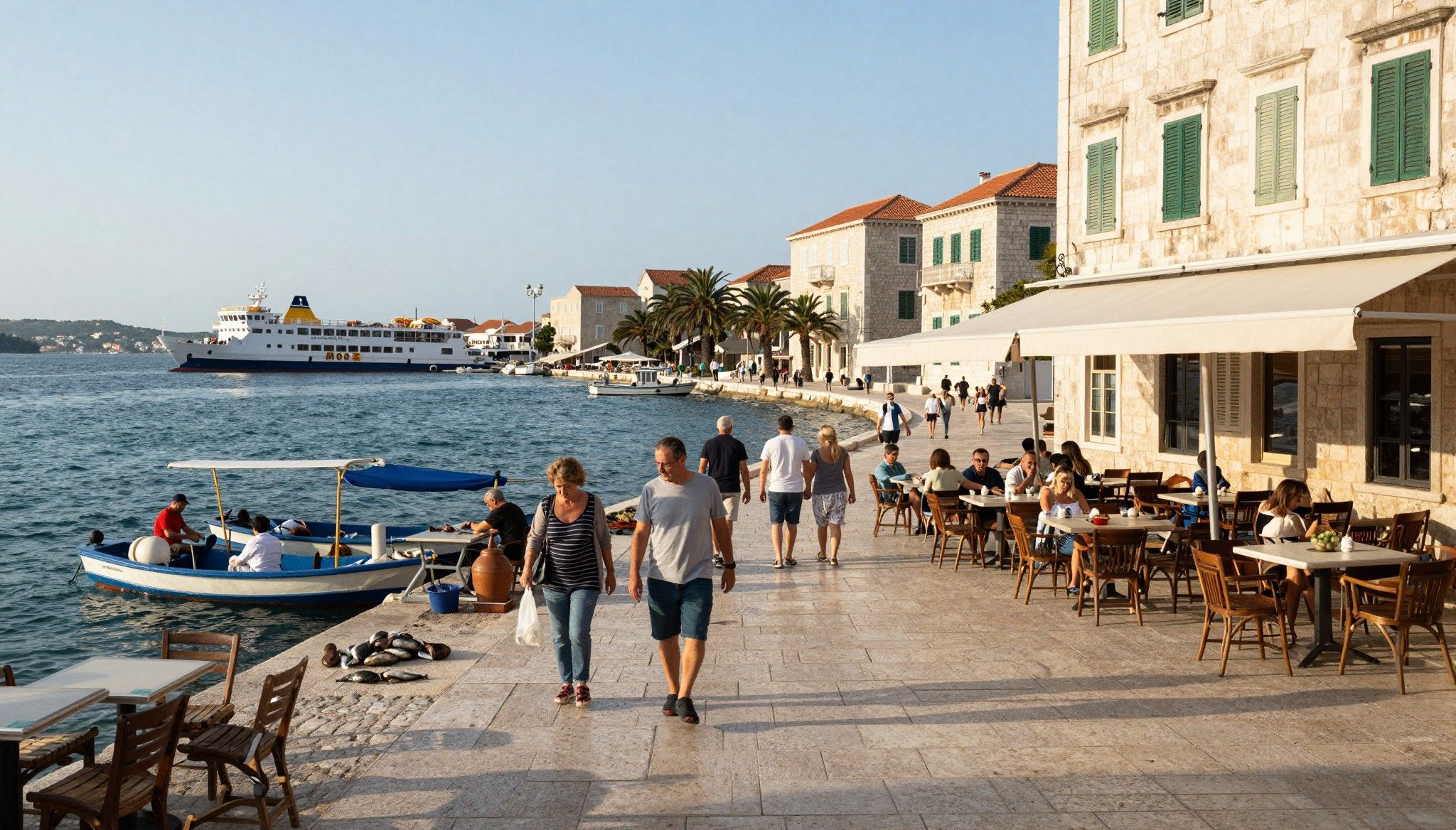
Price trends in Malta are heavily tied to transport improvements, seasonality of tourist flows and supply constraints. The National Statistics Office reports a 5% rise in the RPPI for 2024 — modest yearly growth that hides sharp local dispersion: areas near improved ferry links, bus corridors or short drives to the airport outperform peripheral villages. For investors, that means infrastructure projects (ferry frequency, parking, road upgrades) can reprice streets faster than broad national indices suggest.
Property types and livability: what the market offers
Malta’s typical stock is limestone apartments and maisonettes, often with small terraces and minimal parking. New‑build projects add modern finishes and lifts — valuable for long‑term tenants and remote workers — but older units near squares and transport remain highly desirable to short‑term and student renters. Match property type to intended use: a renovated maisonette in a village can attract stable long‑term tenants; a modern one‑bed close to Spinola Bay is more suited to high‑occupancy short lets.
Working with local experts who understand movement and demand
Agencies with on‑the‑ground intelligence about bus routes, ferry timetables and development permits are invaluable. They’ll flag micro risks — planned roadworks that cut access, zoning changes that limit refurbishments, or proposed tourism regulations that alter short‑let viability. Use local agents to stress‑test occupancy assumptions and to compare historical rental rates on the street rather than relying on town‑level averages.
- Practical checklist: infrastructure factors that move prices
- 1. Confirm proximity to major transport nodes (ferry, main bus route) — walking distance under 10 minutes boosts rental demand. 2. Check airport connectivity: improved routes and higher passenger volumes increase off‑season bookings for short lets. 3. Verify planned public works or zoning changes with municipal offices — these reprice blocks quickly. 4. Assess parking and lift access — essential for families and longer‑term tenants and a clear value driver. 5. Stress‑test yield vs. short‑stay occupancy seasonality over 12 months, not only the summer peak.
Insider knowledge: expat truths, seasonal surprises and hidden costs
Expats often romanticise Malta’s summer — but the real test of an investment is the nine‑to‑twelve month occupancy curve. Airport growth and added flight connections are reducing seasonality but haven’t erased it: expect lower occupancy in late winter in some coastal pockets. Hidden costs matter too: renovation rules for heritage facades, higher insurance for sea‑exposed homes, and the premium for parking or lift access aren’t always obvious in listing prices.
Cultural notes that change where you live
English is an official language and widely used in transactions, which eases integration and property management. Still, neighbourhood social norms — Sunday market rhythms, late dining hours, local building committees — shape the lived experience. If you want quiet evenings, avoid nightlife nodes like Paceville; if you want daily street life and cafes, pick Sliema or Gzira.
- What expats wish they’d known (quick survey of common regrets)
Shortlist inspections by time of day (noise, foot traffic), verify broadband speeds for remote work, clarify who pays for communal maintenance charges, and budget for stone restoration on older façades. These practical checks keep lifestyle promises intact and protect yield assumptions.
Conclusion — Malta sells a compact, intensely local Mediterranean life. For buyers chasing lifestyle and returns, the rule is simple: let infrastructure and proximity to transport dictate the trade‑off between yield and lifestyle. Work with agents who map micro‑connectivity, stress‑test seasonality and cost renovation realistically. If you pair the island’s extraordinary daily rhythms with disciplined financial assumptions, Malta can be both a place to fall in love with and a rational addition to an international property portfolio.
Dutch investment strategist who built a practice assisting 200+ Dutch clients find Spanish assets, with emphasis on cap rates and due diligence.