When Italy’s Trains, Not Sea Views, Drive Value
In Italy, rail, airports and seasonal flows shape value more than views. Prioritise transport‑driven catchments, occupancy data and expert local analysts to align lifestyle with yield.
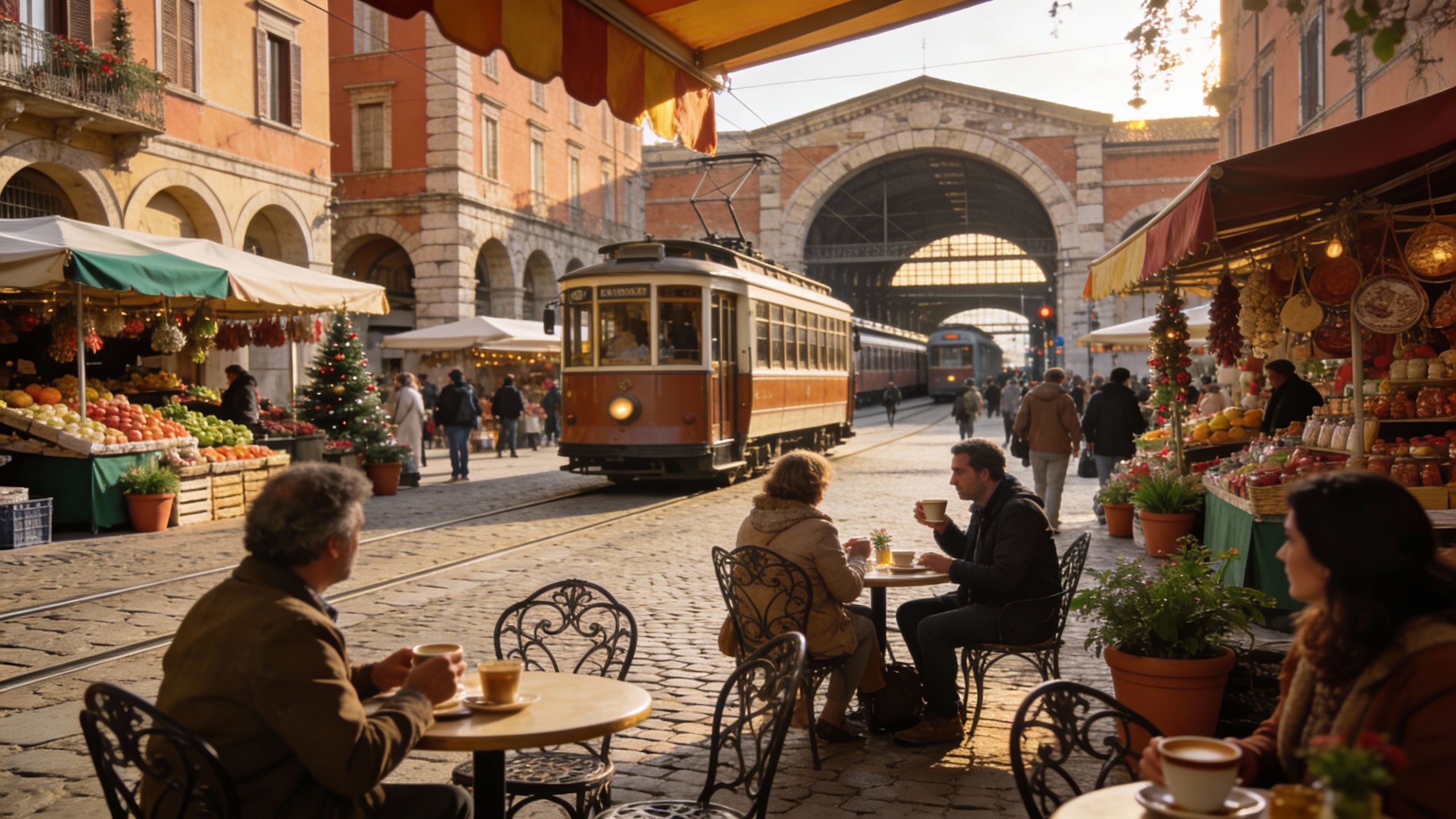
Imagine sipping a late-morning espresso on Milan’s Via Torino, then catching a 40‑minute Frecciarossa to Bologna for lunch — and realising your property decision should have started with transport maps, not sunset photos.
Living Italy: more rhythms than romance
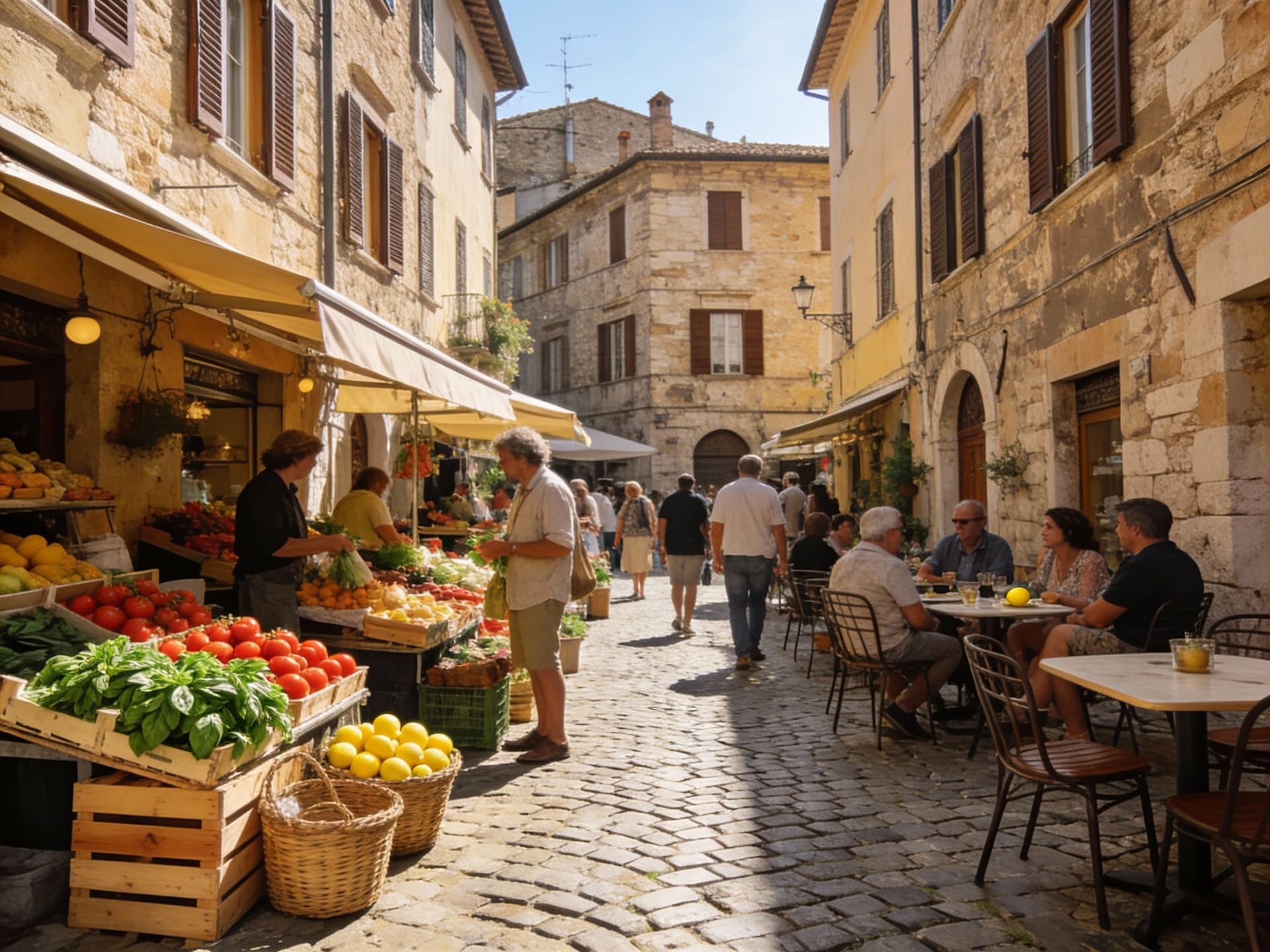
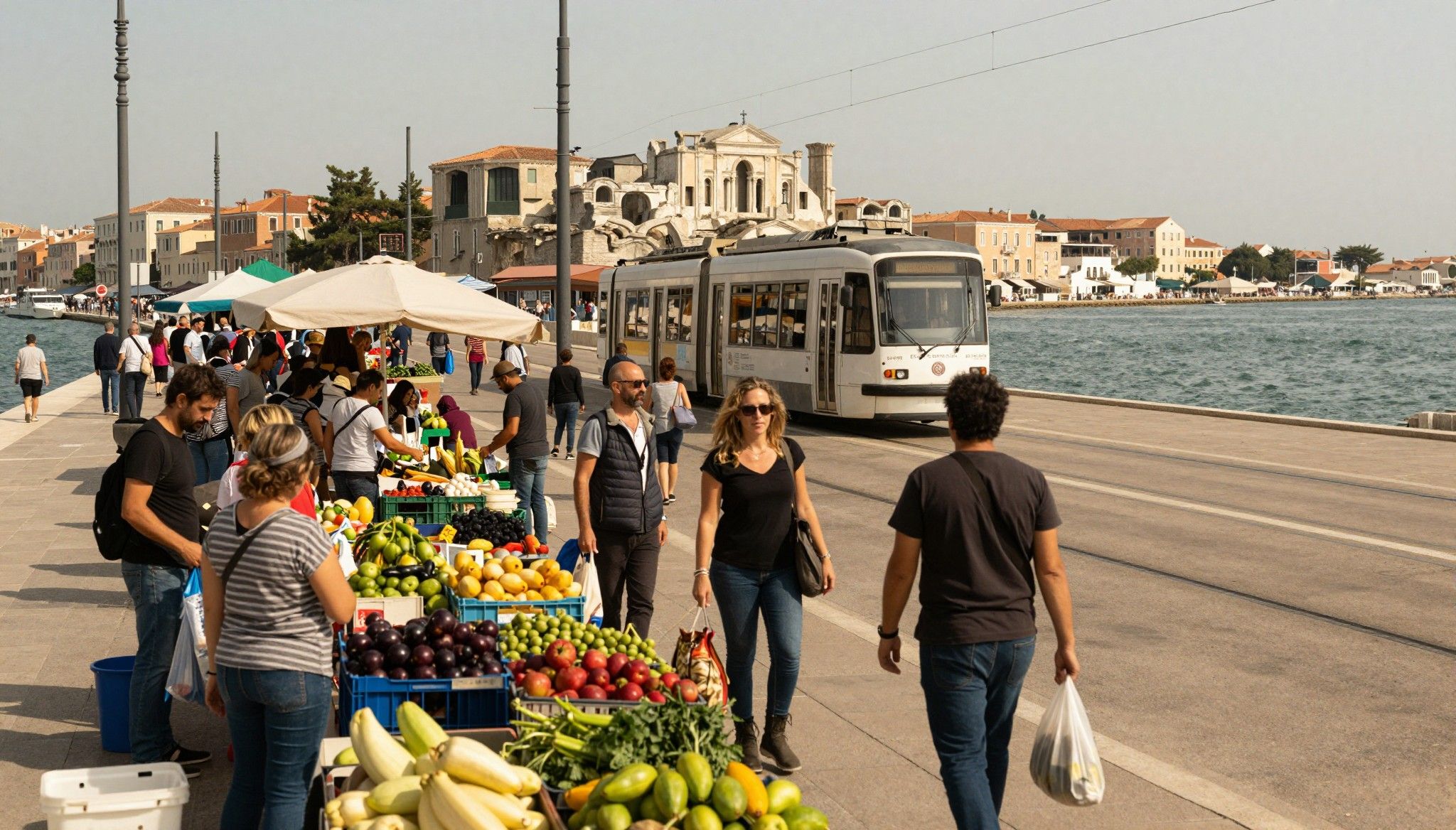
Living in Italy is a sequence of small rituals — mercato mornings in Naples’ Vomero, aperitivo at Trastevere’s Piazza Trilussa, and Sunday cycling along the Po in Turin. Neighborhood character changes block by block; prices do too. Average asking prices in prime Italian cities range widely, reflecting transport access and local services rather than coastal proximity alone.
Milan’s pulse: commuter efficiency, city scale
Milan feels like a compact financial district wrapped around neighbourhood piazzas. Streets near Cadorna or Porta Garibaldi hum all day because residents can reach Lago Maggiore, Verona or Bologna quickly. That connectivity sustains demand for both short‑let rentals and long‑term professional tenants.
Coastal towns: lifestyle appeal, uneven fundamentals
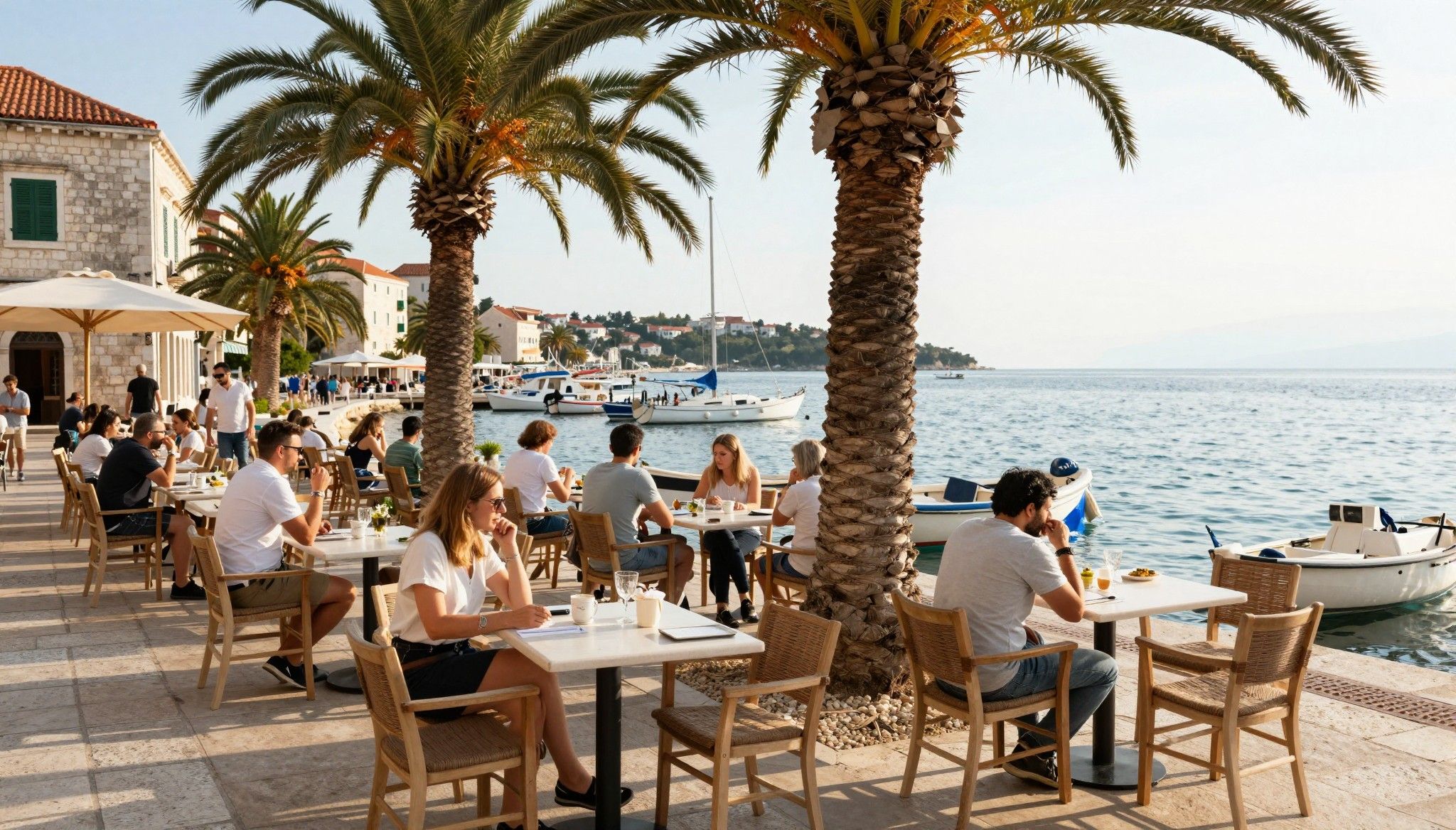
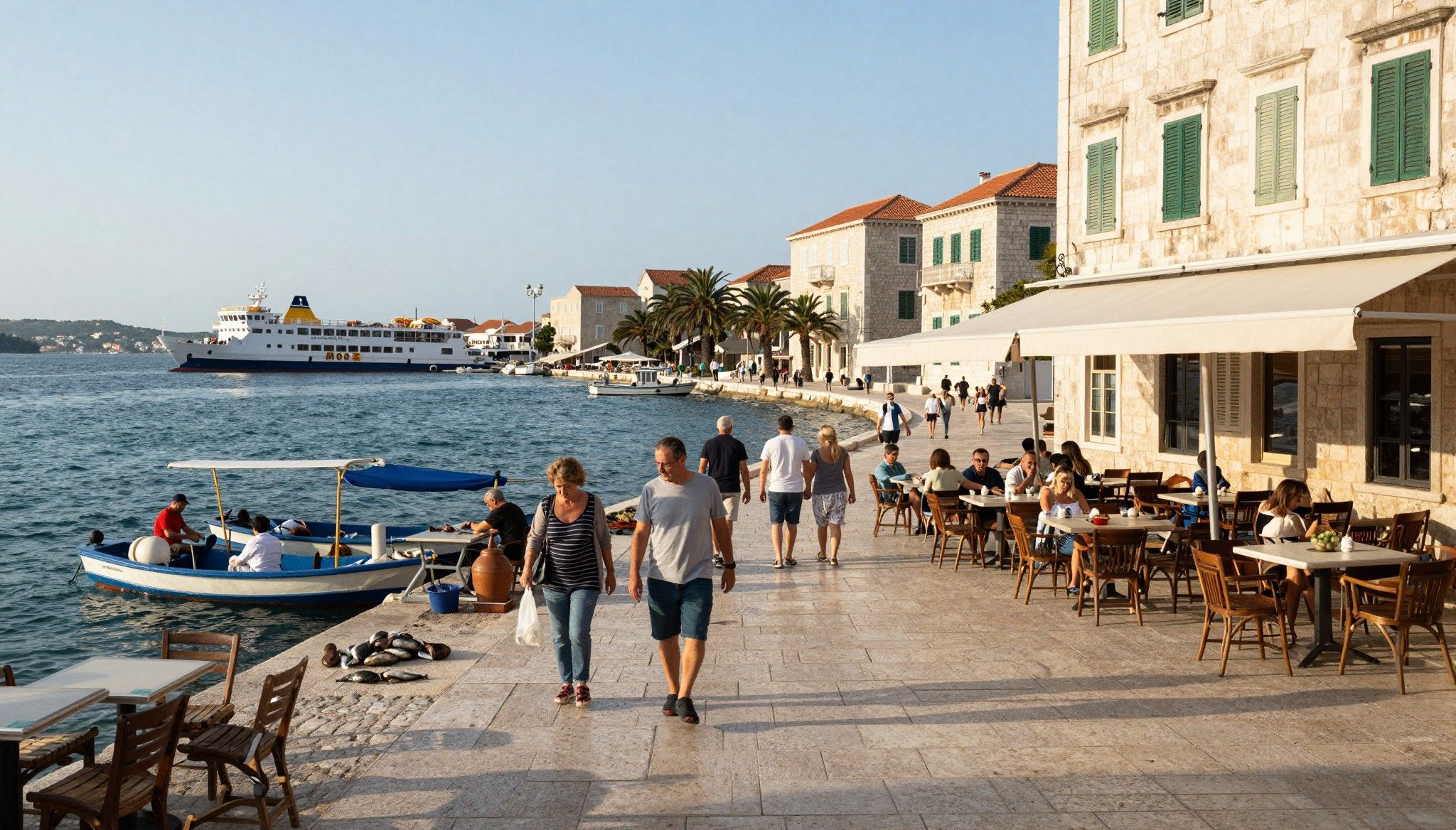
Italy’s coastline offers instant romance — Positano terraces and Puglia’s olive lanes. But values mirror seasonality: high summer occupancy, thin mid‑winter demand and variable yields. Price per square metre can be half in Calabria compared with Milan, but transport bottlenecks limit year‑round rental sustainability.
Local-life highlights: espresso bars on Via del Governo Vecchio (Rome), Friday fish market at Ripa in Palermo, evening passeggiata on Viareggio’s seafront, and coworking hubs in Bologna’s university quarter.
When infrastructure beats curb appeal

Here’s the contrarian idea: in Italy, proximity to high‑speed rail, commuter lines, and reliable regional airports often explains capital appreciation better than sea views. Improved rail links concentrate jobs and students, generating steady rental demand and reducing vacancy risk.
How transport shifts translate to price moves
Population flows concentrate in northern and university cities; ISTAT data shows rising foreign resident numbers and continued internal migration. Areas served by high‑frequency trains attract both commuters and investors seeking lower downside risk from seasonal demand swings.
Airport hubs and regional resilience
Cities with robust airport access — Milan Malpensa/Linate, Rome Fiumicino, Naples Capodichino — sustain international short‑stay demand and easier property management. Secondary airports (Bari, Bologna) boost inward tourism and seasonal work, improving occupancy outside peak months.
Why connectivity matters for returns: • Higher occupancy through diversified demand (students, commuters, tourists) • Faster capital appreciation where business links improve • Lower marketing and management overheads when access is simple • Easier resale to domestic buyers who prioritise commuting time
Making the move: property decisions that match how you’ll live
Your lifestyle checklist should feed the investment thesis. If you want Italian mornings and easy intercity trips, prioritise apartments within 15 minutes of a major rail node. If you prioritise long summer seasons, assess local road and ferry reliability and winter occupancy stats before paying a premium for views.
Property types: where to compromise
Historic centro apartments deliver lifestyle but often lack parking and insulation; modern peripheral builds give tenants better amenities and easier management. Restoration projects in Sicily or Puglia attract buyers seeking capital upside, but budget for compliance, seismic retrofits and slow municipal approvals.
Working with local experts who measure lifestyle and yield
Choose agents who can show you commuting time maps, seasonal occupancy reports and recent transaction comparables within the same transport catchment. A planner‑minded agency will run stress tests: expected net yield under 60%, 80% and 100% seasonal occupancy.
Steps that blend lifestyle and financial discipline: 1. Map a 30‑minute transport isochrone around candidate stations. 2. Compare asking price per sqm inside vs outside the isochrone. 3. Request historical occupancy for short lets and long lets by season. 4. Model net yield using conservative vacancy and maintenance assumptions. 5. Negotiate based on transport-driven comparables, not aesthetics alone.
Insider knowledge: expat realities and seasonal truth
Expats often arrive imagining endless summer. The reality: many Italian towns empty outside peak season, and services reduce in winter. That affects utilities, co‑ownership fees and rental turnover. Conversely, cities with year‑round economies (Bologna, Turin) show steadier cash flows.
Cultural nuances that affect daily life
Italian bureaucracy moves slowly; expect longer timelines for permits, bills and cadastral updates. Language matters: simple Italian reduces friction with neighbours and building administrators. Local social life centres on piazzas, not gyms — a small flat near a lively piazza can feel larger than its square metres.
Long-term lifestyle and growth signals
Signs worth tracking over 3–7 years: rising foreign resident share, new high‑speed links, airport route additions, university expansions, and municipal renovation funds. These are more predictive of steady returns than short‑term tourism spikes.
If you want mornings of market fruit, neighbourhood cafés and trains that let you commute between cities, prioritise connectivity over scenic clichés. Start with isochrones, demand data and an agent who thinks like an analyst — the lifestyle follows the infrastructure, and the returns do too.
British expat who moved to the Algarve in 2014. Specializes in portfolio-focused analysis, yields, and tax planning for UK buyers investing abroad.