Why France’s ‘Expensive’ Tag Hides Real Opportunities
France blends irresistible lifestyle variety with uneven yields — pair on‑the‑ground neighbourhood sense with INSEE and yield data to find properties that satisfy both life and returns.
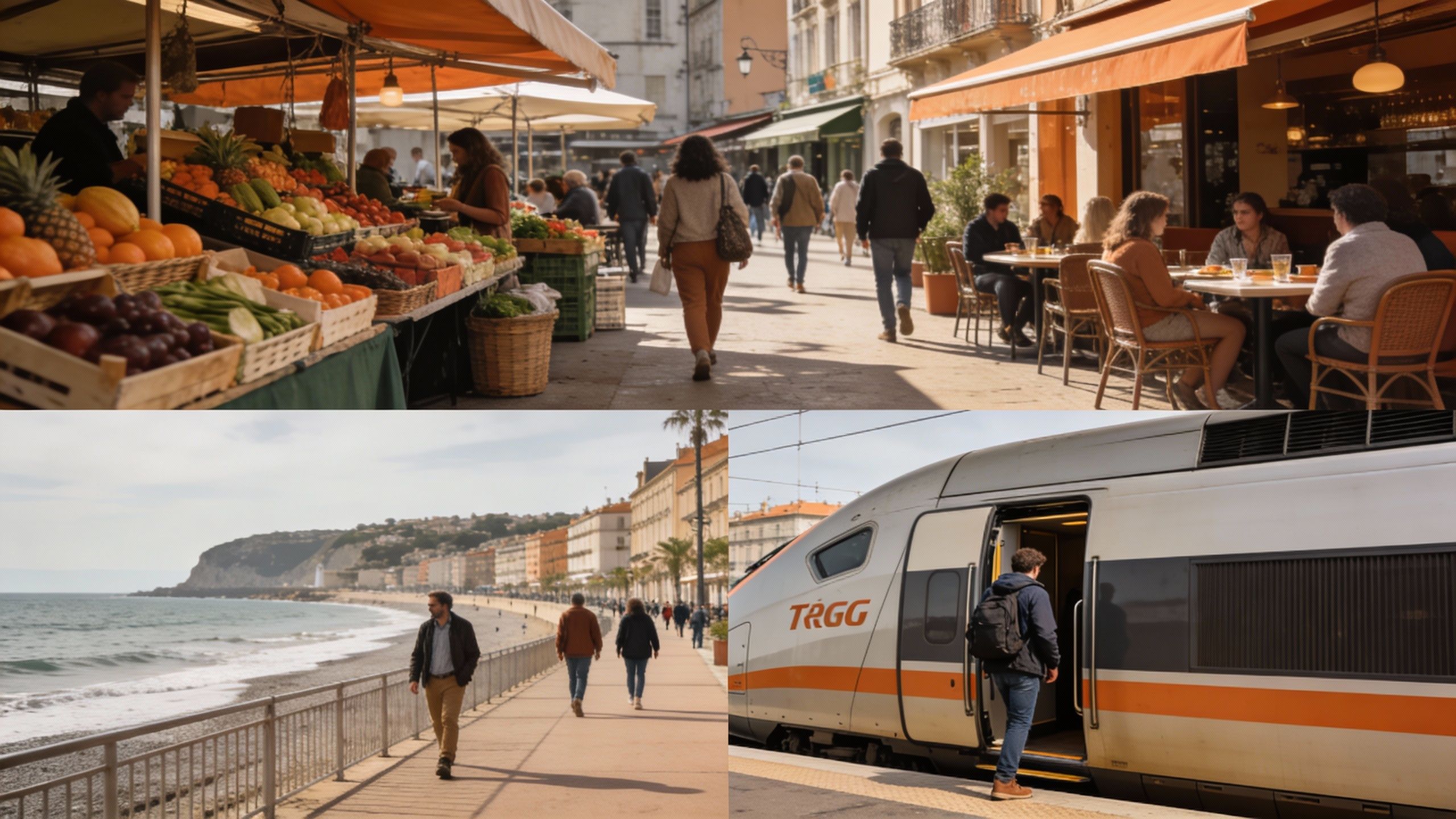
Imagine sipping espresso at Café de Flore on a crisp Paris morning, then catching a TGV at Gare Montparnasse for a weekend in the Dordogne. France compresses disparate lifestyles into a single passport: the contained luxury of central Paris, the slow markets of rural Nouvelle-Aquitaine, and the sun-drenched terrace culture of the Côte d’Azur. For international buyers the romance is obvious, but the smarter question is: which slice of France actually balances the life you want with reasonable investment returns?
Living the French Life — more than a stereotype

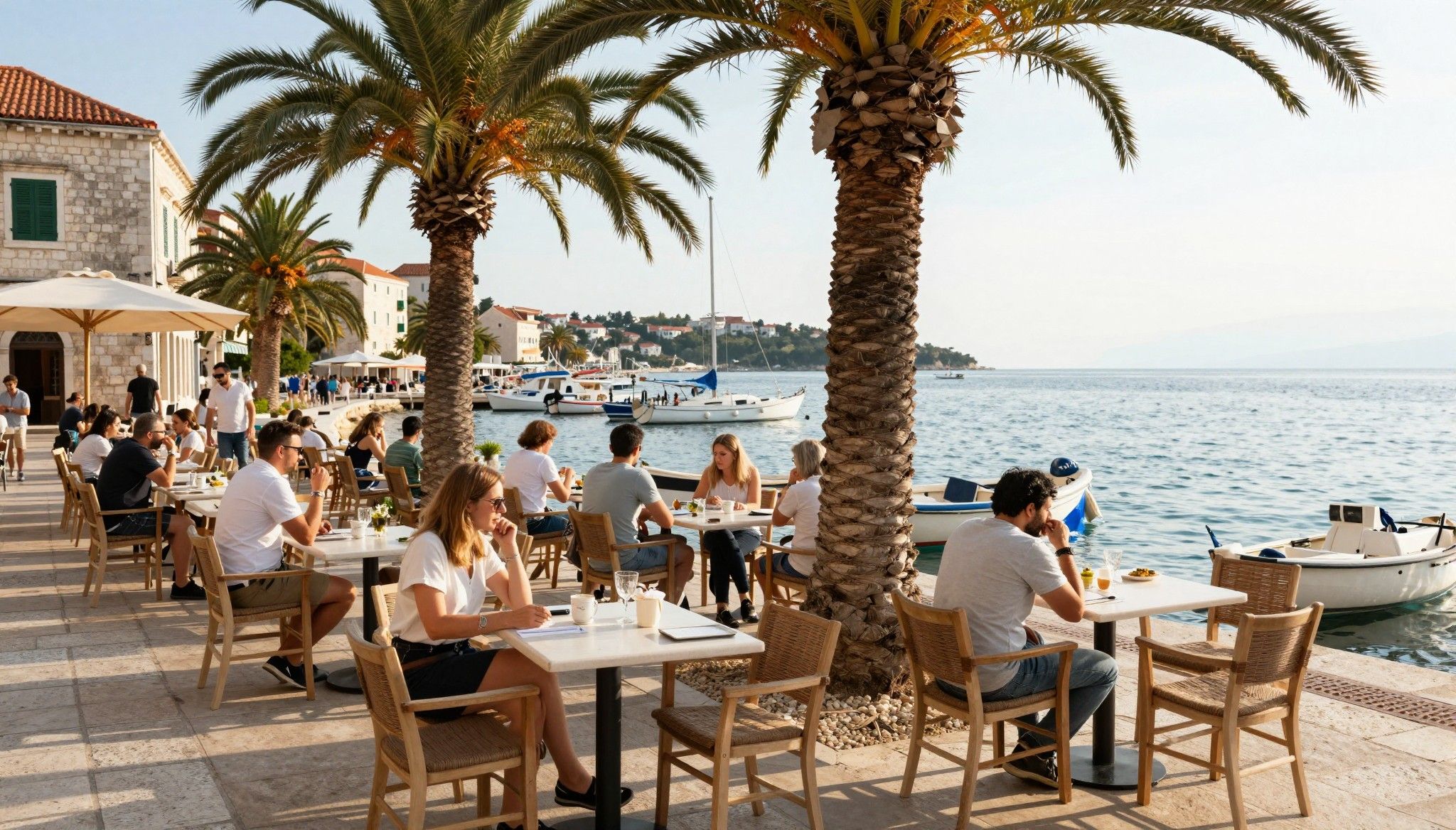
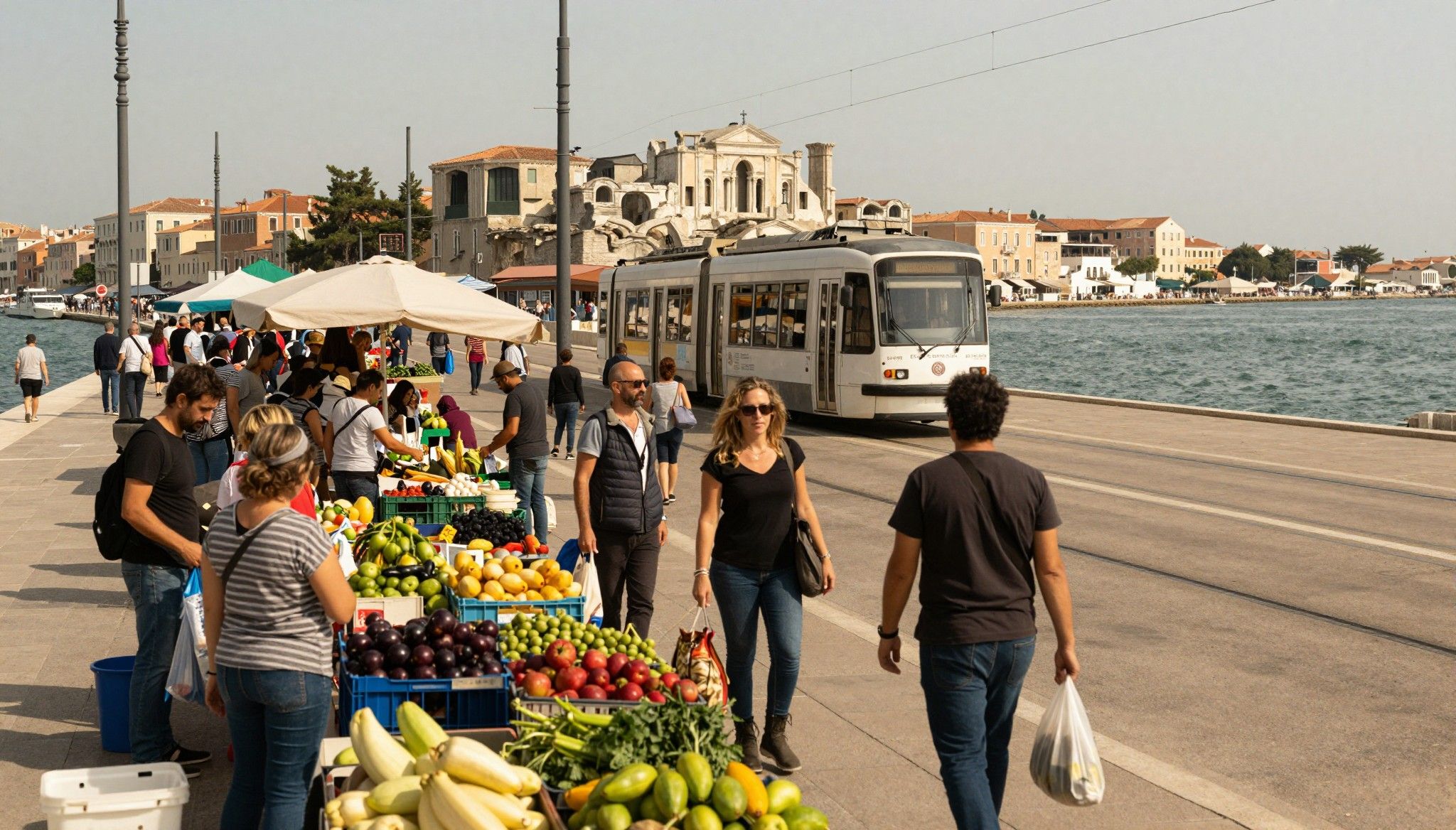
Daily life in France is spatially varied: morning marché bustle in Lyon’s Croix-Rousse, late-night tapas-style aperitifs on Nice’s Promenade, and quiet Loire‑Valley lanes lined with chestnut trees. These scenes matter to buyers because neighbourhood rhythms shape rental demand, occupancy seasons and long‑run price resilience. Recent data show national prices stabilising after several quarters of decline, so lifestyle choice and price trajectory are now coming into closer alignment. (See INSEE and the notaries’ indices for quarter-by-quarter movement.)
Paris: kinetic, costly, but defensible
Paris is the obvious draw — museums, corporate headquarters, and a global talent pool. High acquisition prices compress gross yields; central arrondissements can yield under 3–4% gross, but demand and capital preservation remain strong. For many buyers the math in Paris becomes a trade: low yield today for low vacancy and steady capital appreciation over decades. Tactical buyers evaluate micro‑neighbourhoods (10th, 18th, outer arrondissements) where studios and small units can still produce mid-single-digit gross returns.
Provence & Côte d’Azur: lifestyle premium, patchy yields
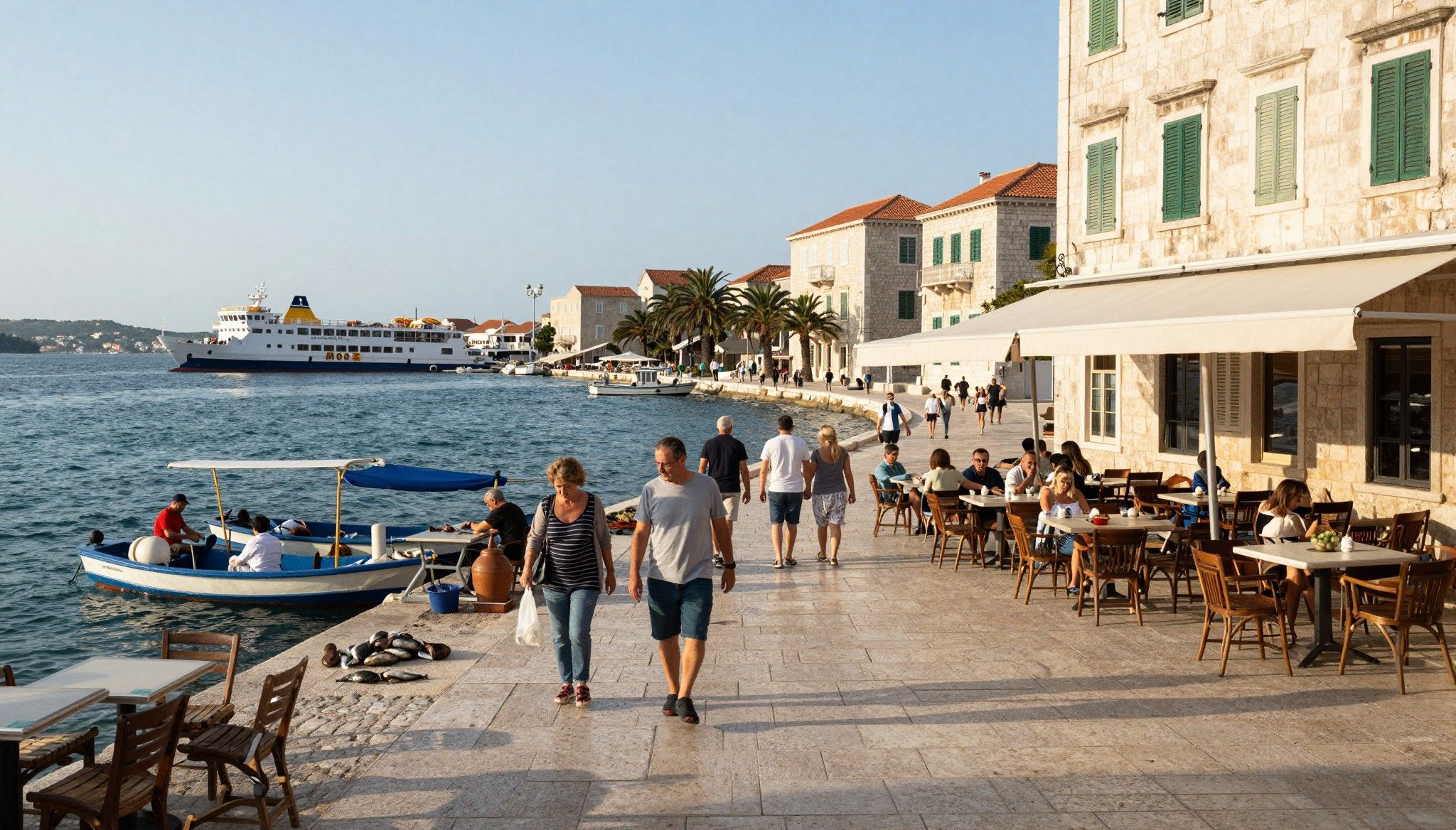
If seaside living and Michelin‑tasting weekends are non‑negotiable, Nice and Antibes deliver lifestyle plus strong short‑season demand. But premium prices (and tighter short‑let rules in many municipalities) mean yields vary widely; some coastal pockets are better for capital gain than rental income. Foreign buyer volumes cluster on the Riviera and Alpine resorts — useful if you plan seasonal lettings or resale to international buyers later.
Lifestyle highlights to test the market in person
Morning market at Marché des Enfants Rouges (Paris 3ème) — observe tenant profiles and weekly footfall.
Sunday farmers’ market in Aix‑en‑Provence — see seasonality and local spending power first‑hand.
Late‑afternoon promenade in Marseille’s Cours Julien — check café density, creative scene and rental demand for younger tenants.
Making the move: how lifestyle choices shape the numbers
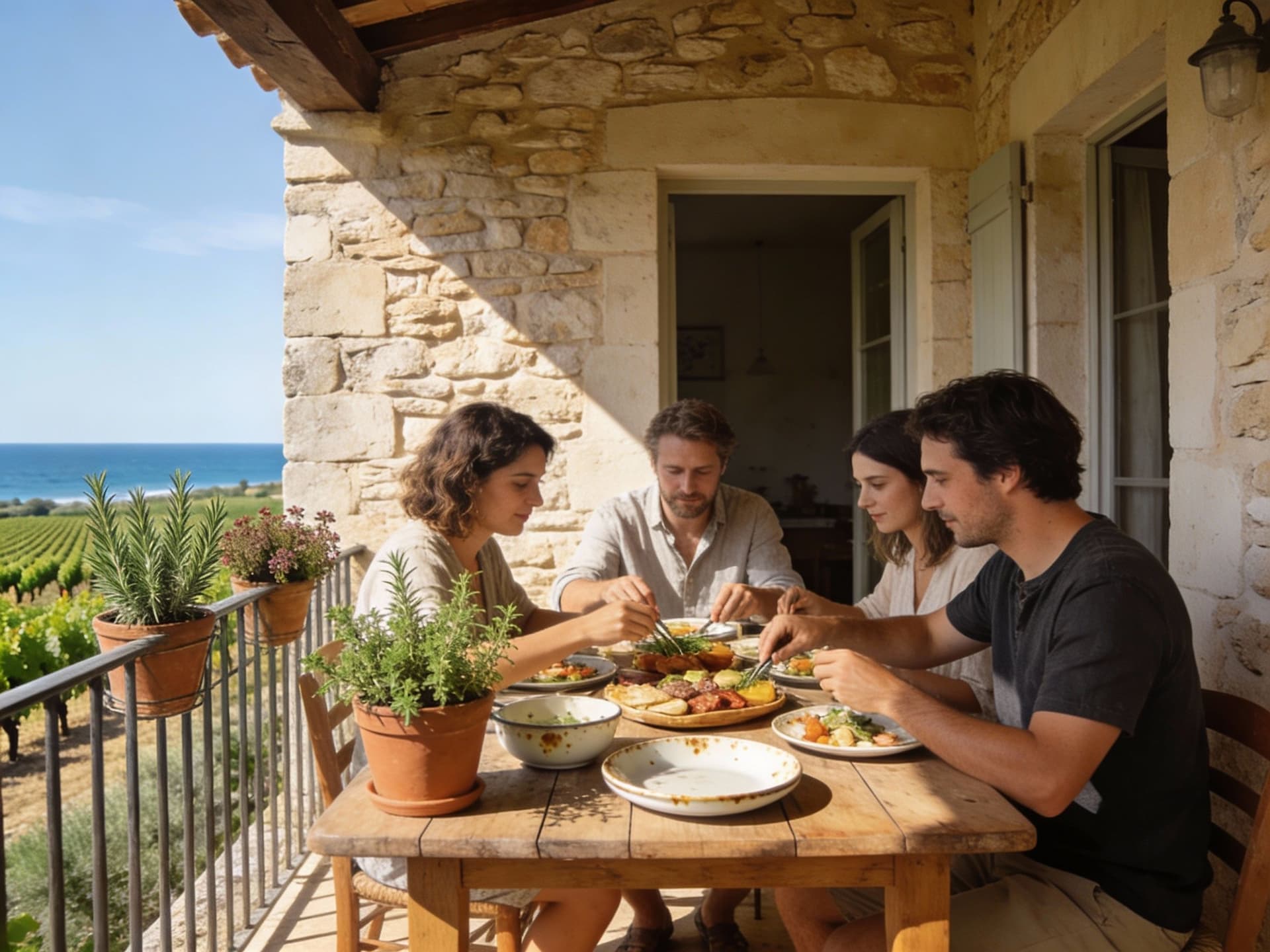
Deciding where to buy in France is both sensory and numerical: you must pair the feeling of a street with metrics like price per square metre, expected gross yield, and seasonal occupancy. National indices (INSEE and notaries) show recent stabilisation and modest growth in 2025, but local dispersion remains large. That means two properties in different towns can have wildly different cash‑flow profiles despite similar aesthetics.
Property types and how they fit lifestyles
Studios and small flats often outperform on yield in university towns and inner suburbs because demand is consistent and turnover is predictable. Townhouses and renovated rural homes match long‑term living but typically need higher capex and active management. New builds bring energy efficiency and lower maintenance costs, influencing net yields through lower operating expenses and easier compliance with evolving energy regulations.
Work with local experts who understand both life and law
You need a notaire for contract formalities, an agent who knows micro‑neighbourhood rental dynamics, and an accountant familiar with French tax treatment of foreign owners. Agencies add value by filtering properties that match both your lifestyle brief and yield expectations, and by structuring offers around typical French practices (compromis de vente, conditions suspensives). Proper local counsel reduces surprises — zoning, copropriété rules, and energy audits are common deal‑breakers if missed early.
Practical steps to align lifestyle with returns 1. Map lifestyle must‑haves (commute, markets, schools) and overlay with price/m2 data for target towns. 2. Shortlist neighbourhoods and run yield scenarios (gross yield = annual rent ÷ purchase price). 3. Order a diagnostic (DPE) and a copropriété minutes review to spot energy or co‑ownership liabilities. 4. Use a local letting agent to test likely rents before committing; vendors often overestimate achievable rents. 5. Build 10–15% contingency into renovation budgets; French renovations uncover structural surprises.
Insider knowledge — expat realities and seasonal truths
Expats often romanticise seasonal life but underestimate off‑season vacancy and maintenance demands. In resort towns short‑term peaks are lucrative, but off‑season can halve effective annual occupancy unless you diversify tenancy types. Language matters: basic French clears most administrative backlog and eases repair coordination, while local social engagement unlocks better neighbourhood intel and tenant referrals.
Cultural quirks that affect where you buy
French co‑ownership (la copropriété) rules heavily influence renovation timelines and service charges — older Paris buildings can have expensive façade or roof works agreed at the syndic level. Also, municipal short‑let restrictions (often 120 days per year in large cities) alter the short‑term rental economics dramatically. Local customs like renovating kitchens to small, high‑quality footprints pay off because French tenants prize functionality over open-plan excess.
Long‑term lifestyle: where life grows into value
Places that grow into value combine infrastructure upgrades, steady population inflows, and a diversifying local economy. Look for towns with new transport links (Grand Paris Express influence on suburbs) or university expansions that drive steady rental demand. Buying where local policymaking supports affordable long‑term living (regulated rents, investment in schools and hospitals) often means steadier occupancy and lower downside risk.
Red flags to watch (lifestyle + numbers) • High postcard premium with negligible local services (tourist‑heavy coastal blocks). • Syndic accounts show planned large works — expect reserves to be called soon. • Overreliance on seasonal rentals without a fallback long‑let strategy. • Energy class (DPE) below C in a market moving toward stricter regulation — higher capex looming.
A simple stress‑test to run before you bid 1. Calculate realistic average annual rent (not peak summer rates). 2. Subtract 30–40% for operating costs, management, tax and vacancy to get a conservative net yield. 3. Compare net yield to safe alternatives (domestic REITs, Euro government bonds) to confirm relative attractiveness.
Conclusion — buy the life you can afford to keep
France rewards buyers who pair clear lifestyle priorities with disciplined financial analysis. Use neighbourhood visits to validate the intangible — markets, cafés, community — then test every promising property with hard numbers rooted in local data. Engage a bilingual agent, a notaire, and a tax adviser early; they translate neighbourhood charm into enforceable contracts and predictable yields. If you love the life, make the investment logic follow.
Danish relocation specialist who moved to Cyprus in 2018, helping Nordic clients diversify with rental yields and residency considerations.