France: Live the Life, Underwrite the Return
France blends irresistible local life with transparent market data; prioritise neighbourhood textures, energy performance and notaire-led due diligence to protect yields.
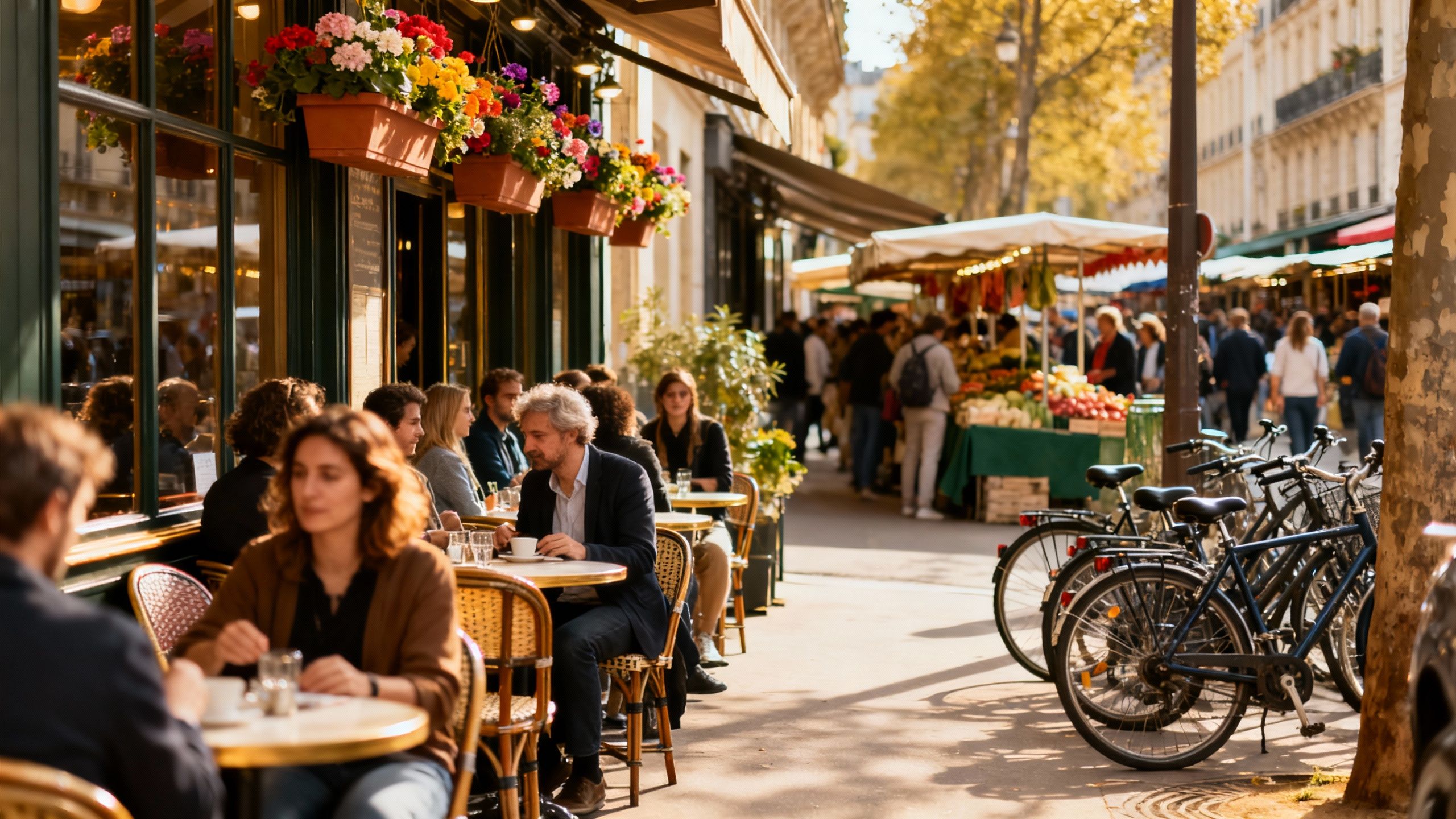
Imagine sipping an espresso at Café de Flore at 9 a.m., buying local chèvre at the Marché d'Aligre at 11, and signing preliminary purchase paperwork in the afternoon — all in one day. France moves at once deliberately local and institutionally organised: neighbourhood rhythms (markets, boulangeries, municipal services) are as important to daily life as macro indicators are to an investor. That combination — intense local colour plus a transparent statistical framework — is what makes France both irresistible and analysable.
Living the France lifestyle — daily textures that matter
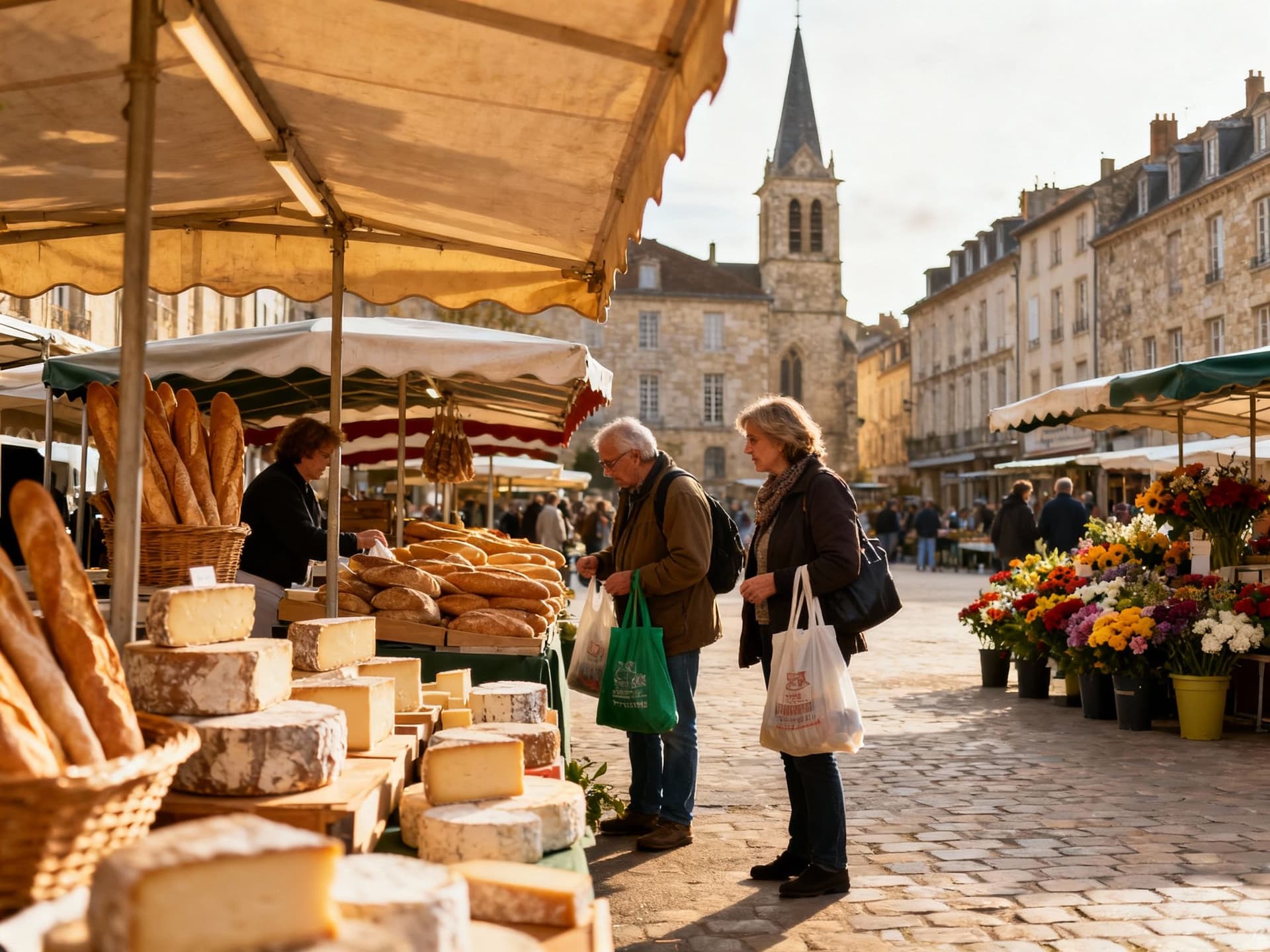
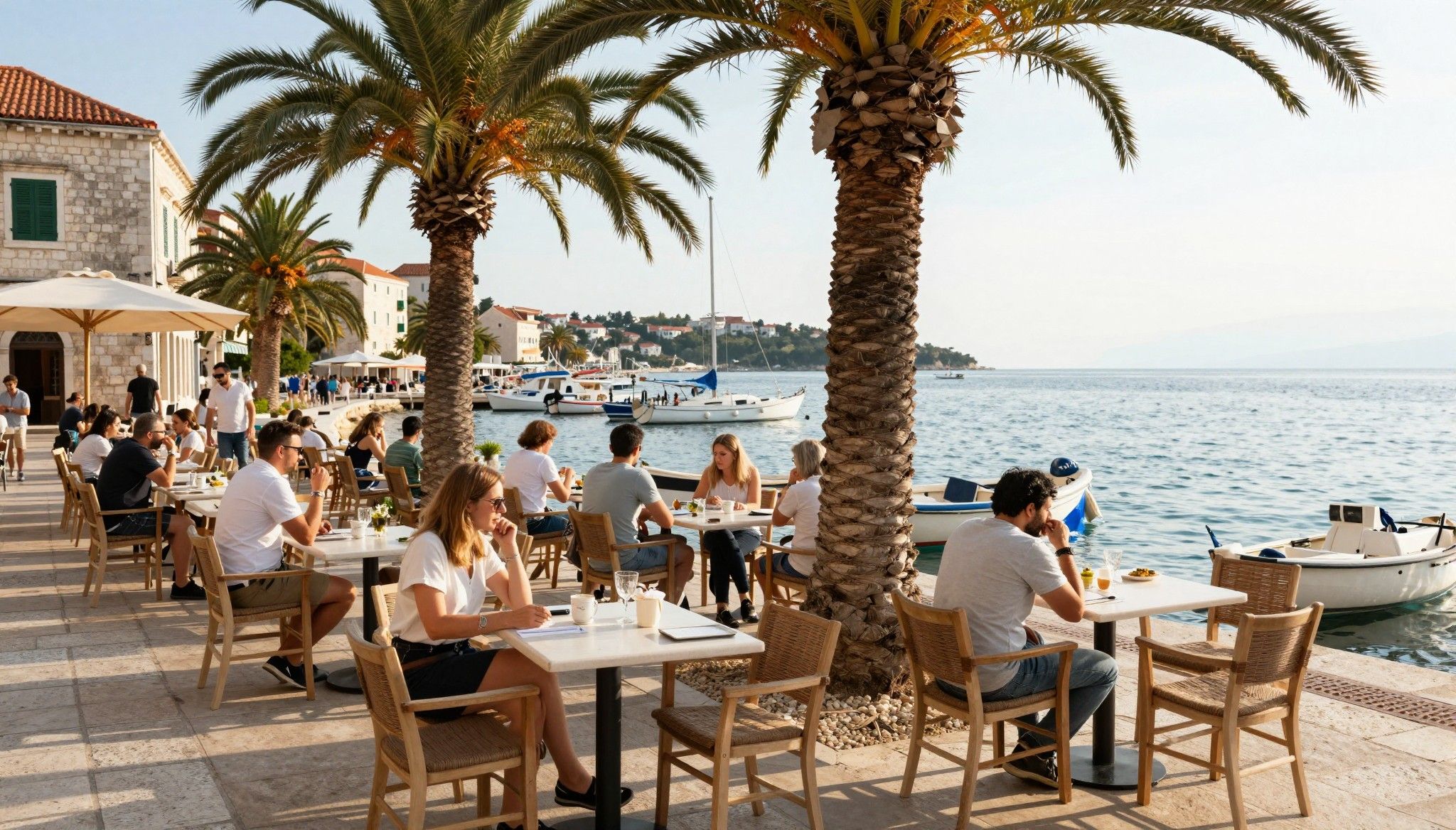
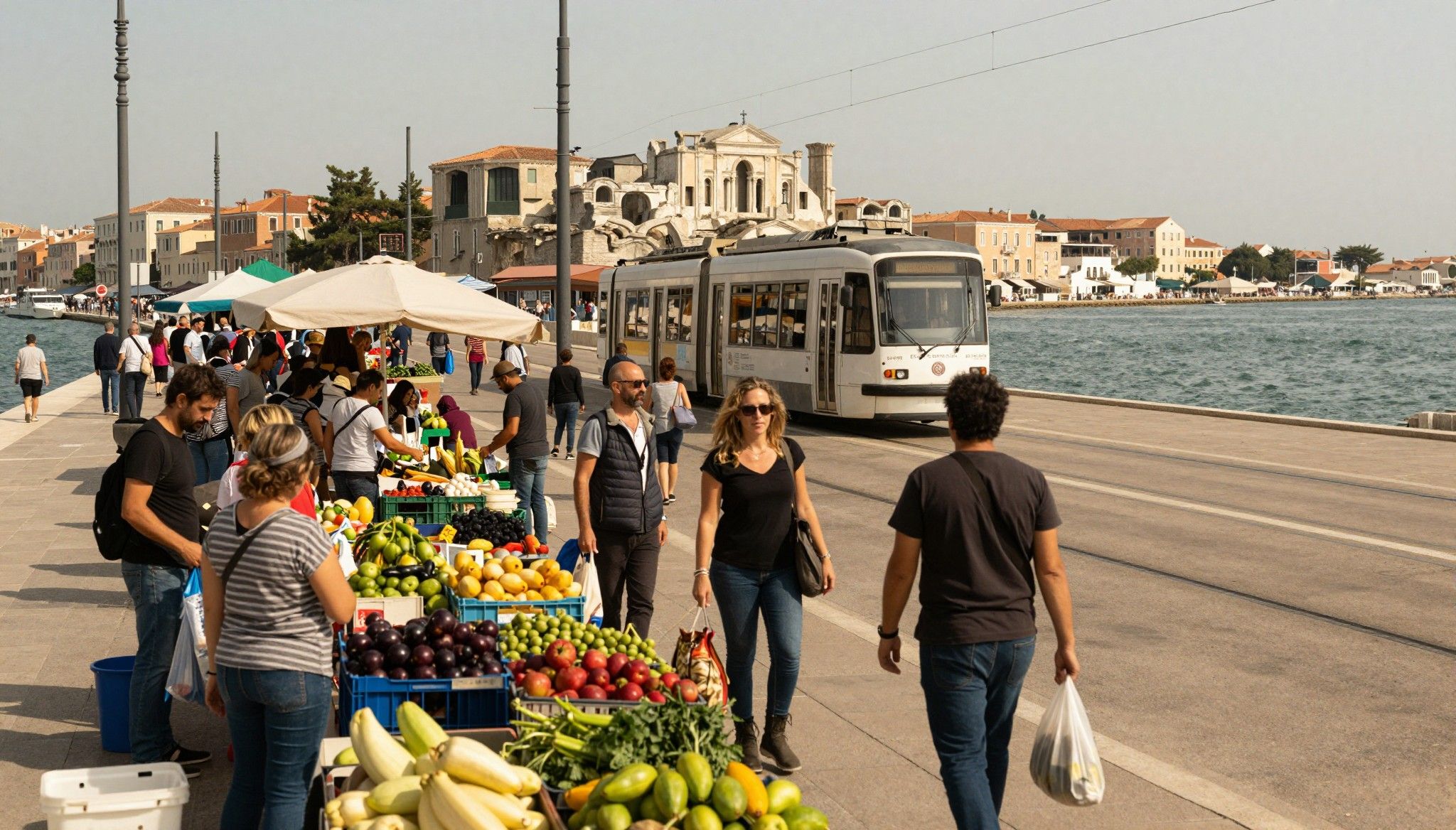
France is a set of nested lives: provincial towns where the week orbits the market day; coastal communes where the seaside dictates meal times and rental seasonality; Parisian arrondissements where streets have identities as strong as price tags. For an international buyer the appeal is sensory — scent of roasting coffee, corner fromagerie, a Sunday marché — but the decision should start with which texture of life you want to own.
Neighbourhood spotlight: Paris — arrondissements as portfolios
Strolling the 6th you inherit literary cafés and steady demand from professionals; the 11th trades slightly lower price-per-metre for vibrant bars and short-let appeal; outer arrondissements give better entry yields but longer-term capital upside is tied to transport projects and zoning. In Paris, a street is an investment variable: proximity to Metro lines, local schools and marché schedules materially shift tenant pools and yields.
Coast and countryside: Provence, Côte d'Azur and provincial towns
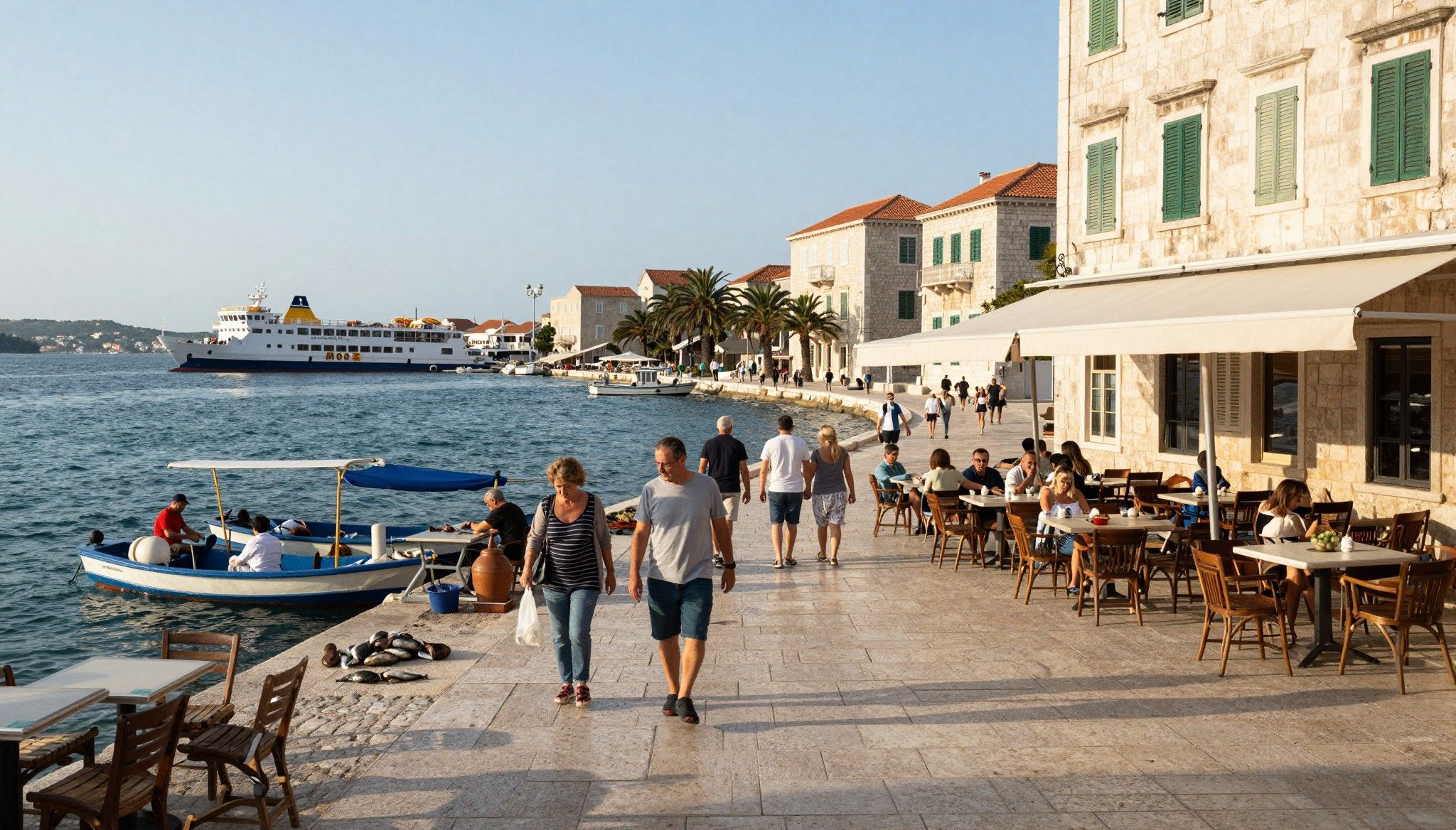
In Provence and the Riviera summer spills into property economics — short-let premiums and seasonal maintenance costs matter — whereas towns like Nantes, Rennes or Dijon offer year-round rental stability and public services that support long-term tenants. If you dream of vineyard weekends, factor in rural utility connections, access to secondary schools, and local planning rules that often restrict extensions.
- Lifestyle highlights and where they intersect with investment value: 1) Marché d'Aligre (Paris) — strong neighbourhood livability; 2) Vieux Nice promenade — tourist demand, seasonal yield; 3) Place des Lices (Saint‑Tropez) — prestige but thin rental season; 4) Rue de la République (Lyon) — student and office catchment; 5) Île-de-Ré villages — high prices, constrained supply; 6) Bordeaux Cours de l'Intendance — long-term capital market.
Making the move: practical realities that protect the lifestyle
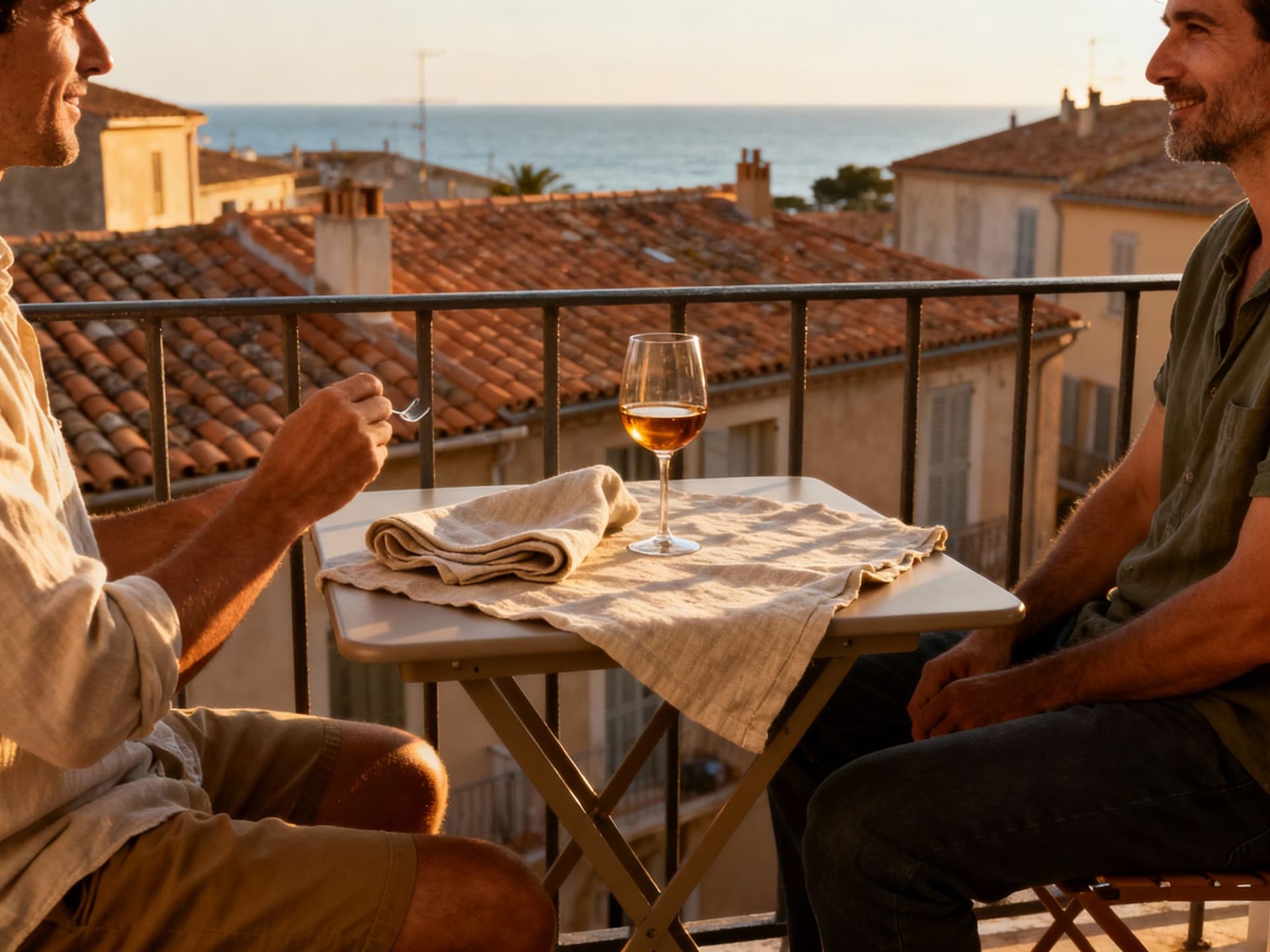
Dreams meet balance sheets. Recent INSEE figures show house prices returned to modest growth in early 2025 after a correction period, while Paris notaires reports stabilisation of Paris prices around the mid‑€9,000s per m² — conditions that shift negotiating leverage and mortgage calculus for international buyers. Use these macro cues to time viewings but decide properties on micro drivers: local demand, energy rating, and lettability.
Property styles: what you actually buy — and why it matters
Stone village houses have charm and higher upkeep; Haussmannian flats in Paris deliver compact, year‑round demand; modern block apartments near transport nodes appeal to professionals and remote workers. Energy performance (DPE rating) now influences valuation — good ratings shorten vacancy and improve net yield because tenants increasingly prefer efficient homes.
Working with local experts who understand life and law
- 1) Hire a notaire early to confirm title and servitudes; 2) Use an agent who can produce local rental comparables (loyers) and explain municipal regulations; 3) Ask for recent energy performance diagnostics; 4) Arrange a French tax advisor to model net yield after prélèvements sociaux and local taxes; 5) Inspect water, drainage and insulation for rural properties; 6) Confirm short‑let rules if you plan seasonal rentals.
Insider knowledge — expat truths that change the plan
Expats tell a common story: the neighbourhood you love at first sight may have rules or costs you didn't expect. Municipal co‑ownership charges (charges de copropriété), heating system responsibilities, and seasonal tenant turnover add predictable friction. Those frictions are manageable — but only with local intel and a realistic cash buffer.
Cultural integration and day‑to‑day life
Language matters in daily life: simple tasks — electricity contracts, school enrolment, and municipal permits — are smoother with French fluency or a trusted fixer. Social life usually forms around neighbourhood institutions: the boulangerie, the bar-tabac, the marché. Engage with them early; they are the nodes that make a place livable beyond the aesthetics.
How life changes over time — resale and community evolution
Expect the first three years to be adaptation: tenant profiles settle, renovation timings reveal true costs, and local networks form. In established markets like Bordeaux or Lyon, incremental infrastructure improvements (tram extensions, school upgrades) can lift values; in coastal hotspots, regulation on short‑lets and tourist taxes can alter returns quickly. Treat France as a series of steady compounders, not swing trades.
- Practical red flags to check before bidding: 1) Missing DPE (energy) certificate; 2) High copropriété arrears; 3) Unclear servitudes or access rights; 4) Seasonal rental restrictions in coastal municipalities; 5) Unusually low local comparable rents versus asking price; 6) Pending municipal plans that could limit extensions.
Conclusion — France gives you lived-in beauty and reliable data. Start with the life you want (market cafés, seaside weekends, or Parisian streets), then work backward with local comparables, energy diagnostics and a notaire. The lifestyle sells you on the place; disciplined due diligence protects the return. When you’re ready, an experienced local agent and a French notaire turn that morning espresso into an asset that performs as part of your global portfolio.
Swedish financier who guided 150+ families to Spanish title deeds since relocating from Stockholm in 2012, focusing on legal and tax implications.