Greece’s Short‑Let Wake‑Up: Lifestyle Love, Yield Reality
Greece’s lifestyle pulls you in; new short‑let enforcement and 2023–25 price gains change the yield equation—match neighbourhoods to verified returns.

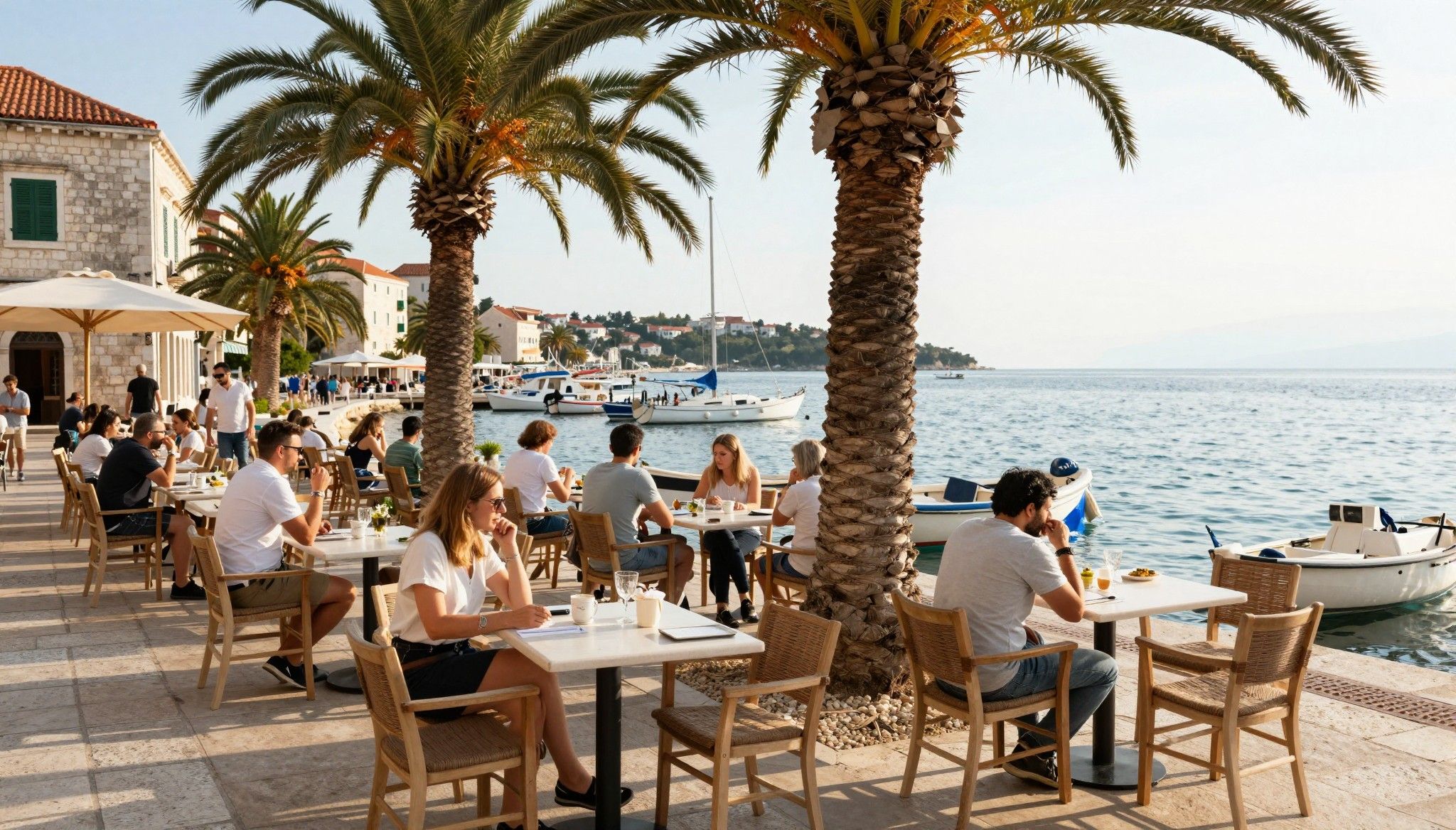
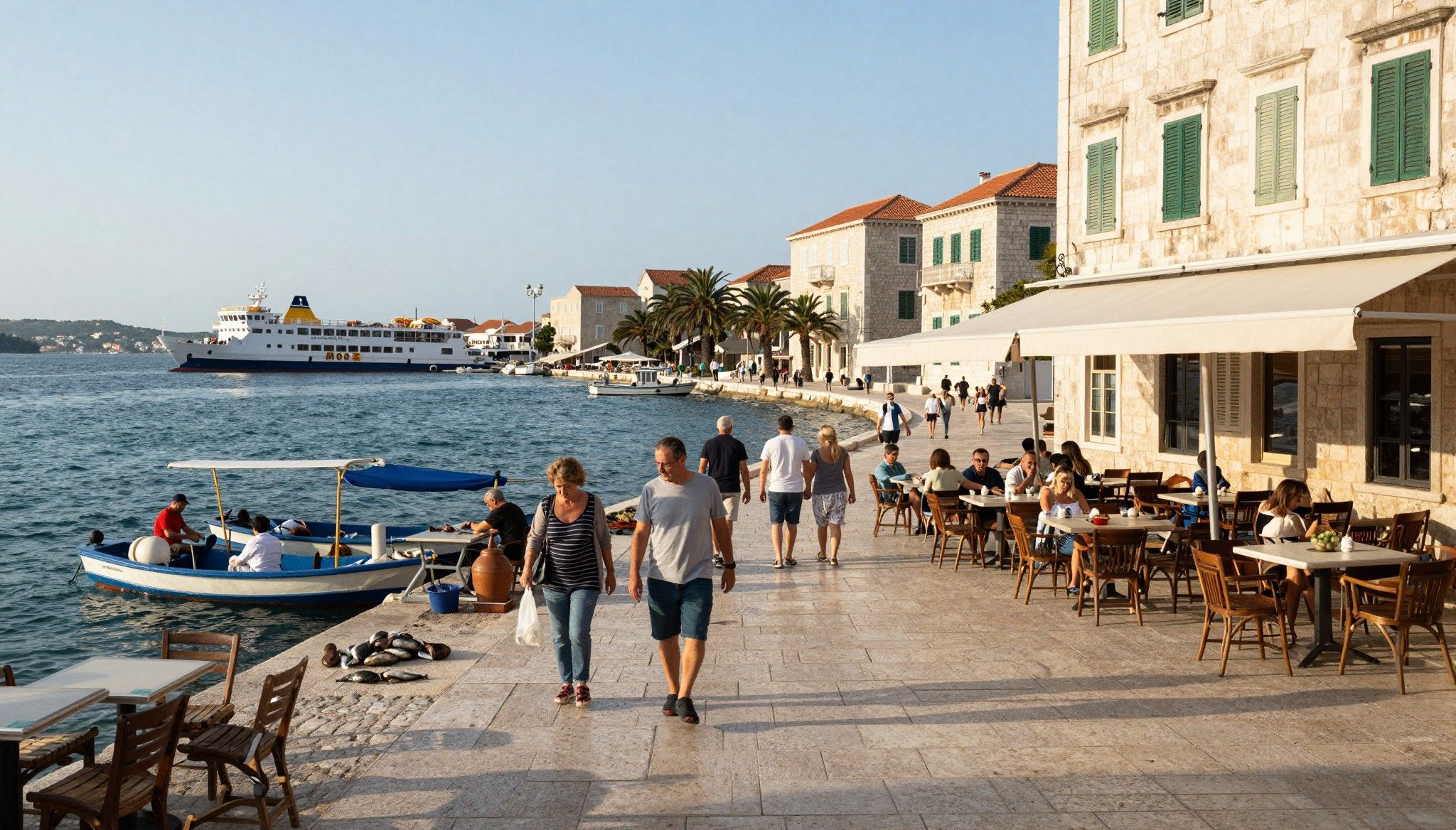
Imagine standing at a sunlit kafeneio in Plaka, espresso in hand while a delivery scooter threads past blue‑shuttered houses. Mornings here smell of sea salt and bakeries; afternoons are for shaded squares, and evenings for slow dinners under bougainvillea. That sensory script is Greece’s everyday reality — seductive, familiar and often used to pitch holiday‑rental dreams. But for international buyers who care about returns, the romance must meet arithmetic: short‑let rules are tightening and urban prices moved strongly through 2023–25, so lifestyle appeal and yield math now pull in different directions.
Living the Greek Life (and why it matters to investors)
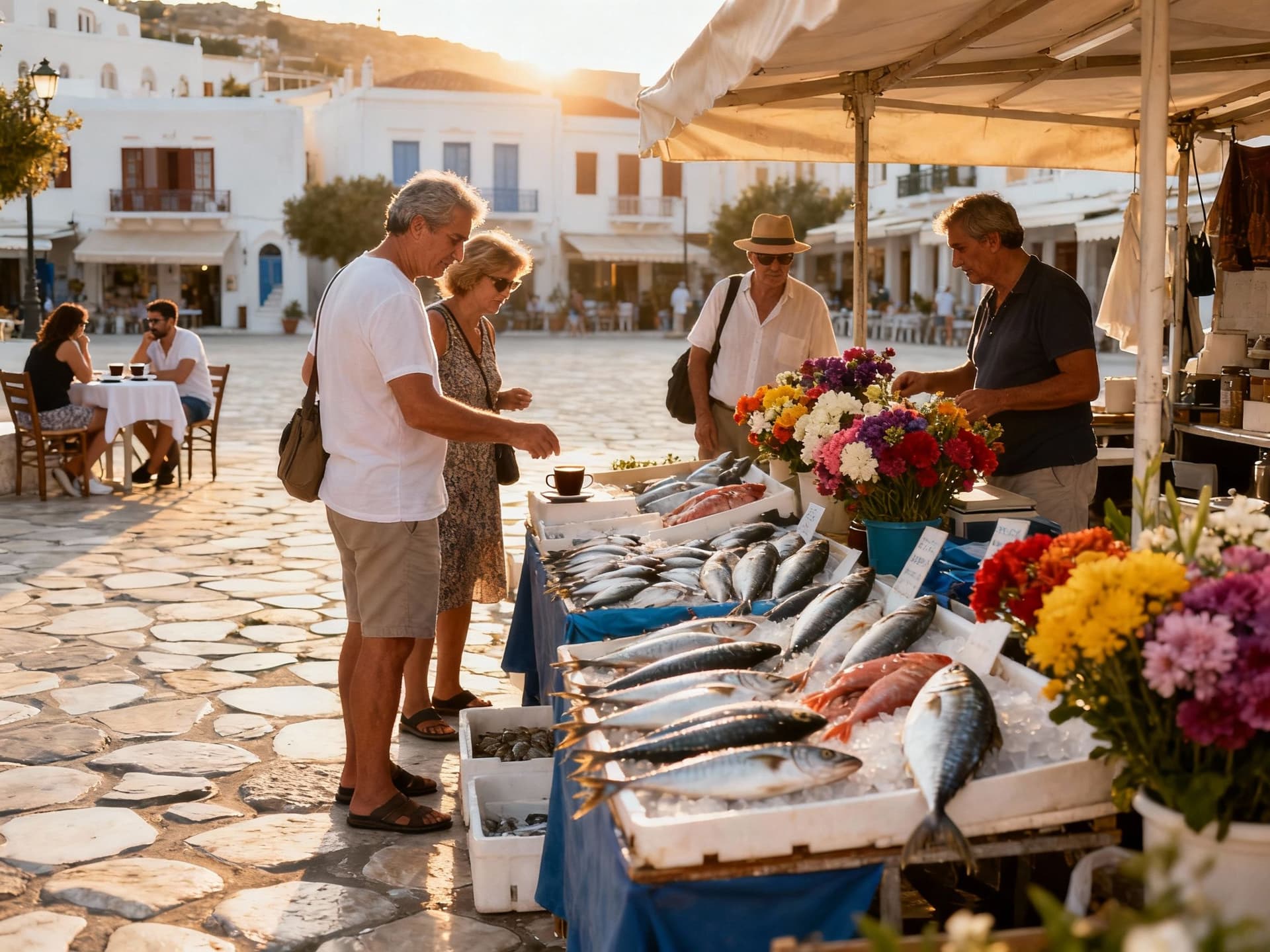
Greece’s social tempo shapes property demand: family‑centred weekends, strong local cafés, and a summer calendar of festivals that concentrates rental demand into discrete months. Cities like Athens and Thessaloniki hum year‑round with students and professionals, while islands such as Naxos or Paros pulse in high season and quiet into gentle off‑season life. For investors that means two things: urban assets give steadier year‑round occupancy; island houses can deliver higher peak rates but face deeper seasonality and regulatory scrutiny. Demographic trends — modest population growth and selective inward migration — are slowly shifting demand patterns, especially in gateway cities and attractive islands.
Athenian neighbourhoods: Athens is not a single market
Walk from Thissio’s pedestrian paths to Koukaki’s tight streets and you’ll see why buyers lumping ‘Athens’ together make mistakes. Koukaki and Mets offer café culture and short walks to the Acropolis — attractive to short‑let tourists and professionals alike — while Pangrati and Neos Kosmos combine family life with rising renovation demand. Prices, rental yields and tenant profiles differ between these micro‑markets; underwrite each neighbourhood separately rather than treating Athens as homogeneous.
Islands: the seasonal surge and the quiet months
On islands like Mykonos, Santorini and Paros, July–August occupancy can be near 90% and night rates spike. But September–May is a different market — many properties are empty or rely on long‑let local tenants. If you buy for lifestyle plus a short‑let income, accept high volatility in cash flow and the need for local property management that can convert the home between guest‑ready and owner‑ready quickly.
- Lifestyle highlights that shape where to buy:
- Koukaki (Athens) — café life, walking access to heritage and consistent short‑let demand.
- Pangrati (Athens) — local groceries, family scene, easier full‑time rental conversion.
- Thessaloniki’s Ladadika — growing food scene and student/young professional rental pool.
- Paros/Naxos — island life with slower off‑season but strong summer premiums; good for part‑time owners.
Making the Move: practical realities and market data

Dreams begin on a terrace; investment decisions begin with numbers. Greece’s house‑price index rose materially through 2023–2025 — official series show single‑digit annual increases by 2024–Q1 2025 after double‑digit peaks in 2023. That moderating but positive trend means capital appreciation remains possible, but higher purchase prices compress gross yields versus earlier cycles. Use recent price indices and local rental comparables when modelling returns rather than relying on tourist anecdotes.
Property types that match the lifestyle you buy for
Studio and one‑bed apartments in central Athens sell to short‑let investors and young expats; they deliver higher gross yields but demand disciplined management and compliance. Larger family apartments in Pangrati or peri‑urban villas in Attica suit long‑lets and owner‑occupiers who value community life. On the islands, traditional stone houses with terraces convert well to holiday lets but need investment in insulation and summer‑ready infrastructure. Match property type to target tenant profile and operating model before you make an offer.
Short‑let rules and tax enforcement you cannot ignore
Greek authorities have stepped up registration and tax checks for short‑term rentals; reports in late 2024–2025 show authorities widening inspections and fines for unregistered hosts. That regulatory tightening reduces the margin for unmanaged or 'off‑grid' short‑lets and increases operating costs for hosts who must register, report income and comply with municipal rules. For buyers relying on short‑let revenue, build registration, taxes and potential fines into your operating model and insist on documented compliance before purchase.
- A 5‑step pre‑purchase checklist blending lifestyle and yield:
- 1. Verify local market comps — obtain 12 months of rental transactions for the micro‑neighbourhood and test seasonality-adjusted cashflow.
- 2. Confirm regulatory status — ask for AMA/registration proof for properties marketed as short‑lets and model tax liabilities accordingly.
- 3. Inspect infrastructure — water pressure, insulation, cooling and internet are the unsung determiners of guest satisfaction and occupancy.
- 4. Build a management P&L — include cleaning, registration compliance, municipal tourist taxes and contingency for winter vacancy.
Insider Knowledge: expat reality and the social rules that shape life
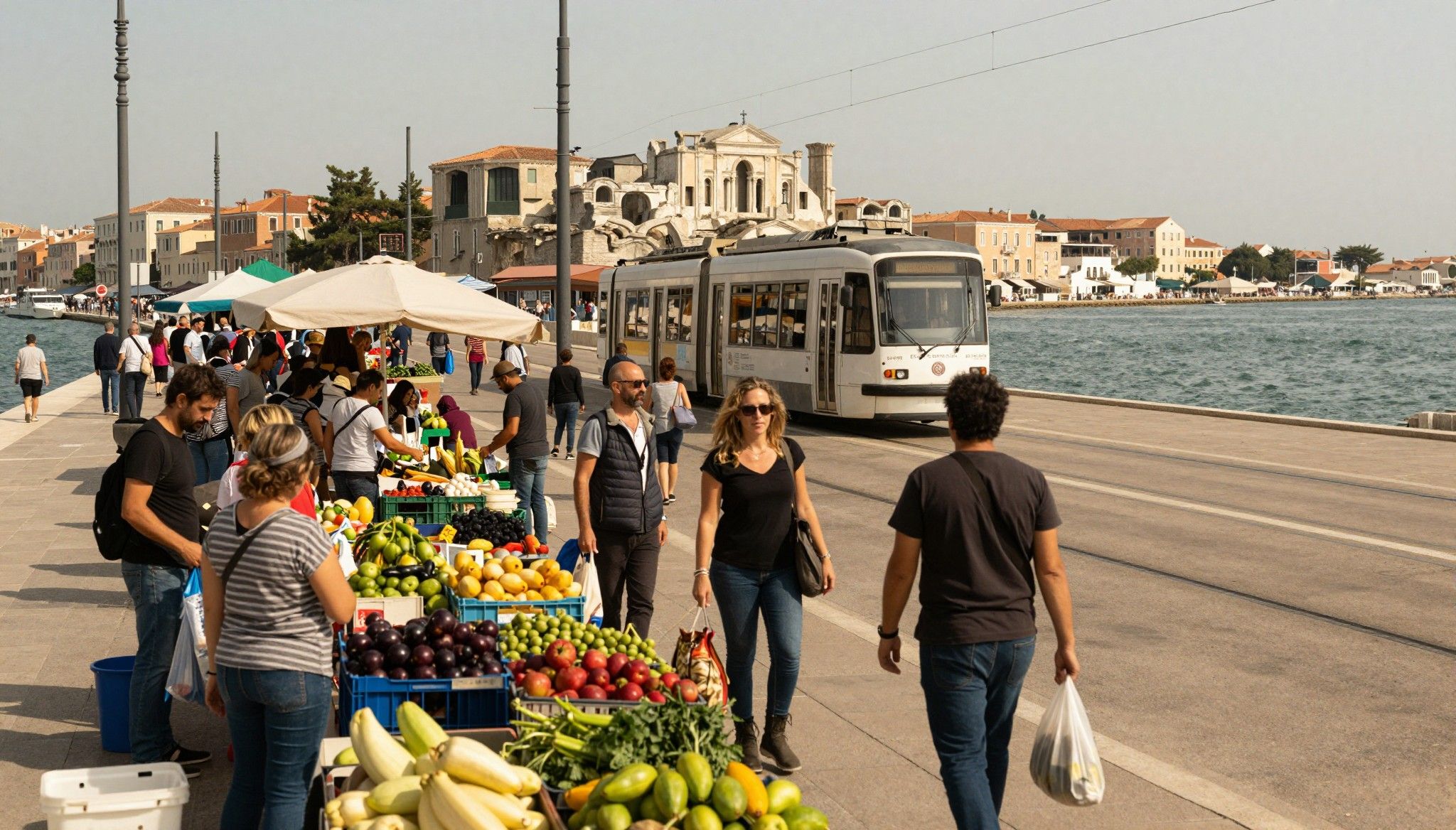
Expats tell a consistent story: language is a door, neighbourhoods open that door. Learning basic Greek phrases, attending local kafes, and shopping at municipal markets earns quicker social trust than glossy rental listings. That trust feeds occupancy — local introductions produce longer lets or reliable mid‑season bookings that an algorithm cannot. Practicalities like bank accounts, utility transfers and certified translations of documents are often the longer timeline in a purchase, not the ceremony of signing.
Integration, community and long‑term value
Long‑term owners in Greece emphasise community ties: neighbours who look after the building, local tavernas that refer tenants, and a municipal willingness to support small renovation projects. These social assets convert into lower turnover, more stable rents and, over a decade, measurable capital preservation — especially in tightly knit neighbourhoods where renovation standards are rising. When you model 10‑year returns, include lower vacancy and repair advantages that community integration provides.
What buyers wish they’d known earlier
Buyers repeatedly regret underestimating the cost of making an island home winter‑ready, the time required to register rentals legally, and the benefit of a local agent who understands both lifestyle and compliance. They also underprice internet reliability and heating/cooling costs — practical items that affect guest reviews and long‑let desirability. The quickest way to avoid these errors is to demand line‑itemed historic operating statements from the seller and to visit in both high and low season.
- Quick red flags when a Greek property is marketed as 'investment ready':
- No proof of AMA/short‑let registration or conflicting tax documentation.
- Overstated occupancy figures without verifiable booking platform exports or management statements.
- Neglected infrastructure items—poor insulation, weak internet, or unreliable water pressure—common in island stock.
Conclusion: fall in love deliberately — then underwrite the reality
Greece offers a rare conjunction: everyday Mediterranean life with identifiable investment pathways. Recent data show price growth moderating but positive through 2024–Q2 2025, while authorities are enforcing short‑let rules more rigorously — both facts change the operating model for international buyers. If you want the lifestyle, pick the neighbourhood that matches your rhythm; if you want yield, insist on verifiable numbers and compliance. Use a local agency that combines lifestyle knowledge with finance‑first underwriting — that alignment is how you keep the romance without compromising returns.
British expat who moved to the Algarve in 2014. Specializes in portfolio-focused analysis, yields, and tax planning for UK buyers investing abroad.