How Malta’s 'Golden Passport' Past Repriced Neighbourhoods
Malta’s glamour and past citizenship‑by‑investment era reshaped prices; smart buyers pair lifestyle picks with AIP-aware underwriting and neighbourhood selection to protect returns.
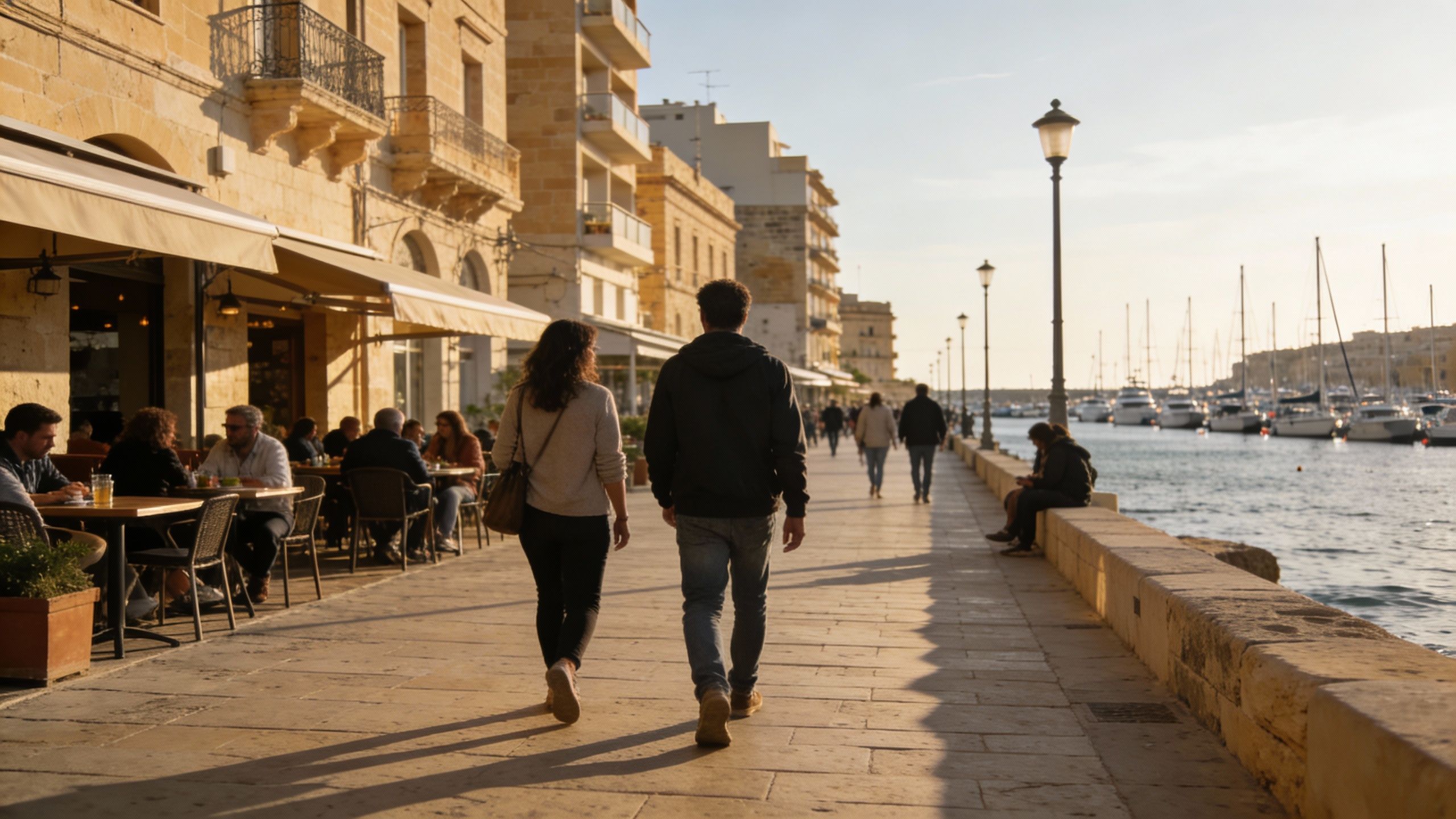
Imagine the hum of Sliema’s seafront cafés at 9am, the sound of Maltese sparrows and the click of espresso cups — then a two-minute walk into a quiet 19th‑century street where scaffolding hides a converted maisonette with tenants on fixed-term leases. Malta feels small and storied; its property market feels noisy and global. Understanding why one neighbourhood trades like a trophy while the next quietly delivers 5–6% gross yields is where smart buyers make a difference.
Living the Malta lifestyle

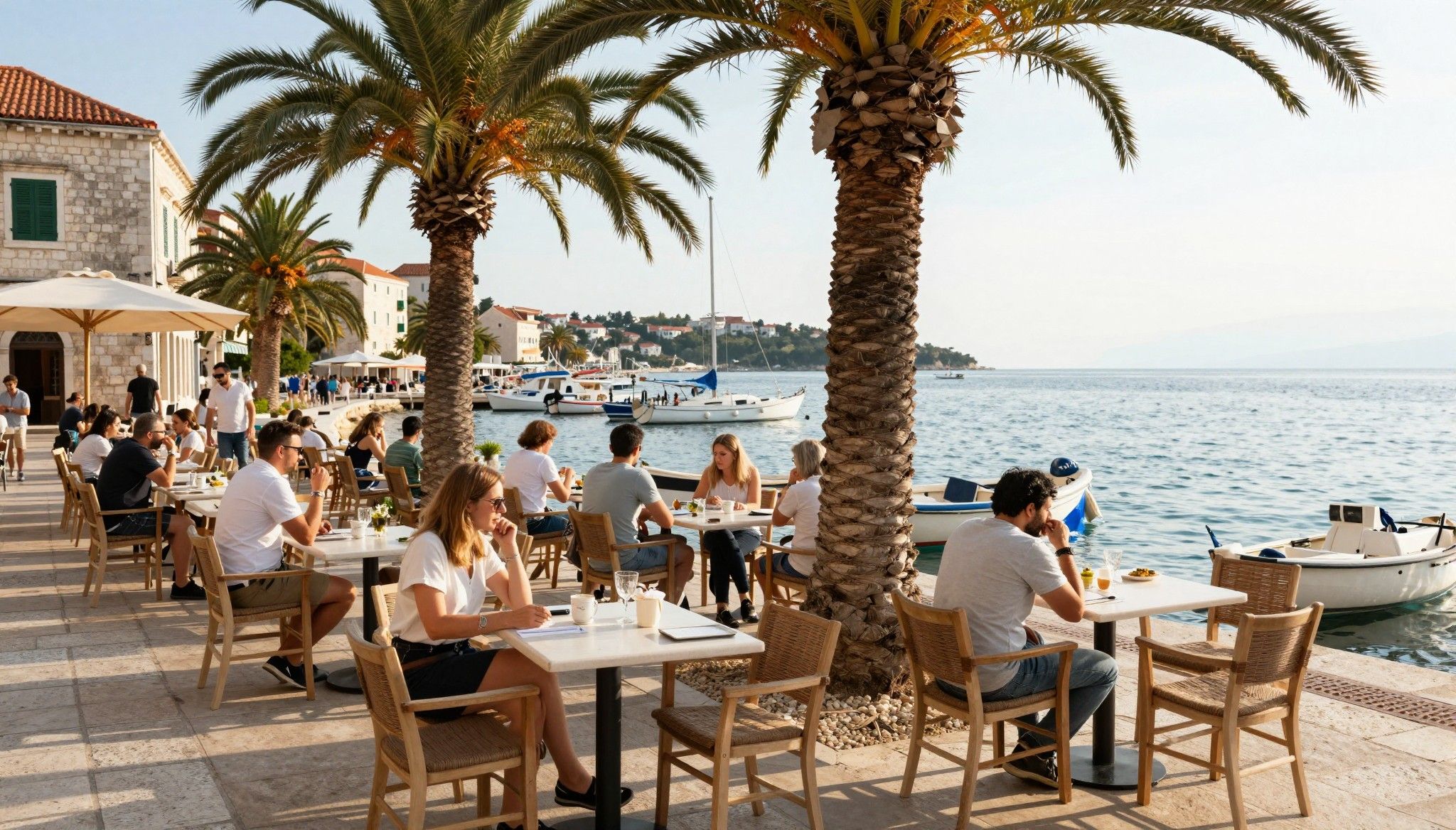
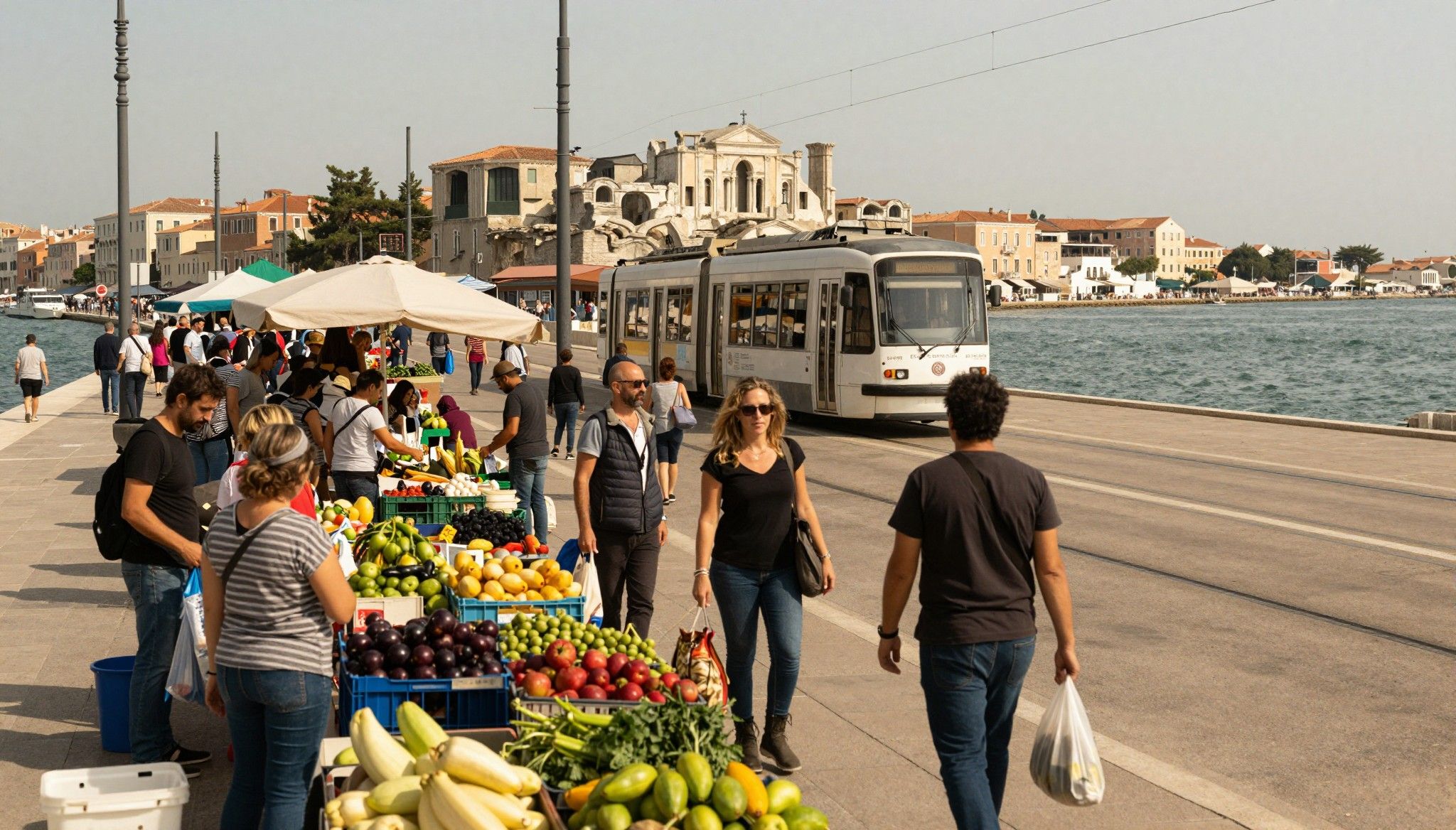
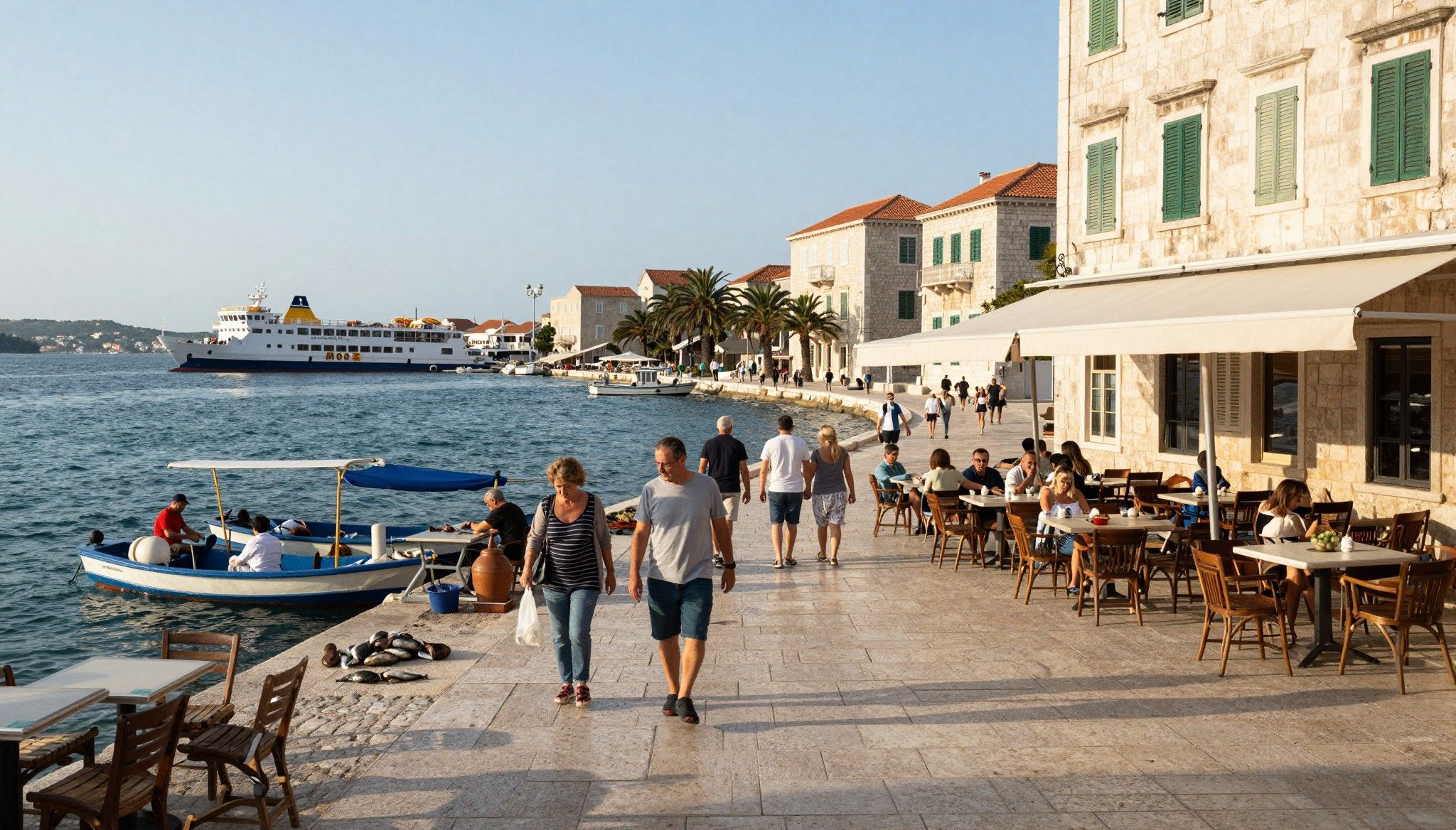
Malta’s rhythm is compact. Valletta’s limestone grids mean errands, theatre, and bakery runs happen on foot. St Julian’s pulses with nightlife and short‑stay demand; Gzira and Sliema trade hilltop views and cafe culture. Weekends mean the Marsaxlokk fish market on Sunday mornings and a family swim at Golden Bay. For buyers, life here blends urban convenience with Mediterranean habits — late lunches, strong coffee, and neighbours who remember names.
Neighbourhood spotlight: Valletta and the Three Cities
Valletta is theatre, government offices and boutique hotels packed into a few streets — characterful apartments, high ceilings and limited parking. The Three Cities (Vittoriosa, Senglea, Cospicua) feel more local: harbourside barrows, craftsmen, and modest stock that often rents to long‑term residents and maritime workers. These areas suit buyers wanting cultural density and predictable long‑term tenants rather than tourist peaks.
Neighbourhood spotlight: Sliema, Gzira and St Julian’s
Sliema and St Julian’s are the island’s liquidity centres: modern blocks, seafront promenades, and a high churn of short lets and corporate tenants. Gzira sits between them — quieter, with lower entry prices and surprisingly steady demand from students and young professionals drawn to the University of Malta and remote‑work hubs.
- Lifestyle highlights: cafes, beaches and hidden corners
- Morning espresso at Caffe Cordina in Valletta; a Sunday fish lunch at Marsaxlokk; aperitifs on the Sliema promenade; sunset swims at Dingli Cliffs; brunches in Ta’ Xbiex marina.
Making the move: practical considerations
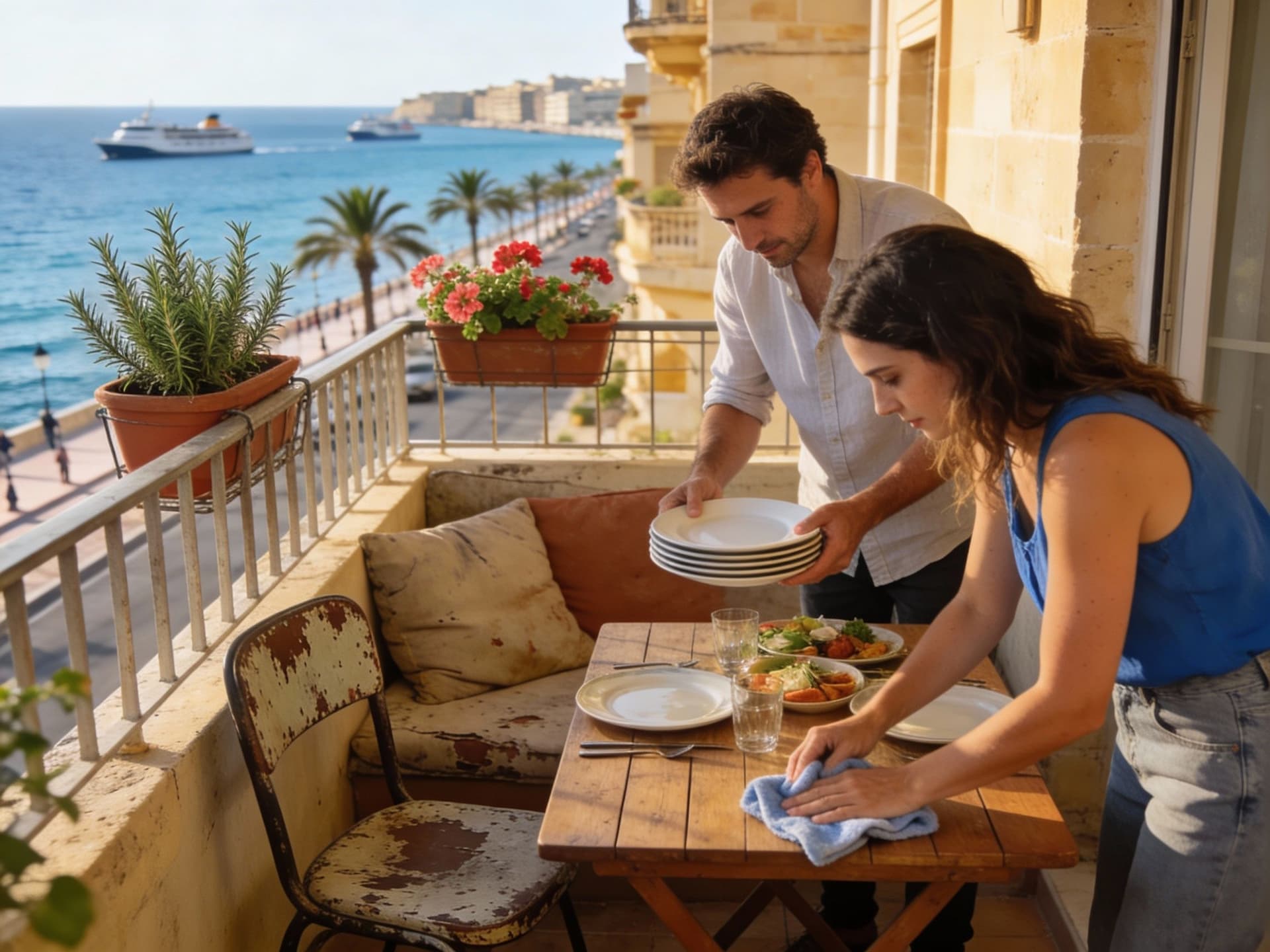
The lifestyle is persuasive — but Malta is also legally compact. Non‑residents face acquisition permits (AIP) and defined special designated areas (SDA) where foreign buyers have more freedom. These rules affect supply, which in turn shapes prices and yield profiles across neighbourhoods. Treat regulations not as paperwork but as an underwriter of future returns.
Property styles and what they mean for returns
Traditional townhouses and converted maisonettes command premium per square metre but tend to attract long‑term tenants and higher maintenance. Newer apartment blocks near the promenade deliver easier management and predictable short‑to‑medium term yields but face stronger competition from holiday lets. For yield‑minded buyers, mid‑range flats in Gzira or parts of Sliema often balance price per sqm and steady demand.
Working with local experts who know the rhythm
Agencies that understand both the lifestyle and the AIP system will guide site selection (SDA vs non‑SDA), leasing strategy and property management. Good local agents align tenant profiles to neighbourhood character — corporate lets near St Julian’s, families in Mellieħa, students in Msida — reducing vacancy risk and improving net yields.
- Steps to marry lifestyle with return: 1) target two neighbourhoods — one lifestyle, one yield; 2) verify AIP/SDA status before offers; 3) model gross and net yields including management and holiday‑let seasonality; 4) price in maintenance for limestone buildings; 5) set realistic rent expectations based on tenant mix.
Insider knowledge: what expats wish they'd known
Price momentum matters: official statistics recorded a ~5% increase in Malta’s residential price index from 2023 to 2024, reflecting tight supply and steady demand. Combined with policy debates and the legacy of citizenship‑by‑investment programs, these forces created pockets of absentee ownership and speculative builds. For buyers, that history means some high‑profile districts are priced for story more than steady rental income.
Cultural integration, language and community
English is an official language and integration is straightforward by Northern European standards — yet social life runs on local rhythms. Neighbourhood councils, festa traditions, and small‑scale retail shape daily interaction. Buyers who show respect for local customs and invest in a property that fits the street (no over‑modern facades in tightly conserved lanes) achieve better community acceptance and steadier tenancies.
Long‑term lifestyle and market evolution
Malta’s limited land and planning constraints make location durable. Expect coastal promenades and central neighbourhoods to resist major supply shocks; peripheral villages may see episodic development. Buyers should stress‑test returns for policy changes (AIP rules, tourism regulations) and seasonality, particularly if modelling short‑stay revenue streams.
- Expat lessons learned: • Check AIP/SDA status early • Price limestone maintenance into 10‑year forecasts • Align tenant strategy to neighbourhood (students vs corporates) • Expect 3–6 month off‑season softening for holiday lets • Use local property managers for compliance and yields
If you love Malta for its cafés, its compact neighbourhoods and year‑round light, you can buy in ways that protect that lifestyle while producing reliable returns. Start with a neighbourhood diagnosis (SDA status, tenant mix, recent price movement), use local specialists to parse AIP rules, and model conservative yields that assume 10–15% management and maintenance costs. The result: a move that feels local and performs like an asset.
British expat who moved to the Algarve in 2014. Specializes in portfolio-focused analysis, yields, and tax planning for UK buyers investing abroad.