Italy’s 'Expensive' Tag Misleads Yield‑Focused Investors
Italy’s price headlines hide regional pockets with stronger yields; match neighbourhood rhythms to yield models and prioritise renovated existing stock, transport links and seasonality.
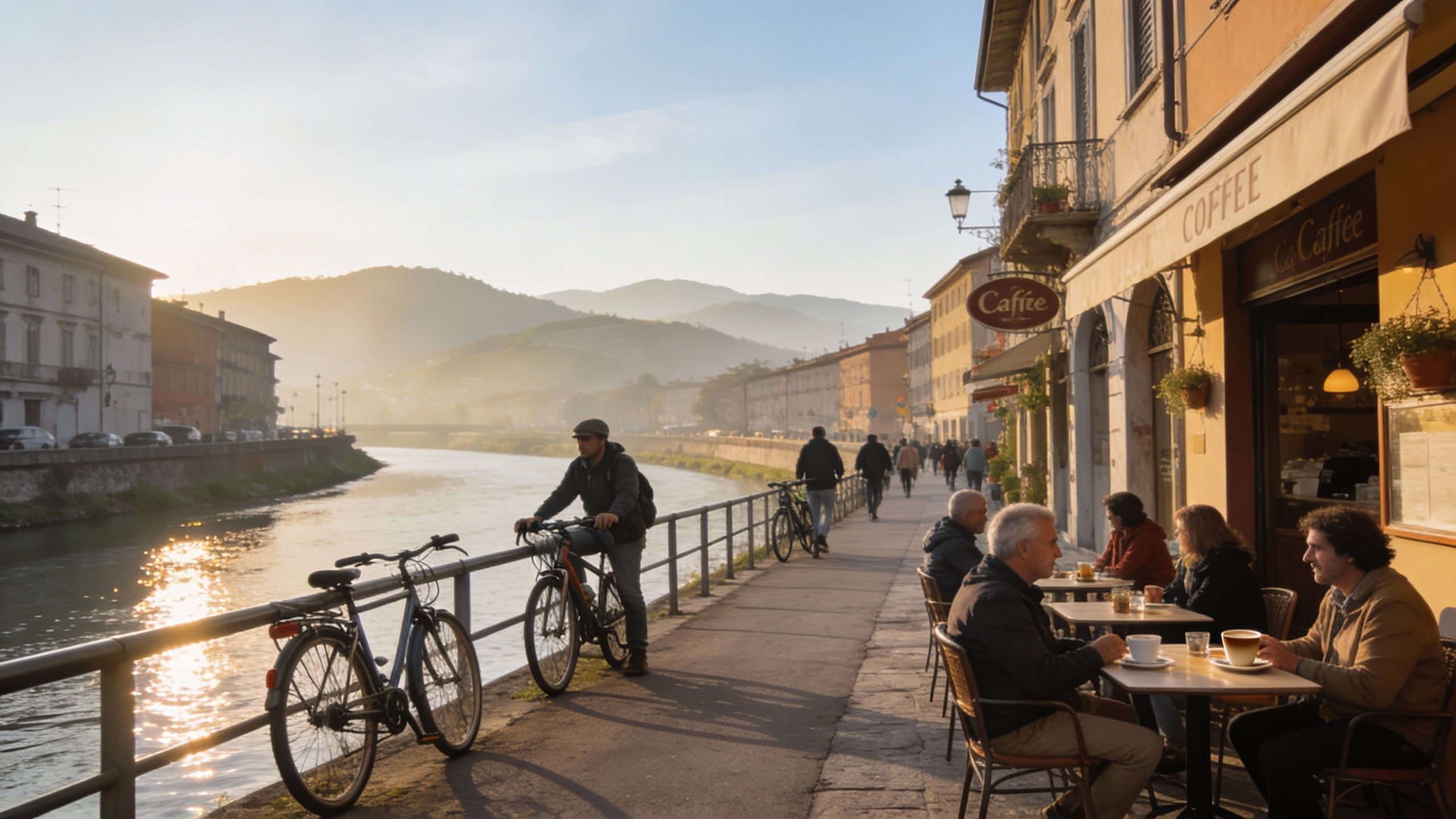
Imagine sipping a morning espresso on Via del Governo Vecchio in Rome, then hopping a train to a vineyard in Puglia by lunchtime. Italy folds together ritual and utility — cafe life, weekly markets, dramatic coastlines — into neighbourhoods that rent well to tourists and long‑stay tenants alike. This article challenges the shorthand that "Italy is expensive" and shows where lifestyle and yield meet in unexpected places.
Living the Italy lifestyle — why it matters to investors
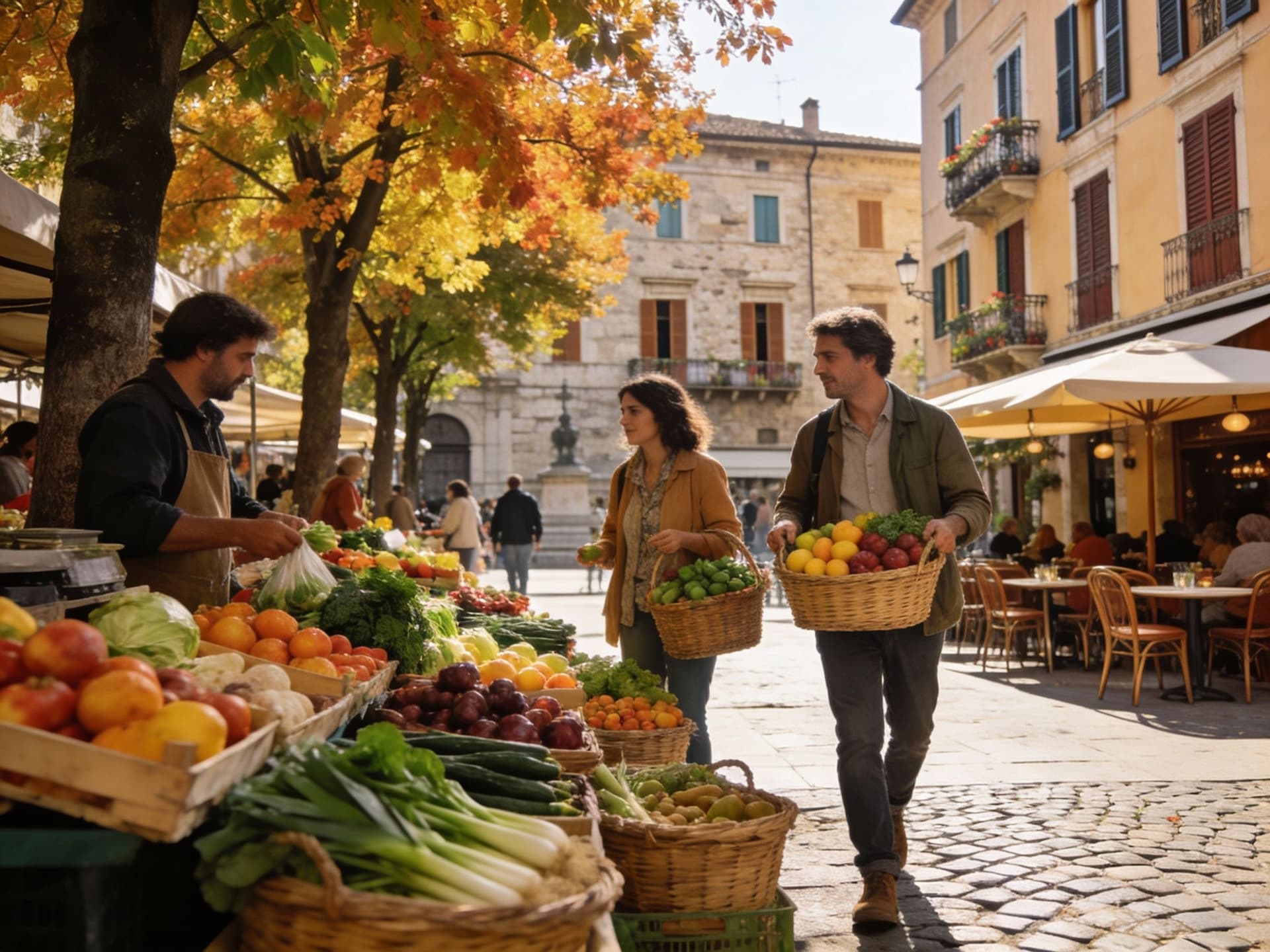
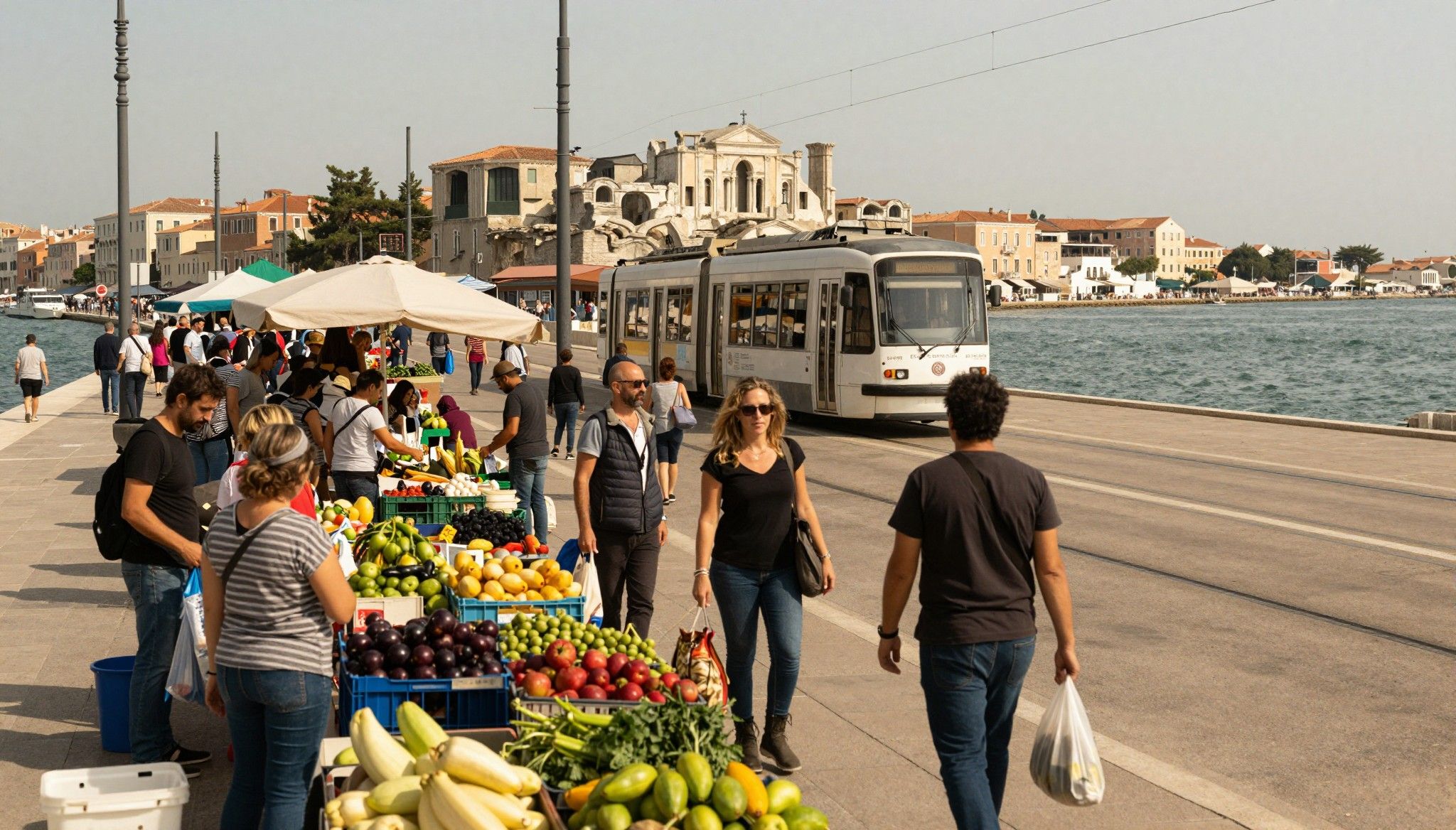
Daily life in Italy is neighbourhood‑centred: piazzas, corner bars, and covered markets drive footfall that supports short‑stay rental income and steady long‑term demand. While headline prices concentrate on Milan and Florence, the national average price per square metre varies widely — creating pockets where cap rates and lifestyle are both attractive. Recent national HPI data shows price growth concentrated in existing stock, not new builds, which favours buyers comfortable with renovated historic units.
City centre vs. coastal towns: a texture of choices
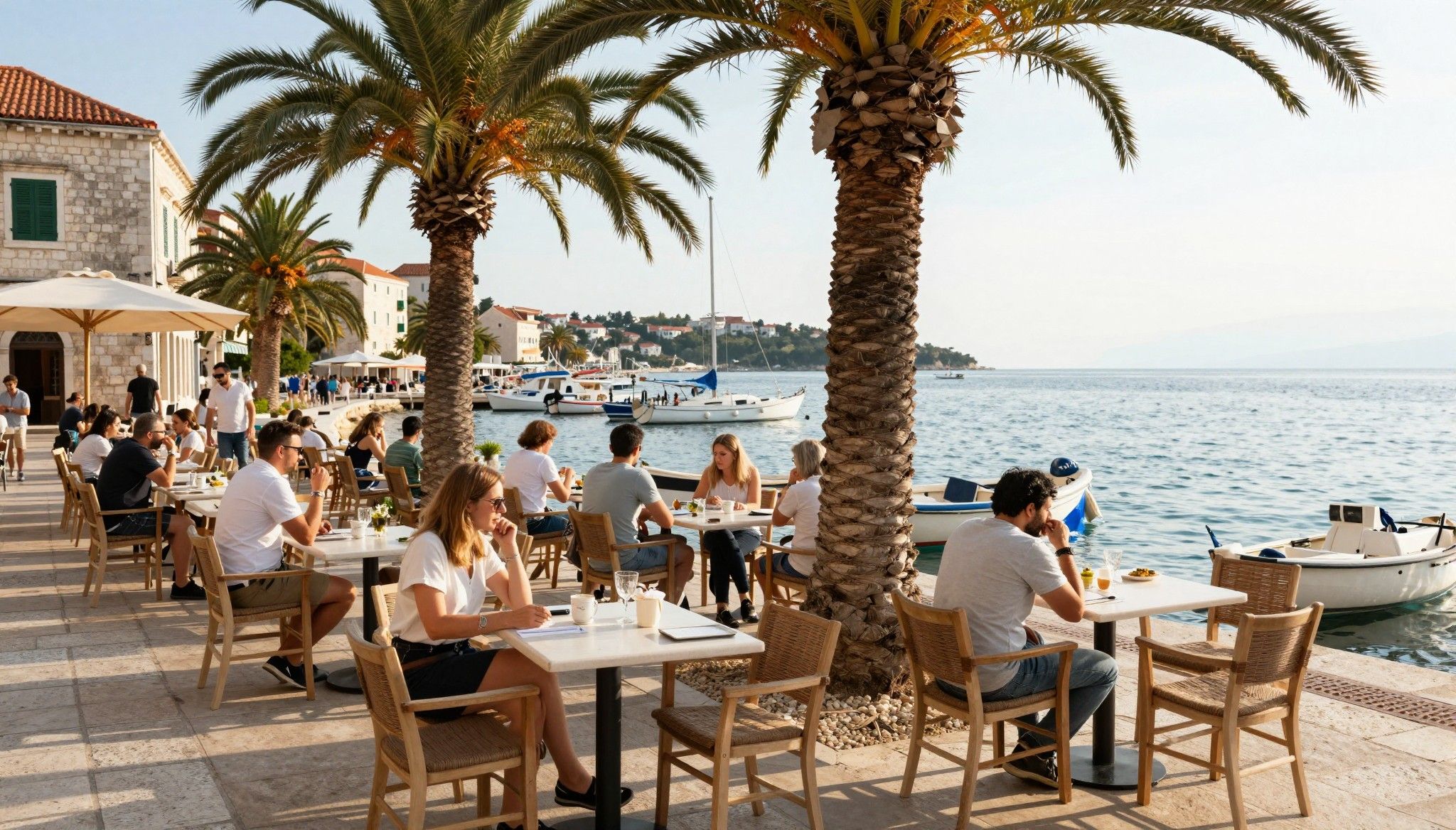
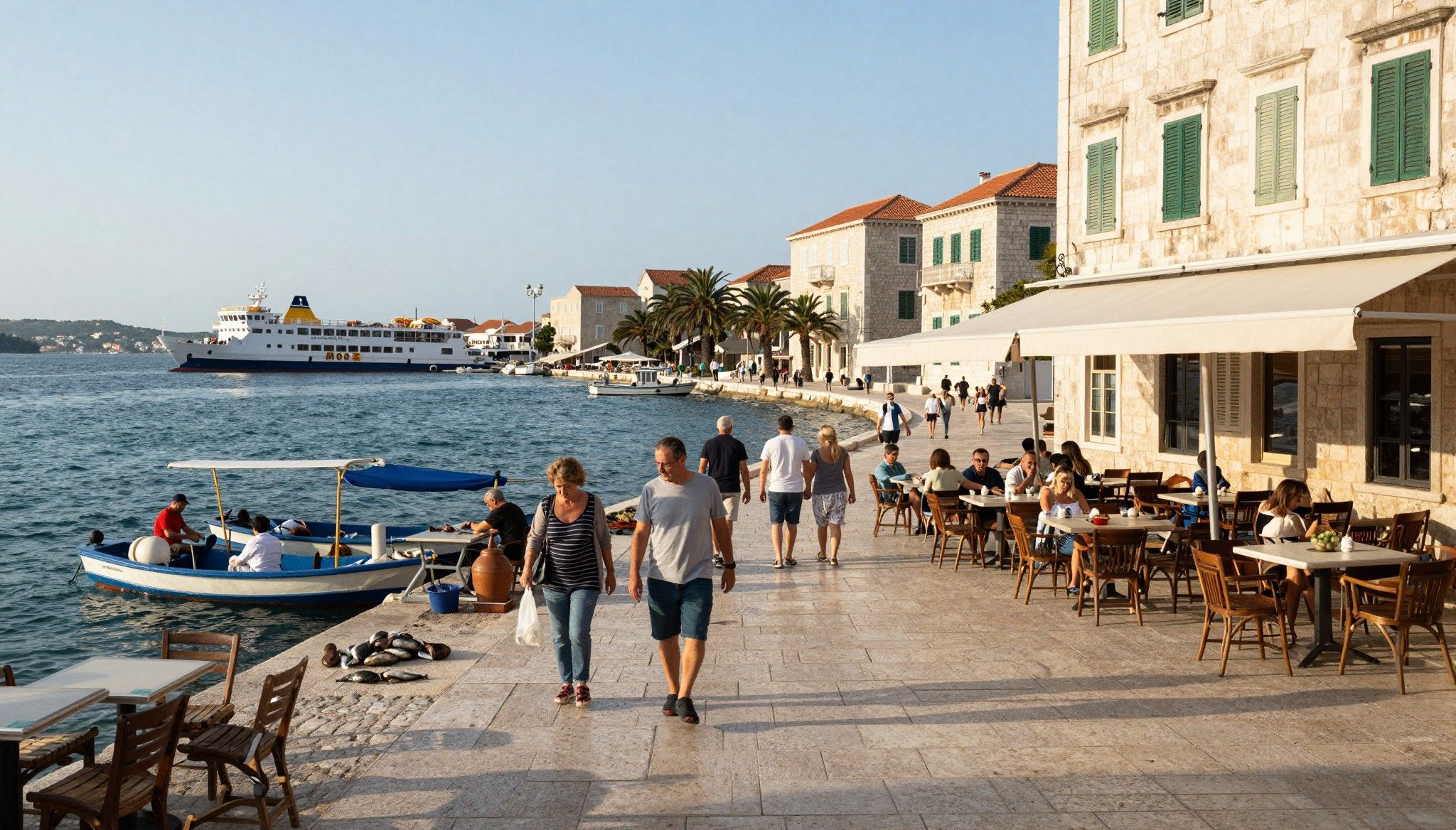
Milan, Venice, and Florence headline price lists, but a wallet‑sized investment in Calabria or Puglia buys more square metres and access to growing seasonal tourism. For lifestyle buyers, that means substituting daily opera houses for wide terraces, market mornings for quiet beaches — and for investors, it means structurally higher yields where entry price per sqm is lower.
Lifestyle hotspots that also perform
Picture walking past Caffe Florian in Venice at dawn, or picking figs in an Umbrian orchard; those experiences attract tenants and buyers. But look beyond the marquee names: Genoa’s harbour regeneration and smaller Tuscan hill towns near transport nodes are producing consistent rental demand without Paris‑level prices.
- Lifestyle highlights to weigh alongside yield:
- Daily market culture — Campo de’ Fiori (Rome), Mercato Centrale (Florence) — sustains short‑stay and long‑let interest
- Transport nodes — Stations (Milano Centrale, Napoli Centrale) and new high‑speed links that expand commuter catchments
- Seasonal anchors — festivals, truffle/hospitality seasons and summer coastlines that lift occupancy and allow premium nightly rates
Making the move: practical considerations that preserve yield
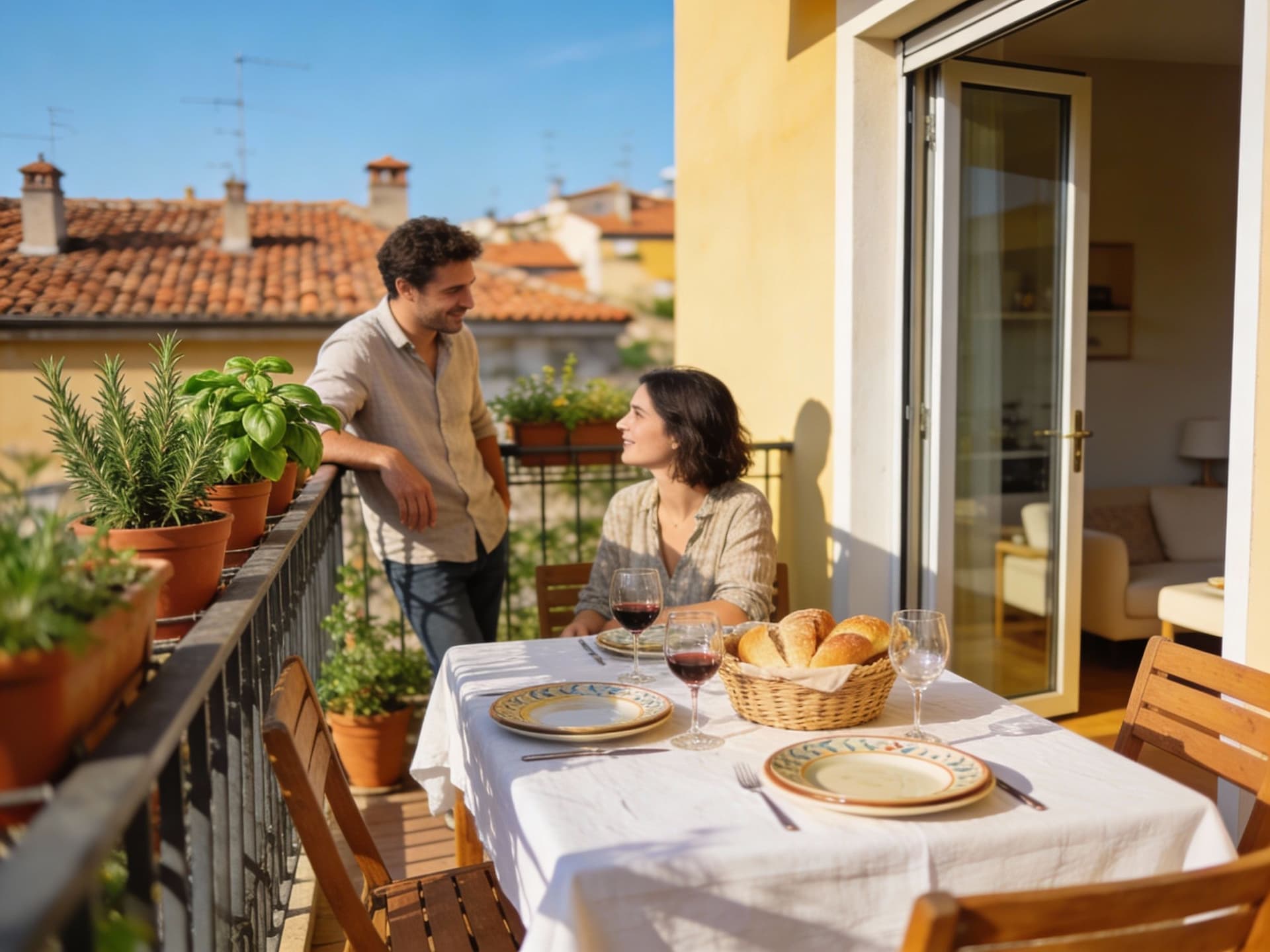
Lifestyle sells the dream; numbers protect returns. Italy’s HPI rose in 2025 driven by existing stock, and sales volume growth signals liquidity — but regional dispersion matters. Use price‑per‑sqm, vacancy rates, and seasonal occupancy to test any lifestyle purchase as an investment. Assume renovation budgets and local management fees when calculating net yield.
Property types and how they map to life and returns
Historic centre apartments: high demand for short‑stay visitors, higher maintenance and stricter renovation rules. Coastal villas: strong summer rental income but seasonality and insurance costs. Rural stone houses: lower purchase price per sqm and appeal to long‑stay tenants or agritourism, but require infrastructure checks. Align property type with intended use: tourist short‑lets, long‑lets to locals, or hybrid models.
How local experts convert lifestyle brief into investable assets
- Steps a good local agency will run with you:
- 1. Translate lifestyle wish‑list (markets, cafes, transport) into a set of measurable filters: price/m², expected gross yield, occupancy seasonality.
- 2. Run comparable rents and short‑stay performance on the exact street or building; adjust for management and legal constraints.
- 3. Stress‑test renovation scenarios (timelines, permits, energy upgrades) and provide a net‑of‑costs yield forecast.
Insider knowledge: the inconvenient truths expats learn late
You’ll hear alluring stories — a cliffside townhouse with sea views, an abandoned farmhouse to restore — but local rules, seasonality and realistic tenant profiles shape whether those stories translate into returns. Regeneration projects (for example, Genoa) create opportunity but also timing and execution risk. Expect a learning curve on permits, energy rules and local contractor markets.
Cultural and seasonal factors that change where you should buy
Tax incentives (flat tax options for wealthy new residents) and regional residency rules can change demand profiles quickly. Seasonality matters: coastal towns spike in summer, inland hill towns perform better across shoulder seasons. Language and social norms affect tenancy — negotiation is often local and relationship‑driven, so use a bilingual local manager.
Long‑term lifestyle sustainability
Ask whether the lifestyle you crave will exist in five to ten years. Look for infrastructure projects, demographic trends and municipal budgets that support tourism and resident services. Regeneration programmes and high‑speed rail expansion broaden catchment areas; areas connected to these projects often outperform purely romantic picks.
- Red flags to avoid:
- Unrealistic revenue proxies based on peak‑season rates without occupancy modelling
- Properties with unresolved legal or heritage constraints that block necessary upgrades
- Overpaying for a 'view premium' when transport and services are weak
Conclusion: Italy isn’t a single market; it’s a mosaic. If you treat it that way — matching the precise neighbourhood rhythm (market mornings, ferry schedules, festival calendars) to a rigorous yield model — you can buy a life you love and an asset that performs. Next step: brief a local analyst with a three‑line lifestyle brief and ask for a price/m², expected gross yield, and a renovation contingency estimate for three target neighbourhoods.
Norwegian market analyst who relocated from Oslo to Mallorca in 2016, guiding Northern buyers through regulatory risk, currency hedging, and rentability.