Italy: Lifestyle Choices That Reprice Your Yield
Italy's lifestyle-rich neighbourhoods hide hidden yield patterns — learn which micro‑locations and practical steps align daily life with reliable rental returns.

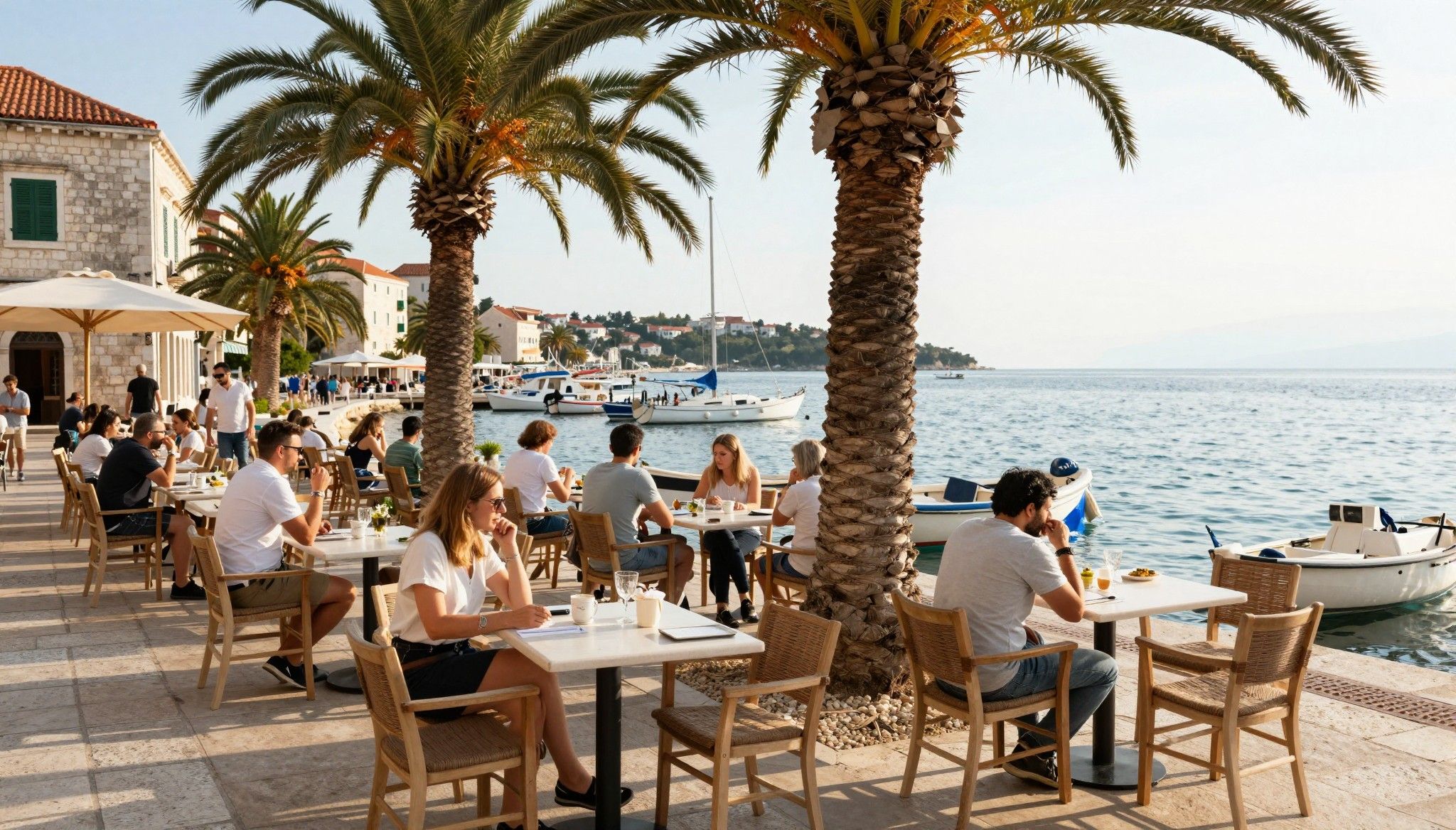
Imagine sipping a late-morning espresso on Via dei Condotti, then walking five minutes to a cobbled piazza where an open market sells burrata and mandarins. Italy's rhythm — the municipal bells, the barista who knows your order, the afternoon pausa — shapes where people buy, rent and live. For international buyers the question is not only which view to wake up to, but which daily pattern you want the property to support.
Living the Italy lifestyle: textures that matter
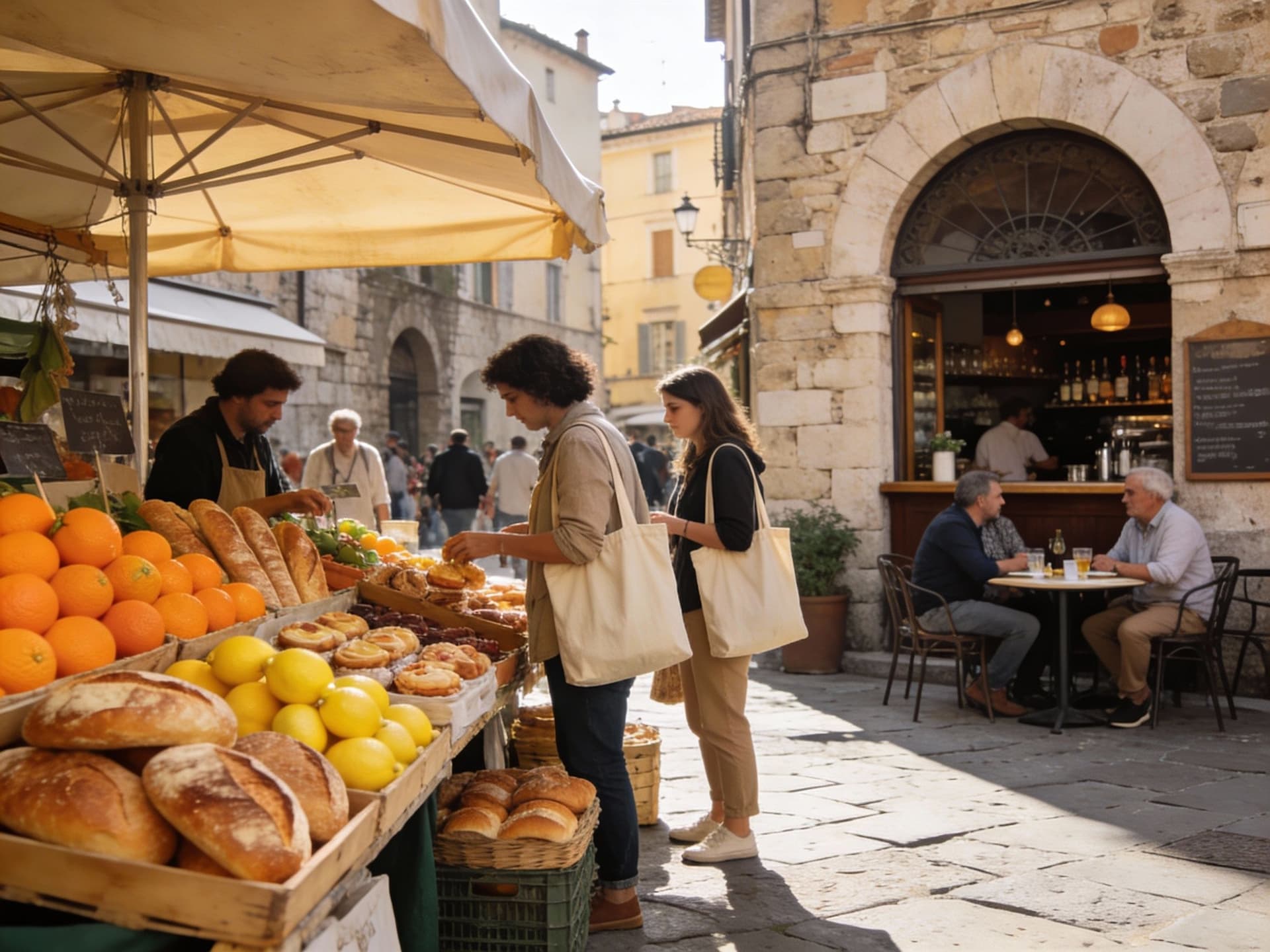
Italy is a country of precise local flavours: Renaissance streets in Florence, trams and aperitivo bars in Milan, volcanic markets in Naples, slow olive-farm life in Puglia. Choosing a property here is choosing a daily tempo — morning market runs versus weekday commuter ease — and that tempo determines rental demand, maintenance patterns and the appeal to long‑stay tenants or seasonal visitors.
Centro storico vs. modern periphery: where the day begins
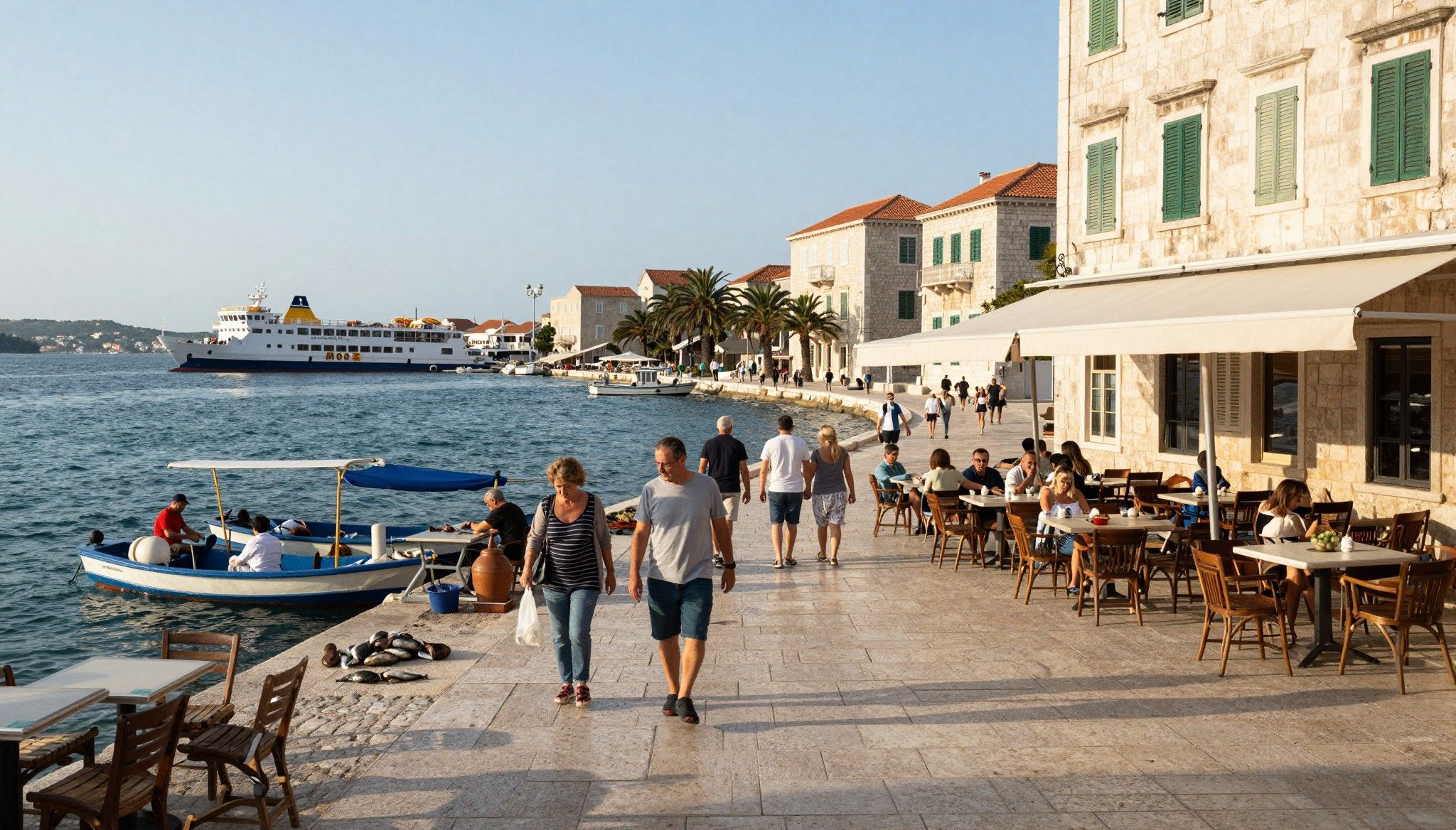
Historic centres (centro storico) reward footfall and short-term demand but bring practical constraints: narrow stairs, heritage rules, and higher service costs. Peripheral neighbourhoods such as Milan's Navigli outlying districts or Rome's EUR offer more space per euro and steadier long-term tenants — a trade-off between tourist premium and stable yield.
Food, markets and micro‑location: real place‑making
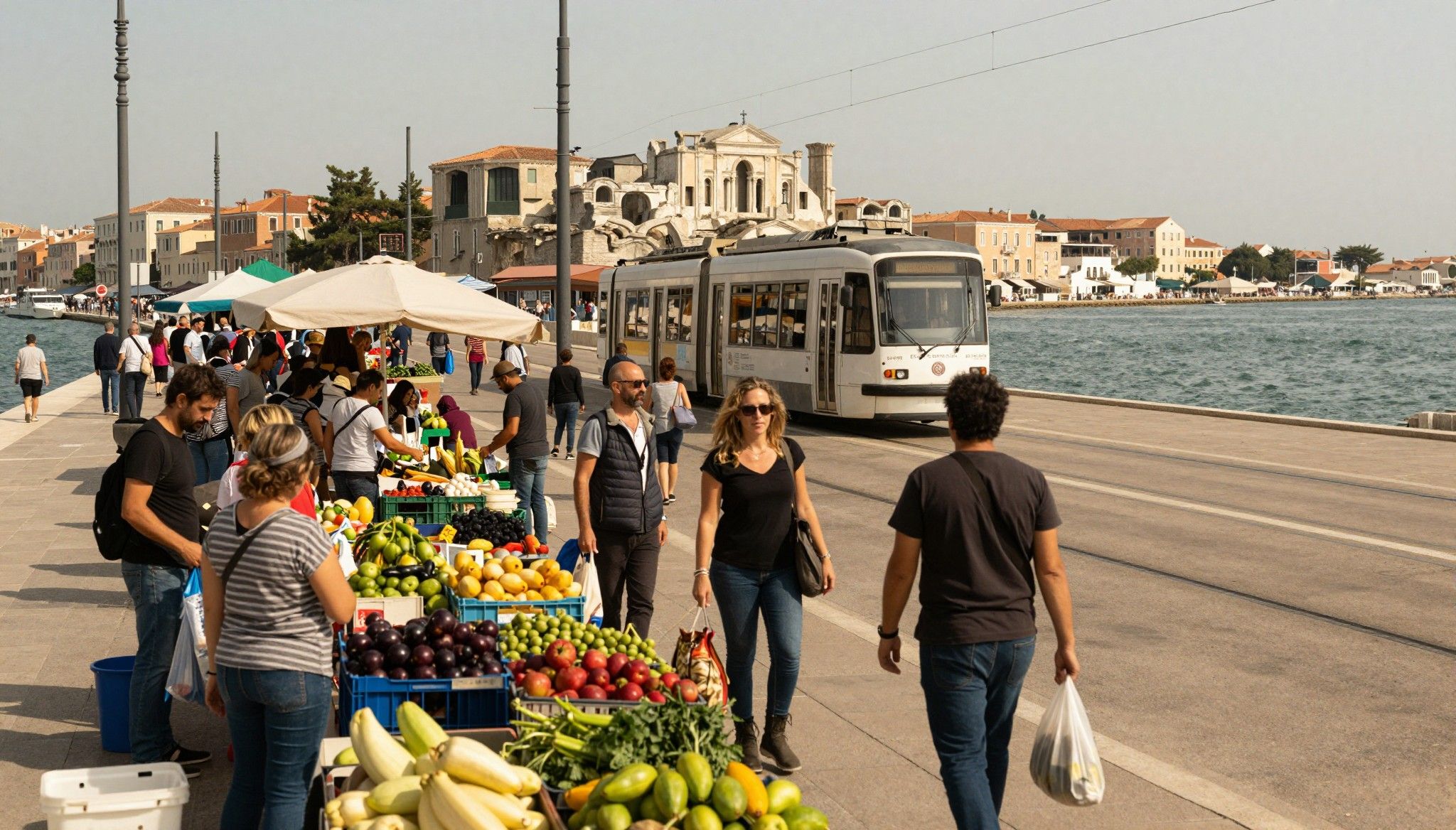
A morning at Mercato Centrale in Florence or a weekday aperitivo on Milan’s Corso Como influences tenant profiles. Apartments near strong daily markets and tram lines attract younger professionals and rotating short-stay guests; proximity to municipal schools, hospitals and commuter rail appeals to longer-term expatriates and local families.
- Vivid lifestyle highlights
- Breakfast espresso at Caffè Greco (Rome), market shopping at Mercato di Porta Palazzo (Turin), aperitivo on Darsena (Milan), weekend coastal escapes from Posillipo (Naples), olive-harvest weekends in Ostuni (Puglia).
Making the move: practical considerations that protect yield

Dreams meet numbers once you start signing contracts. National data show modest national price growth — ISTAT reported a +3.9% annual HPI increase in Q3 2024 — but that average conceals big regional divergence. For investors, micro‑pricing, regulatory changes to short‑term rentals, and transport links matter more than headline growth.
Property types & how they map to real life
A medieval palazzo flat delivers atmosphere but higher refurbishment costs and complex permitting; a 1970s condominium near a commuter rail node gives lower purchase price per m² and steadier tenant pools. Factor in condominium fees (spese condominiali), energy class (classe energetica) upgrades and heritage constraints before extrapolating gross yields into net returns.
Working with local experts who know the rhythm
Use a lawyer (notaio) and a local tax advisor early. Real‑estate agents in Italy are valuable for market context, but for cross‑border buyers the critical hires are a bilingual fiscalista (tax consultant) and a geometra or architect for renovation quotes and compliance. Their guidance materially changes projected cashflows and timeline to rent‑ready status.
- Steps to balance lifestyle and returns
- 1) Define target tenant profile (short‑stay tourist vs. long‑term expat). 2) Map micro‑locations within 10–20 minute walks of transport/markets. 3) Request three renovation quotes and an energy‑upgrade estimate. 4) Run net yield scenarios including condominium fees and an Italian tax regime model.
Insider knowledge: what expats wish they'd known
Experienced expats often say: the neighbourhood’s daily life matters more than the view. Data-backed signals — average gross yields by city, vacancy rates, and public transport coverage — predict rental performance better than sea views. For instance, city-centre apartments in major cities show different yield profiles than provincial coastal villas; consult yield tables to test assumptions.
Cultural rules that affect living and letting
Neighborhood relationships, noise norms and seasonal usage patterns matter for tenancy stability. In many towns, landlords who accommodate local calendar rhythms (August closures, Ferragosto, Natale) keep longer-term tenants. Learning simple phrases and local norms accelerates integration and reduces churn.
Long-term view: how lifestyle decisions become investment outcomes
Buying a property for lifestyle use halves the risk of forced resale, but it also reduces immediate yields. Successful investors separate properties meant for rent from those meant for personal use and run both through total cost of ownership models to ensure portfolio-level return targets are met.
- Common expat red flags
- Unclear ownership titles; missing energy certificates; underpriced renovation budgets; properties in declared tourist zones with pending local restrictions; over-reliance on seasonal tourism for year‑round income.
Conclusion: Italy as a dual proposition — live richly, invest rationally
Italy offers a portfolio of lifestyles — cobbled historic cores, vineyard hinterlands, efficient northern cities — each with distinct investment math. Start with where you want to spend weekdays, layer in transport and rental demand data, then stress‑test the purchase for net yield after taxes and maintenance. If life in Italy is the goal, let careful due diligence make it sustainable.
Dutch investment strategist who built a practice assisting 200+ Dutch clients find Spanish assets, with emphasis on cap rates and due diligence.