Cyprus: Fall in Love — Then Stress‑Test Your Yield
A lifestyle-led sensitivity guide to Cyprus property: fall in love with the light, then stress‑test occupancy, seasonal shocks and local supply to protect yield.

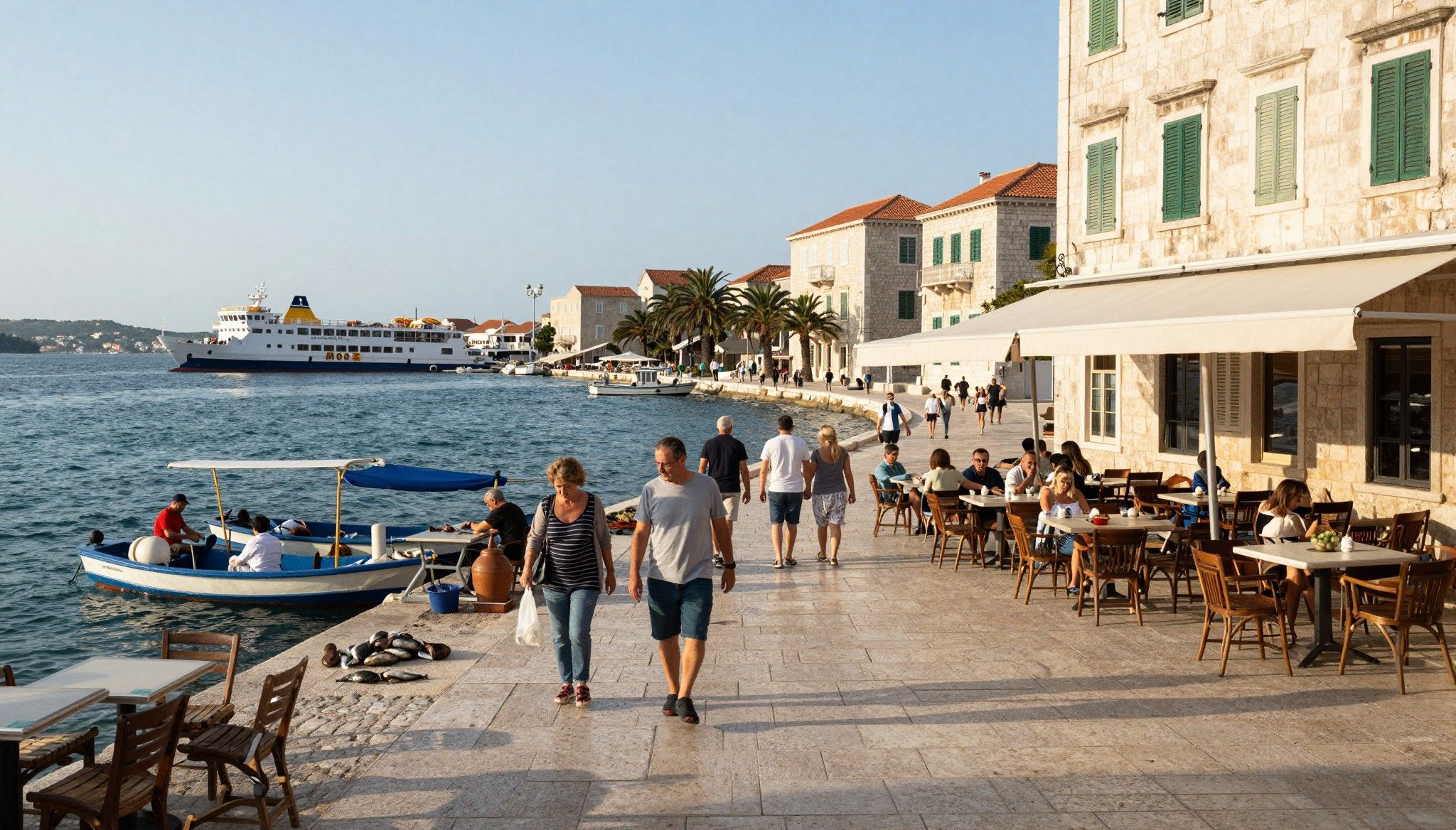
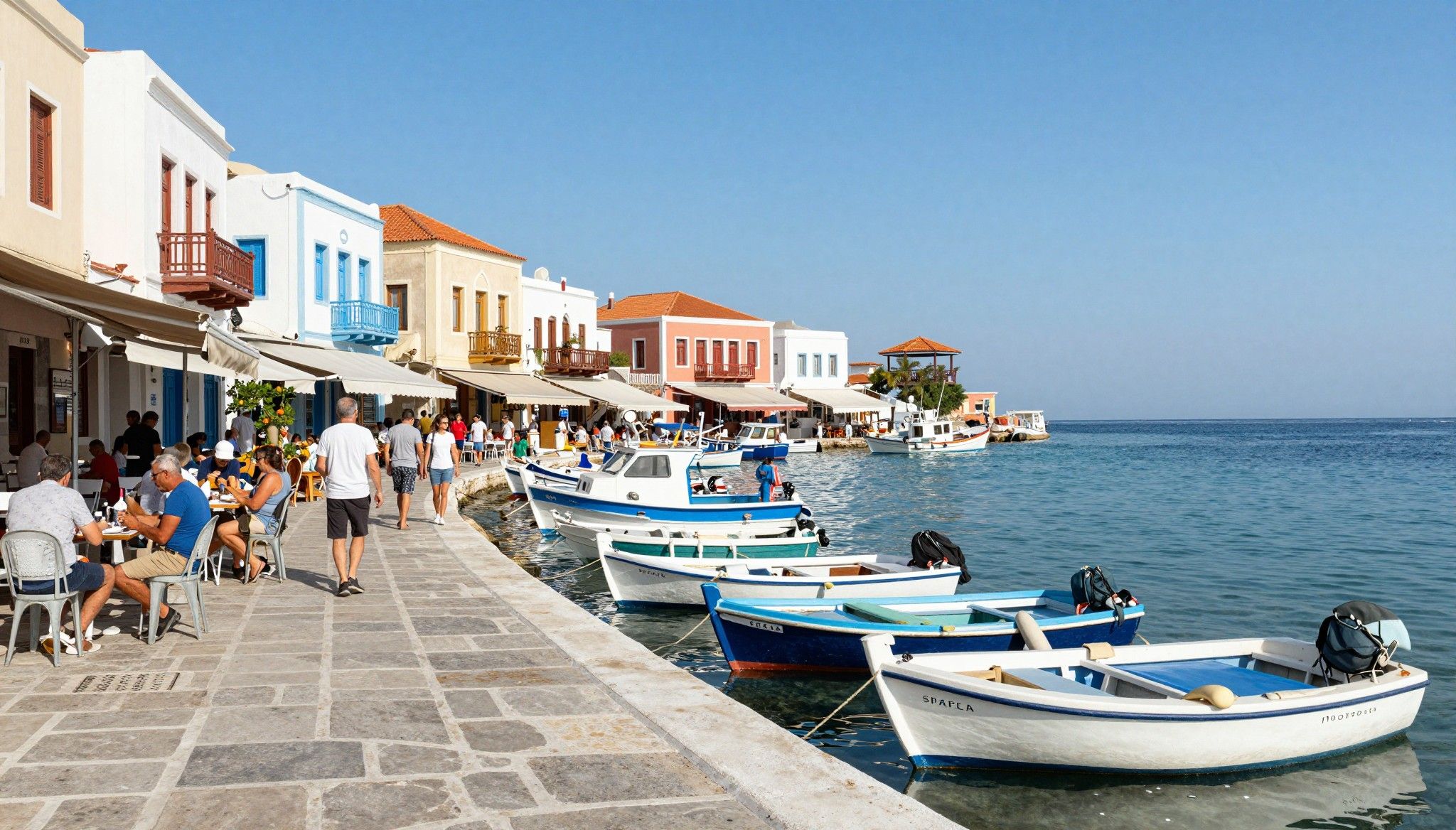
Picture a slow Saturday morning in Limassol: espresso steam rising on Anexartisias Street, fishermen unloading catch at the marina and a property agent measuring a compact apartment that commands steady long-term demand. Cyprus sells itself by day — Mediterranean light, neighbourhood coffee culture and a rhythm that favours outdoor living — but behind that sunny veneer are measurable risks every investor should stress-test. This guide blends sensory neighbourhood colour with concrete sensitivity scenarios so you can fall in love with the life here and still protect yield and capital.
Living Cyprus: sunlit streets and practical rhythms
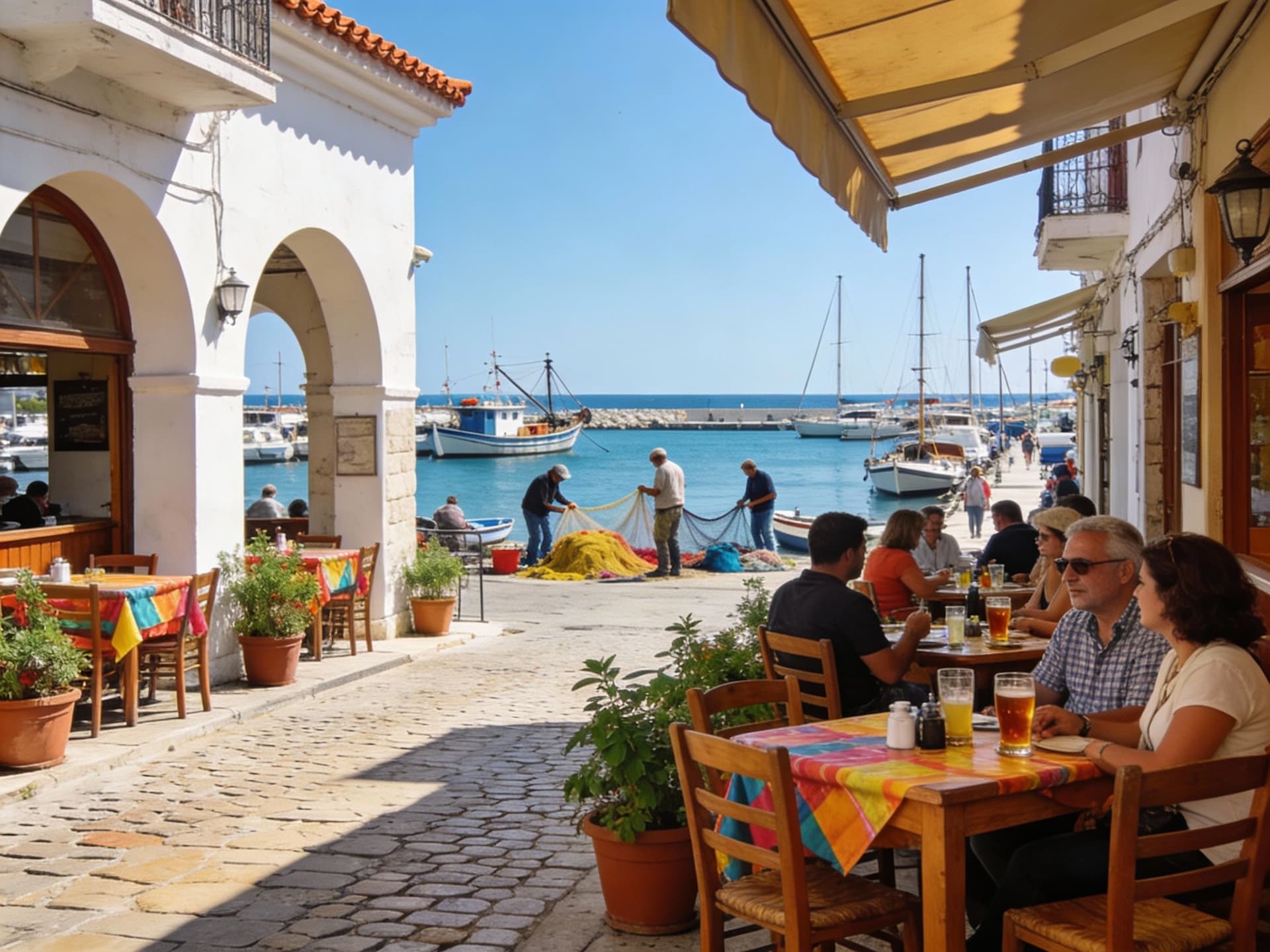
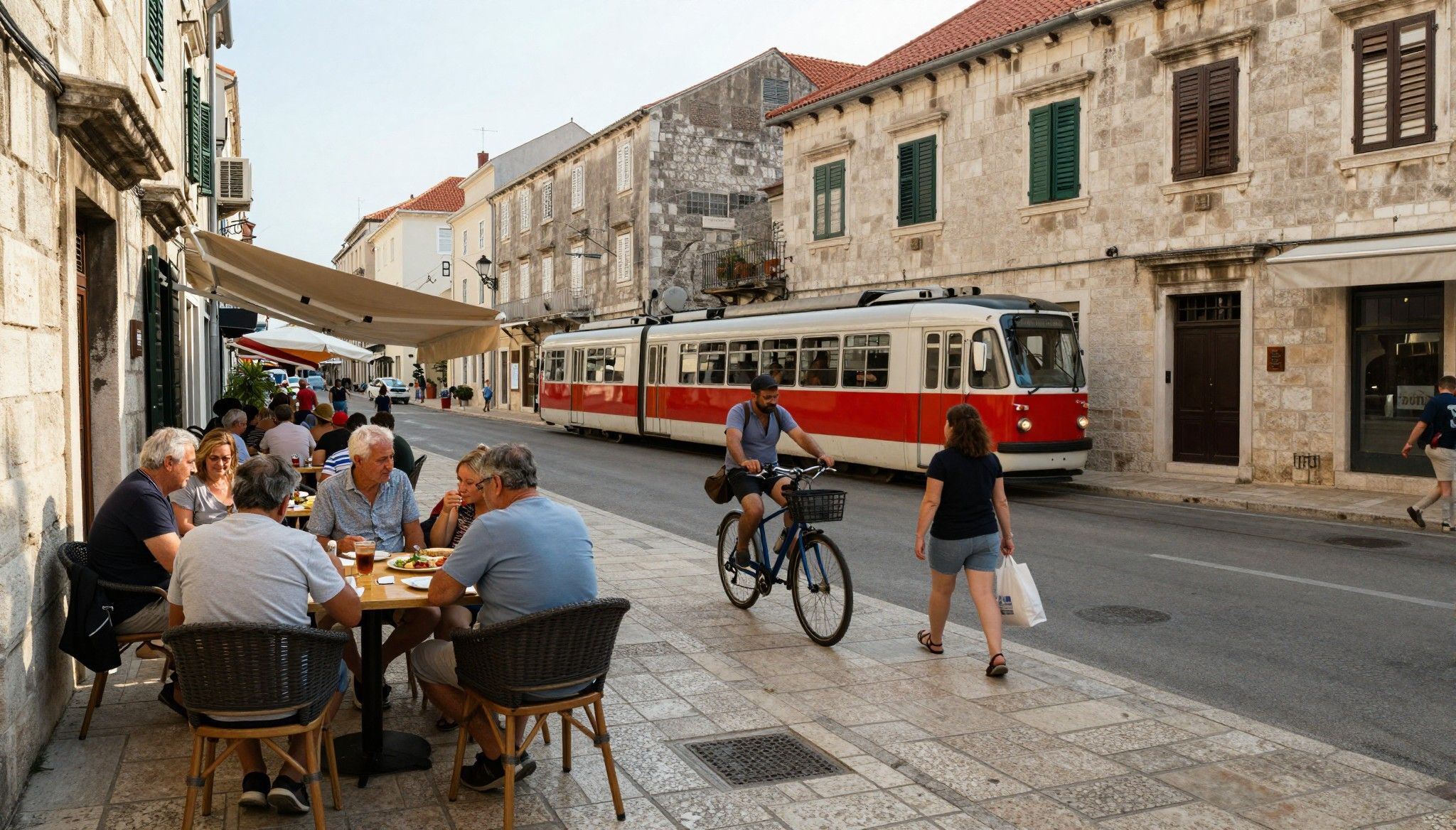
Cyprus life is compact and civic. Days are organised around cafes, municipal markets and coastal promenades; evenings favour tavernas and community squares where older residents still gather. Expats cluster in pockets — Limassol's Germasogeia for families, Paphos' Kato Paphos for coastal living, and Larnaca's Finikoudes for quieter seaside routine — and that clustering directly affects rental demand dynamics and tenant profiles.
Neighbourhood spotlight: Limassol marina to Agios Tychonas
Walk from the Limassol Marina to Agios Tychonas and you feel two markets in one: luxury, internationally oriented buyers near the marina and more affordable, reliable rent in the traditional Agios Tychonas strip. For investors that means split strategies — buy newer seafront stock for capital appreciation and pick up smaller, well-located apartments inland for stable long-term tenancy.
Food, weekend rhythms and the seasons that matter
Markets in Limassol and Nicosia hum on weekends: fresh halloumi, herbs and citrus, with summer tourism compressing demand in Paphos and Ayia Napa. Seasonality is visible — short-term lets spike in July–August — but the counterbalance is growing year-round rental demand from remote workers and corporate tenants in Limassol and Nicosia. That mixed demand profile matters when modelling occupancy and net yields.
- Lifestyle highlights: streets, cafés and hidden corners • Espresso on Anexartisias, Limassol; promenade walks at Finikoudes, Larnaca • Kato Paphos archaeological park and weekend tavernas in Tombs of the Kings area • Farmers’ market at Nicosia’s Ledra Street fringe for seasonal produce • Protaras and Fig Tree Bay for family-friendly beaches outside peak crowds
Making the move: matching lifestyle to risk and returns

Dreams meet spreadsheets here. Average gross rental yields across Cyprus typically cluster between about 4% and 6% depending on city and property type, with Limassol and Larnaca often at the higher end for apartments while luxury seafront stock shows lower yields but stronger capital growth prospects. Use reliable yield bands as your baseline assumptions when running stress tests on occupancy, maintenance and regulatory risk.
Property types and how they map to real life
New-build seafront apartments in Limassol demand high capital and offer tenant appeal for executives and families; compact 1–2 bed apartments in Larnaca or inland Nicosia suit longer-term local tenants and remote workers. Villas in Paphos can generate strong summer rentals but require higher management intensity. Choose property type with both tenant turnover and maintenance intensity in mind — short-term holiday lets amplify revenue but also operating cost volatility.
How local agents protect lifestyle intent and returns
- 1. Match tenant profile to neighbourhood: corporate vs tourist vs student tenants. 2. Stress-test occupancy: assume 20–40% off-peak vacancy for holiday lets, 5–12% for long-term rentals. 3. Build realistic maintenance budgets: older stock in traditional villages needs larger contingency. 4. Plan tax and utility overheads into net yield: factor municipal rates and property management fees.
Insider knowledge: what expats wish they knew before signing
Expats often underestimate three things: the micro-market split between tourist and resident demand, the impact of seasonal labour on property services, and the slow pace of some administrative processes. Local market commentary shows steady price growth but rising rentalisation; that means cashflow models must be conservative about both price appreciation and short-term revenue spikes.
Cultural integration and everyday logistics
English is widely spoken, especially in business and service sectors, which eases tenant screening and lease management for internationals. Still, local customs — from contract norms to repair timelines — reward patient, relationship-based sourcing of contractors and property managers. Building these local ties reduces friction and improves tenant retention over time.
Long-term lifestyle risks investors should stress-test
- Key sensitivity factors: • Seasonal demand shock: model worst-case summer occupancy for short-term lets. • Regulatory change: changes to short-term rental rules can halve gross revenue. • Currency and interest risk: rising borrowing costs compress net yields. • Local supply shocks: new coastal developments can compress rents in specific strips.
Practical next steps: run scenario analyses with three cases (base, downside, downside-plus) using: 1) 100% of expected operating costs, 2) 20–40% occupancy reduction for short-term models and 3) a 5–10% capital correction to test liquidity. Use local market yield bands (4–6% gross typical) as anchors and always calculate net yield after realistic management and tax deductions.
- 1. Collect local comparables: price/sqm and realised rents in your target neighbourhood. 2. Build three cashflow scenarios: base, -30% seasonal shock, and -10% price correction. 3. Confirm legal and permitting timelines with a local lawyer. 4. Test exit: estimate liquidity timeline — severer in off-peak villages than in Limassol.
Cyprus is deliciously livable: morning markets, coastal promenades and small-town rhythms that make daily life feel generous. But as a financial asset, it requires disciplined risk management: stress-tested occupancy, conservative net-yield modelling, and boots-on-the-ground local partners. If you want the lifestyle — the coffee, the sea and the quieter afternoons — pair it with clear downside scenarios and an agent who knows which streets hold steady when summer ends.
Norwegian market analyst who relocated from Oslo to Mallorca in 2016, guiding Northern buyers through regulatory risk, currency hedging, and rentability.