How Italy’s Connectivity Reprices Neighbourhoods
Italy’s property story is now written by transport and regeneration: target connected edges not just sea views to capture sustainable rental returns and seasonal upside.
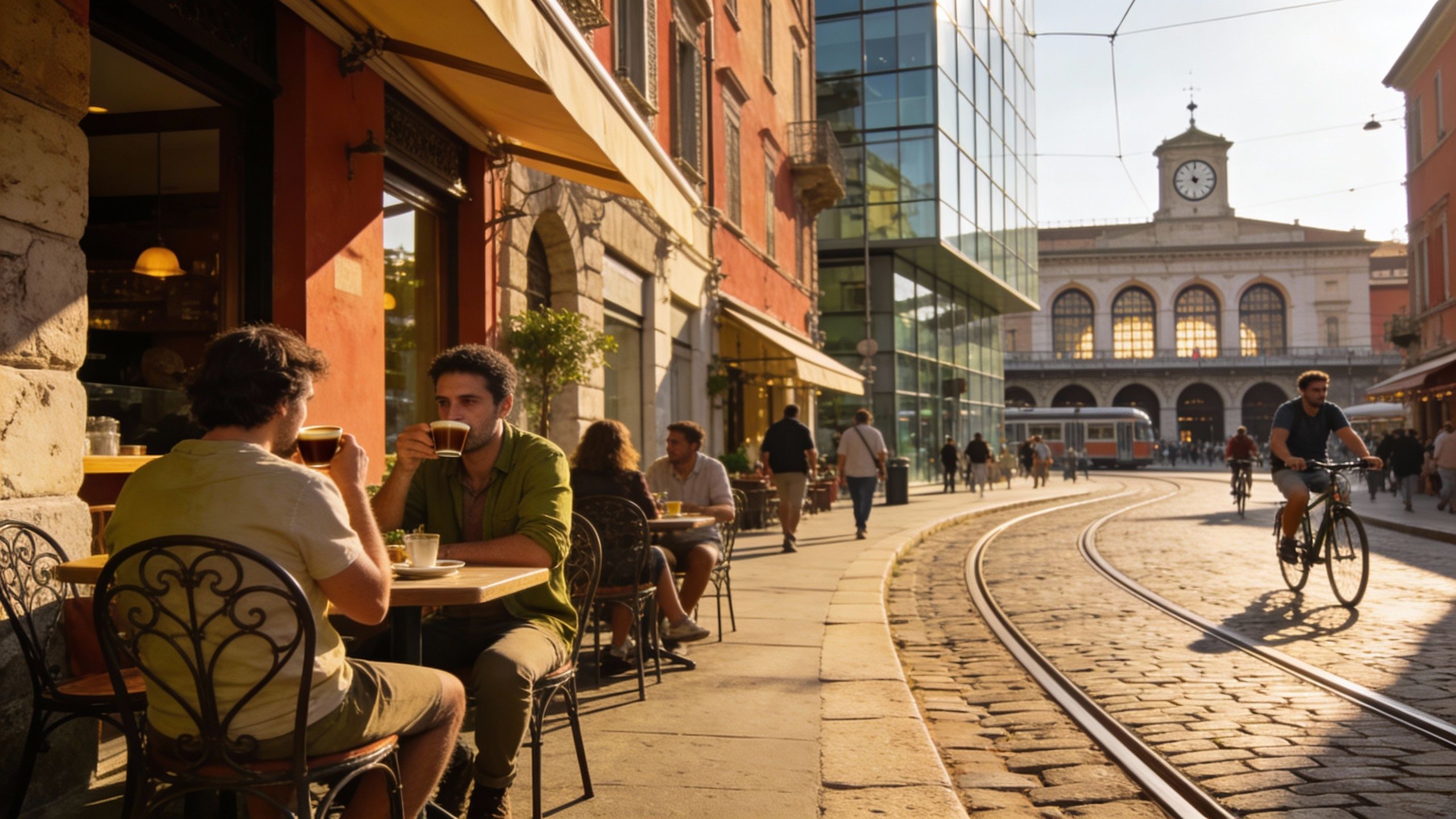
Imagine sipping an espresso on a sun-warmed step in Trastevere, then catching a train an hour later to a seaside town where fishermen mend nets — that ease of movement is Italy’s hidden magnet. Recent jumps in international visitors and targeted public works mean transport, not just views, increasingly rewrites where value is created. The result? Neighborhoods once overlooked are now connected, livable and investible — but only if you understand which links matter and why.
Living the Italy lifestyle: daily rhythms that sell
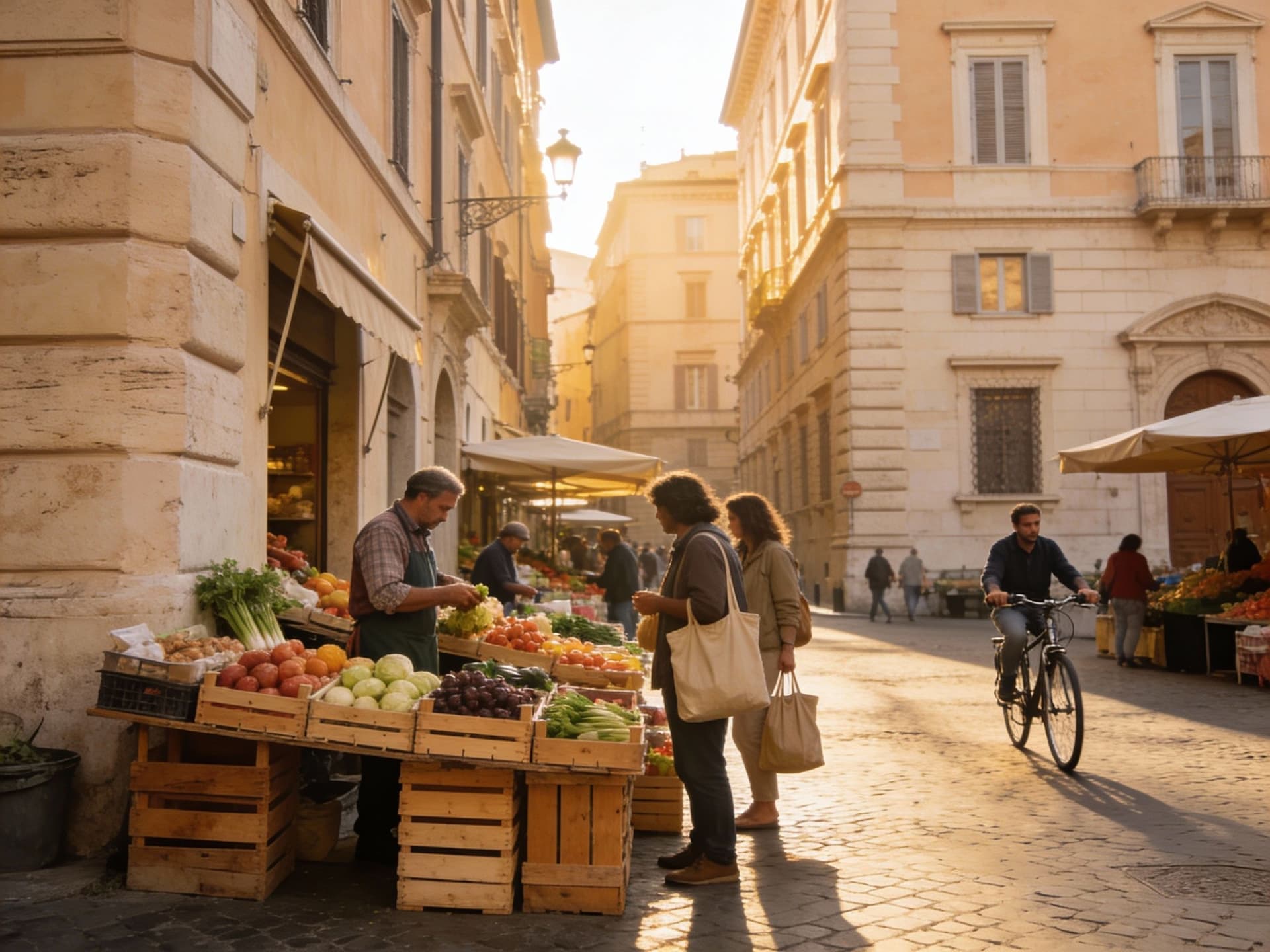
Italy moves at two simultaneous paces: a languid, ritualised day — markets at dawn, aperitivo at sunset — and a modern pulse driven by trains, regional airports and new regeneration projects. Cities hum with cultural density: Milan’s design weeks and Rome’s film festivals; smaller hubs like Bologna and Bari combine university-driven rental demand with surprisingly robust transport links that shorten commutes and lengthen booking seasons. Those rhythms shape tenant profiles and rental yield calculations as much as façade and flooring choices.
Neighborhood spotlight: From Navigli to Oltrarno — why edges outperform centres
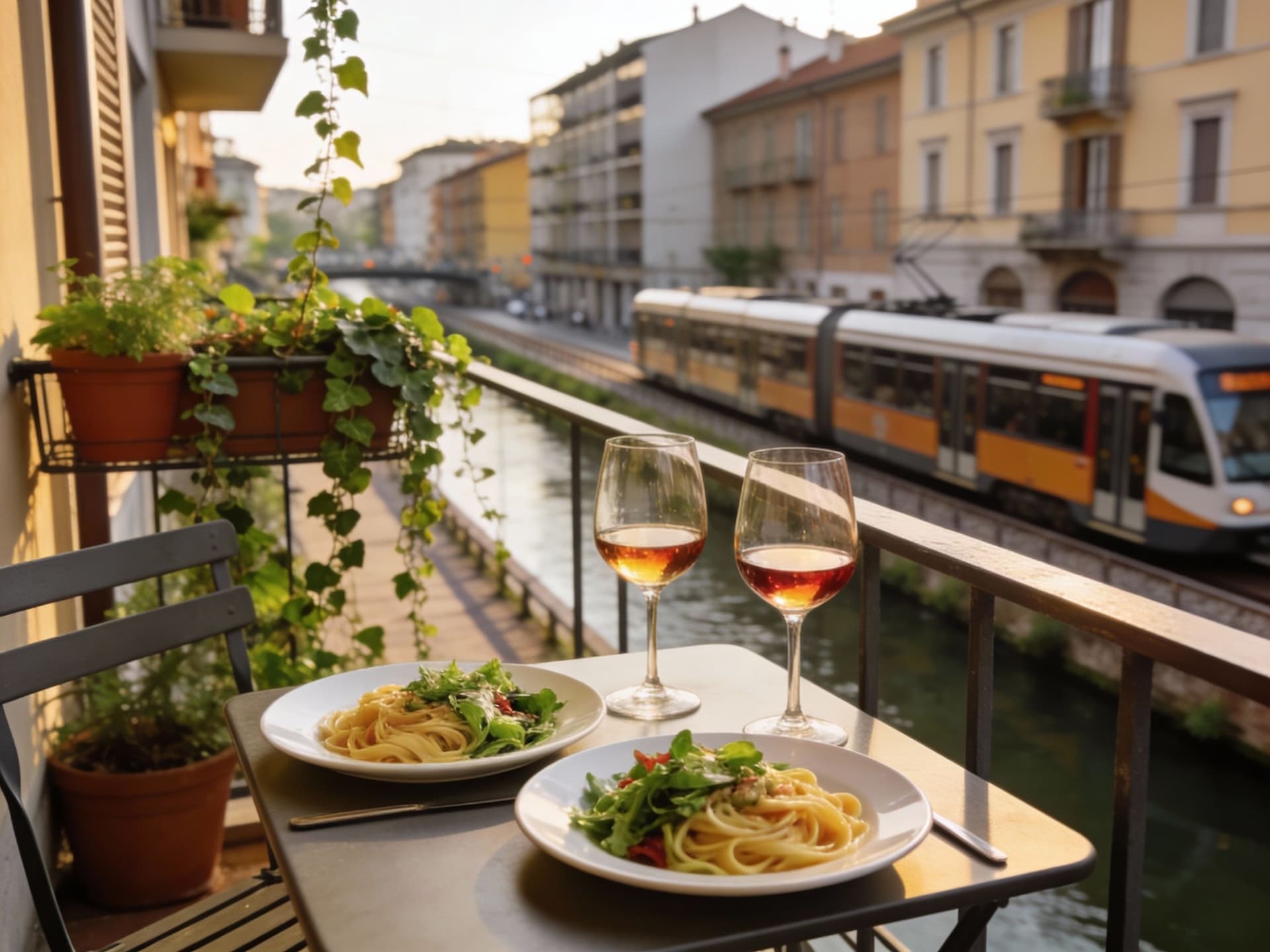
Look past headline centres. Navigli (Milan) trades prestige for late‑night vibrancy; Oltrarno (Florence) offers artisan workshops and calmer tourism flows compared with the city core. In Rome, areas around San Lorenzo and Pigneto present younger tenant pools and lower entry prices than Tridente or Prati. These ‘edges’ pair accessible café culture with transport nodes — tram lines, suburban rail (passante) stops and bike networks — creating steady mid‑term rental demand rather than ephemeral tourist spikes.
Food, markets and seasonality: how life (and occupancy) changes through the year
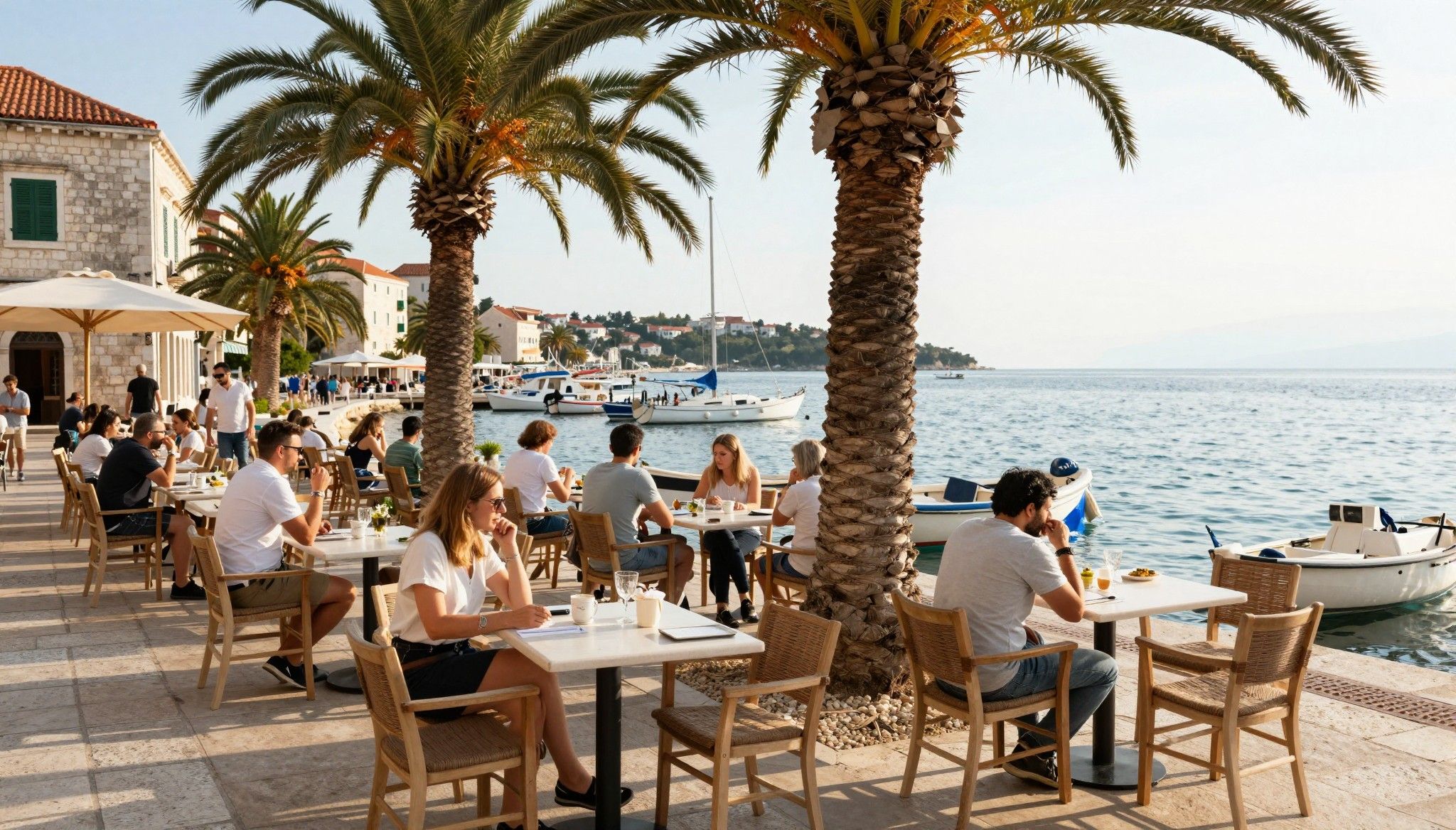
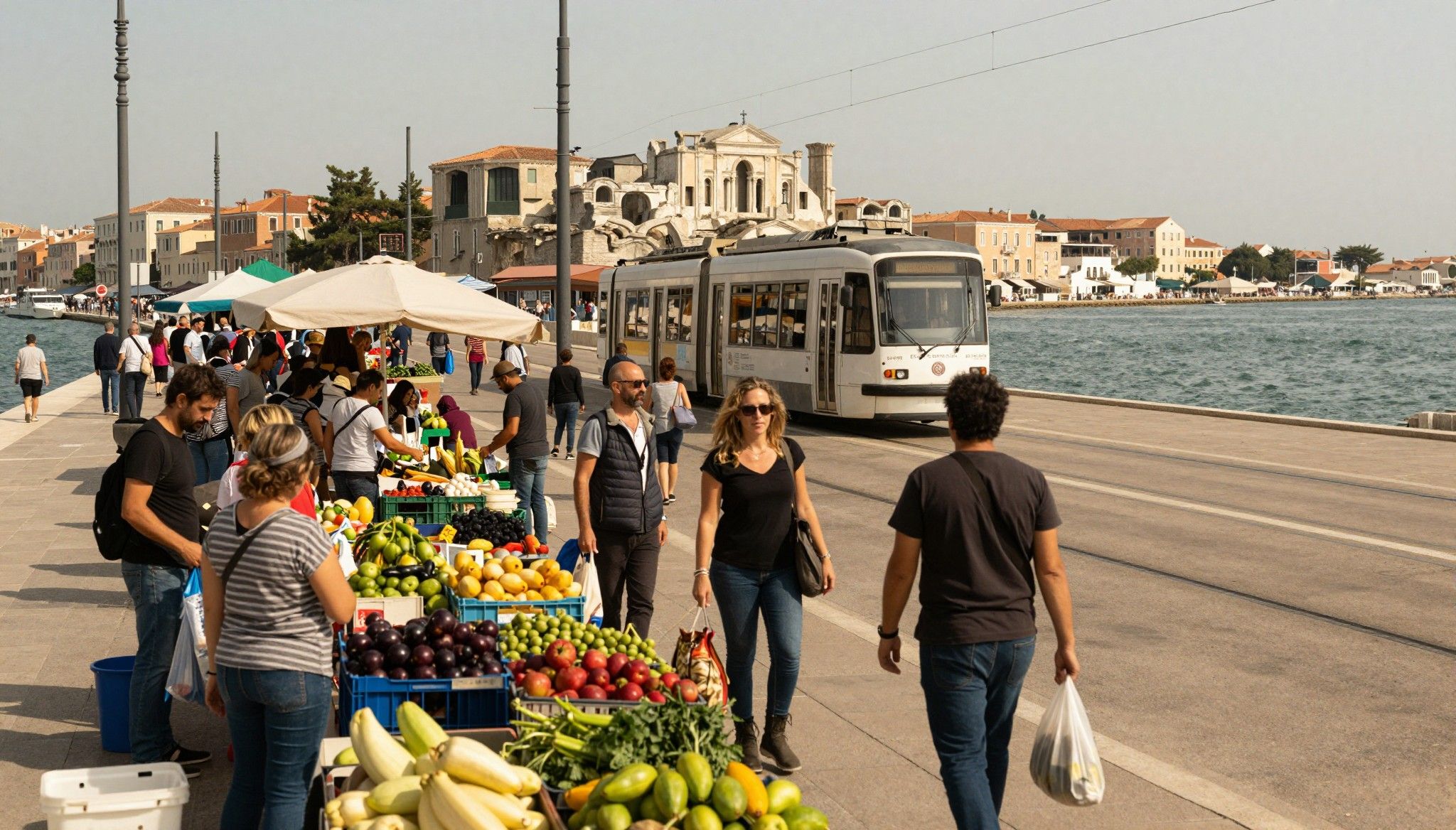
Italy’s record tourist numbers (over 130 million arrivals in 2023) lift short‑stay income near cultural hubs but also encourage regulation — Venice and Florence have already imposed limits on day‑visitors. For investors this means: market the food‑market apartment (Campo de' Fiori, Mercato Centrale) differently across seasons, and expect higher transient demand in summer but more reliable long‑term tenancy in university towns and transit‑oriented districts. Seasonality is a feature you can monetise — if you price and position correctly.
- Markets and micro-lifestyle highlights • Campo de' Fiori (Rome): morning produce stalls, evening restaurants; strong short‑stay demand. • Navigli (Milan): canal-side bars, tram access; rents skew to young professionals. • Oltrarno (Florence): artisan ateliers, calmer tourism; steady mid-term rentals. • Sorrento‑Amalfi axis: seasonal luxury lets; improved rail+ferry connectivity drives premium resale. • Bologna (Fiera area): exhibitions + university = year-round leasing.
Making the move: infrastructure, value and the property you choose
Infrastructure investments — high‑speed rail upgrades, regional airport expansions and urban regeneration schemes — cause discrete repricings within 12–36 months. Idealista shows national price momentum returned in 2024 after credit headwinds eased; but returns are uneven. The practical takeaway: measure price per square metre against connectivity improvements, not against seaside romance alone. A €3,000/sqm neighbourhood with a new passante stop can outperform a €4,500/sqm seaside pocket lacking year‑round demand.
Property styles and lifestyle fit: historic flat vs. modern apartment
Historic centre apartments score on character and tourism yields but bring higher renovation complexity (structural constraints, seismic upgrades). Modern builds near transport hubs offer lower maintenance, easier EPC (energy) compliance and stronger long‑term rental appeal to professionals. Choose the product to match return objectives: short-term and premium experience (tourism) vs. stable, year-round rent (students, locals, commuters).
Work with local experts who know the transport story
- Steps to align lifestyle goals with infrastructure-led value 1. Map transport upgrades within a 30–60 minute catchment and rank neighbourhoods by commute time improvements. 2. Model rental scenarios for peak (tourist) and base (local) seasons — use Istat tourism data to estimate tourist uplift. 3. Verify planning permissions and timing for major projects with municipal technical offices. 4. Price in renovation and seismic compliance costs for historic stock; prefer turnkey modern units near hubs for instant income. 5. Engage a local letting manager versed in short‑stay regulation (Venice/Florence rules vary).
Insider knowledge: expat realities and the unspoken rules
Expats often underestimate permitting time, the local insistence on paperwork and the fact that connectivity determines daily life more than proximity to a landmark. Nomisma’s outlook (2025–27) expects modest price rises as credit conditions ease; that forecast pairs with Reuters’ reporting of capital chasing renovated stock in Rome. Translation: expect steady market improvement where transport and regeneration align, but prepare for administrative friction and slower-than-expected delivery on promised infrastructure.
Cultural integration: language, community and tenant expectations
Daily life in Italy is local. Tenants value reliable heat, secure entryways and a nearby market over marble countertops. Learning basic Italian expedites dealings with contractors and neighbours; joining a local market morning sells you into the community faster than a glossy brochure. For landlords, that means presenting properties with practical amenities — laundry, efficient heating, and good public transport links — rather than over‑investing in purely decorative finishes.
Long‑term lifestyle and investment sustainability
Infrastructure projects take years; community shifts happen faster. Prioritise areas where new links are funded and underway rather than proposed. Diversify across product types — a modern commuter flat plus a renovated holiday apartment — to smooth seasonality. Expect regulations to tighten in tourist hotspots; position for long‑stay, quality tenants as the safest path to stable yields.
Conclusion: fall in love with daily life, invest with the transport map. Choose neighbourhoods where trains, trams and airports shorten real commutes and extend tourist seasons; model returns against local seasonality and renovation risk; and engage agents who can translate municipal plans into investment timing. Start by mapping a 30‑minute transit catchment around your target cities and ask your agent for three comparable sales timed before and after a connectivity upgrade — that contrast reveals real repricing potential.
Norwegian market analyst who relocated from Oslo to Mallorca in 2016, guiding Northern buyers through regulatory risk, currency hedging, and rentability.