France's Price Myth: Where Yield Trumps Prestige
France’s charm hides uneven prices; pair neighbourhood-first lifestyle choices with yield-focused stress tests and local experts to find pockets of real return.

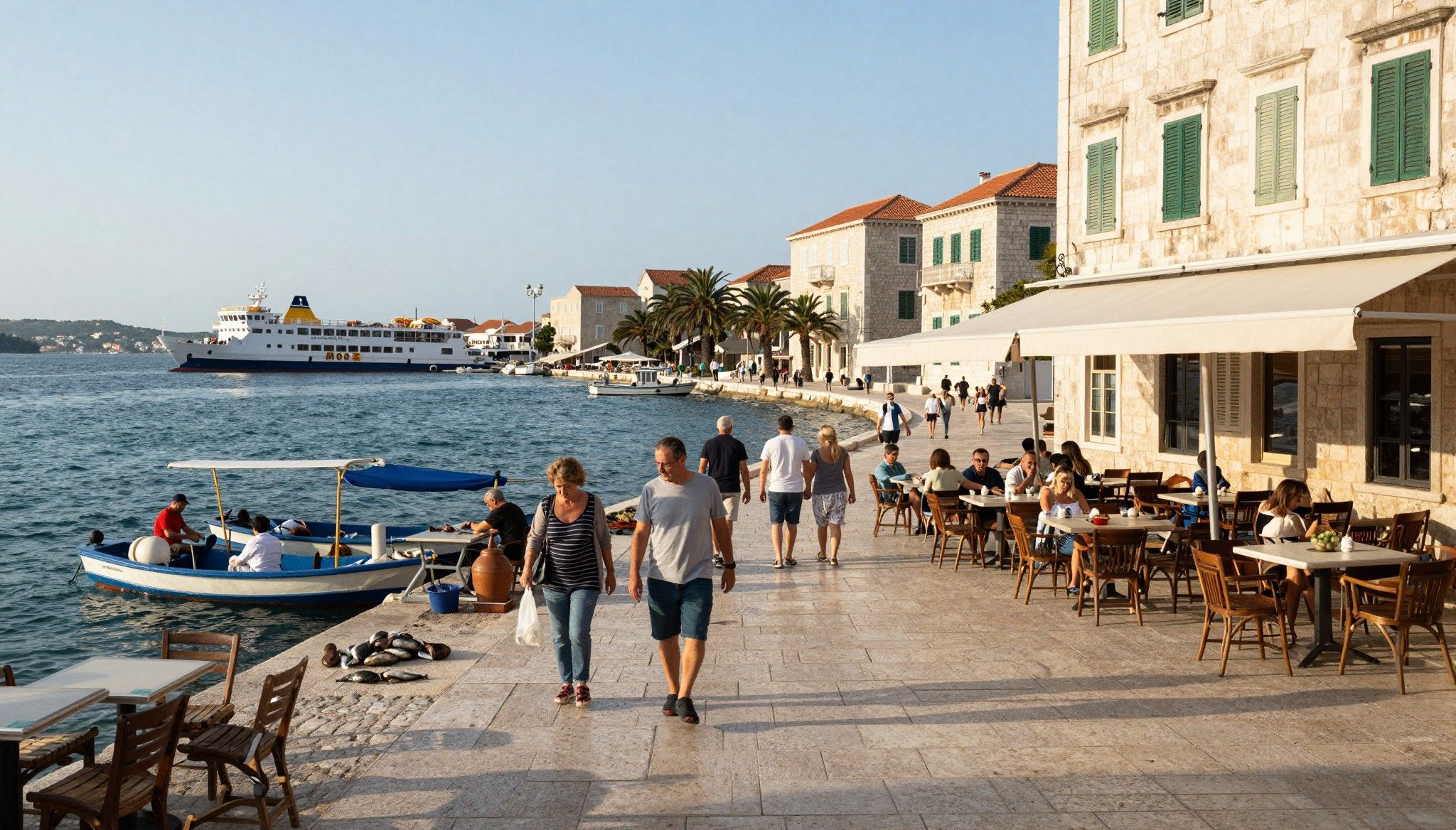
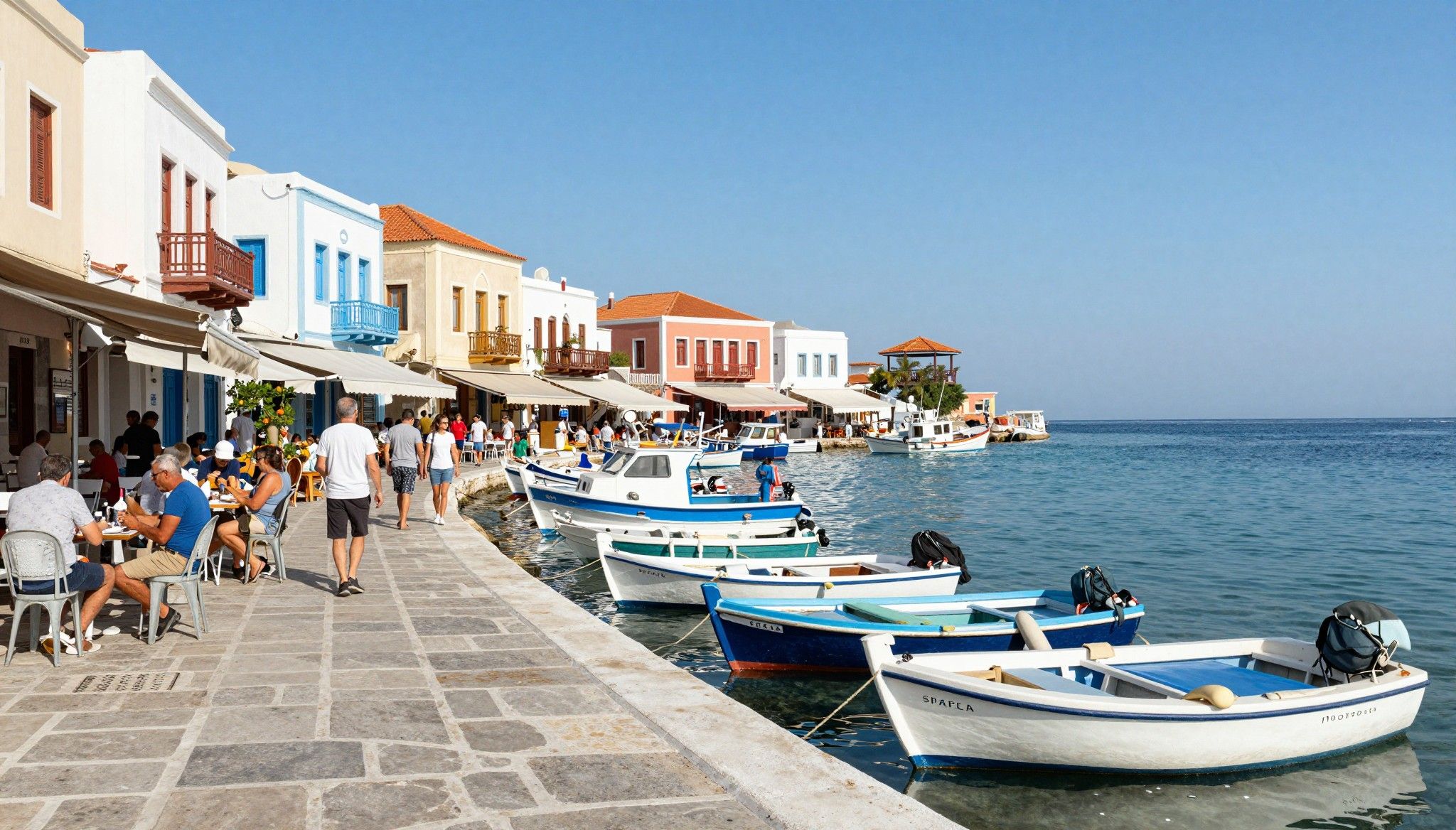
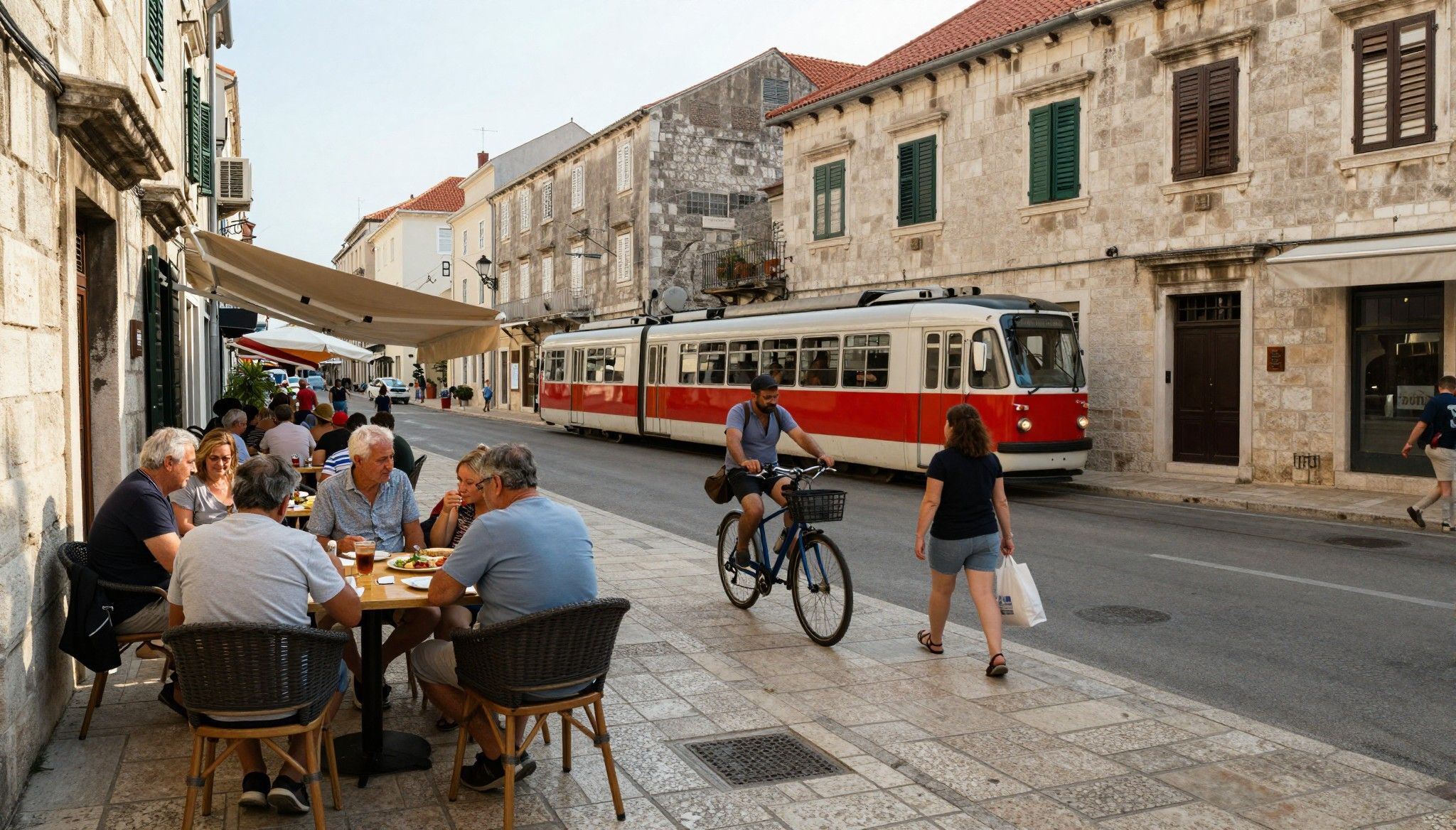
Imagine sipping an espresso on Rue Montorgueil as a tram rattles by and a boulangerie fills the air with buttered croissants — that sensory snapshot is France. But beyond the cafés and limestone façades lies a market shaped by regional economics, demographic shifts and regulatory nudges. This guide pulls the mood of French life into a data-driven frame: where lifestyle meets measurable returns, and when the country’s ‘expensive’ reputation masks pockets of genuine yield.
Living the French life — a practical daydream

France moves at multiple speeds. In Paris, mornings mean quick espressos and fast-paced commutes; in Provence, mornings are slow market runs and long lunches. These rhythms shape housing demand: compact central flats serve short-stay professionals and tourists, while provincial houses attract families and long-stay expatriates. Understanding the tempo of a place is the first investment decision — it determines tenancy length, refurbishment needs and realistic rental rates.
Paris: density, diversity, and the neighbourhood premium
Paris delivers cultural intensity and consistently high price-per-m2; central arrondissements command premiums while outer arrondissements (e.g., 19th–20th) can deliver stronger gross yields on small units. Notaires du Grand Paris report Paris prices around €9,500/m² in 2025, but intra-city dispersion means yields differ by district and unit size. For lifestyle-driven buyers, the trade-off is clear: prestige + stability versus entry price and yield compression.
Provincial cities and coasts: value with lifestyle variation
Outside Paris, many towns combine affordable entry prices with solid rental markets. INSEE data show recent national stabilisation then modest recovery in 2025, with provincial prices rising after months of stagnation. Cities like Lyon, Bordeaux and Marseille — plus tourist coastal towns — each offer distinct lifestyle draws that map to different tenant pools: students, young professionals, seasonal holiday renters and retirees.
- Lifestyle highlights: cafes, markets and micro-locations
- Rue Montorgueil market (Paris): morning energy, short-term rental demand
- Vieux-Lille: cobbled streets, strong long-term tenancy for families
- Cours Mirabeau, Aix-en-Provence: café culture and second-home demand
Making the move: where lifestyle and returns intersect

Dreams meet spreadsheets when you buy. Tenancy profiles, typical refurbishment cycles and transport links determine net yield more than postcard appeal. A central studio in Paris may rent well but faces higher acquisition costs and management intensity; a three-bedroom in Rennes may offer lower headline rent but superior net yield and lower vacancy. The practical move is to let lifestyle preference set location, then apply yield-first filters to specific streets and building types.
Property types and the lifestyle they deliver
Haussmann apartments sell the Parisian dream — high ceilings, central locations, and strong resale value — but small floorplans and high acquisition prices compress yields. In suburbs and smaller cities, terraced houses and modern apartments offer outdoor space and longer-term tenants. For investors who also want part-time lifestyle use, duplexes with terraces or village houses near markets balance personal enjoyment with rental potential.
Working with experts who understand both life and numbers
A local notaire, a specialised letting agent and an agency familiar with international buyers reduce execution risk. Notaires provide title checks and fee estimates; letting agents supply rental comparables and expected vacancy. Match the lifestyle brief (e.g., 'near market and cafés') with financial briefs (target gross/net yield, cap rate) and ask vendors for recent utility, copropriété and tenancy histories.
- Six practical steps blending lifestyle and returns
- Define tenant profile and desired use (primary home, seasonal let, long-term rental).
- Select neighbourhoods (three max) that match that profile and visit at different times of day.
- Calculate all-in costs: purchase price, notary fees, local taxe foncière, expected refurbishment and management fees.
- Stress-test cashflow under vacancy, 10% maintenance shocks and a 1% drop in achievable rent.
- Hire a notaire and an English-speaking letting agent early to confirm tenancy rules and local licensing.
Insider knowledge: counter-intuitive truths expats often miss
Myth: France is uniformly expensive. Reality: national averages mask sharp regional dispersion. Data from INSEE and notaires show provincial rebounds and large intra-city variance in Paris. For yield-focused buyers, this means opportunities often hide in non-obvious streets — think Marseille 6–8 km from the Vieux-Port or student districts in Montpellier rather than headline coastal resorts.
Language, neighbourhood etiquette and tenancy reality
French tenancy law favours long-term stability; expect notice periods and formal procedures. Speaking basic French opens doors to better neighbourhood networks and smoother property management. Local customs — quiet during lunch, priority for long-term neighbours — affect lettability and refurbishment timing. Agents who understand cultural norms protect returns by reducing disputes and unexpected vacancy.
Seasonality, festivals and cashflow
Tourist seasons create attractive short-term rental income but add management complexity and regulatory scrutiny in many municipalities. Meanwhile, local festivals can spike demand and justify premium nightly rates; however, cities like Paris, Nice and Biarritz are tightening short‑let rules, which matters for investors counting on holiday‑rental yields. Balance seasonal upside with regulatory risk and operational cost.
- Red flags and quick checks before you bid
- Unclear copropriété minutes: large unpaid reserves signal future assessments.
- High surface-to-rent ratio: big purchase price but limited rental market.
- Properties in tourist zones without licence for short-lets.
What expats wish they'd known
Expats commonly underestimate local upkeep regimes and the role of syndic (building manager) in day-to-day costs. They overpay for proximity to landmarks when slightly farther streets provide almost identical lifestyle benefits at lower cost. They also undervalue micro-markets: being two streets from a university or metro station can halve vacancy risk and materially increase net yield.
Conclusion: fall for France, buy with data. Let neighbourhood character guide where you look, then use yield metrics, stress-tests and local experts to narrow choices. Start with three neighbourhoods, commission rental comparables and a notaire title check, and treat lifestyle benefits as a financial input, not a tiebreaker. That way you get the cafés and the cashflow.
Dutch investment strategist who built a practice assisting 200+ Dutch clients find Spanish assets, with emphasis on cap rates and due diligence.