Italy: Where Lifestyle Meets Yield — Neighbourhood Truths
Italy’s romance masks wide regional market mechanics; match neighbourhood rhythms to tenant profiles and underwrite lifestyle with technical due diligence and net‑yield scenarios.
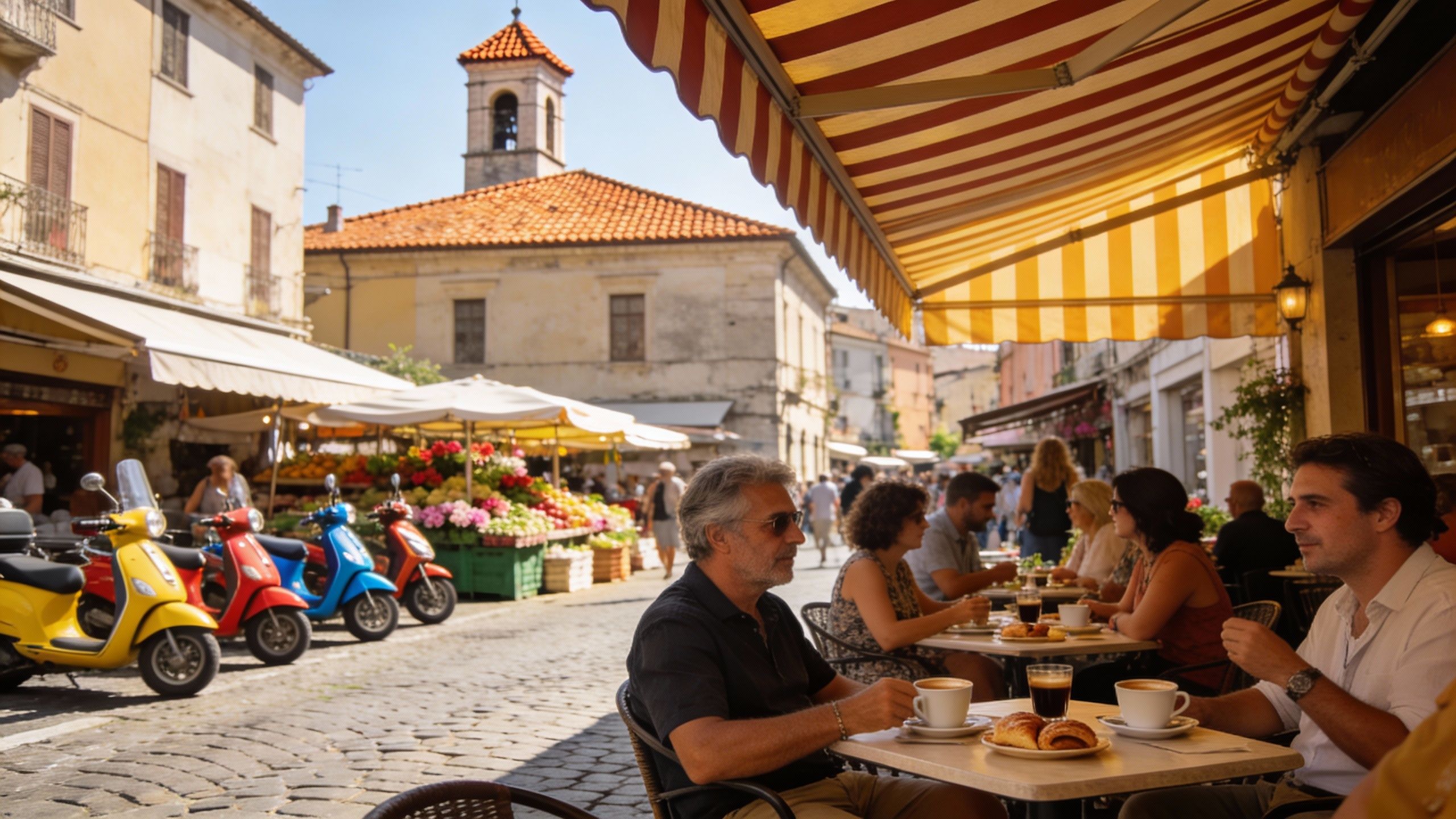
Imagine stepping out at 8am to a narrow street in Trastevere, espresso in hand, cathedral bells overlapping scooter hum. Italy is lived at street-level: morning markets, aperitivo thresholds, and neighbors who still know your name. For international buyers that romance is the magnet — but beneath it sits a market shaped by regional price gaps, seasonality and evolving rental demand. Understanding those mechanics turns a dreamy move into a disciplined investment.
Living the Italy lifestyle: rhythms, spots and seasons

Life in Italy varies dramatically by scale. Milan’s morning pace and tram-lined streets focus on work and design; Bologna’s porticoes and student energy create year-round rental demand; coastal towns like Amalfi or Taormina pulse with seasonal tourism. Climate, cuisine and commute shape how you’ll actually use a property: a small Palermo apartment suits short-term tourist lets, while a villa near Lucca rewards long summer seasons and lifestyle rental income.
Neighborhood spotlight: Trastevere, Navigli, Oltrarno
Trastevere (Rome) offers cobbled lanes, trattorie and a strong short‑let market for weekend visitors; Navigli (Milan) trades quiet mornings for lively evenings along the canals; Oltrarno (Florence) blends artisans and residential calm, making it attractive to longer‑term tenants. Each area has distinct demand drivers — tourism, students, local professionals — that determine achievable rents and vacancy cycles. Your property strategy should match the micro‑demand profile, not just the postcard appeal.
Food, markets and weekly life that define value
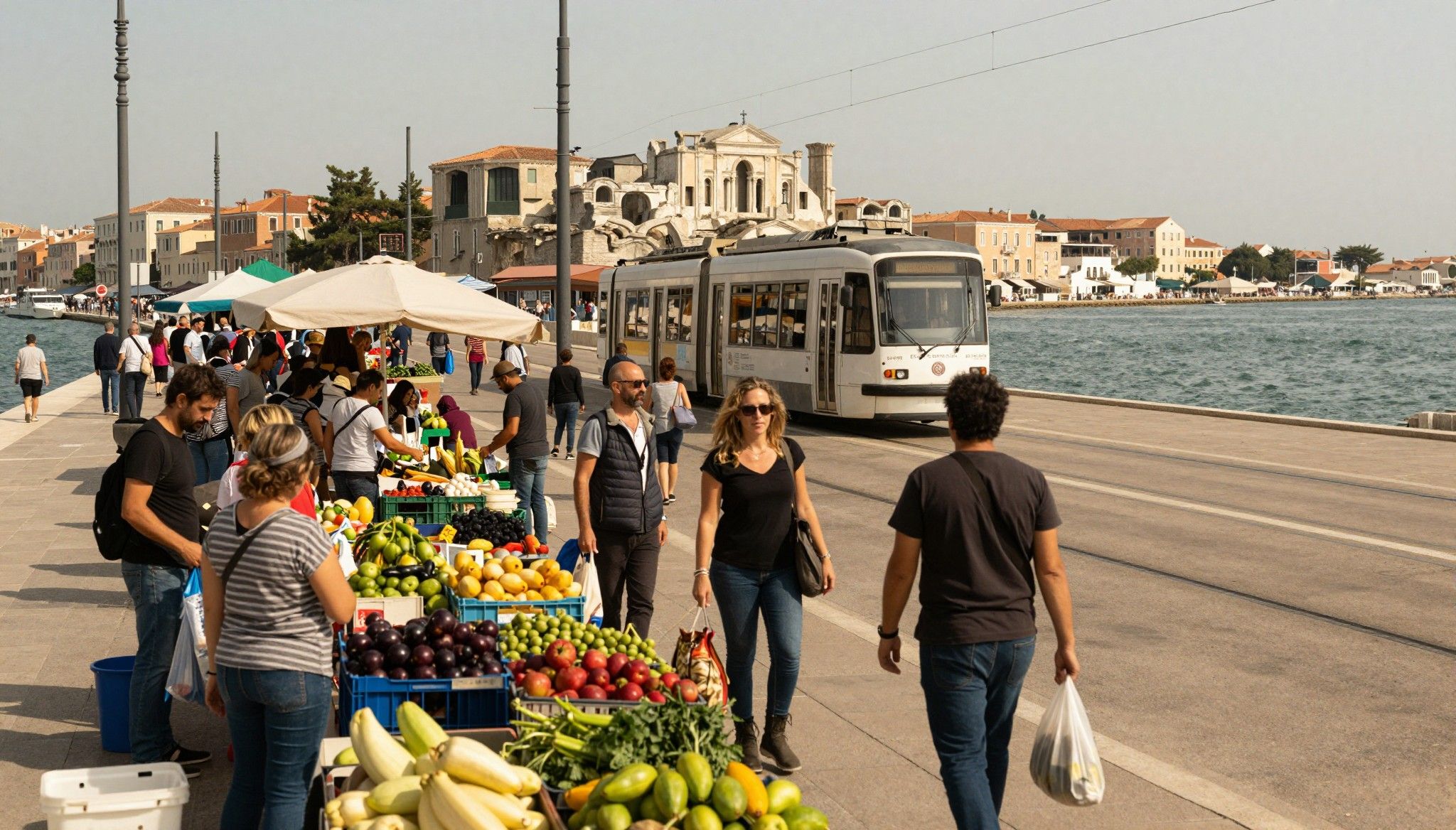
The local market — Mercato Centrale in Florence, Testaccio in Rome — is where you feel value daily: fresh produce, community ties and predictable foot traffic that supports neighbourhood cafés and short‑stay rentals. Weekend rhythms — outdoor markets, village festas, and seasonal harvests — create predictable occupancy peaks for holiday lets. For investors, proximity to markets and reliable public spaces often correlates with lower vacancy and steadier rents than mere sea‑view claims.
- Lifestyle highlights and micro‑pull factors
- Morning espresso at Caffè Sant' Eustachio (Rome) and quick foot-traffic analysis for short lets
- Weekly market proximity — Mercato di Sant’Ambrogio (Florence) or Mercato del Capo (Palermo) — supports year‑round local demand
- University towns (Bologna, Pisa, Padua) deliver stable student rental pools and lower per‑sqm prices than Milan/Rome centres
- Coastal towns (Gallipoli, Tropea, Amalfi) show strong summer cash flow but higher vacancy in winter — a seasonal arbitrage to manage, not ignore
Making the move: practical considerations that preserve lifestyle value

Romance meets balance when you map lifestyle priorities to market fundamentals. National house prices rose ~3.9% y/y in Q3 2024 per ISTAT, with new builds accelerating more steeply than existing stock. That matters because renovation budgets, energy upgrades and historical‑building constraints have a direct, quantifiable impact on net yield. Allocate inspection and retrofit allowances early — especially in older central properties where structural, seismic and heritage rules often apply.
Property styles: what to buy for how you want to live
A centuries‑old palazzo flat offers character and tourist appeal but carries higher maintenance and limited energy efficiency — better for short‑let strategies with premium pricing. Modern apartments in Milan or Turin yield steadier, long‑term leases from professionals, with lower capex for compliance. Country villas in Tuscany or Puglia provide lifestyle upside and seasonal rental windows; budget for landscape, pool maintenance and local tourism promotion to protect yields.
Working with local experts: agencies, notaries and engineers
Italian transactions require a local team: a licensed notary (notaio) to formalise sales, a geometra/engineer for cadastral checks and an accountant familiar with regional tax variations. A specialist agency translates lifestyle desires into technical requirements — walkability, heating type, tenant profile — and flags red flags like unregistered habitable space. Use an agency that provides rental‑market comparables, renovation quotes and a clear total cost of ownership estimate before offer.
- Steps to align lifestyle goals with investment discipline
- Define target tenant profile (students, professionals, holiday guests) and estimate achievable net yield using local comparables.
- Commission a technical due diligence (catasto, seismic, energy certificate) and include renovation reserve as a line item in your offer.
- Confirm tax treatment and withholding for non‑resident owners; ask your accountant for net yield scenarios after IMU, TARI and local rates.
Insider knowledge: contrarian truths expats wish they'd known
Contrary to the postcard, Italy’s highest gross yields often sit outside glamour markets. Global Property Guide and market surveys show stronger gross yields in smaller southern cities due to lower entry prices. But higher yield often requires more active asset management — longer voids, renovation needs and less predictable tourist flows. Smart buyers trade a small premium in stable cities for lower operational complexity unless they have an active management strategy.
Cultural practicalities that change where you buy
Language and local relationships matter: neighbourhood committees, condo administrators and local builders prefer direct, long‑term contacts. Expect slower municipal processes for permits and a cultural premium on personal recommendation. If your plan relies on short‑term lets, check regional regulations: many communes limit tourist rentals or require registration, and enforcement varies widely.
Long‑term lifestyle reality: how life changes after move
After the move your calendar will fill with local rhythms: market days, neighborhood aperitivi and local associations. Practicalities — energy bills, winter heating, and municipal services — will shape your cost base more than a one-off purchase price. Over five years, those running costs and local rental demand evolution determine net returns as much as capital appreciation.
- Red flags to spot on viewing day
- Unregistered rooms or attic conversions without permits
- Absent or outdated energy performance certificate (APE)
- Complex condominium rules that limit rentals (check regolamento condominiale)
- Poor water pressure or dated heating that will require immediate capex
Conclusion: Italy’s lifestyle is the asset; rigorous process protects returns. Fall in love with neighborhoods — Oltrarno’s workshops, Milan’s canal-side cafés, Sicilian baroque squares — but underwrite that emotion with comparables, technical due diligence and realistic net yield models. Start by mapping lifestyle priorities to tenant profiles, commission local inspections, and work with a bilingual agency that provides clear TCO and rental scenarios. With that discipline, Italy rewards both life and portfolio performance.
British expat who moved to the Algarve in 2014. Specializes in portfolio-focused analysis, yields, and tax planning for UK buyers investing abroad.