Italy’s Seasonal Edge: When Lifestyle Reprices Returns
Italy’s charm masks wide local divergence: use national data as context, then price streets, seasons and tenant mix to turn lifestyle into reliable returns.

Imagine an autumn morning in Trastevere: espresso steam rising, laundry flapping from a fifth-floor balcony, and a council worker sweeping leaves from cobblestones while an apartment a block away lists for a price that looks reasonable next to Milan's Centro. Italy’s rhythm—the markets that pulse with festival seasons, university terms and tourist peaks—reshapes both how you live and how your returns look.
Living the Italy lifestyle: texture before spreadsheet

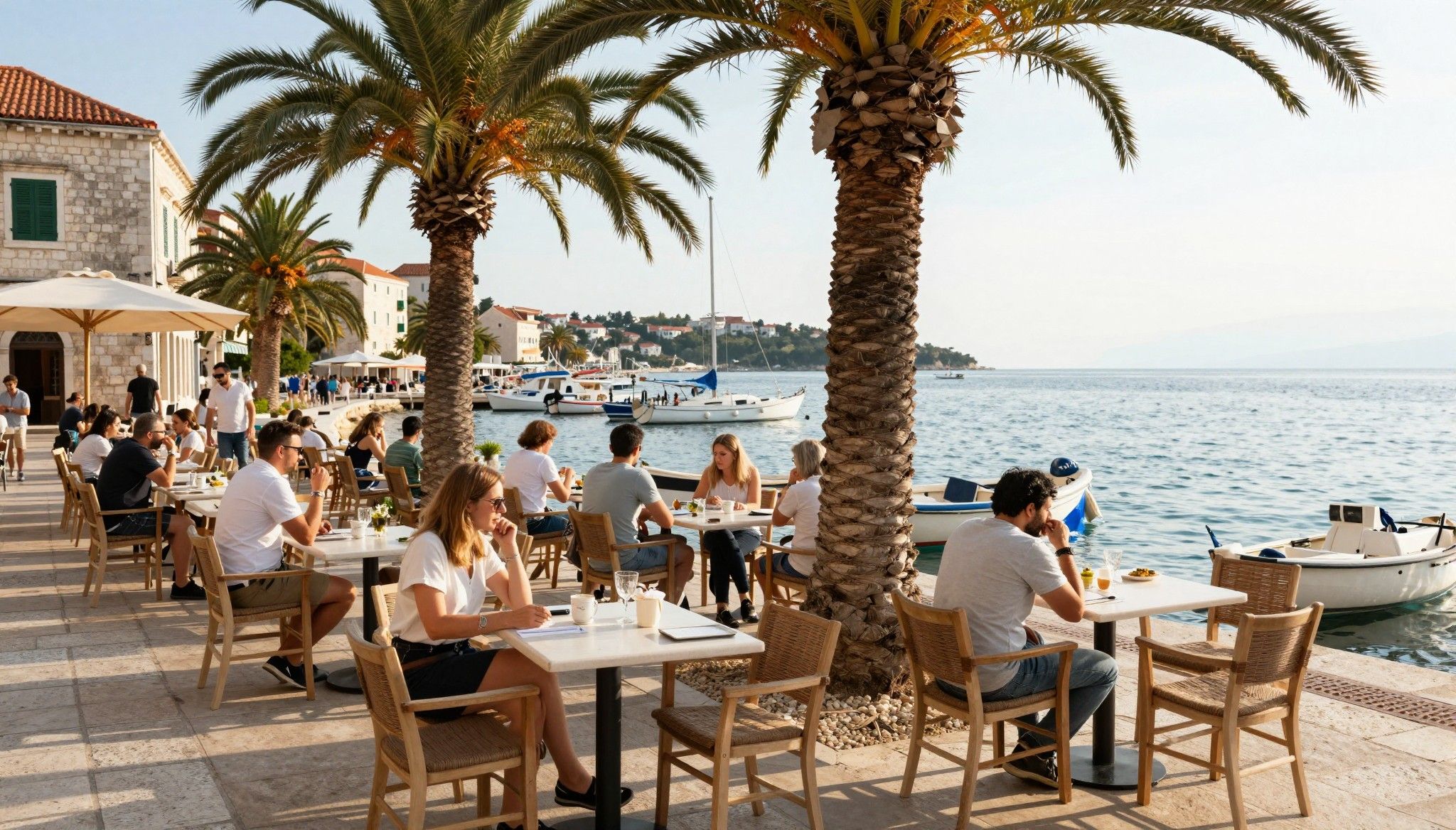
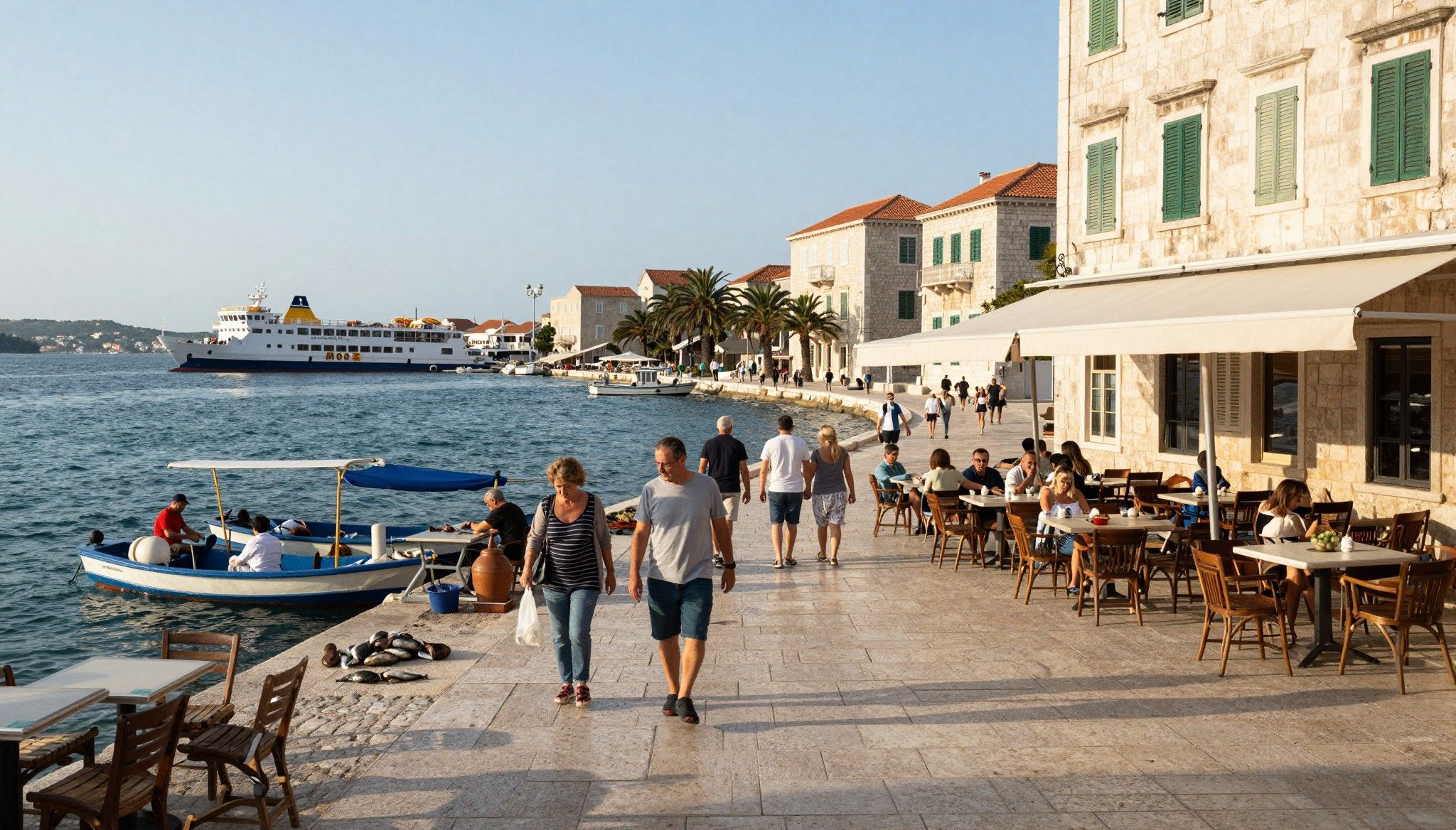
Italy is tactile: morning markets, narrow lanes that open to light-filled piazzas, and neighbourhood cafés that double as social infrastructure. These everyday textures—markets in Palermo, passeggiatas in Rimini, aperitivi in Navigli—are why buyers fall in love. They also explain rental demand seasonality and why price moves reported by national statistics can mask big local divergence. ISTAT reported national house price growth in 2024, but the lived experience differs by street and season.
Neighborhoods that define the choice: Rome, Florence, Milan
Each city has its choreography. Milan’s Centro and Brera are about professional density, coworking and high rents per square metre; Immobiliare.it shows central Milan commanding over €10,000/m² in prime pockets. Rome’s Trastevere or Prati prize character and long-stay tourism; Florence’s Oltrarno trades proximity to museums for quieter rental turnovers. Choosing a neighbourhood is choosing what kind of daily life you’ll underwrite—and what tenant profile will pay rent reliably.
Food, markets and weekend rituals that anchor demand
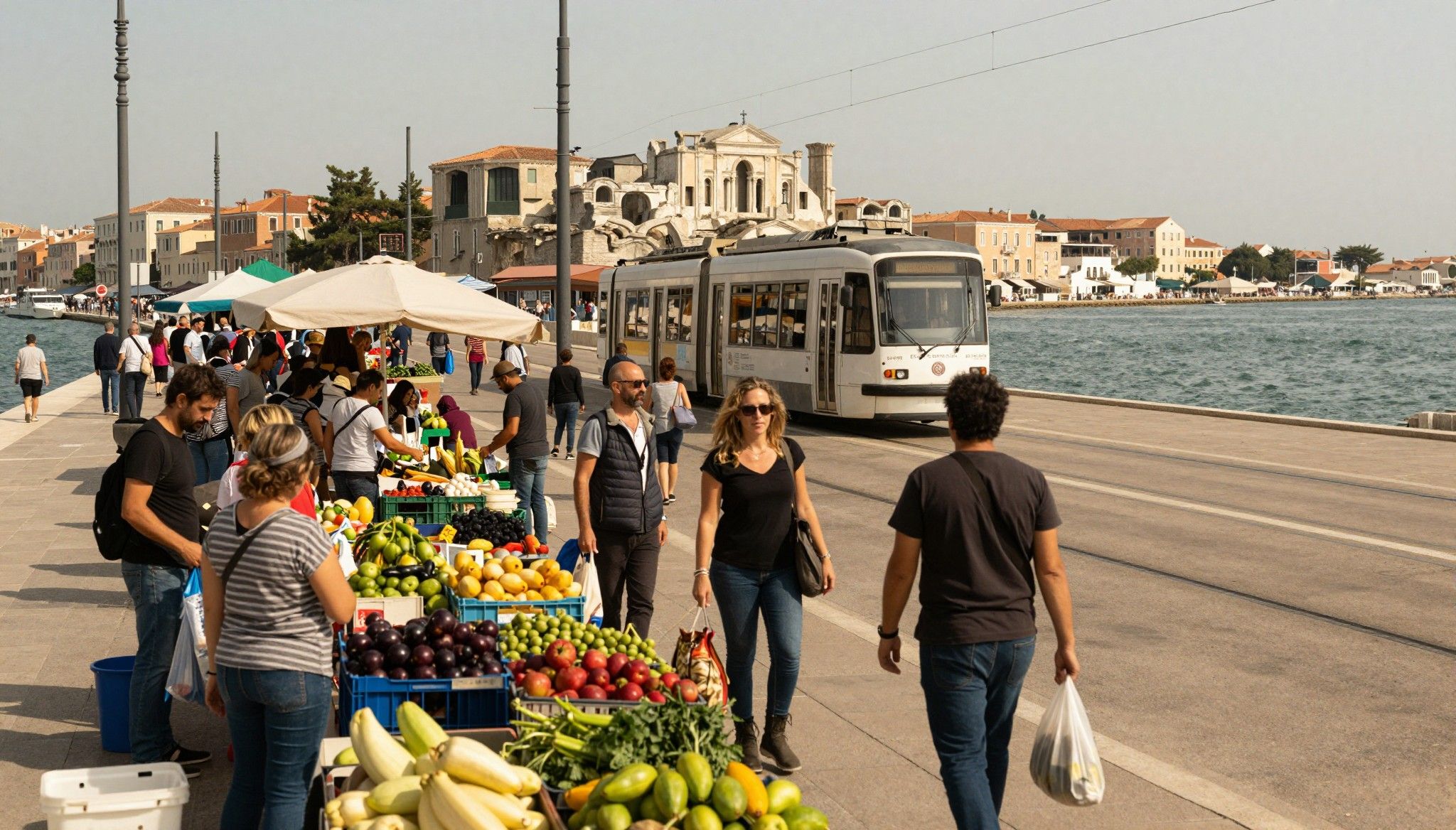
Weekends in Italy are local economies: fish stalls at Mercato di Testaccio, late-afternoon aperitivo in Navigli, truffle fairs in Alba. These cultural anchors create stable short- and mid-term rental demand—students in university towns, professionals in business districts, tourists in historic cores. Savvy buyers map property potential to the rhythm of markets and events, not just headline city prices.
- Markets and lifestyle highlights
- Trastevere, Rome – narrow lanes, evening trattorie, strong long-stay rental market for professionals and creative tenants
- Oltrarno, Florence – artisan workshops, quieter tourism peaks, solid demand from culture-led stays
- Navigli & Porta Romana, Milan – coworking access, steady monthly rentals, premium per‑m² in central wards
- Coastal pockets (Sicily, Amalfi hinterland) – seasonal spikes, high short‑term yields but variable occupancy
Making the move: practical reality woven into lifestyle

The emotional draw must meet financial discipline. National data show modest house price growth, but regional spreads are wide: northern urban cores outperform on capital appreciation while many southern towns offer higher gross yields. Use macro indicators as filters, then drill to street-level metrics—price per square metre, typical tenant profile, and seasonal occupancy patterns from listing platforms.
Property styles and how they shape living (and returns)
A restored centro storico apartment gives authenticity and premium nightly rates but often higher maintenance and stricter renovation rules. New-builds near transport hubs cost more per square metre but attract longer-term professional tenants and lower capex risk. Villas in wine country buy lifestyle but require active management and season-aware pricing. Match property type to the income model you want: stable monthly rent or high-season short-term returns.
Working with local experts who know both life and law
Local agencies translate lifestyle briefs into investment-ready searches: they know which streets fill in winter, which buildings have legal limits on changes, and where municipal plans will alter demand. Use agents to test assumptions—can you convert terraces for year-round enjoyment? Is the neighbourhood supply skewed to short lets? Ask for historical occupancy for comparable units and a frank estimate of maintenance overheads.
- Steps that blend lifestyle and practical checks
- Define your income model: monthly professional tenancy vs seasonal short‑term lets.
- Request street-level price per m² and 12‑month occupancy records for comparable units.
- Estimate total cost of ownership: utilities, condominium fees, restoration levies and local IMU/transfer taxes.
Insider knowledge: what expats wish they'd known
Reality-checks from long-term residents: language matters but local networks matter more; a good notaio (notary) and an accountant who understands non-resident tax rules save months of friction. Expect slower bureaucracy than northern Europe but steadier community integration once you invest effort. Also, what looks like a bargain in a seaside town may carry off-season vacancy risks that grind down net yield.
Cultural integration and everyday logistics
Neighbourhood life in Italy is social infrastructure: baristas learn names, market vendors become local intelligence sources, and building superintendents (portieri) manage operational issues. For buyers, that means choosing streets where you’ll quickly build operational support—someone to collect keys, a reliable cleaner, a plumber who answers the phone. These micro-connections keep properties tenanted and maintenance predictable.
How lifestyle choices age with a property
The first years are lifestyle-heavy: you learn local timetables, neighbour politics and which festivals spike demand. Long-term owners report that properties aligned to local demand (proximity to universities, hospitals, transport nodes) age better in cashflow terms than romantic investments bought for a view alone. Consider that national indices show price growth but your street-level resilience depends on tenant diversity.
- Red flags local agents will flag
- Strict historic-centre renovation limits that raise capex and timeline risk
- High seasonal variance in seaside towns that compresses annualised yield
- Buildings with shared heating or unclear condominium funds—future assessments can surprise budgets
Conclusion: Italy sells a way of living—and the smart buyer prices that living into an investment model. Use national data to set context (ISTAT, Immobiliare.it), then demand street-level metrics and agent-sourced occupancy histories. If lifestyle is your entry point, let disciplined due diligence be the map: check price per m², expected maintenance, and seasonal occupancy before committing. When you marry the texture of a place to rigorous financial checks, Italy stops being a dream and becomes a durable, well-priced asset.
Danish relocation specialist who moved to Cyprus in 2018, helping Nordic clients diversify with rental yields and residency considerations.