Greece: Where Lifestyle Meets Rental Reality
Greece blends year‑round rental anchors and summer hotspots; model regulatory costs, prefer small central units for steady yields, and verify AMA/licence data before you bid.

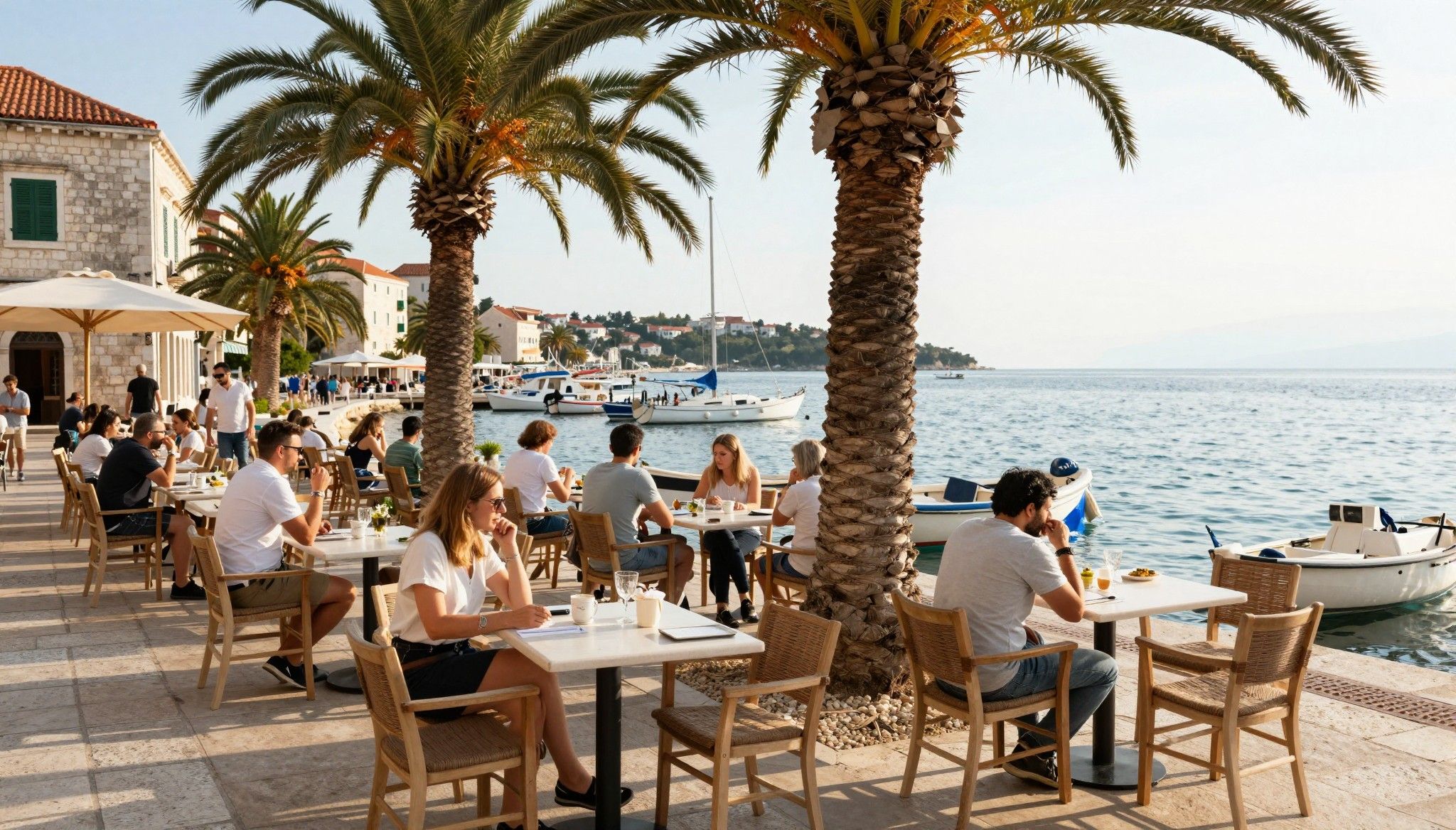
Imagine sipping a late-morning espresso under plane trees in Koukaki, then walking five minutes to a renovated studio that rents to students, remote workers and tourists all year. In Greece the lived-in rhythms—street markets at dawn, taverna dinners, ferries at sunset—shape both lifestyle and the maths behind rental returns. This piece explains where that lifestyle converts into reliable rent, where it doesn’t, and the practical trade-offs international buyers must accept to protect yield.
Living the Greece life: how place drives demand

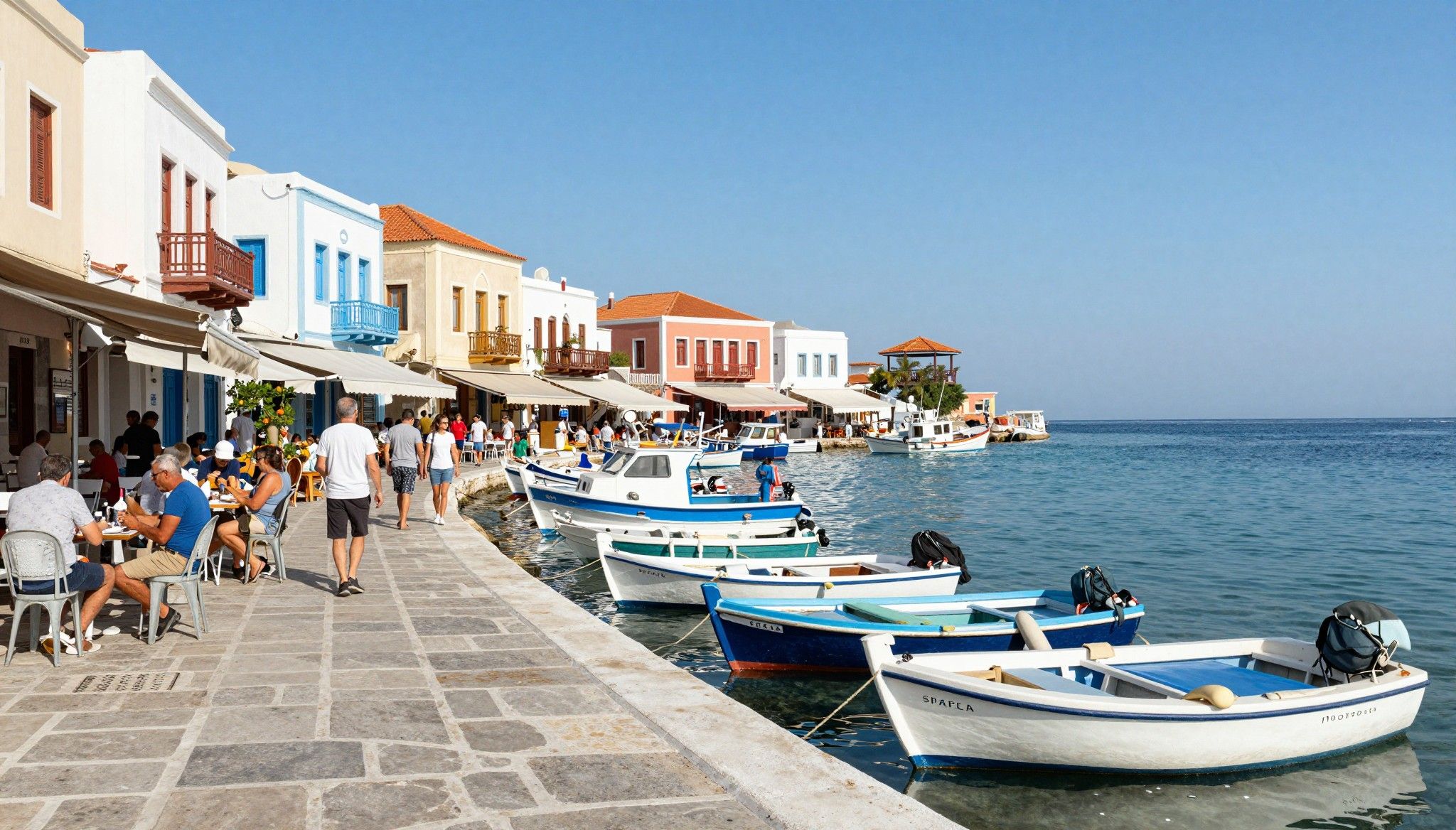
Greece is not one market: it is a mosaic of year-round cities, seasonal islands and commuter suburbs. Urban Athens hums on weekdays with workers and students; islands like Mykonos and Santorini pulse in summer and quieten for six months; university towns (Patras, Thessaloniki) deliver steady student demand. For yield-focused investors, understanding which rhythm dominates a neighbourhood is the first investment decision.
Athenian neighbourhoods: small apartment economics
Central Athens districts such as Koukaki, Exarchia and parts of Psirri combine tourist footfall with local tenants and short-term demand, which lifts achievable rents for small units. According to market trackers, citywide gross yields in Athens cluster around the mid‑single digits — higher for one-bed studios, lower for large luxury flats — so a tight buy-price per square metre matters more than curb appeal. Renovation and unit-sizing strategies often convert an ordinary apartment into a high-yield asset in these areas.
Islands vs. mainland: seasonality and occupancy
Island towns can deliver headline-grabbing summer returns—short-term gross yields that outstrip long-term rents—but new regulatory and tax measures aimed at short‑term rentals have altered the risk profile. Higher tourism levies and tighter registry rules mean summer income is predictable only if compliance costs are modelled. For most investors seeking steady cash flow, mainland university towns and commuter suburbs now look comparatively attractive for net yields.
- Lifestyle highlights that influence rental demand:
- Koukaki (Athens) — walking access to museums, cafes and short metro rides; strong short- and long-term tenant mix.
- Exarchia & Amerikis Square — student and young-professional demand; small units perform well.
- Thessaloniki centre — lower purchase prices, steady rental demand from universities and professionals.
Making the move: practical considerations that protect yield

Lifestyle appeal is seductive; yield preservation requires modelling regulatory costs, vacancy, taxes and management fees. Recent Greek reforms tighten short-term rental rules and create higher compliance costs; build these into your pro forma and stress-test occupancy across seasons. Use official rental‑ask data and municipal restrictions to avoid overestimating summer income.
Property types and the returns they realistically give
Small, renovated apartments in central neighbourhoods typically yield higher gross returns (mid‑single to high‑single digits) because rent per square metre is maximised. Larger seafront houses or luxury penthouses often appreciate but deliver lower current yield. For predictable cashflow favour compact apartments near universities, metros or medical hubs.
How local experts convert lifestyle briefs into rental-ready assets
Use a local agency that maps tenant demand to unit plans—floorplate, fixtures, and furniture—rather than just listing aesthetics. Agencies that understand municipal short-term rental moratoria, licensing (AMA), and tax classification can advise whether a unit is best for long-term lease, student rooms, or compliant holiday rental. Local managers cut vacancy by screening tenants and optimising pricing across platforms.
- Steps to protect yield when buying in Greece:
- 1) Map demand: verify nearby universities, hospitals, offices and transport nodes.
- 2) Model regulations: include short‑term tax/levy, AMA registration, and local moratoria in cost projections.
- 3) Size for renters: prefer one‑bed/studio conversions if market data show higher per‑sqm rent.
- 4) Contract experienced property managers before purchase to estimate real net yield.
Insider knowledge: expat realities and regulatory red flags
Expats often assume short-term income is an uncomplicated premium. Greece’s tax authority has stepped up cross-platform audits and fines for undeclared income; owners renting multiple units face business‑activity classification. Treat compliance as part of operating expenses—non-compliance risk is not speculative, it is quantifiable and increasingly enforced.
Cultural and seasonal realities that change tenant behaviour
Greek social rhythm—long family summer holidays, Sunday markets, and festival weeks—affects short-term availability and cleaning cycles. Tenants expect air-conditioning, reliable internet and proximity to grocery markets. Overlooking simple cultural expectations (e.g., midday closures, holiday schedules) increases turnover costs and reduces net yield; plan operations accordingly.
Red flags and how to spot them before you bid
- Key red flags:
- No AMA/registry number or ambiguous property use designation.
- Neighbourhood under a short-term rental moratorium (central Athens districts have had temporary freezes).
- High asking price per sqm with weak transport links or no year-round demand anchor.
If you spot any of these, pause. Insist on written confirmation about AMA status, municipal rules and recent occupancy data from your local agent before making an offer.
In short: Greece offers both postcard summers and steady rental economics, but the returns depend on matching lifestyle context to asset type and being realistic about regulation and costs. Begin with demand mapping, model net yield conservatively (subtract 1.5–2 percentage points from gross yields for realistic operating costs), and partner with an agency that understands municipal restrictions and the property registry.
Next steps: request neighbourhood-specific rent roll data, confirm AMA status, and run a 3-scenario cashflow model (conservative, base, optimistic) with your advisor. If lifestyle is the magnet, let the data be the restraint: buy where the daily rhythms and the numbers both point to steady returns.
Swedish financier who guided 150+ families to Spanish title deeds since relocating from Stockholm in 2012, focusing on legal and tax implications.