Cyprus: The Seasonal Yield Myth vs. Real Returns
Cyprus combines recovered tourism and 5%‑range apartment yields in key hubs; match lifestyle choice to tested rental data and model net yields, not labels.

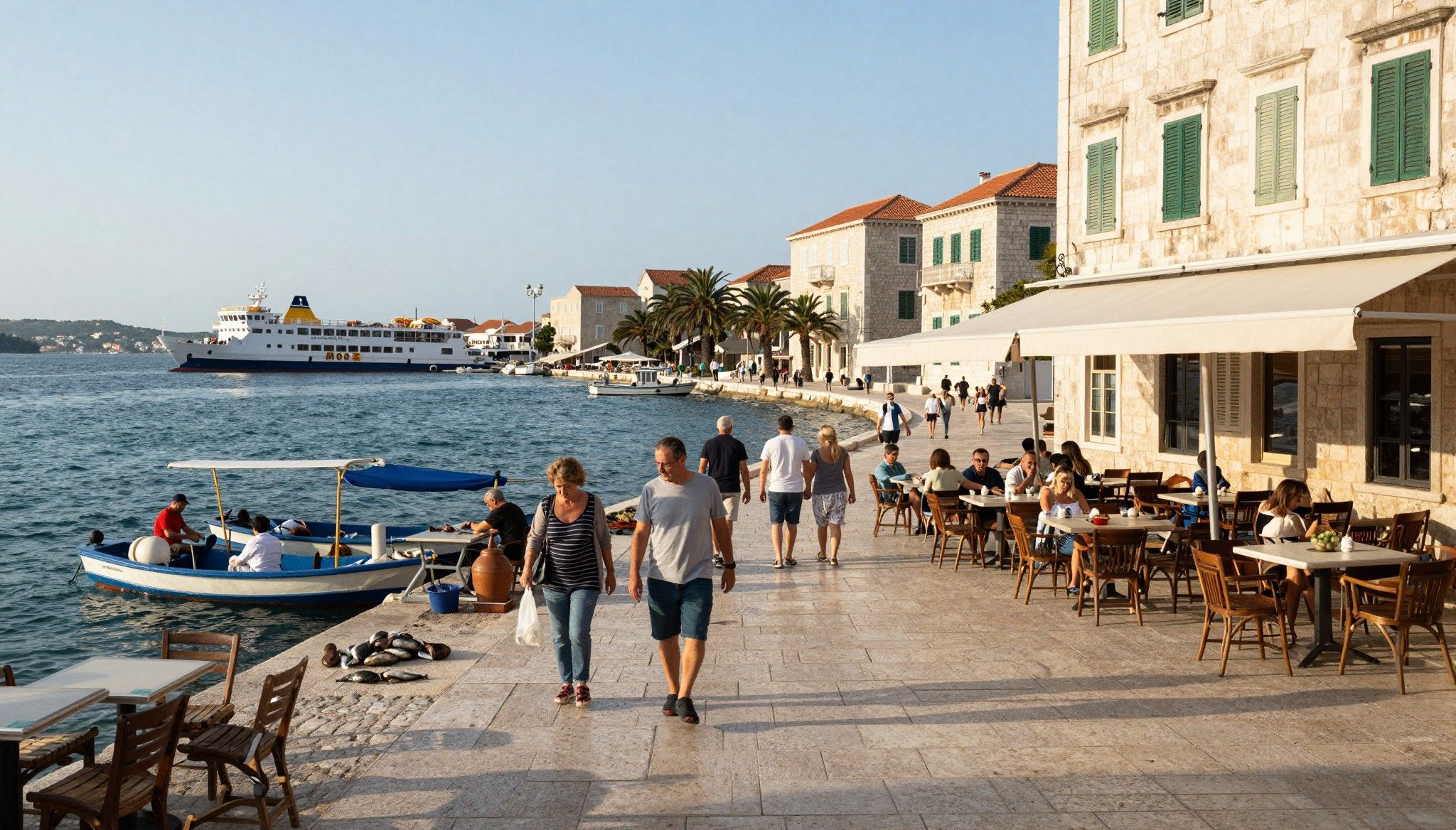
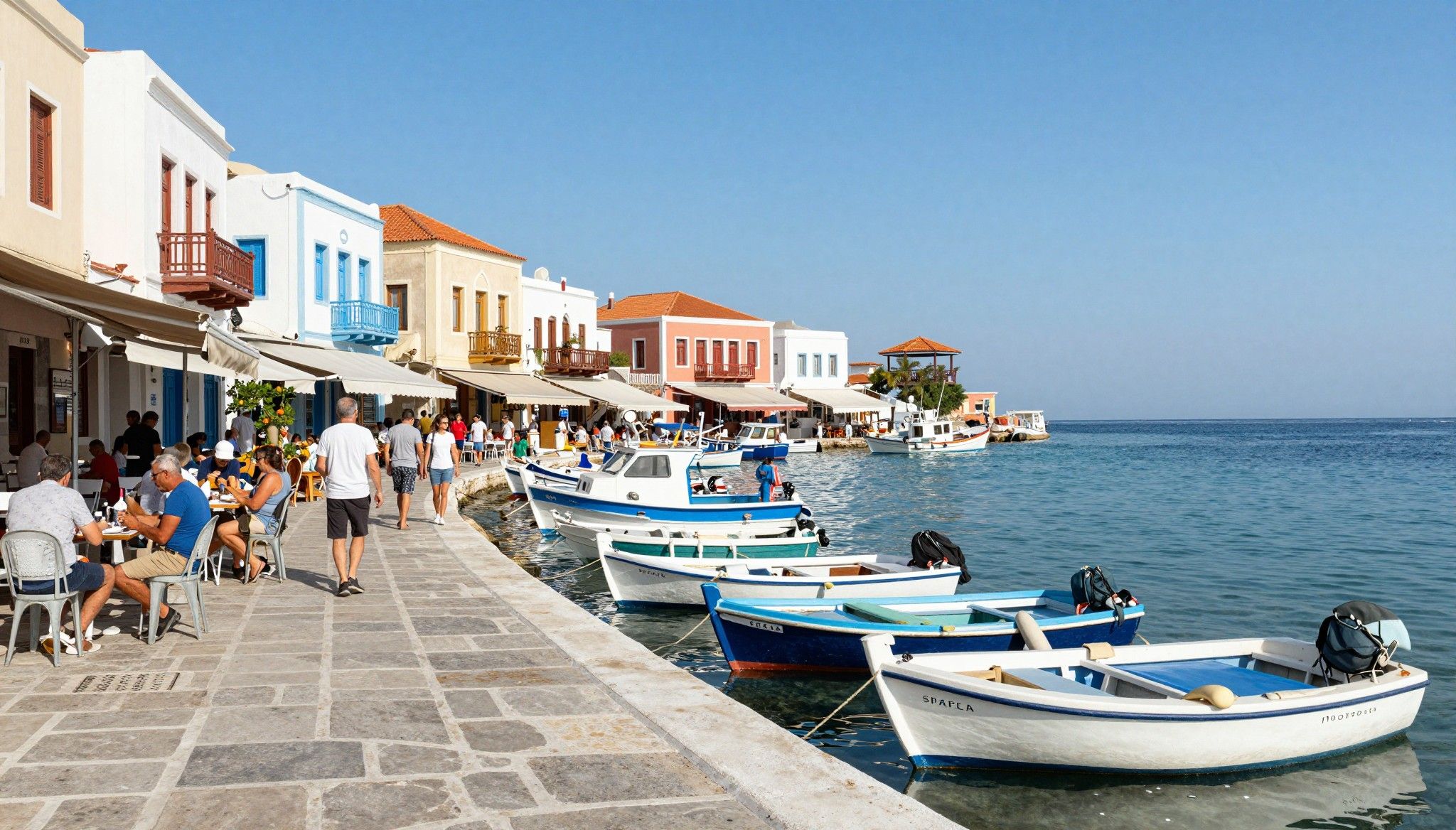
Imagine mid‑morning in Limassol: espresso at To Souvlakia, noise of construction cranes beyond the palm trees, a broadband‑connected freelancer finishing a client call on a balcony overlooking the Mediterranean. That sensory scene is why buyers fall for Cyprus — but the numbers behind that promise matter just as much. Recent market analysis shows tourist recovery and steady rental demand are rewriting yield expectations for apartments in key hubs.
Living Cyprus: sun, small streets and pragmatic luxury
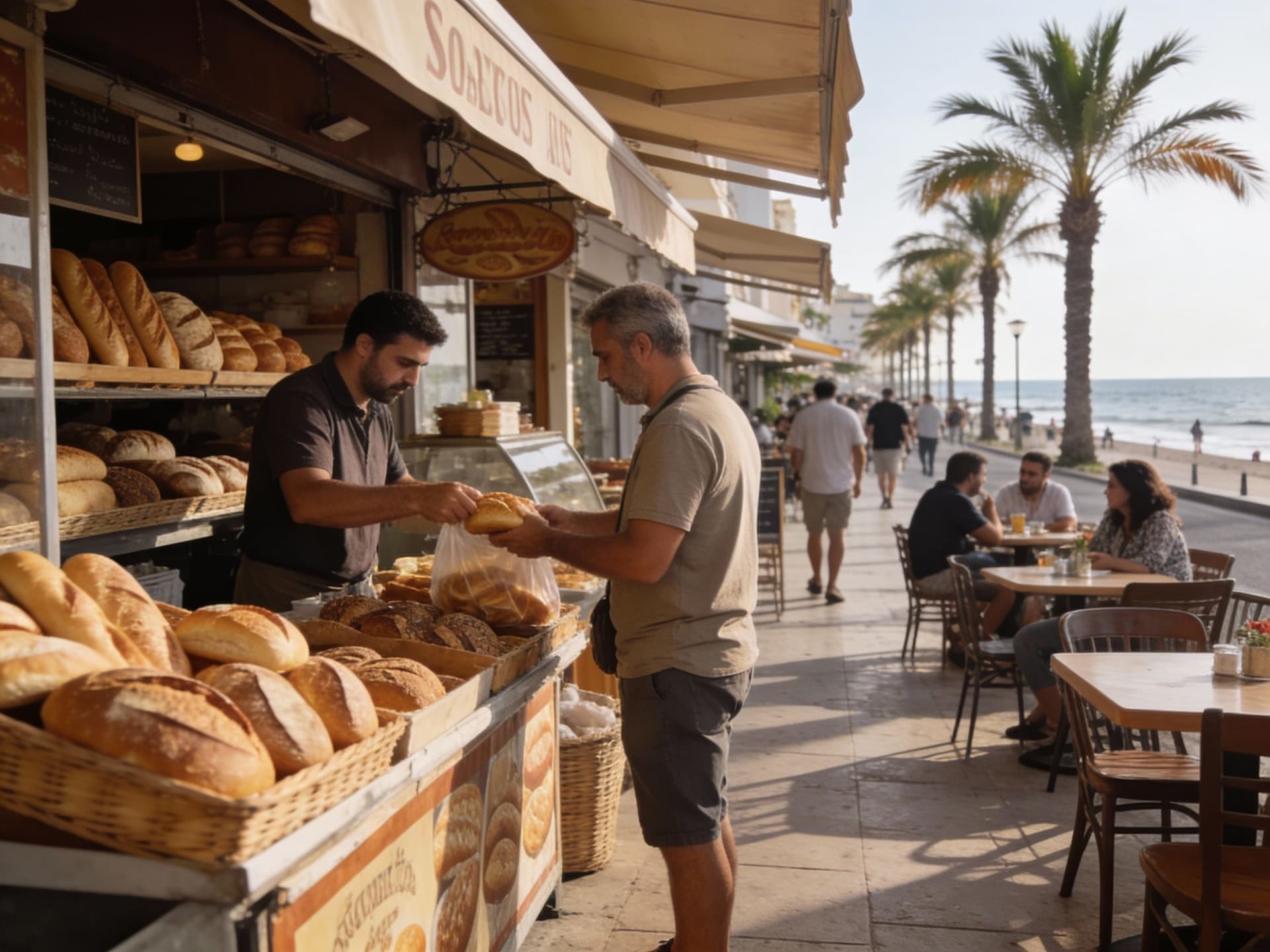
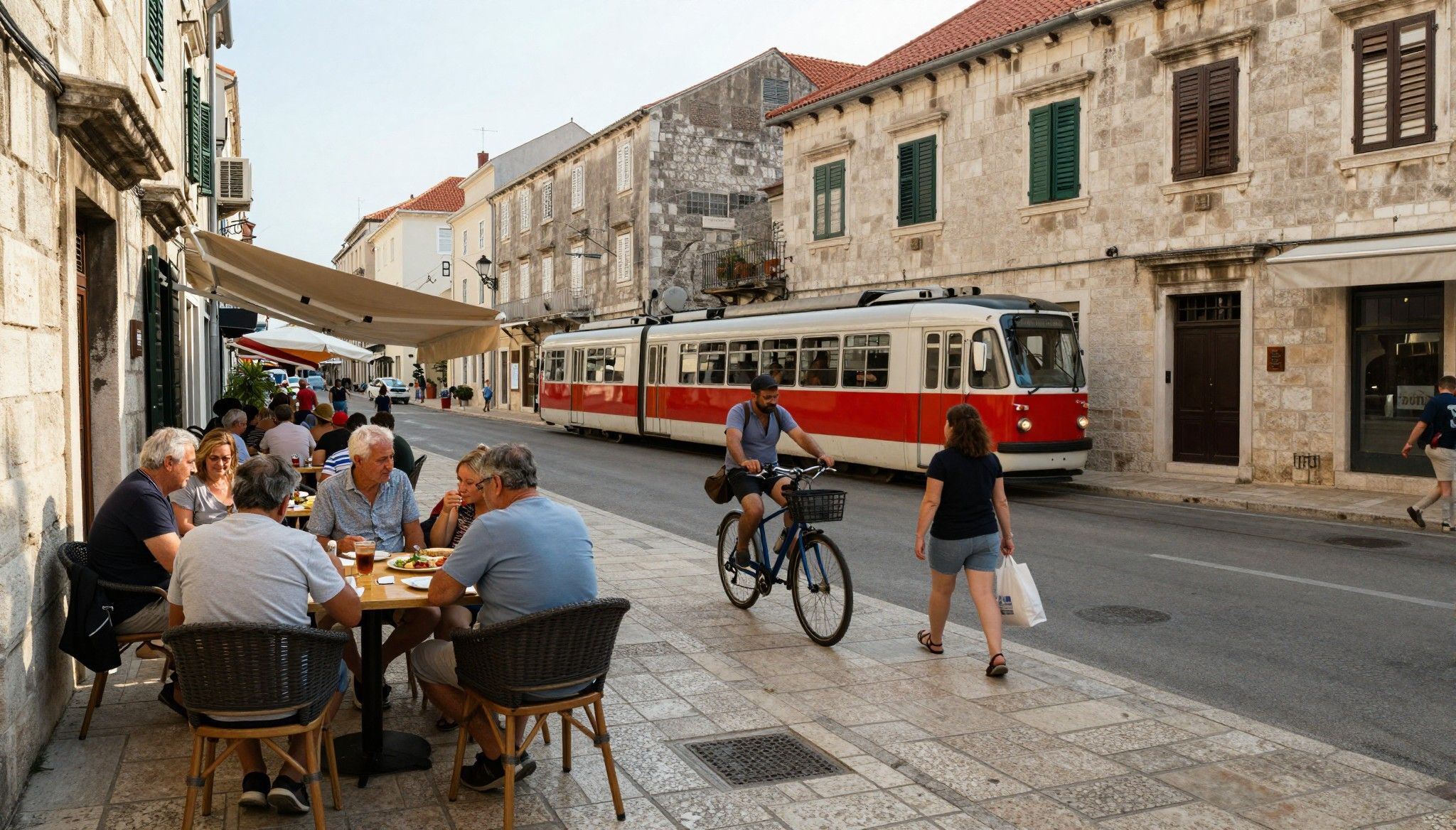
Cyprus lives like a set of seasonal layers: beaches and beach bars in summer, quieter cafés and citrus harvests in winter. Urban life centers on Limassol and Nicosia; coastal towns such as Paphos and Ayia Napa pulse with tourism but settle into local rhythms off‑season. English is widely spoken, markets hum on Saturdays, and communal life still orbits the kafenion (coffee house) and weekly food markets.
Limassol & Germasogeia: coast with commerce
Walk the Molos promenade to understand Limassol’s appeal: boutique hotels, waterfront apartments built since 2015, and an international school scene that draws families. For investors, Limassol combines short‑let tourist demand with corporate rental demand (finance and shipping staff), which underpins stronger average rents than inland districts.
Paphos & Polis: heritage, quieter yields
Paphos blends ancient streets and coastal villas and recorded high tourist share in 2024, supporting seasonal short‑term rental income. But its long‑term capital growth historically trails Limassol; Paphos is better seen as a balance between lifestyle and accommodation income backed by steady tourist arrivals.
Market pulse: why the 'expensive Cyprus' story is incomplete

Headline price rises in coastal hotspots have given Cyprus an 'expensive' label. Yet rental yields and district dispersion tell a subtler story: apartments in Limassol and Nicosia show gross yields near 4.5–5.5%, while houses and peripheral towns often present lower yields but room for reno‑driven capital uplift. Use price per sq. m and cap rate comparisons, not broad labels, to judge value.
Data points that matter
Look for: average asking rent by district, transactions by property type, and tenant share growth. Recent industry reports show apartment gross yields around 5% in key markets and rising tourist arrivals (4.04m in 2024), which supports short‑term demand and stabilises rents outside peak months.
Why seasonal tourist growth helps long‑term yields
With 2024 tourist revenues rebounding above pre‑pandemic levels, cities that combine year‑round services (air access, healthcare, schools) with visitor flows capture a mix of long‑stay and short‑stay renters. That mix reduces vacancy risk and smooths seasonal peaks — a structural benefit to well‑located apartments.
Making the move: property types, buying rhythm and local partners
Your lifestyle choice — terrace breakfasts, mountain weekends or full coastal life — should map directly to the property form you choose. New‑build apartments give turnkey rental appeal; village houses offer renovation upside but longer holding costs. Work with local agents who quantify net yield (rent minus running costs and taxes) and provide verified rental comparables.
Property styles and investment implications
Apartments in Limassol and Larnaca: higher rents, better yields for corporate and holiday lets. Detached houses in suburbs and mountain villages: lower yields but potential capital gains via refurbishment. Off‑plan coastal developments: watch completion risk and developer track record; they often command premiums that compress initial yields.
How local experts preserve lifestyle + returns
A good local agency does three things: (1) tests rental demand with live listings and agency comparables; (2) models net yield incorporating municipal rates, insurance and management; (3) advises on timing — for instance avoiding buying in high‑season auctions when domestic demand outbids investors.
- Ask these lifestyle‑plus‑numbers questions before bidding:
- Which months drive 60% of short‑term bookings in this district (seasonality metric)?
- What is the realistic gross yield on similar apartments after management fees (net yield)?
- Are there upcoming planning changes or infrastructure projects near the street that will reprice values?
Insider knowledge: what expats wish they'd known
Expats often romanticise sea‑view terraces and forget recurring local costs: utility levies, condominium maintenance and seasonal vacancy. Another frequent surprise is the paperwork rhythm — searches and title checks run differently than in common law countries — so expect time buffers and insist on full land registry extracts.
Cultural cues that change where you buy
Community life still centres on small neighbourhood networks; proximity to the local bakery, church or market can materially affect rental desirability for local tenants. Language is rarely a barrier in urban transactions, but personal introductions speed negotiations in village markets.
Longer‑term lifestyle considerations
Policy shifts — like the post‑2020 end of the citizenship‑for‑investment programme — have reweighted the buyer profile away from opaque capital inflows toward genuine resident and tourist demand. That shift improves transparency but also means investors must rely on rental economics, not residency offers, to justify purchases.
- A practical buying checklist blending lifestyle and returns:
- 1. Confirm verified rental comparables for the exact street and unit type; request agency booking records for the last 24 months.
- 2. Commission a survey and title search; require registered Land Registry extracts and building permits for any extensions.
- 3. Model net yield: use conservative occupancy (60–70% for holiday lets off‑season) and include 8–12% management + maintenance buffers.
- 4. Stress‑test cash flow: run scenarios for lower tourist seasons and higher interest costs; establish a 6–12 month reserve.
- 5. Engage an attorney and an accountant to verify transaction tax treatment and ongoing landlord obligations for non‑resident owners.
Conclusion: Cyprus is both lived experience and numbers game. The island sells sun and social ease; the smart investor buys districts where tourist flows meet year‑round services, where verified rental data supports net yield, and where local partners translate lifestyle into cash flow. If you want to test a hypothesis for a specific street or unit, an evidence‑first agency will build the model and show you the downside as clearly as the upside.
Dutch investment strategist who built a practice assisting 200+ Dutch clients find Spanish assets, with emphasis on cap rates and due diligence.