Stress‑Testing Cyprus: Seasonal, Water & Yield Shock Scenarios
Stress‑test Cyprus property: model seasonality, water risk and yield compression using tourism, HPI and rental data to protect returns.

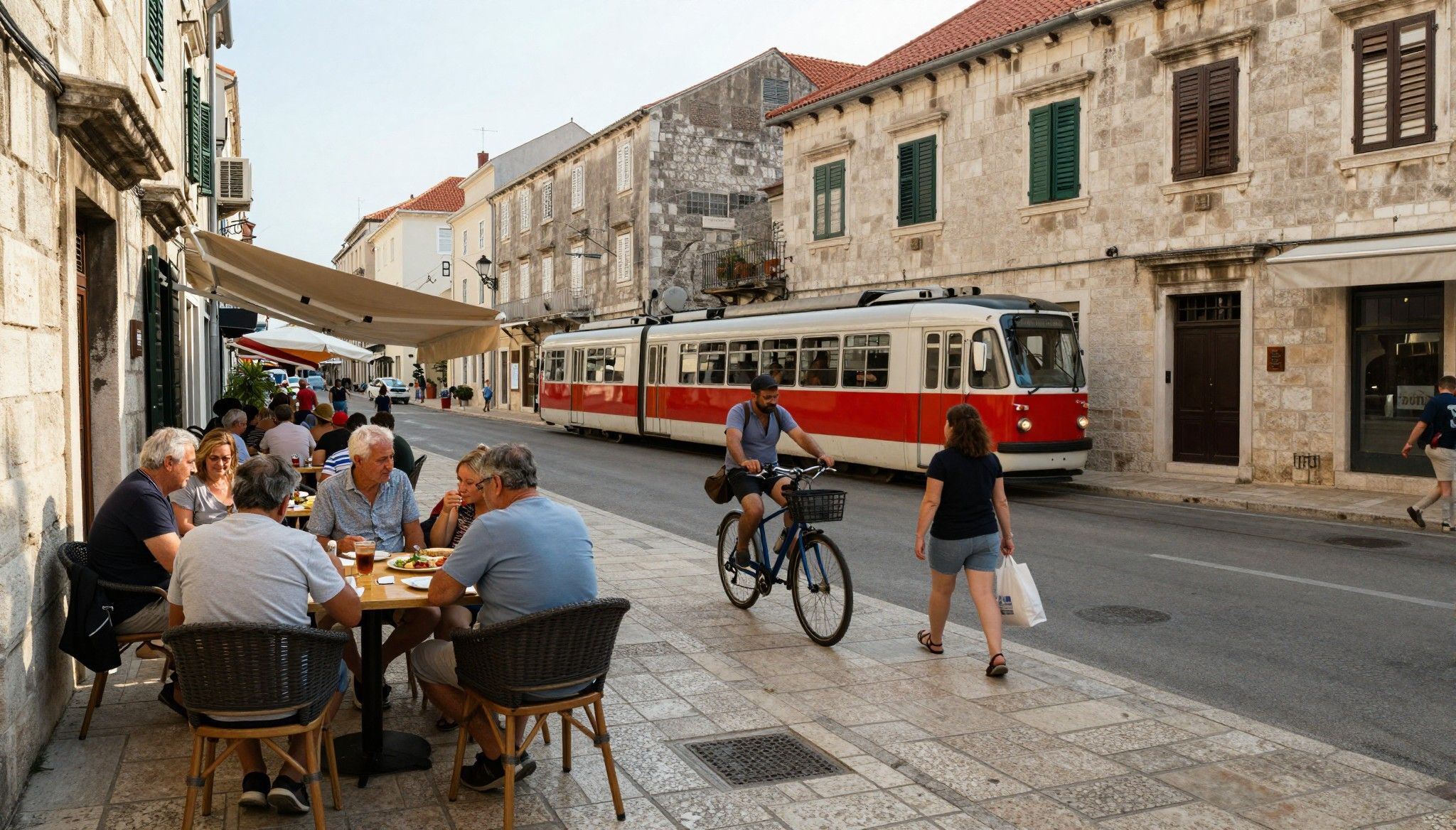
Imagine an island where café tables line narrow streets at dawn, coastal promenades fill with walkers at sunset and mountain villages smell of pine and baking halloumi. That same island—Cyprus—delivers steady tourism, euro‑zone stability and identifiable rental demand, but the numbers only tell part of the story. This guide stress‑tests the Cyprus dream: we translate seaside charm into scenarios that expose seasonal, resource and yield sensitivities so you can judge risk before you buy.
Living Cyprus: the daily rhythm investors fall for

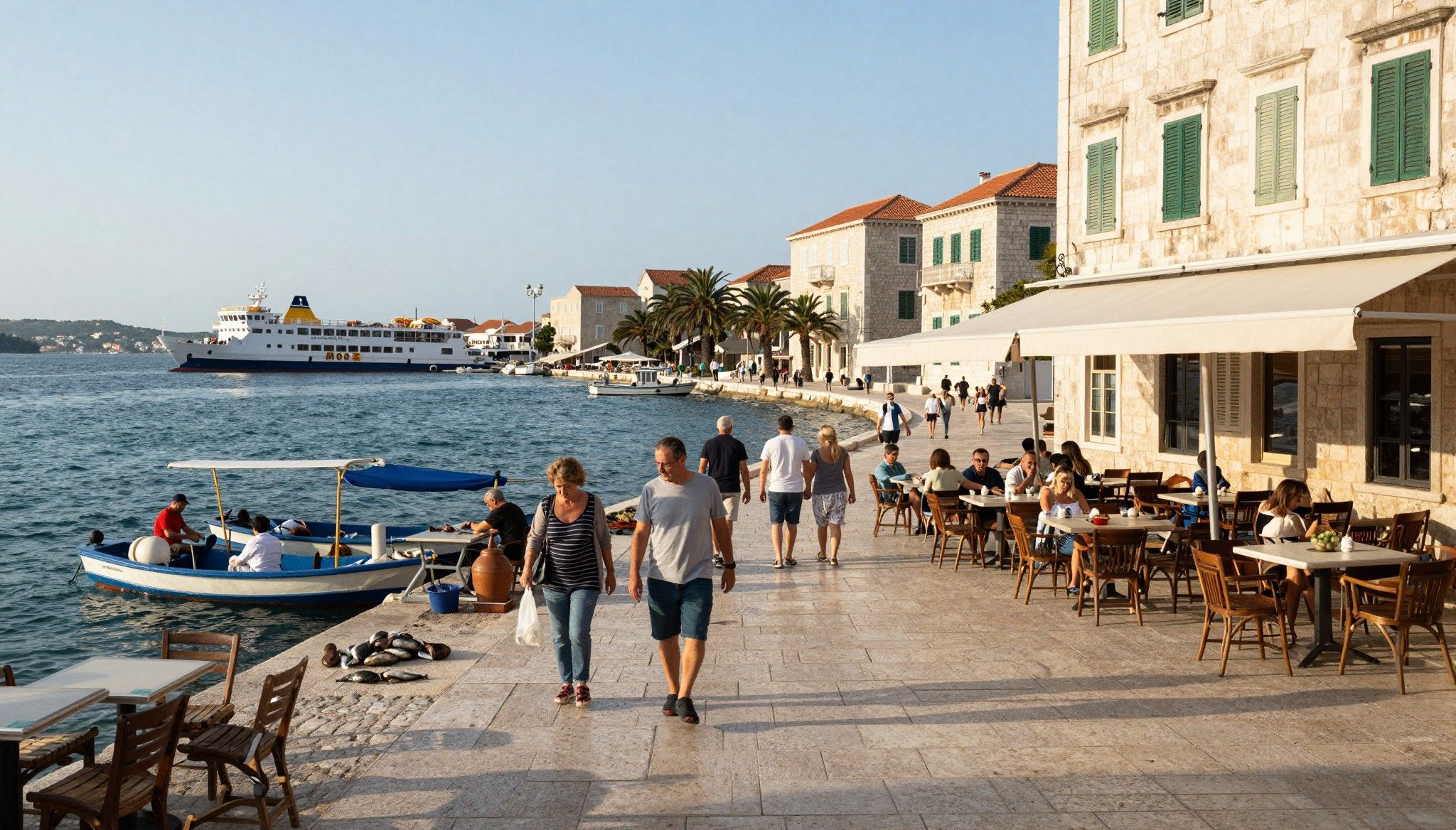
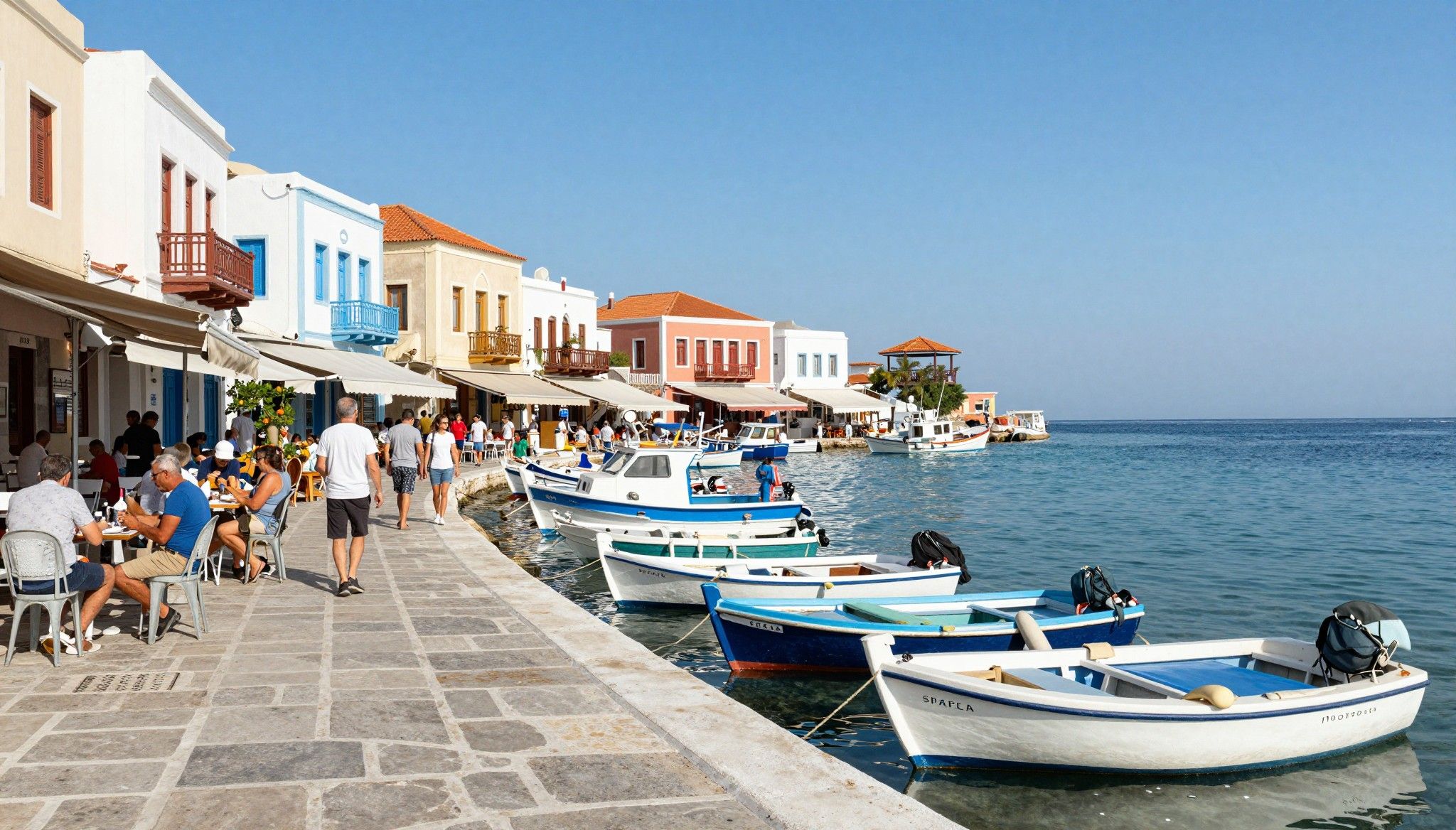
Picture morning espresso at Famagusta’s Larnaca coastal strip, late‑afternoon swims at Fig Tree Bay, and weekends in Paphos markets where vendors sell citrus and halloumi. Life centers on outdoors: cafés, tavernas, small supermarkets open late, and summer festivals that swell coastal towns. That everyday warmth supports short‑let demand—but it also concentrates economic activity seasonally and geographically, which matters for rental‑income stability.
Coastal hubs vs inland towns: who really rents year‑round?
Limassol, Paphos and Ayia Napa see the largest tourist flows; 2024 exceeded four million visitors, with Paphos and Ayia Napa capturing large shares of holiday nights. That tourist concentration pushes peak‑season rents high but leaves off‑season occupancy vulnerable—especially in single‑market strategies that rely on holiday lets rather than diversified tenant types. Use the 2024 visitor mix to model peak vs trough occupancy when forecasting cashflow.
Neighbourhood flavours: where locals actually live
In Limassol, Germasogeia and Agios Tychonas show marina‑side luxury and high transaction prices; Nicosia’s Strovolos and Lakatamia deliver steady year‑round rental demand from professionals and students. Paphos Old Town offers village charm with slower capital growth. Mapping who lives where helps you choose tenancy type—long‑term local renters, university students or short‑stay tourists—and that choice determines yield volatility.
Stress scenarios that change the numbers

Cyprus has shown modest house‑price growth in official indices, but HPI stability disguises local volatility. Below are three practical stress scenarios—seasonality shock, resource shock and yield compression—with the mechanics, data inputs and what to watch in contracts and cashflow models.
Scenario A — Seasonality shock (occupancy falls 30%)
Mechanic: short‑let dependent unit loses 30% of annual nights (airline disruption or weaker tourism). Input: use current gross yields (Limassol ~5.3%, Nicosia ~4.8%, Paphos ~4.3%) to baseline revenue. Result: net yield contracts materially after management fees and vacancy—often dropping below long‑term financing costs. Mitigation: contract clauses that allow conversion to long‑term tenancy, capex for winter‑proofing, and a buffer fund covering 6–9 months of operating expenses.
Scenario B — Resource shock: water restrictions and operational costs
Mechanic: drought and infrastructure strain force higher utility bills, planned supply curbs or once‑off compliance costs for properties (e.g., private boreholes or greywater systems). Cyprus recently announced funding and regulatory moves around desalination to protect tourism; buyers must price potential OPEX increases into net yield. Mitigation: require historical utility bills in due diligence, budget for water‑saving retrofits, and evaluate building‑level resilience (storage, pumps, plumbing age).
Scenario C — Yield compression: prices rise but rents lag
Mechanic: coastal prime districts record double‑digit price growth while broader rents move slowly—this lowers gross yields even as capital values climb. Limassol has seen strong price gains in luxury pockets; if financing costs rise faster than rents, total returns can underperform. Mitigation: stress test purchase price to a 10–20% correction, insist on rent history and tenant mix, and prefer properties with adaptable use (easy switch to long‑term rental).
Practical due‑diligence checklist for risk reduction
Treat Cyprus as a collection of micro‑markets. Your checklist should connect lifestyle appeal to measurable risk controls: confirm tenant demand across seasons, verify utility and running costs, and model financing under stress. Below are concrete actions to include in purchase workflows.
Bulleted operational checks
- Request 24 months of occupancy and utility bills; verify tax residency implications and VAT on renovations; demand break‑clauses that let you change tenancy type; obtain independent survey with plumbing and mains‑supply focus; build a 10–15% contingency for water and energy upgrades.
Numbered steps to stress‑test an acquisition
- 1. Create a base cashflow using current rents and yields. 2. Re‑run with 30% occupancy reduction and +15% OPEX. 3. Re‑run with a 10% price correction and higher mortgage margin. 4. Compare IRR and DSCR across scenarios and set a threshold for walk‑away.
Local partners and clauses that save returns
Good agents in Cyprus are more than matchmakers; they translate neighbourhood rhythms into cashflow assumptions. Seek firms that supply anonymised rent rolls, seasonal booking calendars, and independent service‑provider quotes. Contractually, insist on: seller disclosures for utility history, tenant‑transfer warranties where applicable, and escrowed deposits for unresolved works.
When to be contrarian: buy where locals actually live
Prime sea views are seductive—but yield‑minded buyers often find steadier returns in neighbourhoods with local employment, schools or universities (central Nicosia wards, suburban Limassol corridors). These areas sustain occupancy year‑round and reduce seasonality exposure while still offering lifestyle upside.
Conclusion: Cyprus combines a clear lifestyle magnet with identifiable risk vectors—seasonality, resource stress and localized yield compression. Use scenario testing (occupancy, OPEX and price correction) anchored by local data—tourism stats, HPI and rental yields—to quantify downside. If the stress tests keep net IRR and debt coverage within your thresholds, the island’s lifestyle upside becomes a calculated opportunity rather than a leap of faith.
Norwegian market analyst who relocated from Oslo to Mallorca in 2016, guiding Northern buyers through regulatory risk, currency hedging, and rentability.