France’s Seasonal Blindspot That Kills Yield
France’s seasonal lifestyle can mask rental volatility; use local data, conservative occupancy and notaire checks to protect yields while enjoying life in France.

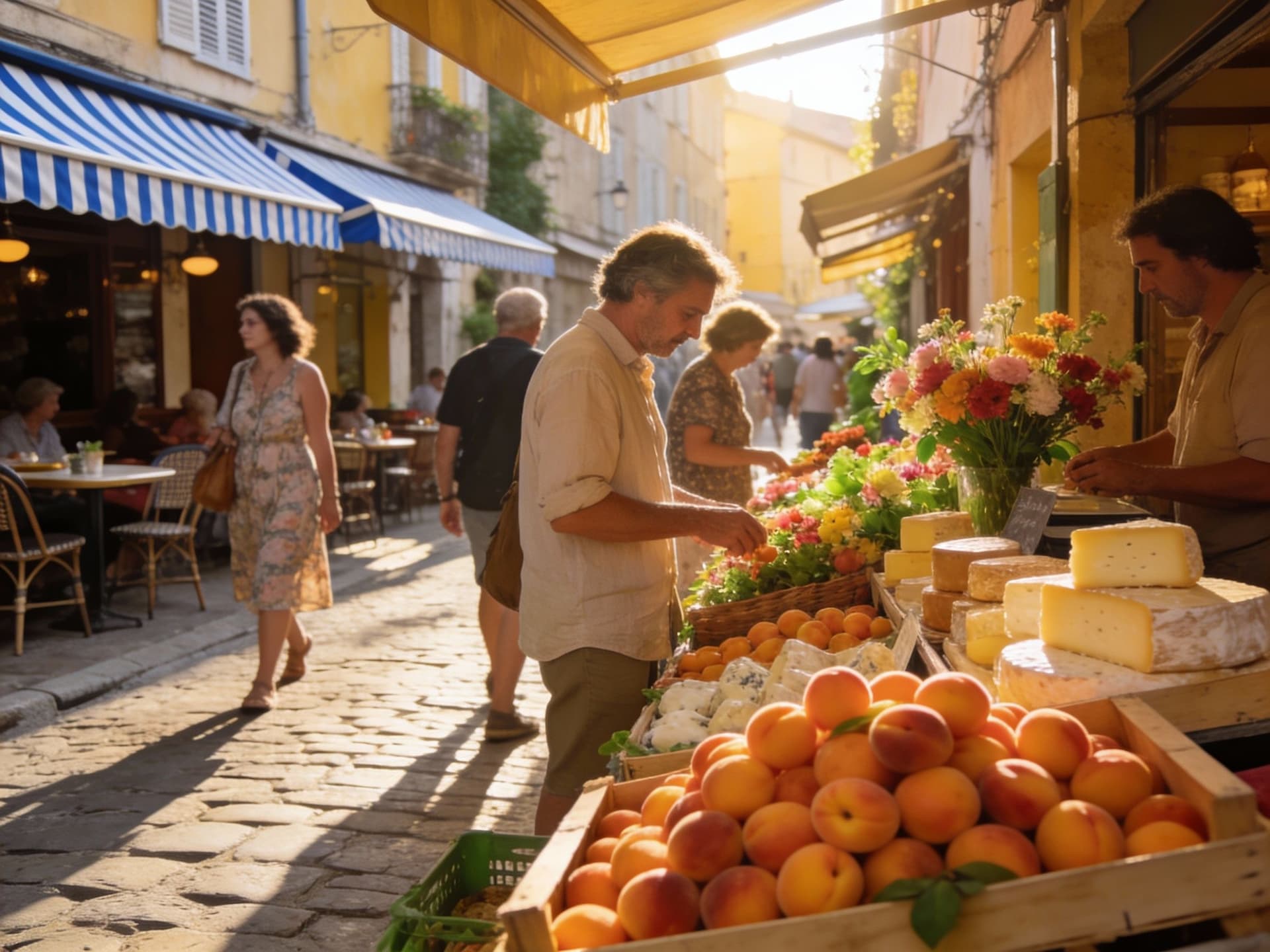
Imagine a summer morning in Aix‑en‑Provence: boulangeries filling narrow streets with warm croissants, local markets overflowing with apricots, and the hum of tourists arriving for the day. It’s intoxicating — and it’s exactly the scene that tricks many international investors. What feels like an immediate lifestyle premium in France can mask seasonal rental volatility, localized price divergence and yield compression. This guide shows the data behind that blindspot and the practical steps to protect returns while enjoying French life.
Living the French Life — and Where the Numbers Bite
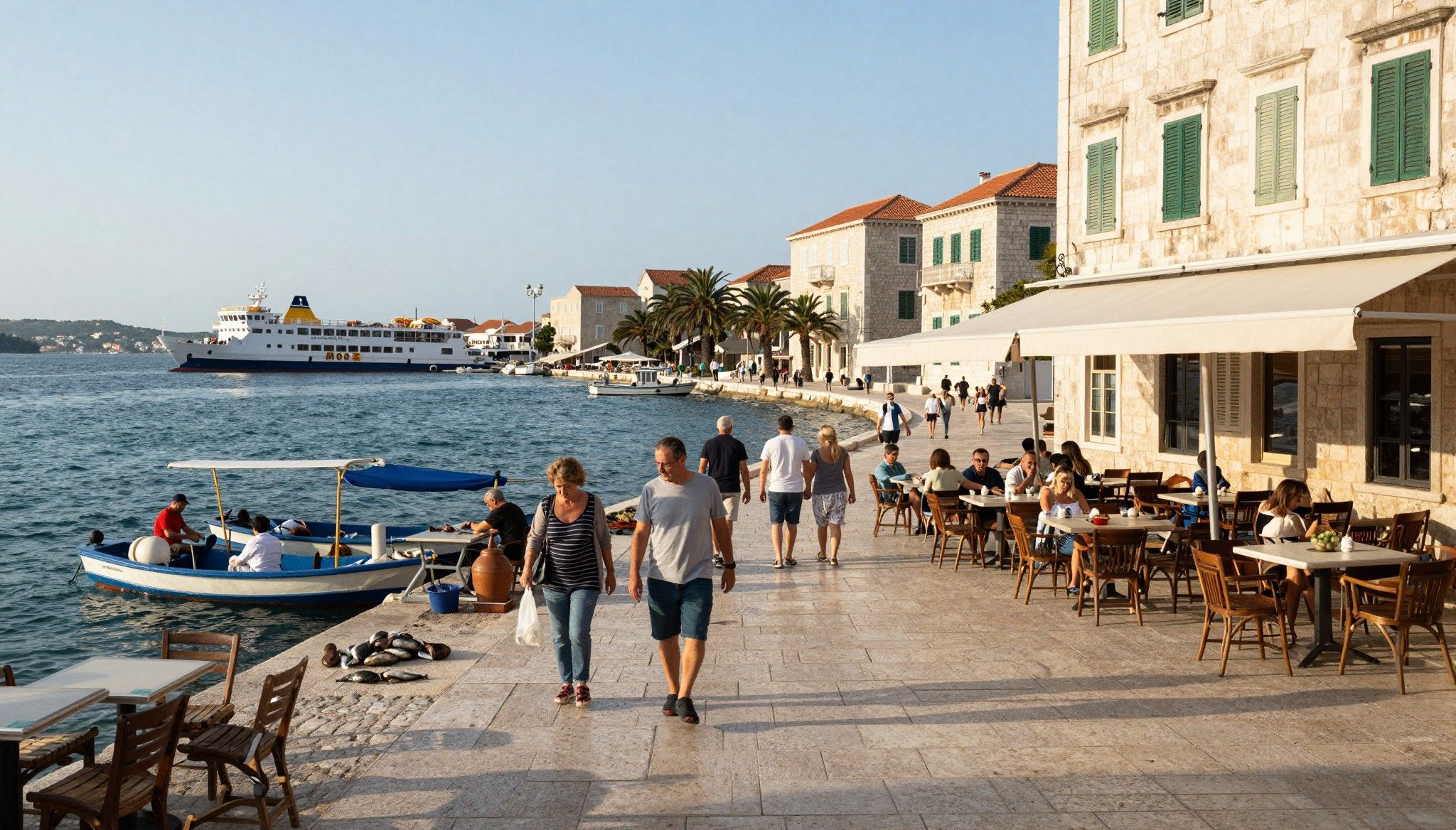
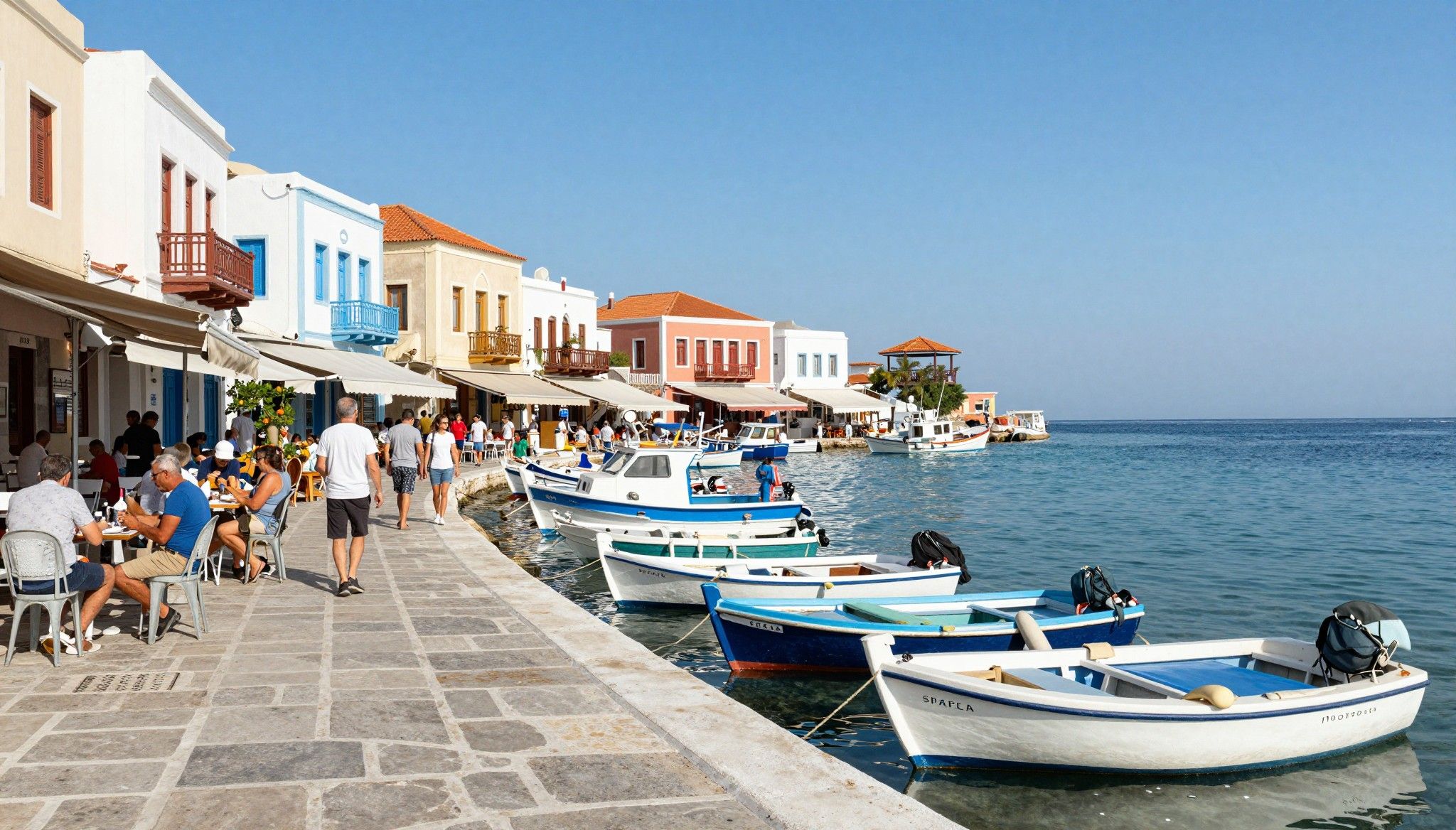
France’s rhythm is seasonal: coastal towns swell in July‑August, university cities pulse from September, and Paris softens in late summer. The same seasonality shapes net yields. Recent national indices show prices stabilising after a dip, but the recovery is uneven across regions — a rebound in transaction activity does not automatically translate to higher, stable yields. Read the Notaires de France report to see how city-level movements diverge from national trends.
Paris: prestige, liquidity — and tricky yield math
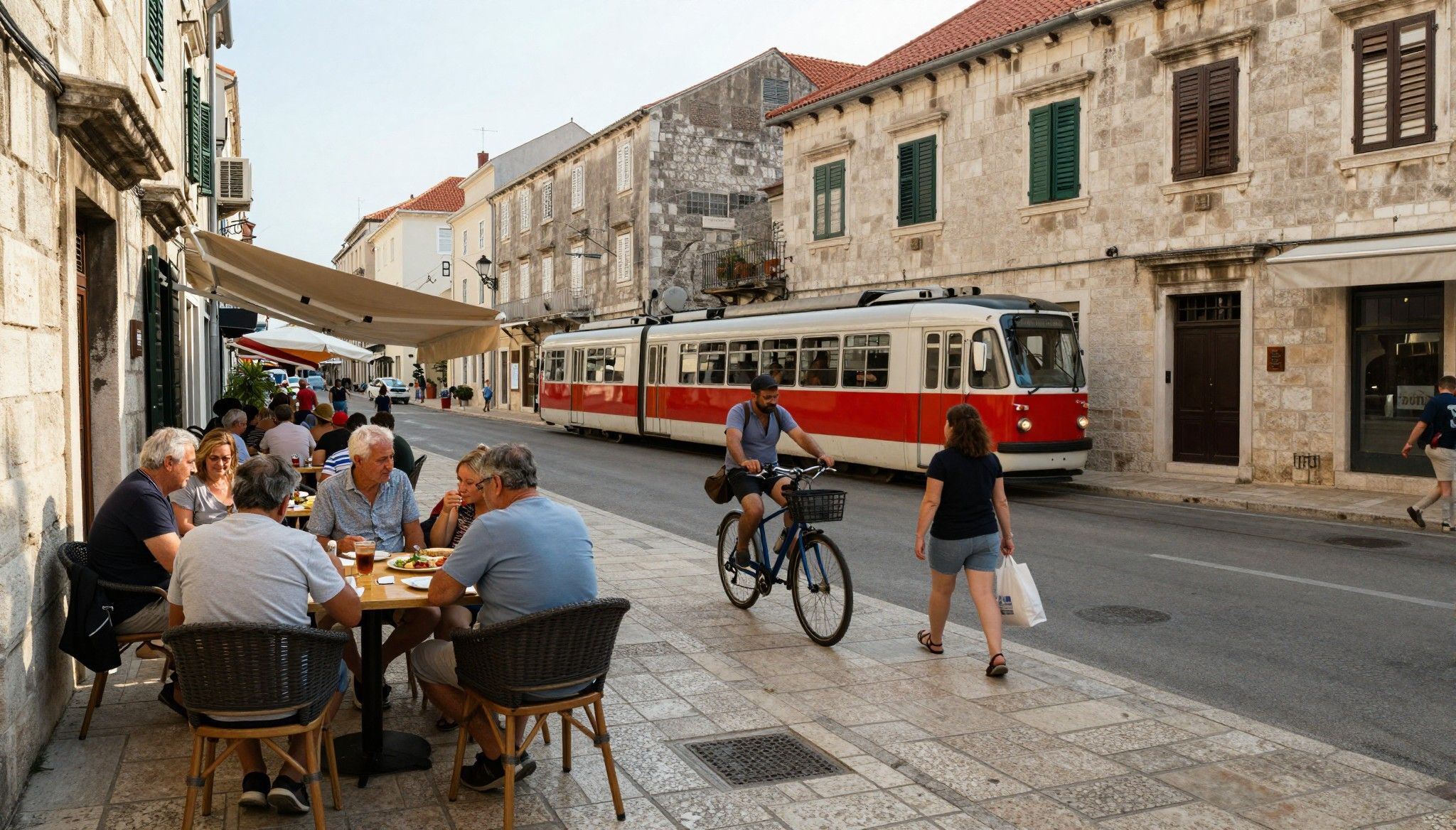
Strolling the 6th or 7th arrondissement feels like owning a piece of history; prices per m² in Paris remain the national high water mark. But luxury transactions and headline prices hide two realities: (1) high capital requirements reduce net yields and (2) short‑term demand swings — corporate relocations, tourism flows — can make rental income lumpy. Data show sales volumes rising modestly, yet pockets of the city still exhibit buyers’ hesitation, which impacts time‑to‑let and operating margins.
Provincial opportunity — and the myth of rapid catch‑up
Cities like Rennes, Reims and Grenoble have seen notable price gains over the past decade, but this growth is uneven — and not always yield‑friendly. Lower absolute prices can create attractive gross yields; however, rental demand is often highly localised (students, seasonal workers, regional employers). The Notaires and market summaries show price increases in some 'affordable' towns, but investors must separate headline appreciation from recurring rental cash‑flows.
Making the Move: Practical Considerations Where Lifestyle Meets Returns

Your dream street — rue Cler in Paris, the Cours Mirabeau in Aix, or Boulevard de la Croisette in Cannes — matters for lifestyle and signage. But for returns, focus on metrics: price per m², vacancy rates, seasonality of demand and net yield after taxes and charges. National indices indicate recent stabilization in prices; use those figures as a baseline, then layer local data (tourist nights, student enrolment, employer relocations) to estimate realistic occupancy and achievable rents.
Property types and how they shape living — and yield
Haussmannian flats offer cachet and long‑term capital protection but usually lower yields because of higher purchase prices and condo charges. Small provincial houses or purpose‑built student flats can yield more but demand may be seasonal or tenant‑specific. Match property typology to the dominant local renter profile — tourists, students, young professionals, retirees — and run conservative occupancy assumptions (60–75% for heavily seasonal markets; 85%+ for stable urban rental markets).
Steps to stress‑test a French property (numeric checklist)
1) Estimate achievable rent using local listings and municipal tourist statistics. 2) Apply conservative occupancy: seasonal short‑lets 60–75%, city long‑lets 85–95%. 3) Deduct management, maintenance, insurance and taxes to calculate net yield. 4) Run a three‑year cash‑flow under a 10–15% vacancy/shock scenario to test resilience. 5) Validate with a local agent and a notaire before offer.
Insider Knowledge: What Expats Wish They'd Known
Expats often tell the same stories: they fell for summer atmospheres, bought coastal or historic homes, then struggled with income gaps off‑season or unexpected maintenance on old masonry. On the other hand, those who matched property type to year‑round demand — near universities, hospitals, or business parks — report steadier returns. Local notaires and recent press coverage both stress the fragmented nature of France’s recovery; neighbourhood‑level nuance matters more than national headlines.
Cultural and seasonal realities that affect ownership
• August closures: many local businesses and services reduce hours in August, impacting maintenance and listing activity. • Short‑let regulation: city councils can restrict tourist rentals; check municipal rules before assuming short‑let income. • Heating season costs: older properties mean higher winter bills and capex for insulation or heating upgrades. • Tenant behaviour: long‑term leases are common in cities; breaking leases or renovations may involve legal timelines that extend vacancy.
Long‑term view: What holds value in France
Over decades, location, access to transport and local economic anchors drive value more than seasonal charm. INSEE’s price index shows national resilience after recent volatility; investors who focus on diversified exposure across city types and who stress‑test for seasonality typically preserve yields better. Think of French property as a blended asset: lifestyle upside plus required defensive analysis.
Conclusion: Fall in love first, quantify second. Let French mornings, markets and beaches draw you in — then run the numbers with local data, conservative occupancy, and legal certainty. Work with a bilingual agent experienced in the neighbourhood you covet and a notaire to lock down title and tax exposure. That way, you live the France you imagined without letting seasonal romance erode long‑term yield.
Swedish financier who guided 150+ families to Spanish title deeds since relocating from Stockholm in 2012, focusing on legal and tax implications.