Stress‑Testing France: Seasonal Risk Scenarios & Yields
Seasonal festivals and harvests can inflate French rents — stress‑test vacancy, seasonality and regulation to convert lifestyle appeal into resilient net yield.

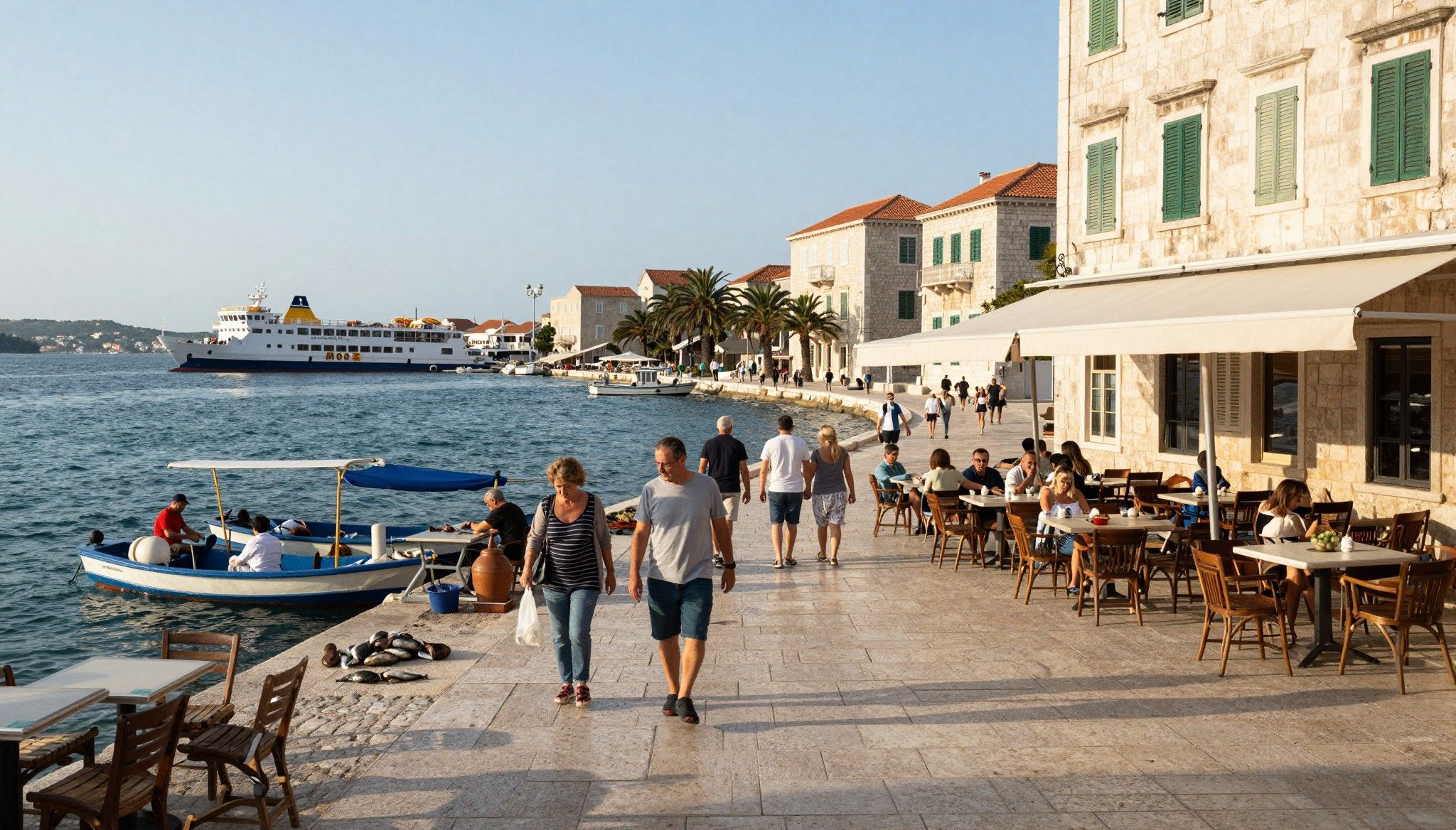
Imagine a late‑September morning in Lyon: cafés spill onto cobbled streets, market vendors stack crates of figs, and temporary fair stalls hum with the season’s visitors. That same rhythm — intense, concentrated and highly localised — is exactly what creates short windows of risk and opportunity in French real estate. Knowing how festivals, harvests and tourist pulses change demand and rental economics is as important as knowing price per square metre. This guide stress‑tests common seasonal myths in France and translates them into measurable scenarios for investors.
Living the France lifestyle — what affects demand
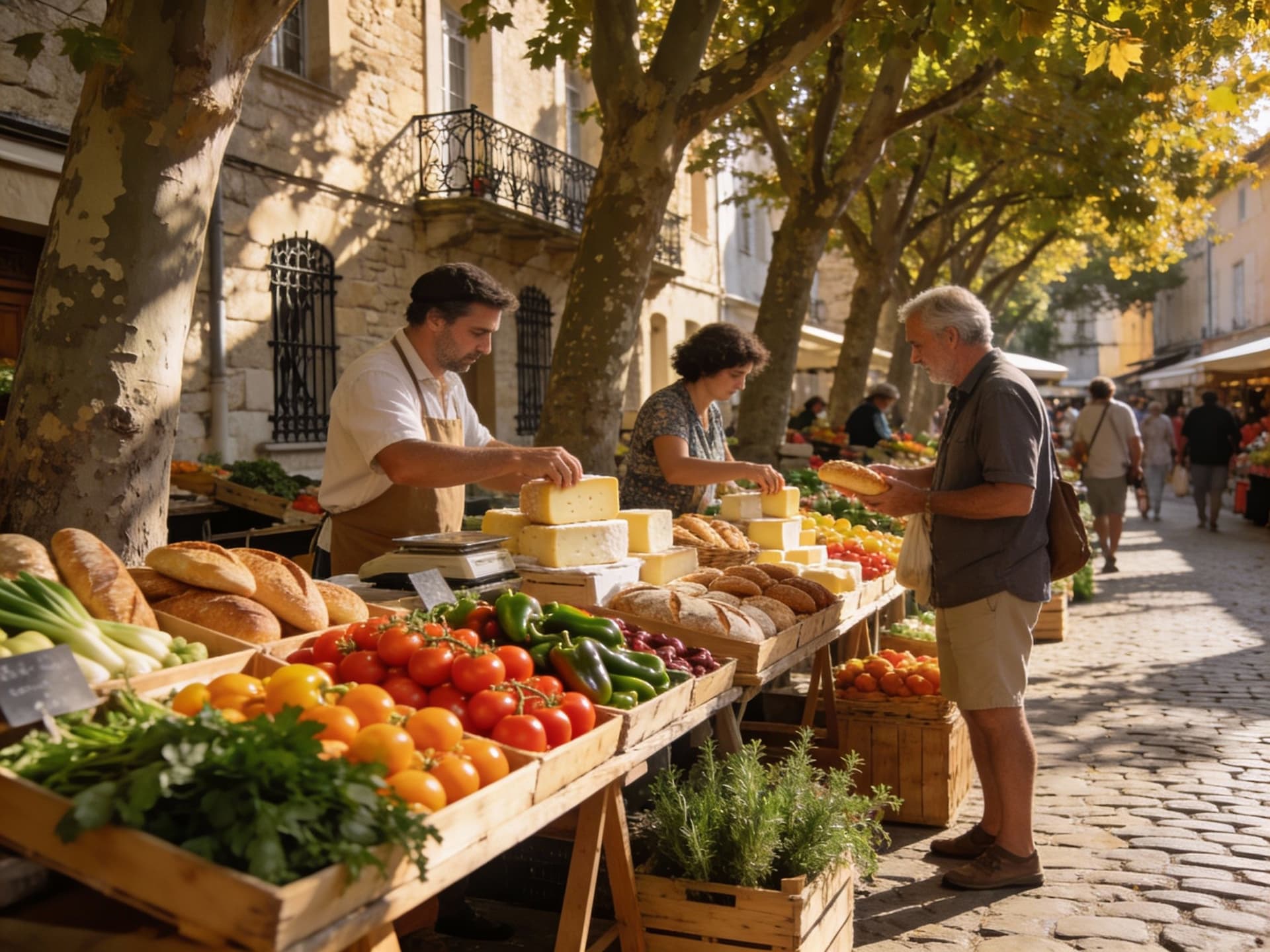
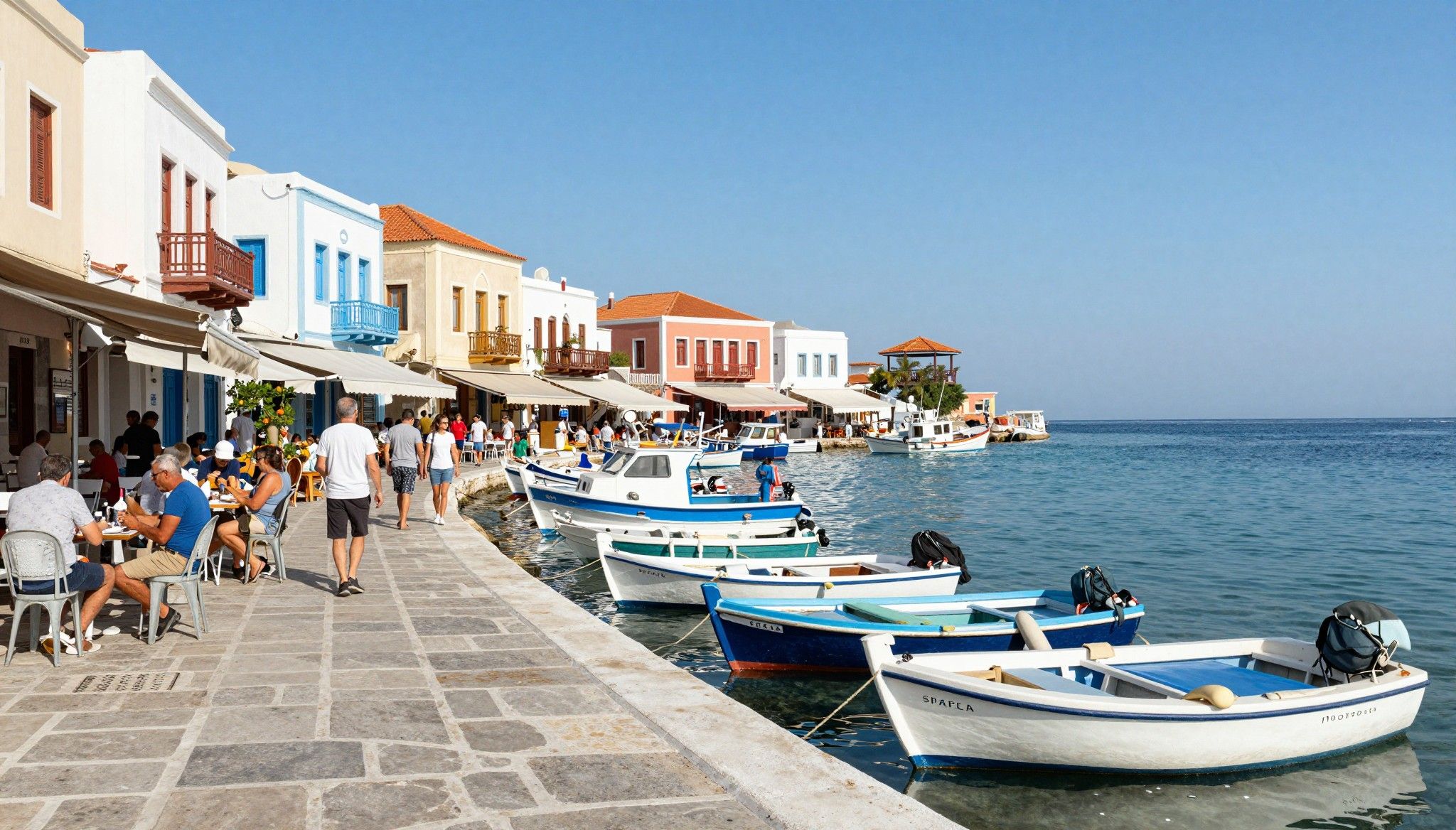
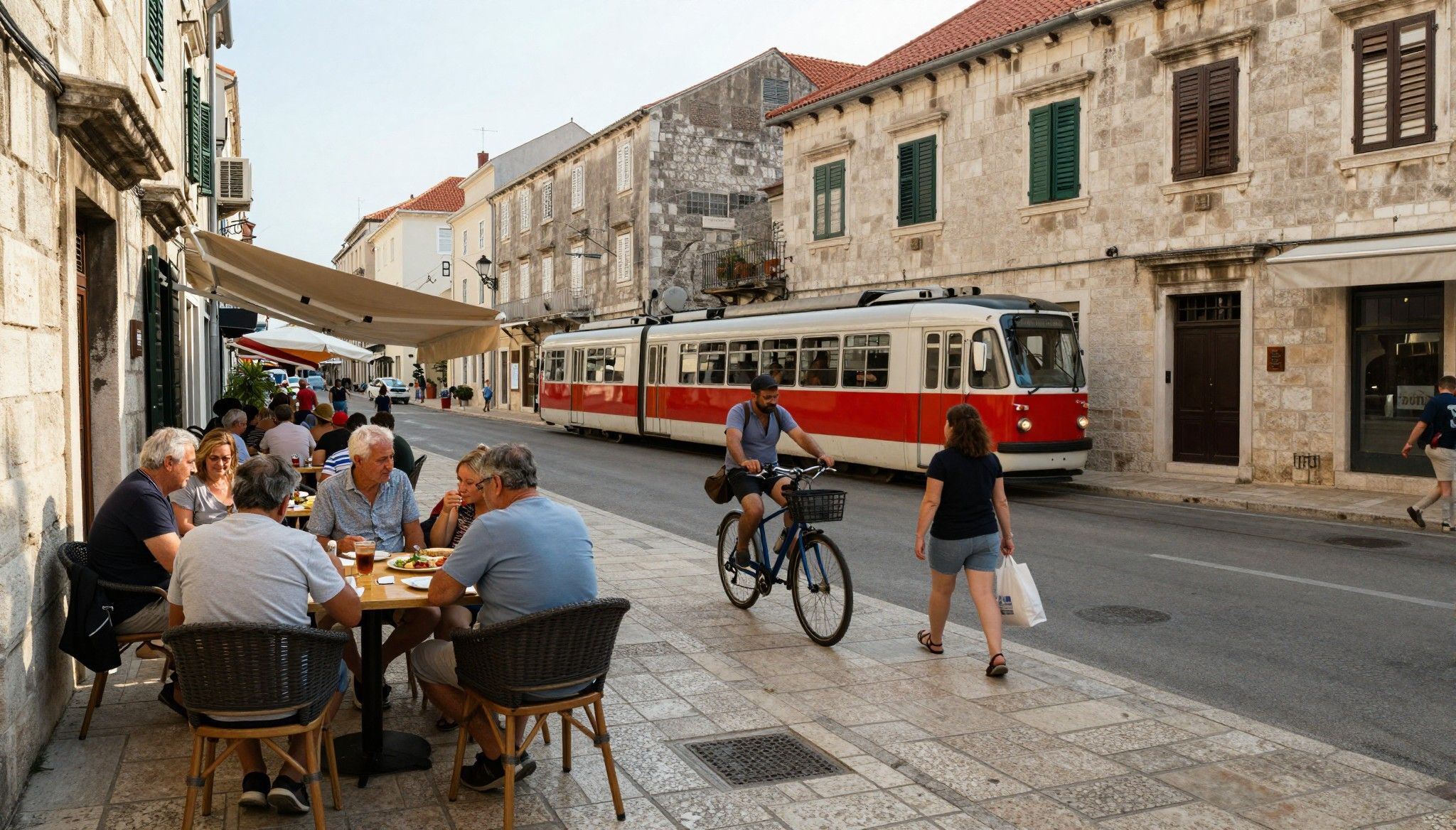
France’s daily rhythms — morning markets in Le Marais, aperitifs on Nice’s Promenade, harvest weekends in Bordeaux — create concentrated demand spikes that can distort short‑run rent and occupancy figures. National data show prices stabilising then edging up in early 2025, but local pockets still diverge widely. Seasonal demand amplifies that divergence: a studio in central Paris is a year‑round rental asset, while a coastal studio can yield high summer cashflow and low winter occupancy. For investors, the question is whether seasonal premiums offset off‑season vacancy and higher management costs.
Neighbourhood snapshots that change by season
Pick a neighbourhood and you pick a seasonal profile. Paris’ Latin Quarter and Canal Saint‑Martin attract steady student and professional demand; Provence’s Luberon villages empty out outside harvest and holiday windows. Marseille’s Cours Julien pulses with year‑round locals and artists, while Cap Ferret fills to capacity in July–August. Understand micro‑cycles: weekly markets, university terms, festival calendars and local business seasons all shift the rental mix between short lets, mid‑term relocations and long‑stay tenants.
How food, culture and festivals skew metrics
Events such as the Cannes Film Festival, Fête de la Musique, or regional harvest festivals concentrate demand into short windows that push listing prices and daily rents higher, sometimes by 30–200% for short lets. Local press and market reports noted transaction rebounds in 2025 tied to easing credit and seasonal activity. But those spikes can mask structural weakness: average annual yield (gross rent ÷ purchase price) is the stabiliser; peak summer rates should be treated as one‑off bonuses unless your operation is explicitly seasonal.
Making the move: practical risk scenarios

Translate lifestyle appeal into financial scenarios before you sign. Run three stress tests: (A) Peak‑dependence — revenue if 40–80% of income comes from high‑season short lets; (B) Off‑season vacancy — extended empty months and the cost of winter maintenance; (C) Regulatory shock — local restrictions on short lets or tourist taxes. Use recent national and local price indices as baseline inputs, then model rent variation by month and sensitivity to occupancy shifts.
Property types and their seasonal risk profiles
Studios and small flats near transport nodes resist seasonality better because long‑term tenants absorb risk. Seaside two‑bed villas and countryside gîtes are high‑season assets — they deliver outsized summer cashflow but require winter provisioning, insurance and management overhead. New builds in commuter belts hinge on local employment cycles, while historic central apartments face steady demand from professionals and expats. Match property type to a scenario: if you cannot sustain 40% vacancy for three months, avoid strongly seasonal assets.
Six step stress‑test process
1) Build a 12‑month revenue model by month using local rental data. 2) Apply three vacancy scenarios: baseline (5–7%), stress (15–25%), seasonal (30–80%). 3) Add operating costs: utilities, council tax, winter heating, and cleaning spikes. 4) Simulate short‑let platform commissions vs long‑let management fees. 5) Test impact on net yield and debt service coverage (DSCR). 6) Repeat with a regulatory shock: local short‑let limits or tourist tax hikes.
Insider knowledge: what expats wish they'd known
Expat owners often romanticise the market: they assume France’s prestige alone guarantees rental resilience. In practice, language barriers, seasonality, and local rules determine outcomes. Many forget that Parisian micro‑markets behave like boutique financial products — a studio in the 10th differs from one in the 7th in both demand and yield volatility. Local agents who know festival calendars, campus term dates and corporate relocation windows materially improve forecasts.
Cultural and practical integration factors
Language matters: a landlord who cannot correspond in French will pay more in management fees and face slower dispute resolution. Local customs — long August closures, market days, building syndic rules — affect tenancy transitions and renovation timetables. Factor in notaire timelines (often 2–3 months for completion) and the reality that renovations are scheduled around local holidays. These operational details change cashflow timing and risk.
Practical tips from agents who manage seasonal assets
1. Build winter‑proofing costs (heating, insulation) into your capex. 2. Use flexible contracts that allow short lets in high season and longer lets otherwise. 3. Price monthly for off‑peak to attract relocations. 4. Keep a 3–6 month operating reserve for platform delisting or regulation changes. 5. Work with managers who publish monthly occupancy stats, not just summer highlights.
When you compare the data — national stabilization in 2025 and regional quirks — the conclusion is simple: lifestyle attractions create identifiable, modelable risk. Treat festival weeks and harvest months as input variables, not justification for headline yield claims. If your investment thesis depends on repeat seasonal peaks, document the operating plan that makes those peaks repeatable and resilient to regulatory changes.
Example scenarios (quick calculations)
Scenario A — Paris studio: purchase €350k, long‑term rent €1,500/month → gross yield ≈5.14%. Scenario B — Coastal two‑bed: purchase €400k, summer short‑lets earn €12k, off‑season net €3k → annual gross €15k → gross yield ≈3.75% but with 3–5 months near zero occupancy. Use net yield (after fees, taxes, capex) to compare — the coastal asset needs higher gross peaks to match Paris’ steadier return.
Bottom line: fall in love with France’s markets — the food, the light, the neighbourhood mornings — but invest like an analyst. Map seasonality, simulate vacancy, and stress test regulatory scenarios. Work with bilingual agents experienced in local calendars and use conservative net‑yield assumptions. That’s how you turn a romantic dream of France into a resilient, data‑driven asset.
British expat who moved to the Algarve in 2014. Specializes in portfolio-focused analysis, yields, and tax planning for UK buyers investing abroad.