Malta: Residency, Stamp‑Duty Myths and Yield Realities
Malta sells Mediterranean life in compact packages. Understand AIP permits, stamp‑duty reliefs and micro‑market seasonality to convert local charm into repeatable rental returns.
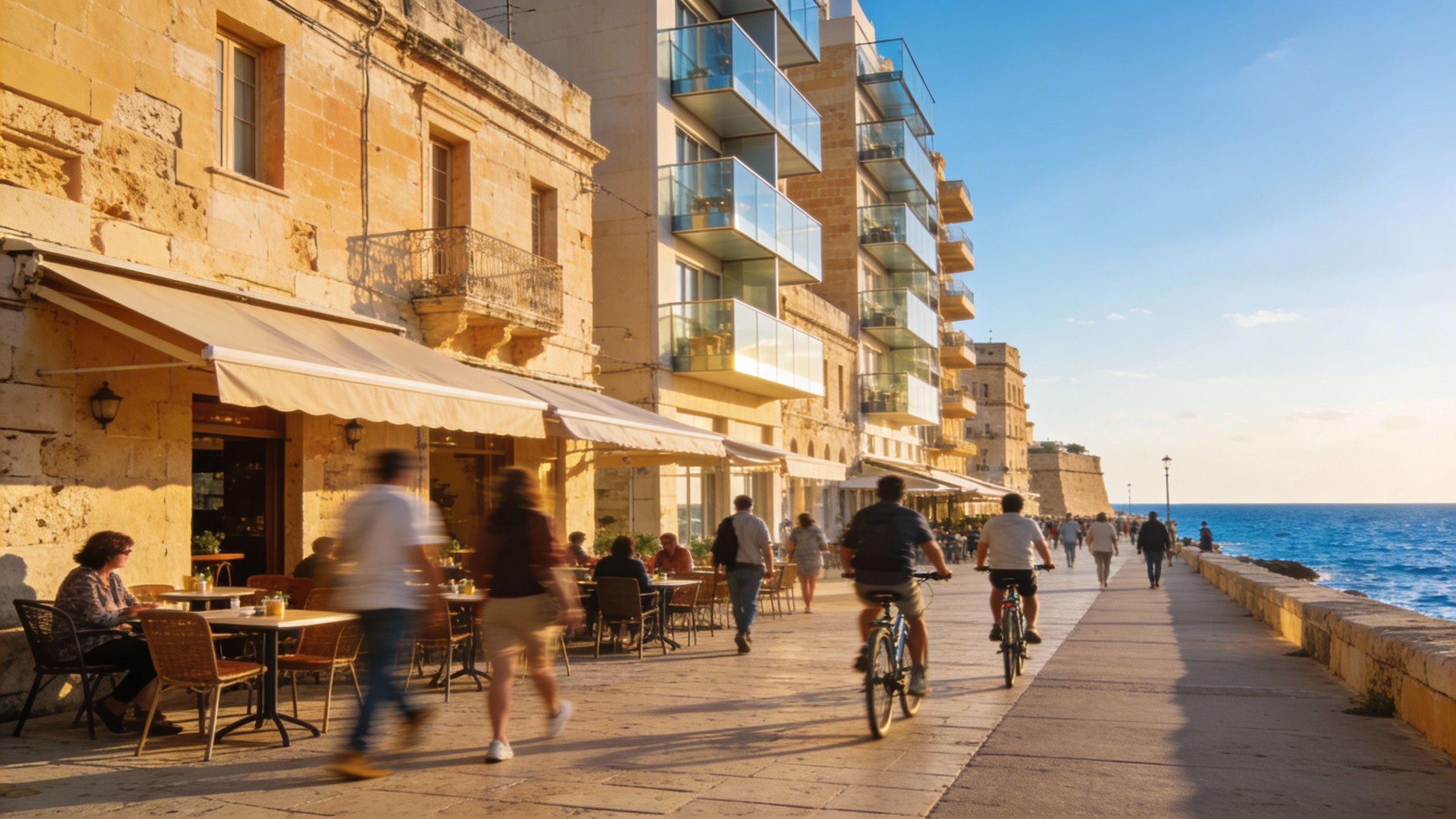
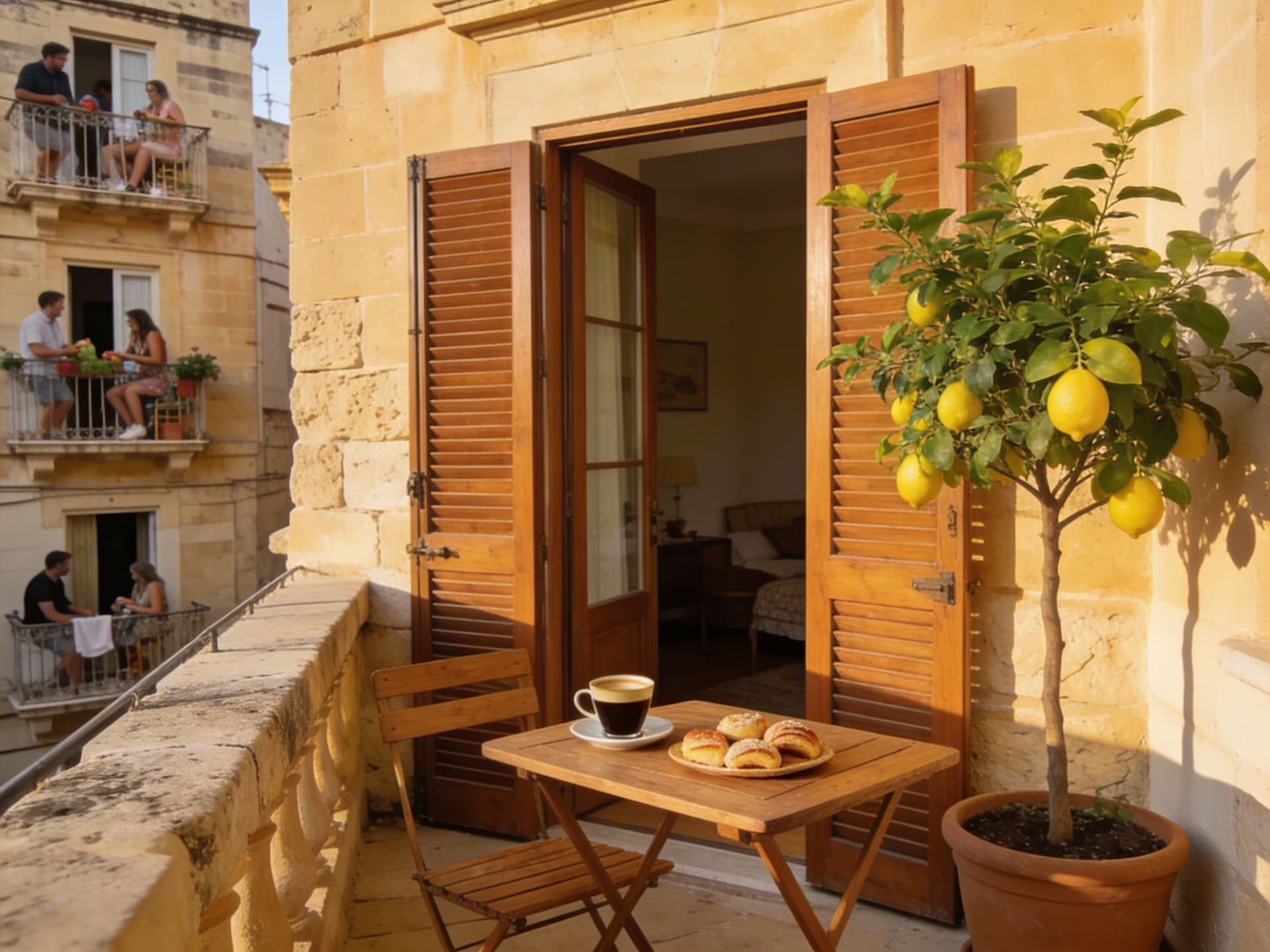
Imagine stepping out at dawn to buy fresh ġbejniet and tomato paste at Marsaxlokk market, then walking a five-minute lane to a compact, sunlit apartment where sea air threads through limestone balconies. Malta is that compressed Mediterranean life—intense, walkable, bilingual—and small details (a neighbour’s lemon tree, a barista who knows your order) shape daily choices — and property returns.
Living the Malta lifestyle

Malta’s appeal is spatial: narrow streets, baroque churches, a coast that folds inwards so most towns are minutes from water. Days start with espresso in Sliema’s Strand, pivot to lunch in Valletta’s Republic Street, and end with a late swim off St. Julian’s rocky platforms. For buyers this means smaller footprints, high walkability and premium for location rather than size.
Neighbourhood spotlight: Sliema, St. Julian’s, and Valletta
Sliema and St. Julian’s command the highest prices and strongest short-term rental demand; average per‑sqm in prime pockets now sits near €3,000–€4,000 in recent market reads. Valletta trades on history and corporate rentals (consultancy and finance tenants), while Paola, Birkirkara and southern towns offer lower entry prices for longer-term yields. Expect tradeoffs between nightly income potential and year‑round occupancy.
Food, rhythm and seasonality
Markets and festa calendars matter. Summer brings tourists, short‑let premiums and noise; winter reveals the island’s true rental base—students, long‑stay professionals and local families. If you prize stable, year‑round cashflow, prioritise areas with hospitals, universities or business parks over purely beachfront glamour.
- Lifestyle highlights: Valletta’s cafés on Strait Street, Marsaxlokk fish stalls, Sliema promenade walks, Golden Bay weekend swims, flea market mornings at Pjazza San Frangisk
Making the move: practical considerations
The romantic image of Malta meets a compact legal reality. Non‑EU buyers face permit regimes; EU nationals have relaxed rules but still encounter residency and stamp‑duty incentives that materially affect transaction costs. Understanding AIP (acquisition of immovable property) constraints and stamp duty brackets is critical to modelling total acquisition cost.
Property types and how you’ll live in them
Terrazzo apartments and converted townhouses have charm but smaller floorplates; modern developments in Mriehel and SmartCity offer elevators and parking that attract corporate tenants. Factor tenant profiles: students and short‑term tourists prioritise location and access, families want schools and quiet streets. That choice changes renovation budgets and expected yields.
How local experts change outcomes
- 1. Use a notary-focused agent: notaries process deeds and searches; agents with notary relationships speed closings and reduce surprises. 2. Engage a tax adviser early: planning around stamp duty exemptions and residency rules can save 3–5% at closing. 3. Confirm AIP eligibility before offer: non‑EU buyers misjudge permit timing—factor 2–3 month approvals. 4. Budget for recognition fees and ground rent where applicable: these can add a year’s ground rent equivalent at closing. 5. Ask for building permits and compliance certificates: Malta has a fast‑moving development pipeline; ensure construction quality and permits are clean.
Insider knowledge: mistakes, myths and regulatory red flags
Three common investor misreads: over‑paying for tiny square metres in prime strips, assuming residency follows purchase automatically, and underestimating the operational impact of short‑let regulations. Malta’s small size concentrates risk—overbuilding in one village can depress local rents—so read construction pipelines and permit histories carefully.
Cultural cues that affect tenancy and maintenance
English is an official language and many landlords advertise in English, but local customs—late evenings, festa parking, and communal roof‑space usage—affect tenant satisfaction. For older townhouses expect maintenance issues with plumbing and damp; budget 5–10% of asset value over a decade for system upgrades in pre‑1970s stock.
Regulatory checklist before you sign
- Confirm AIP permit necessity; verify stamp duty reliefs and first‑time buyer rules; obtain certificate of ownership and planning permits; check if property lies in a Special Designated Area (SDA); review any residency-linked incentives that affect capital gains tax.
Long term, Malta’s compact market rewards tight underwriting. Expect slower capital appreciation in over‑supplied coastal micro‑markets and steadier rent in locations anchored by institutions. Use net yield (rent minus operating costs, taxes and concessions) rather than headline rent to compare opportunities.
Quick numbers to stress‑test a purchase
- Use these baseline checks: estimate purchase costs (stamp duty ~3.5–5% depending on reliefs), add notary and search fees ~1–1.5%, budget capex reserve 5–10%, and model net rental yield target 3–6% depending on location and tenancy type. Recalculate if exposed to short‑let seasonality.
If Malta’s lifestyle has you sold—warm neighbours, easy English, Mediterranean rhythms—pair that affection with disciplined financial checks: confirm permit regimes, stamp duty treatments, and local pipeline risk. Work with a notary-savvy agent and a Maltese tax adviser to translate charm into predictable returns.
British expat who moved to the Algarve in 2014. Specializes in portfolio-focused analysis, yields, and tax planning for UK buyers investing abroad.