Italy: Match Neighbourhood Rhythms to Real Returns
Italy’s lifestyle is investable—match specific neighbourhood rhythms to regional price and yield data and stress‑test financing before you buy.
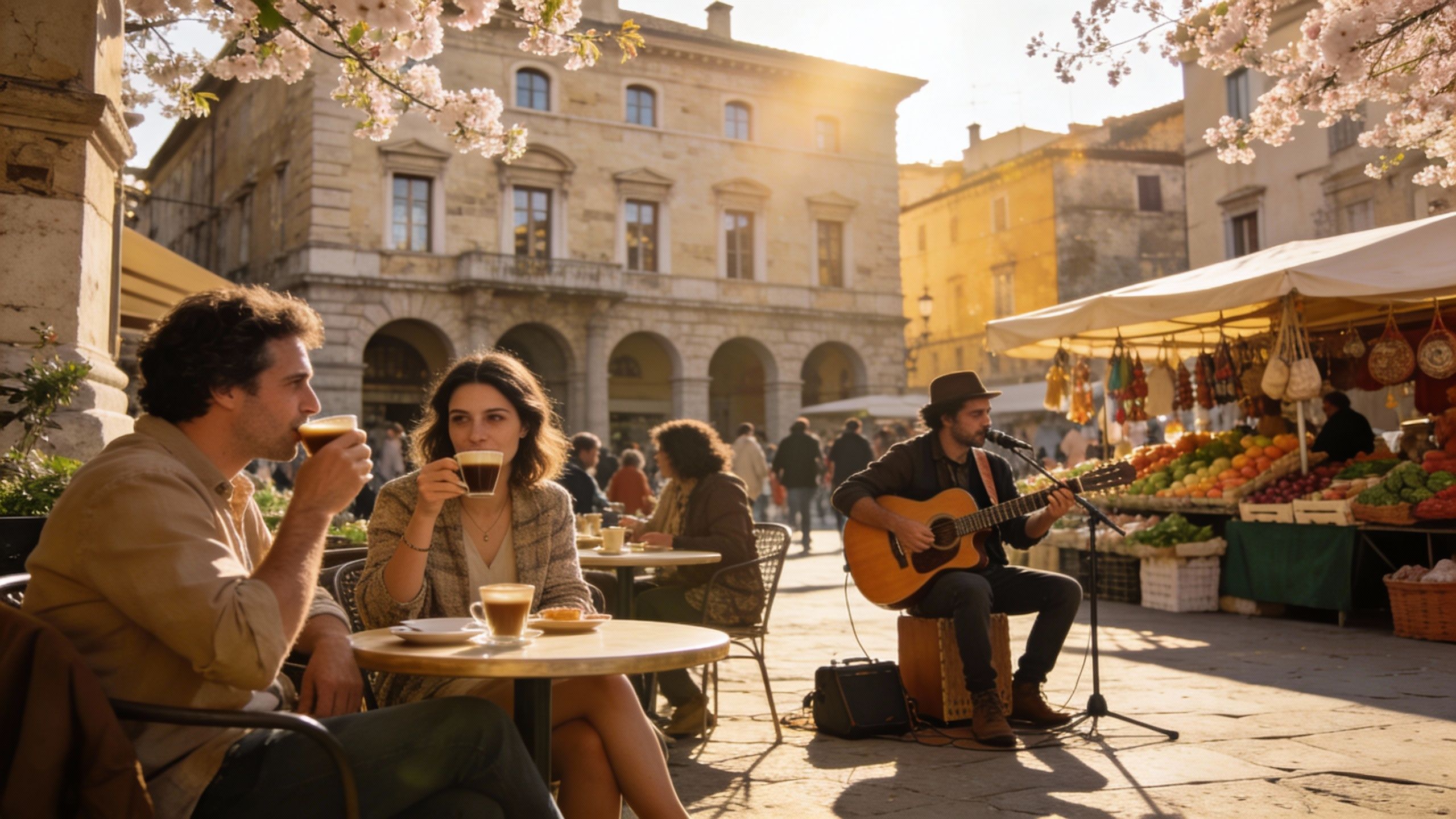
Imagine starting a morning with espresso at a tiny bar on Via Giulia in Rome, then cycling past open mercados in Bologna and sailing a small boat from a Ligurian marina by sunset. Italy stages daily rituals — coffee, market bargaining, late dinners — that shape where people want to live and what they value in a home. For international buyers this sensory reality meets a complex real‑estate market: regional price divergence, shifting lender behaviour, and rising interest from foreigners seeking lifestyle plus income. Below I map how the life you picture fits with the numbers you need to know.
Living the Italy lifestyle — how place shapes daily life
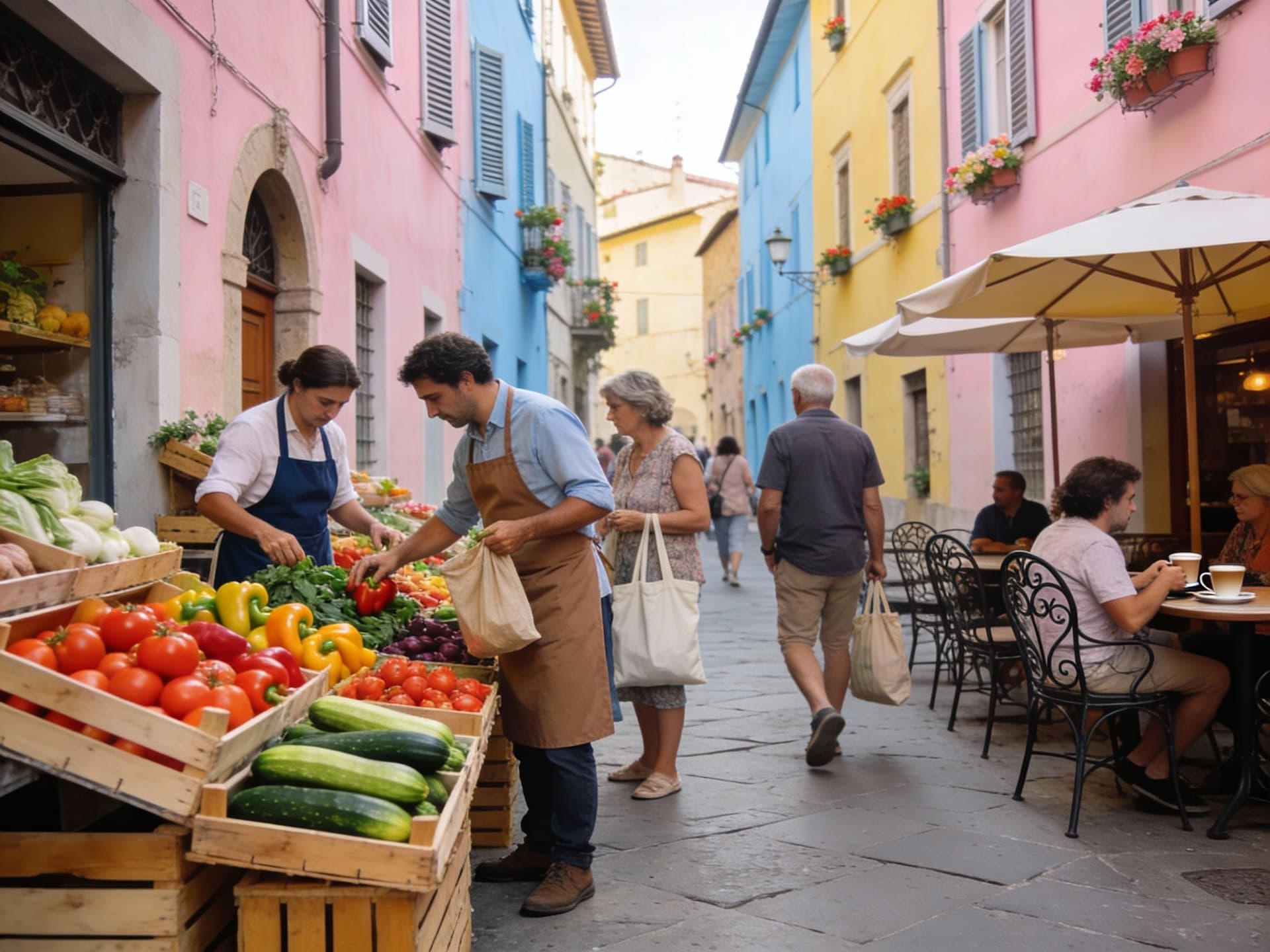
Cities and regions in Italy do more than offer houses; they set daily rhythms. In Milan you live close to fast commuting, late-night aperitivo culture and high-end retail districts; in Puglia or Calabria life slows to market days, beach seasons and long communal lunches. Those rhythms determine demand: short-stay rental hotspots cluster where tourism and business meet, while stable long‑term rental demand is stronger near universities, hospitals and industrial hubs.
Neighborhood spotlight: Trastevere, Navigli, and Oltrarno
Trastevere (Rome) sells cobbled streets and trattorie but also unpredictable zoning and older buildings needing renovation; Navigli (Milan) offers canal‑side nightlife with strong short‑stay demand but higher price per square metre; Oltrarno (Florence) feels artisan and residential with tourists filtered by more limited hotel stock. These micro differences affect yields, vacancy and management intensity — Trastevere might yield stable mid‑term rentals for professionals, while Navigli performs better for short stays in high season.
Food, markets and seasons: where lifestyle meets cash flow
Food markets, festivals and harvest seasons both shape daily life and rental calendars. Areas around Mercato Centrale in Florence or the Testaccio market in Rome keep steady local footfall year‑round, improving long‑let prospects. Conversely, seaside communes in Liguria or Sardinia spike dramatically in July–August; that makes headline yields look attractive but increases management and capex needs. Regional asking‑price differences are real: national average asking prices vary by over 2x between north and south, which matters for portfolio allocation and expected returns.
- Lifestyle highlights (places to feel Italy): - Morning espresso at Caffè Greco, Rome; market strolls at Mercato di San Lorenzo, Florence - Aperitivo along Navigli canals, Milan; evening passeggiata in Amalfi town - Truffle season in Alba; wine harvests in Valpolicella and Montalcino - Hidden beach cove at Polignano a Mare; hilltop piazzas in Siena
Making the move: practical considerations that preserve lifestyle and yield
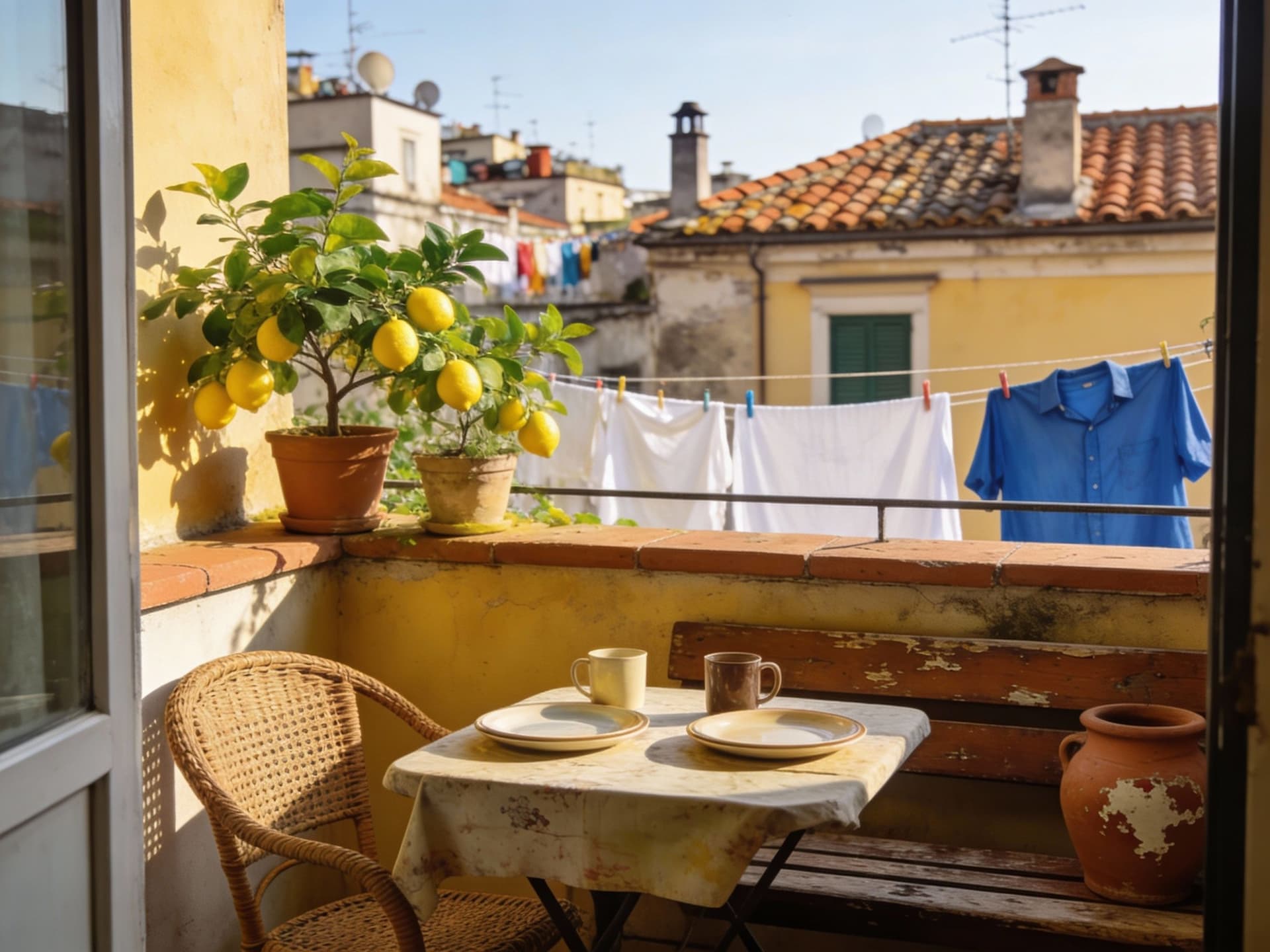
Your dream neighbourhood must be checked against three realities: price per square metre, rental demand profile, and local regulatory friction. National HPI data show modest annual growth in 2025 but meaningful regional dispersion, so a lifestyle purchase in Florence may behave very differently from one in Calabria. Also track lending conditions and sales volumes — rising transactions can signal liquidity but also price pressure; ISTAT reports rising sales volumes in early 2025 even as new‑build pricing softened.
Property styles and what they mean for living + returns
Historic centro apartments offer immediate lifestyle authenticity but typically require renovation and carry higher maintenance and condominium fees. New or retrofitted apartments near transport nodes reduce vacancy risk for long‑lets and command higher net yields relative to purchase price. Villas in Puglia or Sicily can offer capital appreciation potential and rental season premiums, but factor in utilities, insurance and off‑season vacancy when modelling net yield.
Working with local experts who translate lifestyle into numbers
- Steps to align lifestyle with investment discipline: 1. Map desired daily routines (commute, markets, schools) and overlay them with rental demand heatmaps; quantify expected occupancy. 2. Obtain recent comparable sales, not just asking prices, for precise price per sqm and cap‑rate estimates. 3. Build a 5‑year cash flow model including management, property tax, insurance and conservative vacancy assumptions. 4. Use local legal counsel to check heritage constraints, zoning and short‑stay licensing before offer. 5. Stress‑test financing scenarios: a 1% move in mortgage rates can change net yield materially.
Insider knowledge: expat mistakes, cultural quirks and seasonal realities
Expat buyers often overvalue scenery and undervalue bureaucracy. I’ve seen buyers pay premium prices for coastal charm and then encounter months‑long permitting delays or prohibitive renovation rules for listed buildings. Seasonal illusions are common: coastal towns can triple nightly rates in summer but produce low annualised yields when winter vacancy is high. Data show northern regions command the highest prices — Milan and Bolzano lead — while the south provides lower entry prices with different operational trade‑offs.
Cultural integration and daily life: what matters beyond numbers
Language matters for local networks: even basic Italian opens doors to reliable handymen, tenants and neighbours. Expect slow‑moving public services in some municipalities; plan renovation timelines with generous buffers. Social life hinges on piazza culture — neighbourhoods with active squares sustain higher long‑let demand as locals prefer sociable streets. For families, proximity to international schools in Rome, Milan and Bologna is a decisive factor for both lifestyle and resale.
Long‑term outlook: growth pockets and risk signals
- Signs to watch: - Infrastructure-led regeneration (e.g., transit or waterfront projects) that can reprice adjacent neighbourhoods. - Rising sales volumes with stable or falling new‑build prices — indicates stronger demand for existing stock (watch renovation needs). - Bank credit availability: renewed mortgage flows increase liquidity but can push prices if supply is tight.
Conclusion: buy the lifestyle you can underwrite. Italy offers a rare combination of daily pleasures and diversified market opportunities, but emotional buys without rigorous cash‑flow models invite disappointment. Start with a clear lifestyle map, overlay verified market data, involve local legal and tax experts, and stress‑test financing. If you want help translating your favourite neighbourhood’s morning routine into a defensible yield projection, an experienced local agency can be the bridge between the piazza and the portfolio.
Swedish financier who guided 150+ families to Spanish title deeds since relocating from Stockholm in 2012, focusing on legal and tax implications.