Italy: Real Life, Real Returns
Italy’s romance masks wide regional splits: Milan’s premium prices vs southern yield pockets. Match sensory neighbourhood choices to rigorous yield modelling and regulatory checks.

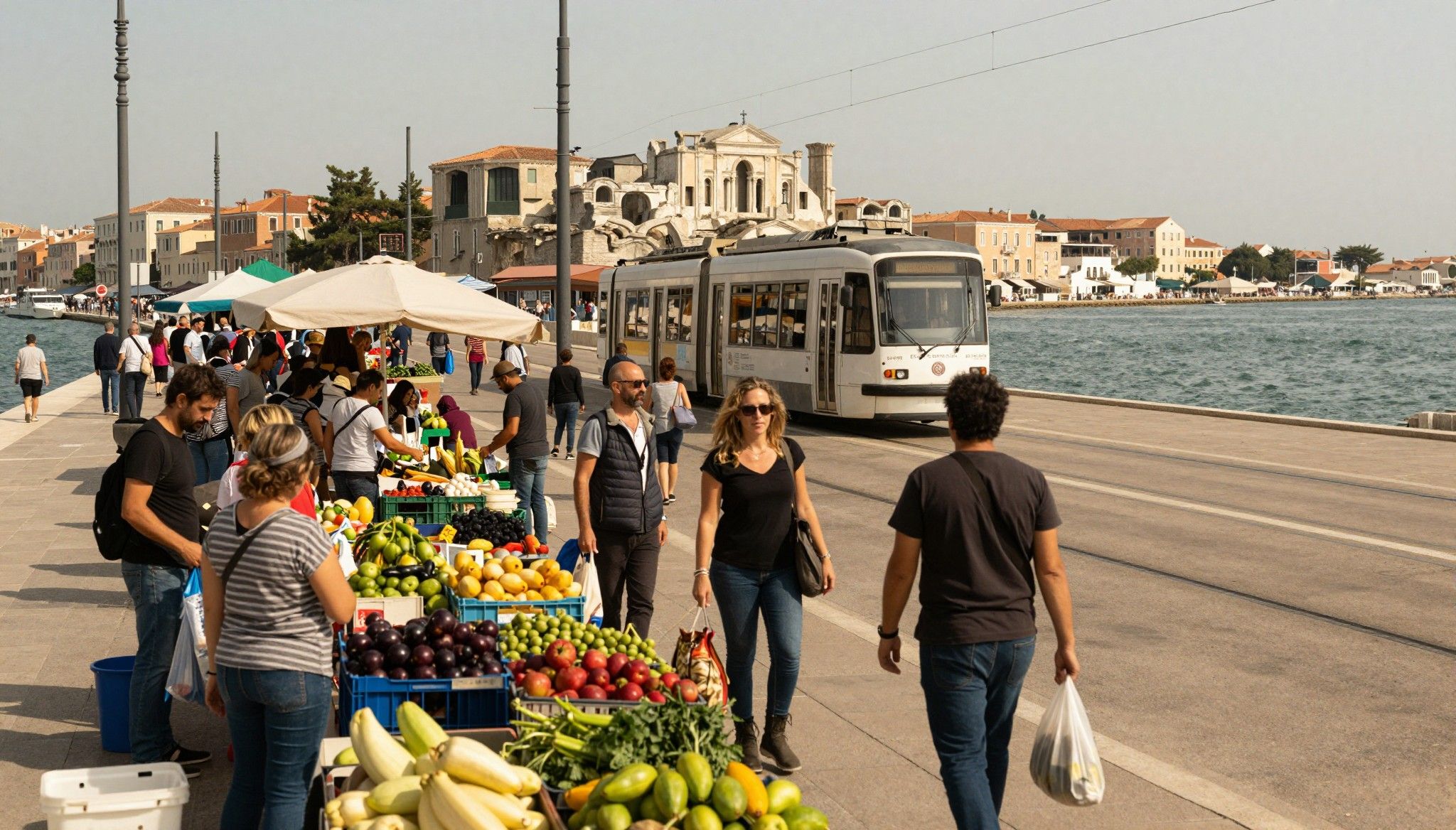
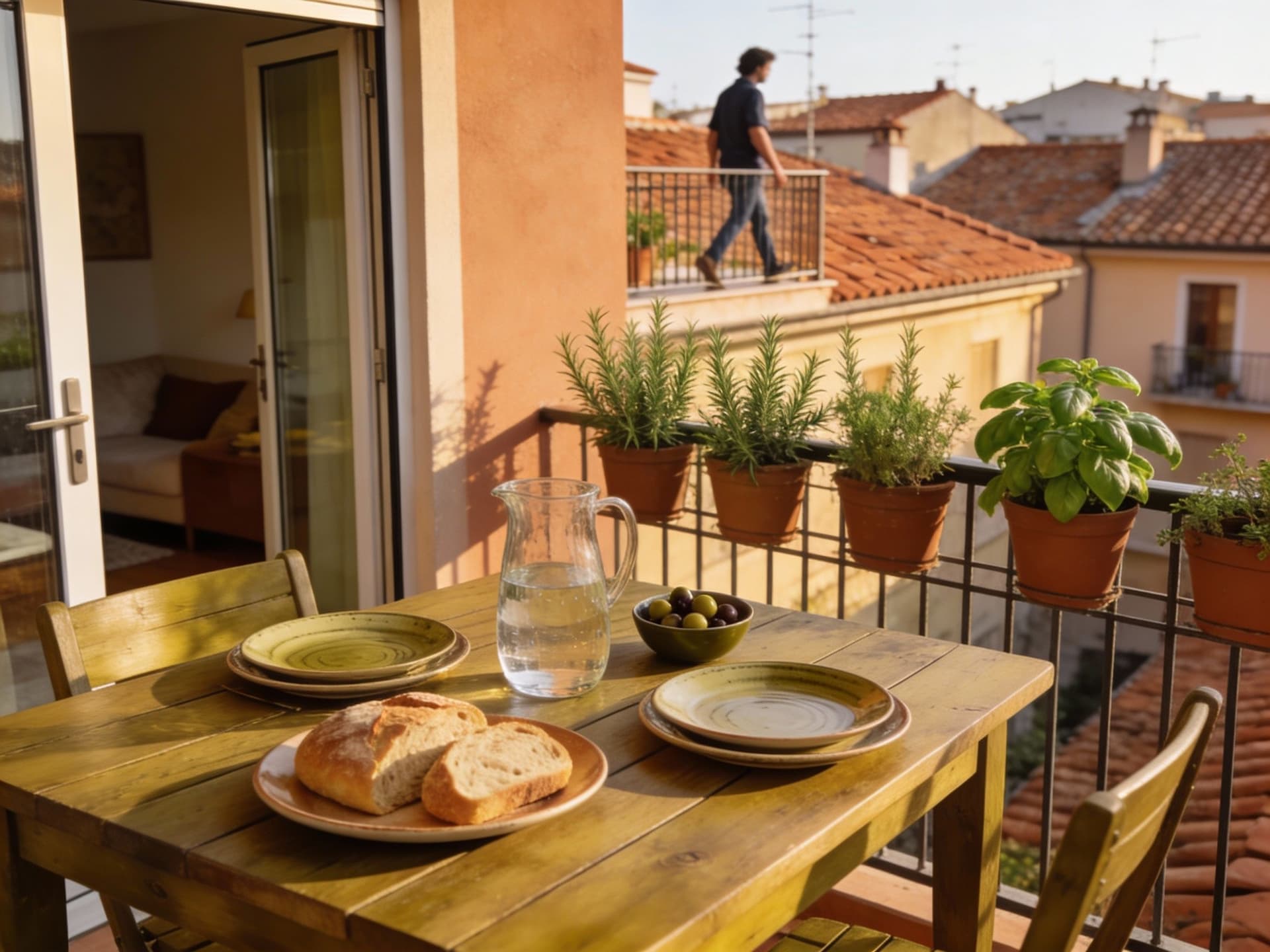
Imagine sipping an espresso on a narrow Roman side street at 9 a.m., the bakery’s warm bread scent drifting past ancient stone, then hopping a tram to a coworking hub by midday. Italy rewards slow, sensory living — but investors need a clearer lens than romance alone. Recent market analysis shows sharp regional splits that rewrite common assumptions about price, yield and seasonality.
Living the Italy lifestyle — sensory, local, hyper‑regional
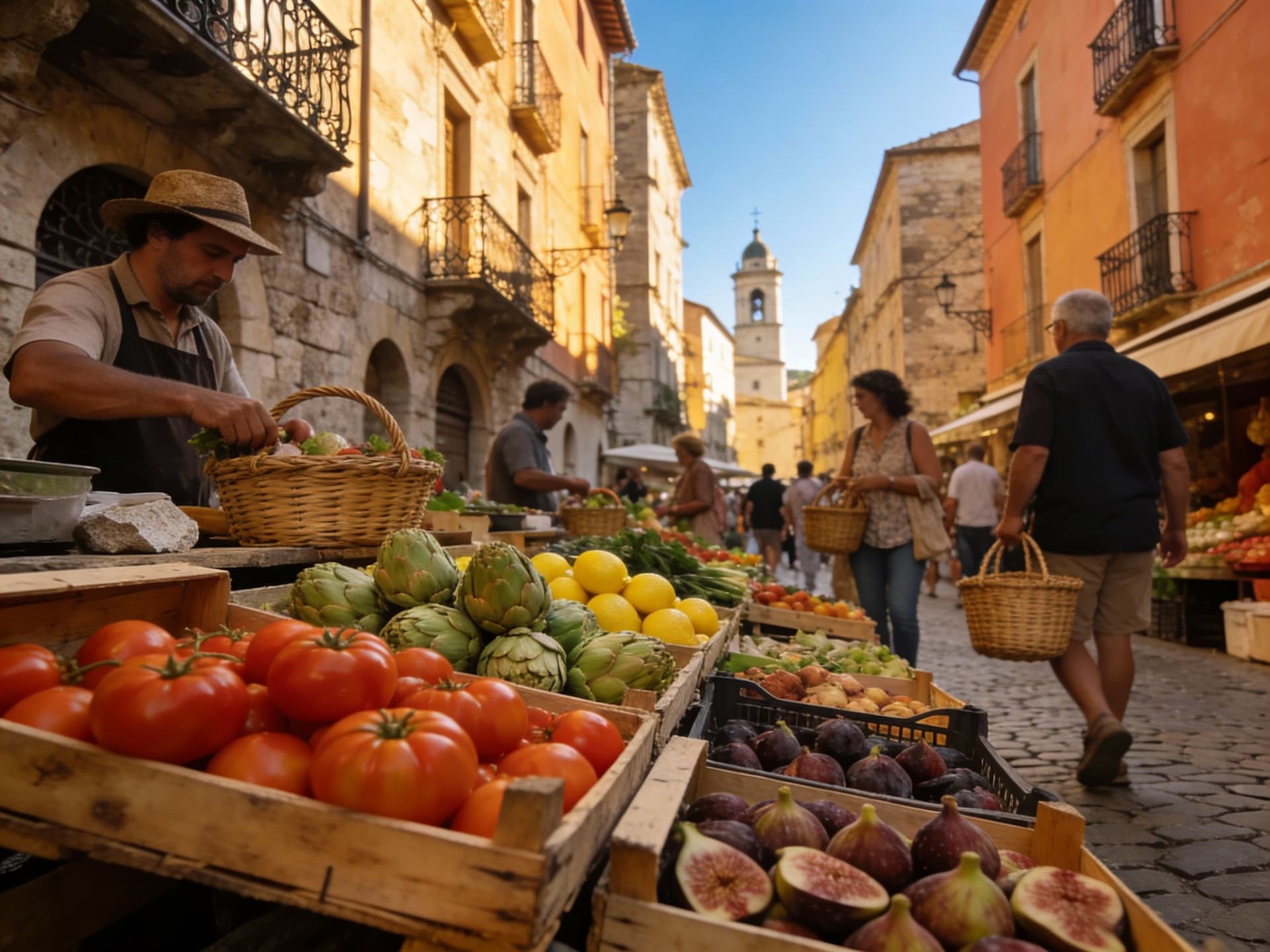
Italy’s daily rhythm is local: morning markets, mid‑afternoon closures, evening passeggiata. Neighborhood identity matters more than municipal boundaries — a Via del Corso street corner differs from Prati two blocks away. For buyers that means lifestyle choices are granular: cobbled centro storico living is emotionally rich but trades off on modern amenities and rental flexibility compared with outer ring suburbs.
Milan to Palermo: signature neighbourhoods and their moods
Milan’s Navigli and Brera feel like design‑minded urban studios; expect premium per‑sqm and lower gross yields. In Florence, Oltrarno delivers artisan charm but small flats and strict heritage rules. Palermo’s Kalsa and Gastronomia districts offer value, strong short‑term demand and higher yields, yet require patience for bureaucracy and renovation approvals.
Food, festivals and seasons that shape where you live
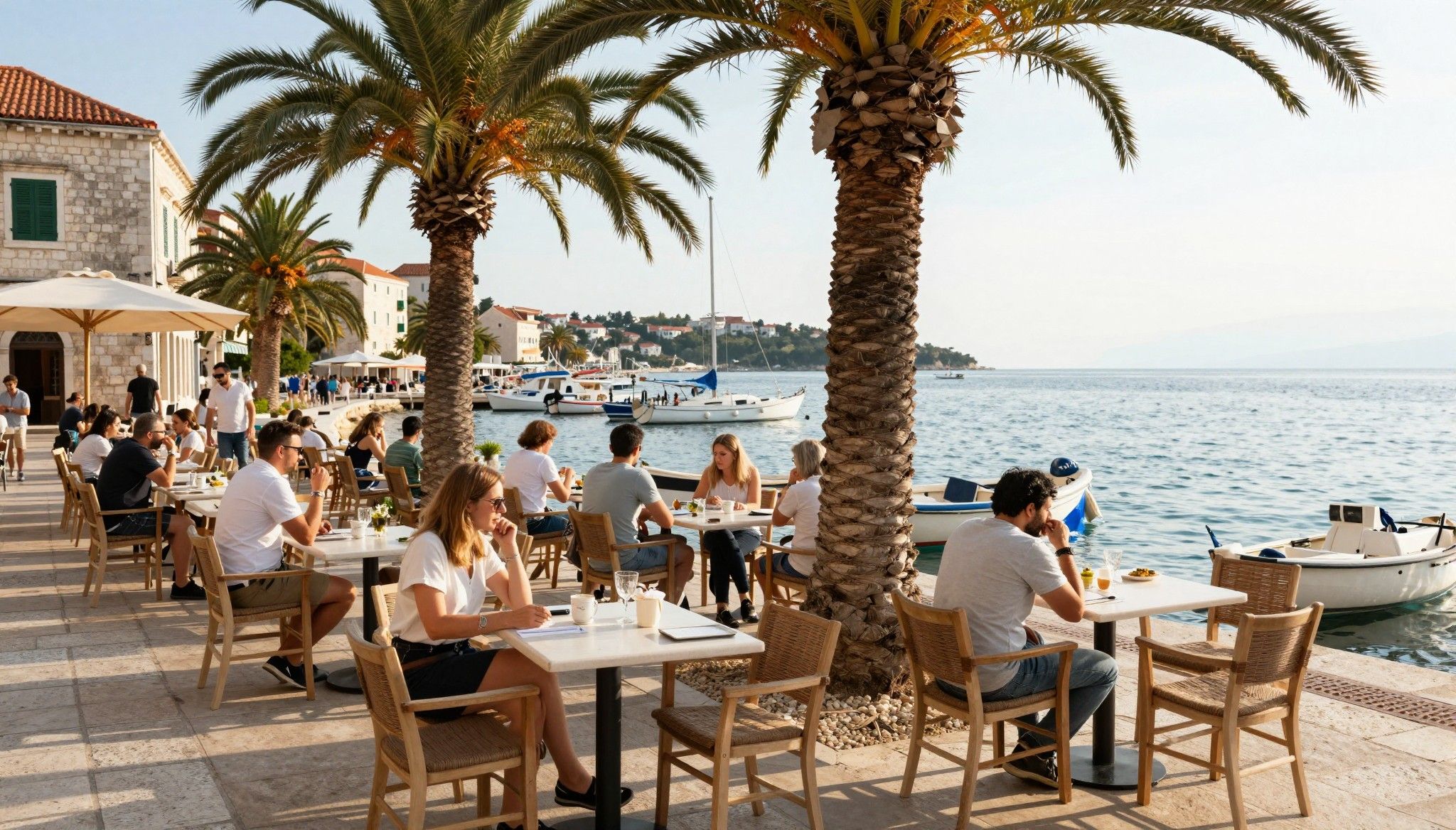
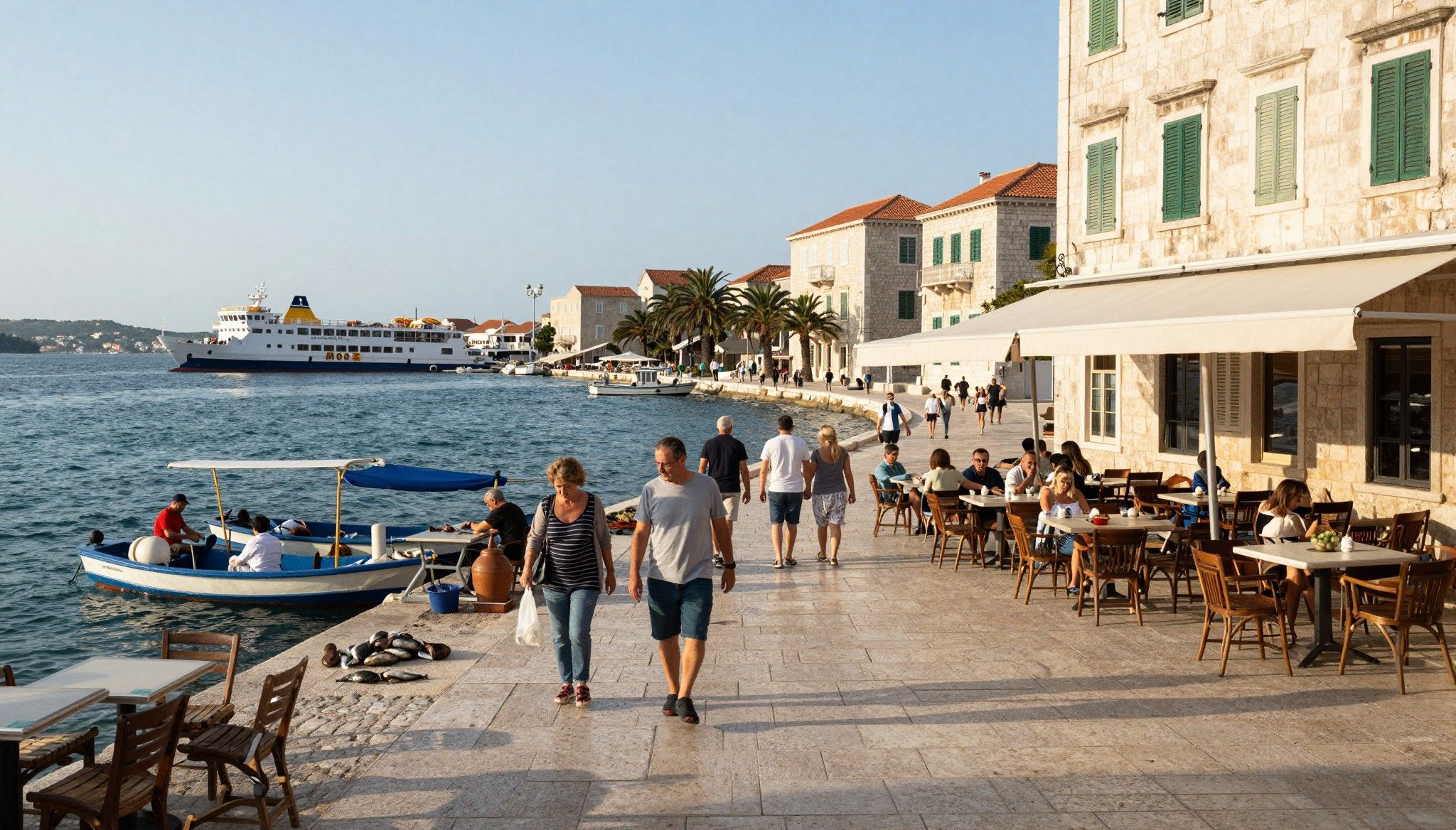
Markets like Florence’s Mercato Centrale or Bologna’s Quadrilatero are daily life hubs; coastal towns pivot around summer festivals and marina access. Seasonality affects occupancy — coastal short‑lets peak in July–August while university towns like Pisa and Bologna provide steadier year‑round rental demand.
- Lifestyle highlights: Mercato Centrale (Florence); Navigli canals (Milan); Trastevere cafés (Rome); Mondello beach (Palermo); Viareggio carnival (Tuscany); Palermo street food trail (Vucciria).
Making the move: lifestyle meets investment mechanics
Dreams steer you to a street or piazza; returns demand metrics. National averages hide extremes: central Milan listings trade near €4,900–€5,000/m² while many southern provincial towns fall below €1,500/m². That divergence creates two clear strategies: premium capital appreciation in select northern cores versus yield capture in southern and secondary-city markets. Use price per square metre and local rental rate (€/m²) as your first sieve.
Property styles and what they mean for living (and rents)
Historic centro apartments deliver immediate lifestyle value but often need costly upgrades (wiring, seismic retrofitting). New builds or 1990s blocks in outer districts offer easier maintenance and higher long‑term tenant appeal for families. Seaside villas command premium seasonal rates but require management for off‑season vacancy.
How local experts turn lifestyle briefs into investable assets
- 1. Translate lifestyle into KPIs: target neighbourhood, expected nightly rate (if short‑let), or monthly rent, and cap rate threshold. 2. Confirm regulatory fit: short‑let rules, heritage restrictions and local zoning can kill a plan fast. 3. Cost-out renovations with local contractors and add 15–25% contingency for permits and hidden issues. 4. Model total cost of ownership: taxes, utilities, condominium fees, and property management — compute net yield, not headline rent.
Insider knowledge: expat realities and regulatory wrinkles
Expats often underestimate paperwork. Short‑term rental tax regimes and municipal rules vary and have shifted repeatedly through 2024–2025: national debates preserved a 21% flat tax for certain hosts but tightened thresholds for business classification. Cities like Milan are actively regulating visible short‑let equipment and check‑in practices — follow local decrees closely.
Cultural integration: language, neighbours and community norms
Learning basic Italian signals goodwill — shopkeepers, condominio presidents and local builders respond differently when you engage in the language. Noise rules, trash schedules and festival closures are local facts of life that affect tenancy and renovation windows. Invest time in meeting the neighbours early; it reduces friction and speeds approvals for work.
Long‑term lifestyle: when the romance becomes routine
After the first year you’ll trade novelty for networks: favourite market stalls, the neighbourhood barista and the local doctor. That social capital materially affects tenant retention and your property’s operating cost. Plan for evolving needs — accessibility, heating upgrades and flexible layouts that suit both holiday guests and longer‑term renters.
- What expats commonly wish they’d known: expect slow bureaucratic timelines; budget for seismic & energy upgrades; confirm condominium rules before signing; and prioritise neighbourhood services (markets, transport) over scenic single assets.
Italy gives you mornings of market chatter and evenings of opera or sea air. If you pair that lifestyle honestly with rigorous underwriting — local price per m², true net yield, regulatory checklists and a trusted local agency — you get both a place you love and an asset that performs. Next step: pick two neighbourhoods that match your lifestyle, instruct a local agent to run comparable rents and three renovation quotes, then stress‑test returns at -10% occupancy.
British expat who moved to the Algarve in 2014. Specializes in portfolio-focused analysis, yields, and tax planning for UK buyers investing abroad.