Malta: When Compact Life Changes Your Investment Math
Malta’s compact lifestyle concentrates both demand and risk: prices rose ~5% year‑on‑year to 2024, residency rule changes shift buyer mix—match property type to tenant for reliable yields.

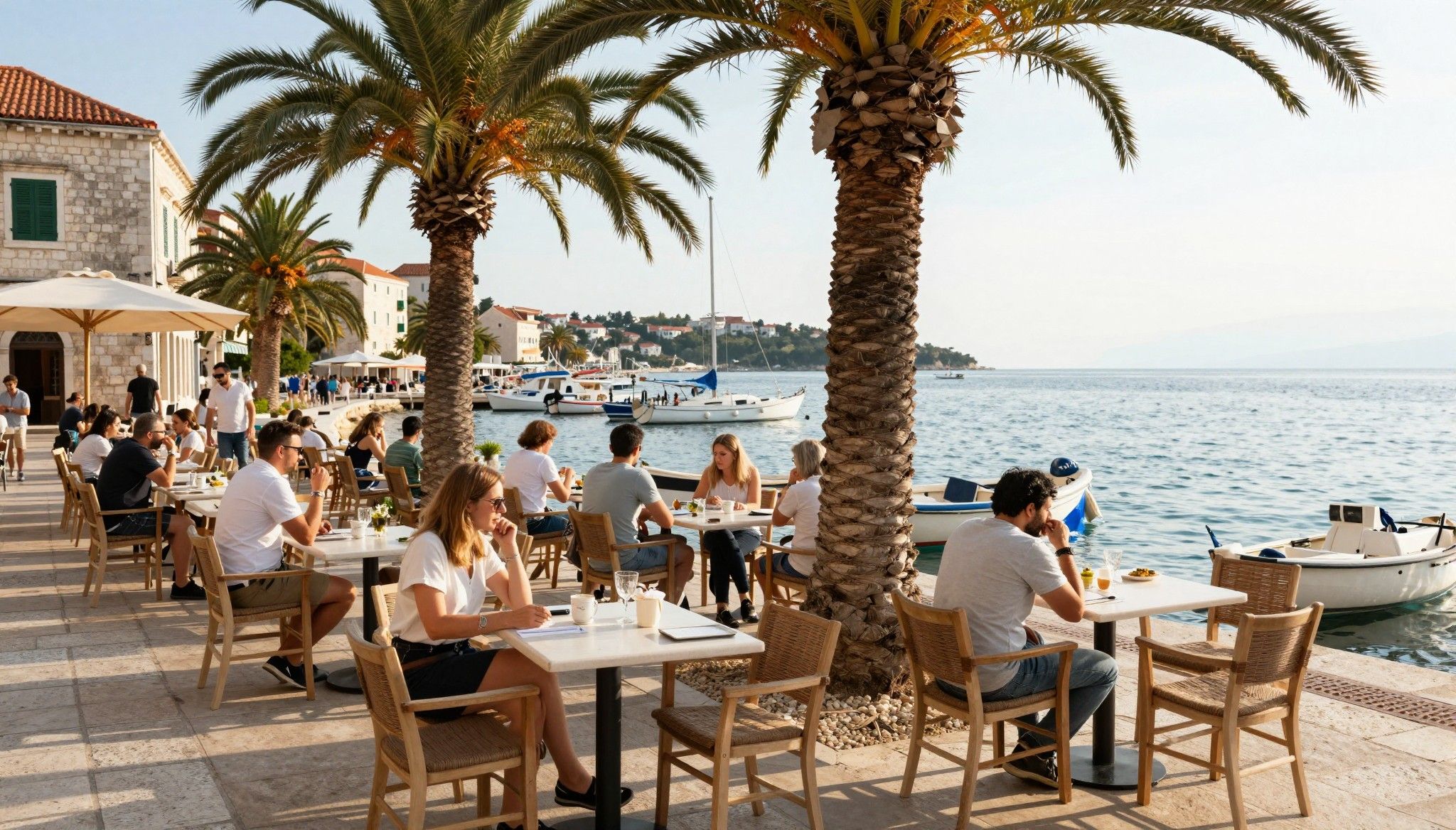
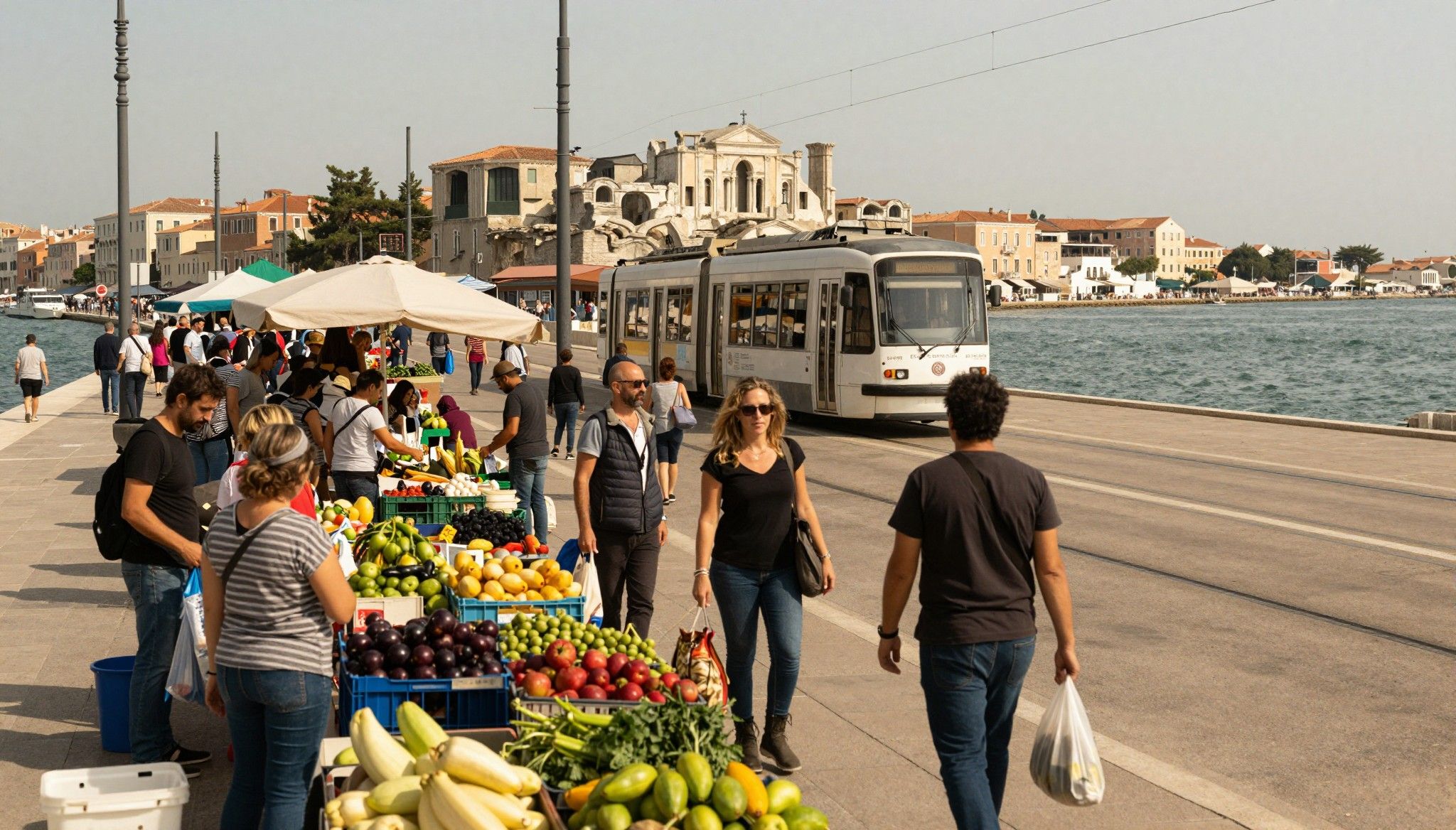
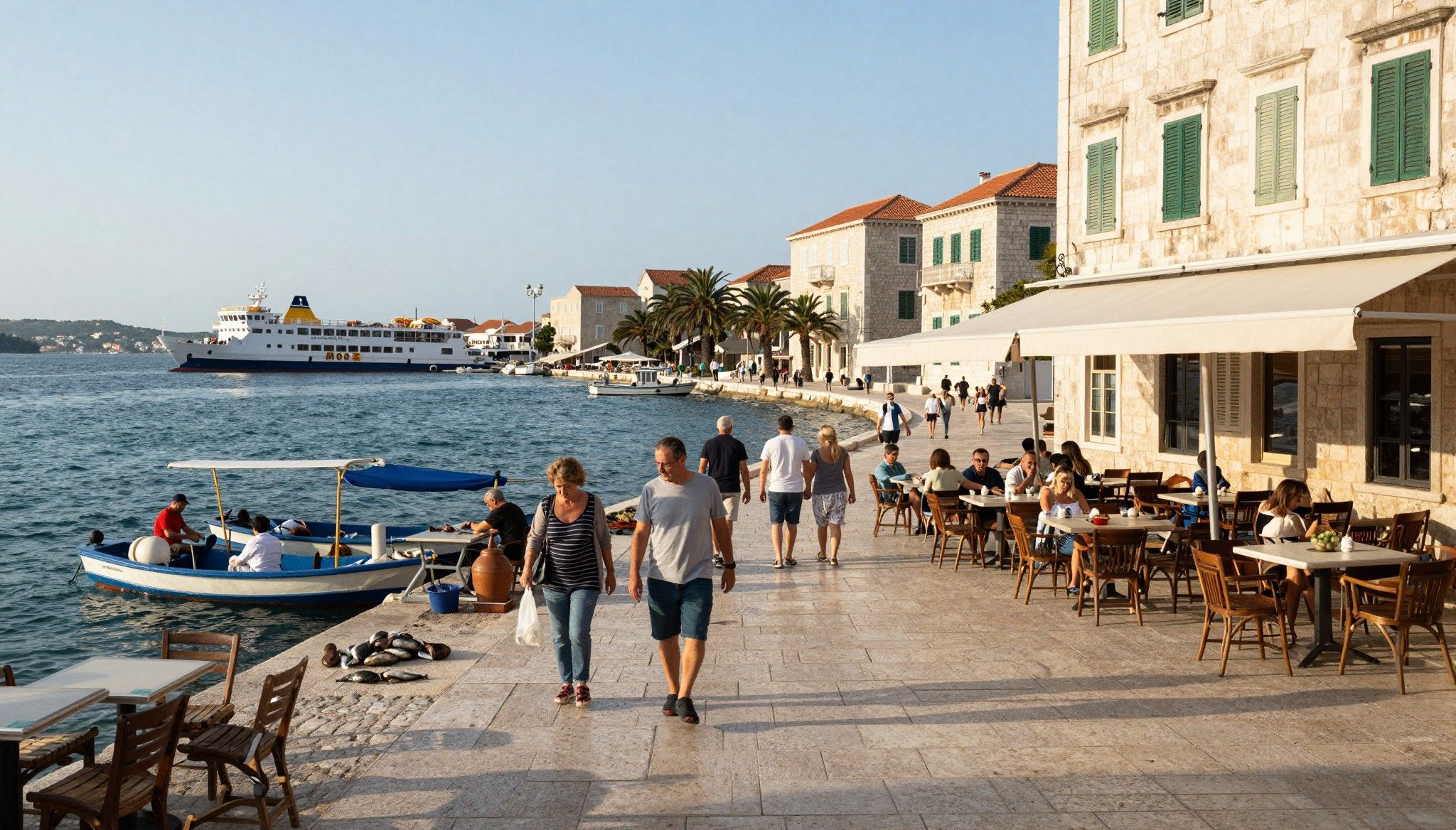
Imagine stepping off a ferry into Marsamxett Harbour: limestone terraces glow in morning light, the coffee at Café Jubilee tastes of burnt sugar and strong espresso, and a local bus rattles past narrow streets where neighbours still argue about bocce scores. Malta is compact enough that weekends can mean a museum morning in Valletta, a swim at Għajn Tuffieħa in the afternoon and dinner in a Sliema trattoria. That concentrated lifestyle is the island’s charm—and it changes what a property purchase actually buys you: community, walkability and year‑round tourism demand. Recent official data show property prices are still trending up, so the decision is as much about timing and type as it is about location.
Living Malta: the compact Mediterranean life

Life in Malta moves at Mediterranean speed but within a very small geography, which creates a dense patchwork of distinct neighbourhood characters. Expect English and Maltese on menus, late dinners, strong café culture and an every‑month calendar of festas and concerts. For an international buyer this means your property choice defines not just commute time but immediate social networks and rental appeal—Valletta evenings attract short‑stay tourists, Ta' Xbiex pulls corporate tenants, while Mosta and Mellieħa bring family rental demand.
Valletta, Sliema, St Julian’s — three different returns
Valletta commands tourism and short‑stay premiums but faces parking and conservation restrictions that limit conversion and expansion. Sliema offers seaside promenades and steady year‑round rentals to expatriate professionals but increasing supply of serviced apartments compresses yields. St Julian’s is nightlife and corporate short‑lets; high turnover can push gross yields higher but operational costs and seasonality are also larger. Official RPPI trends show prices rose around 5% year‑on‑year towards 2024, underscoring capital growth but squeezing entry yields.
Markets beyond the promenade: Gozo and inland pockets
Gozo is quieter and attracts lifestyle buyers wanting slower rhythms; rental demand there is steadier for long‑lets than short stays. Inland towns—Mosta, Zabbar, Paola—offer lower price per sqm and better net yields for buy‑to‑let portfolios, provided you can manage tenant placement and building maintenance. For investors, those inland units trade some Mediterranean glamour for rental predictability and lower entry price per sqm.
- Lifestyle highlights to map to investment choices: Valletta nightlife and short‑stay pull; Sliema promenades and expat renters; St Julian’s corporate lets and hospitality; Gozo tranquility and long‑let demand; Mosta family homes and school catchments.
Making the move: practical considerations that preserve the life you want

If you’re buying partly for residency, Malta’s Permanent Residence Programme (MPRP) changed in 2025 with new thresholds, administration fees and a temporary one‑year residence permit at application stage. Those changes affect timing and liquidity assumptions: stricter thresholds can raise your entry cost, while the temporary permit shortens time to move. Treat residency routes as separate financial decisions—calculate whether the residency premium offsets higher acquisition costs.
Property types and how they meet daily life
Traditional limestone maisonettes deliver character and interior volumes but often need retrofitting for insulation and plumbing. Newer developments give higher energy efficiency and lock‑up conveniences but trade away architectural authenticity and may command higher service charges. For rental investors, a modestly renovated maisonette in a high‑demand neighbourhood can outperform a new one‑bed in peripheral developments when occupancy is above 70%. Match the property fabric to tenant profile: families want storage and schools; professionals want commuting ease and broadband.
Working with local experts who know both lifestyle and numbers
- 1. Use a licensed agent familiar with planning restrictions and conservation zones to avoid surprises. 2. Ask for a rental‑ready cost sheet: projected gross yield, management fee, expected vacancy, and periodic maintenance. 3. Get a structural and MEP (mechanical, electrical, plumbing) survey—older stone properties often hide headline costs. 4. Stress‑test yields against a 10% vacancy and a 3% annual service‑charge increase to model worst‑case cashflow. 5. Confirm residency or tax implications with a Malta‑qualified lawyer before signing any reservation agreement.
Insider knowledge: what expats wish they'd known
Two regulatory shifts matter for the long view: tighter scrutiny of citizenship‑for‑investment schemes at EU level, and evolving residency rules that reshape investor demand. The European Court of Justice ruling against Malta’s 'golden passport' program in 2025 has reduced speculative inflows tied solely to citizenship—this subtle change affects ultra‑premium segment liquidity and demand dynamics. Expect market segmentation: lifestyle and rental demand driven by actual occupation will become a clearer value signal than headline investor purchases.
Cultural realities that change where you buy
Maltese social life centres on neighbourhood ties and festa calendars; if you want to integrate, pick neighbourhoods with community centres or active local councils. English is widely used, easing everyday life for internationals, but local bureaucracy can be paper‑heavy and slow compared with what many buyers expect. Plan for a longer onboarding period: utilities, bank accounts and residency registrations frequently take weeks rather than days.
Long‑term lifestyle and investment tradeoffs
Malta’s scarcity of developable land supports capital appreciation but pressures affordability and yields. If your objective is portfolio diversification and steady rental income, prioritise properties with flexible tenancy appeal—good broadband, proximity to hospitals or corporate offices, and simple maintenance profiles. For lifestyle buyers, prioritise walkability and community over cap rate; for investors, prioritise net yield and tenant‑type match. Both camps benefit from local agency expertise that balances numbers with neighbourhood realities.
- Key red flags and practical checks: Ask for planning history and permits; verify service‑charge reserves; confirm broadband and water pressure for older buildings; request actual utility cost history where available; and check short‑stay licensing if you plan holiday rentals.
- 1. Visit in shoulder seasons (March, October) to see year‑round life. 2. Run a 5‑year cashflow model with conservative occupancy. 3. Contract a Malta‑based lawyer to review title, servitudes and permissions. 4. Engage a property manager before completion to line up tenants quickly.
Conclusion: Malta offers a condensed Mediterranean life that is both alluring and analytically legible. Its compactness makes neighbourhood choice disproportionately important to lifestyle and rental outcomes; recent official data show continued price appreciation, and residency rule changes alter the buyer mix. Approach Malta with the same discipline you’d apply to any asset class: match property type to tenant profile, run conservative yield scenarios, and use local experts who understand both festa calendars and fiscal calendars. If you want the coffee on a Valletta terrace and a predictable rental return, plan the numbers first—and let the lifestyle follow.
Norwegian market analyst who relocated from Oslo to Mallorca in 2016, guiding Northern buyers through regulatory risk, currency hedging, and rentability.