Malta: Love the Streets, Check the Yield
Malta’s irresistible Mediterranean lifestyle coexists with mid‑single‑digit yields and rising prices; marry street‑level lifestyle choices to rigorous yield math before you buy.
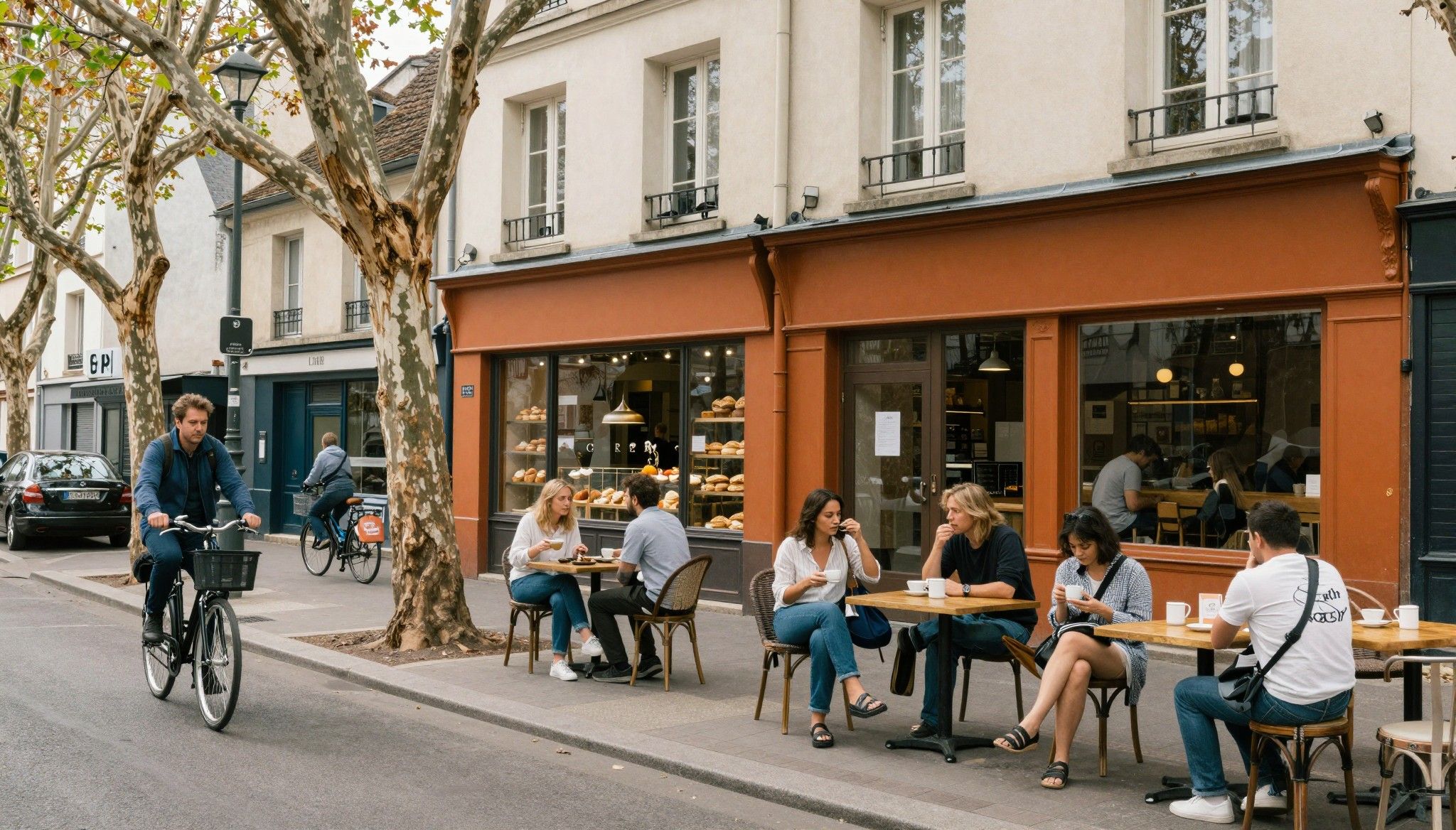
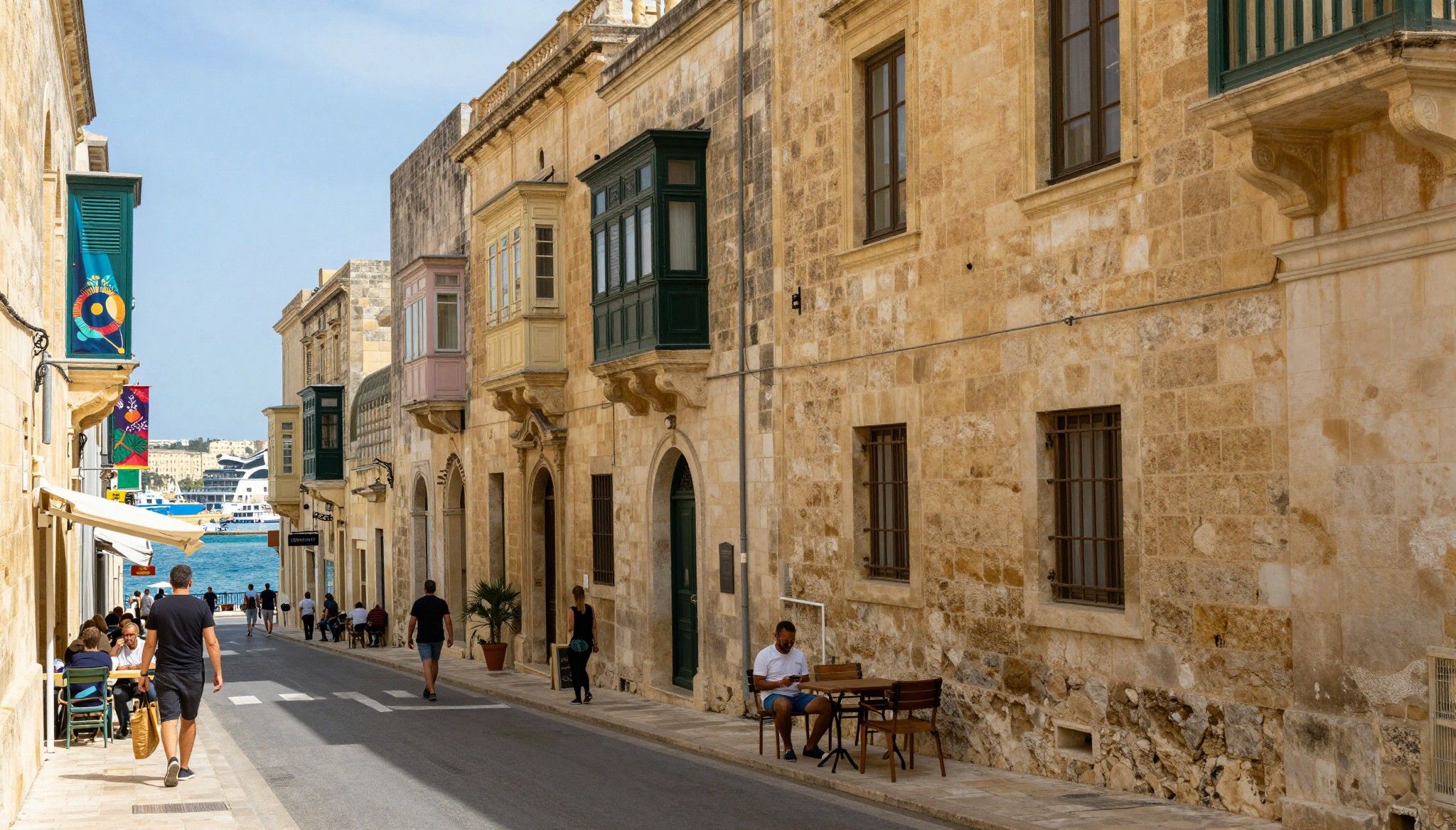
Imagine sipping an espresso at Caffe Cordina on Republic Street, then stepping out to narrow limestone alleys where seventeenth‑century balconies still shade small bakeries. Malta compresses Mediterranean life into walks of 20 minutes, a café culture threaded with English as an official language and a real‑estate market that moves faster than the ferry to Gozo.
Living the Malta lifestyle
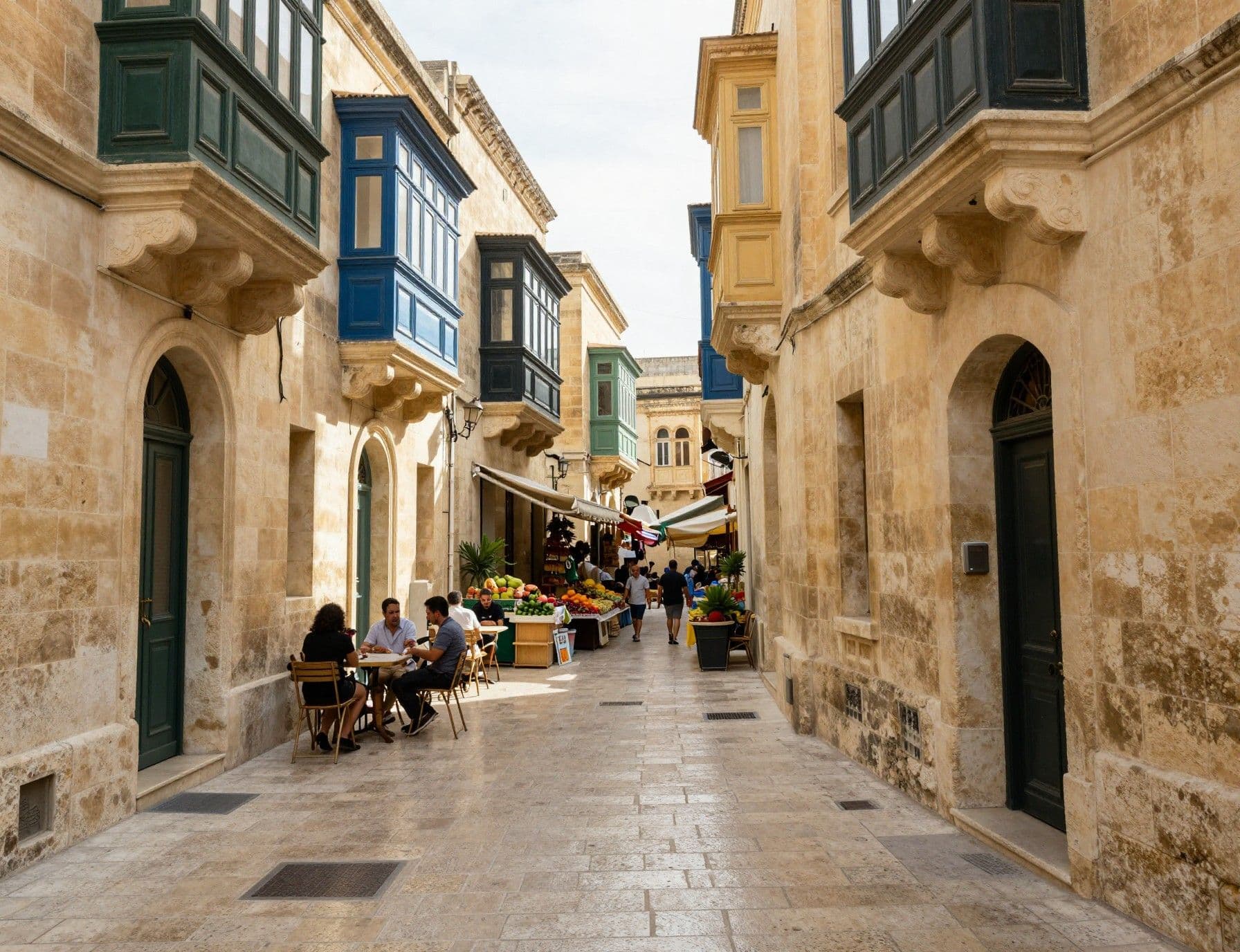
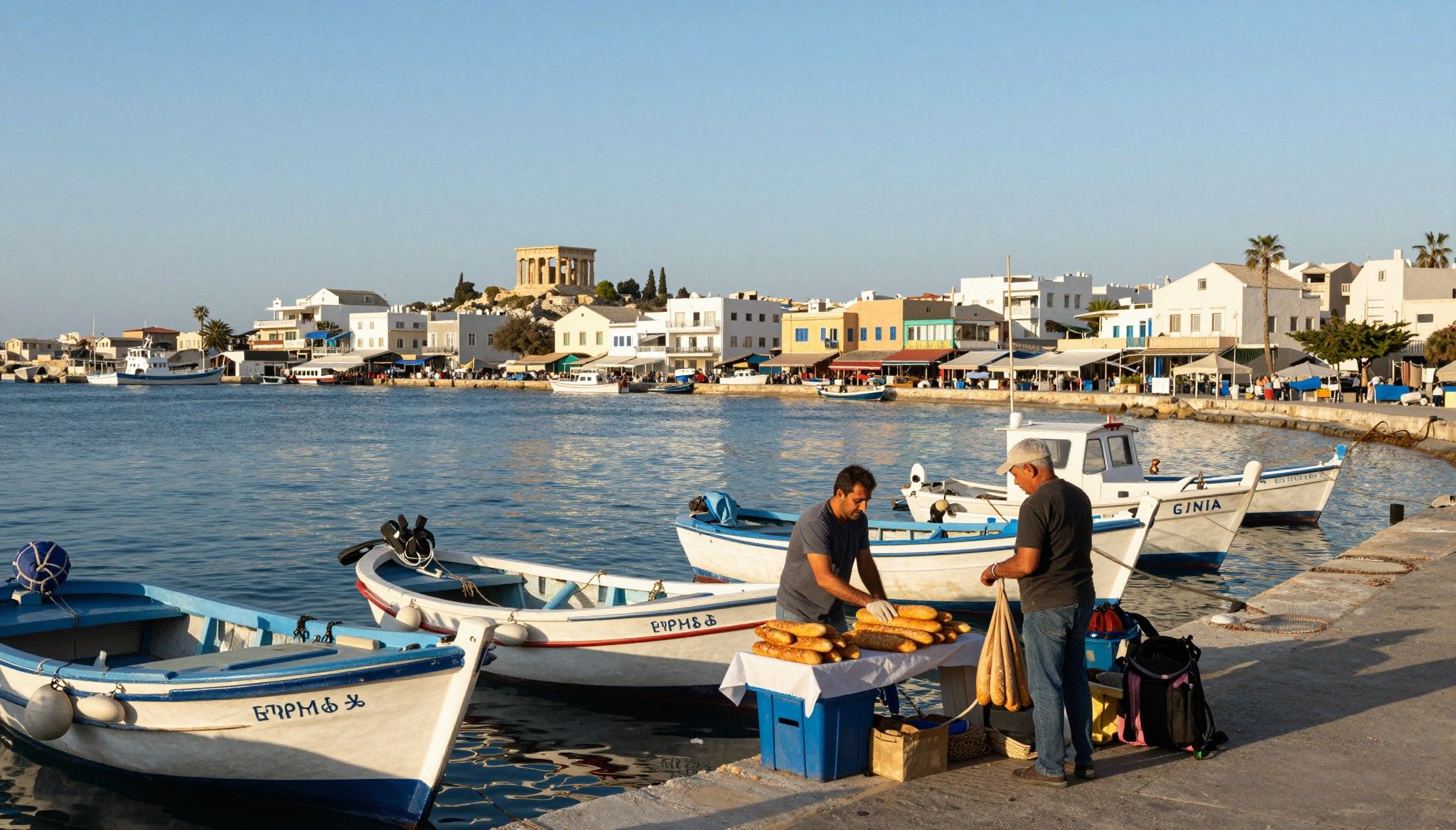
Days in Malta feel small and dense: morning markets in Marsaxlokk, mid‑day swims at St George’s Bay, late afternoons with a pastizzi in Sliema while ferries cut the harbour. Each neighbourhood signals a different life — Valletta’s tight historic grid for lovers of old stone, Sliema’s promenades for apartment living, and St Julian’s for nightlife and serviced‑apartment demand.
Neighbourhood spotlight: Valletta & the Three Cities
Valletta rewards patience — period apartments with high ceilings and tiny terraces can carry strong short‑let appeal for cultural tourists, but they require careful renovation and maintenance. The adjacent Three Cities (Vittoriosa, Senglea, Cospicua) offer lower price per sqm and growing boutique hospitality conversions, attracting buyers who prioritise capital‑growth stories over immediate cashflow.
Coastal living: Sliema, Gzira, and St Julian’s
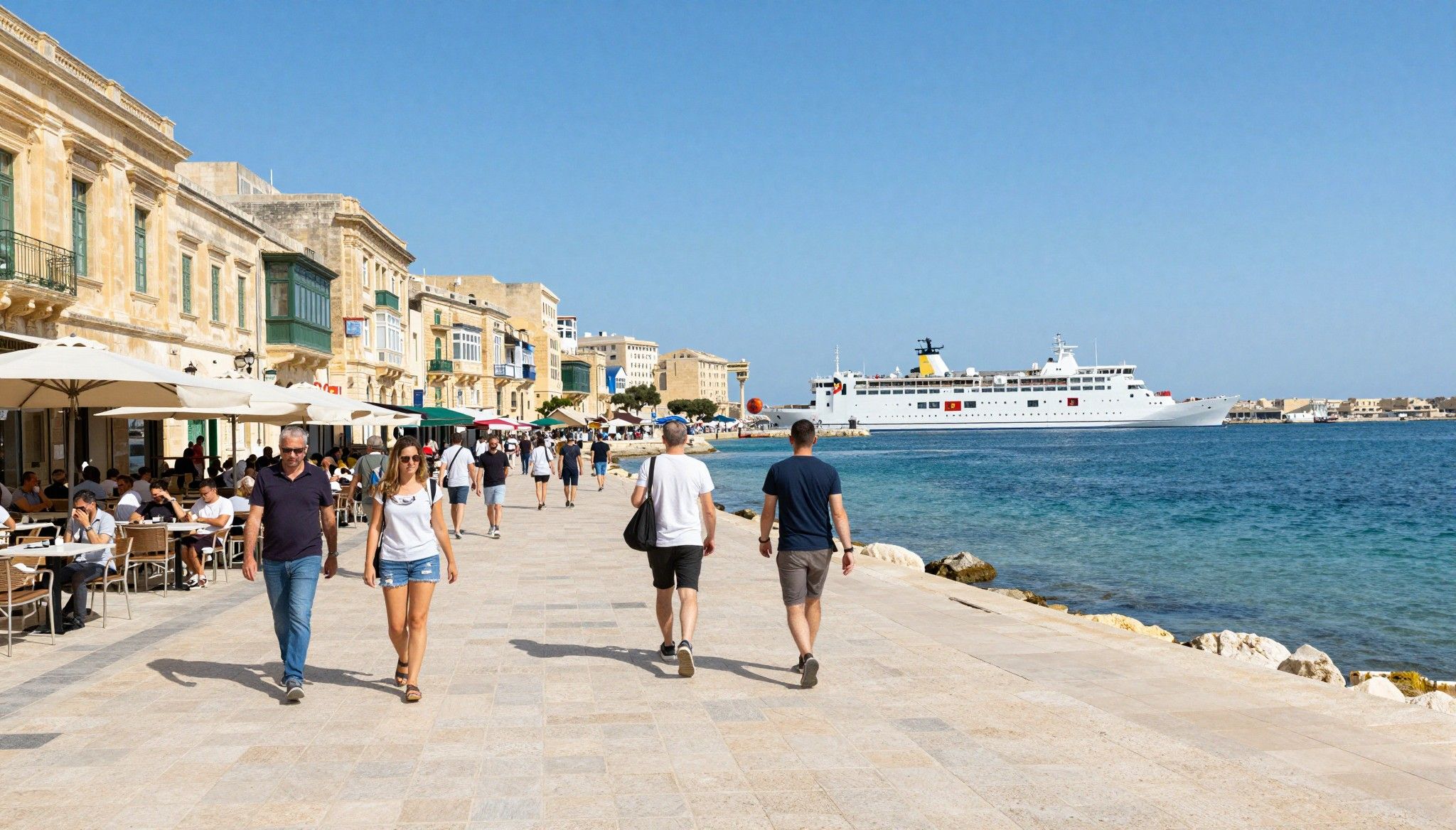
Sliema and St Julian’s are the obvious draw for renters: walkable seafronts, cafes, international schools, and consistent long‑let demand from professionals. Expect higher price per sqm (commonly €4,000–€6,000+) and lower gross yields compared with inland towns, but steadier occupancy and strong resale liquidity.
- Lifestyle highlights: beaches, markets and hidden corners
- Morning fish stalls at Marsaxlokk for weekend cooking
- Sunset walks on the Sliema promenade and café terraces on Tower Road
- Hidden bays around St Paul’s Bay and quiet terraces in Rabat
Making the move: lifestyle meets market reality
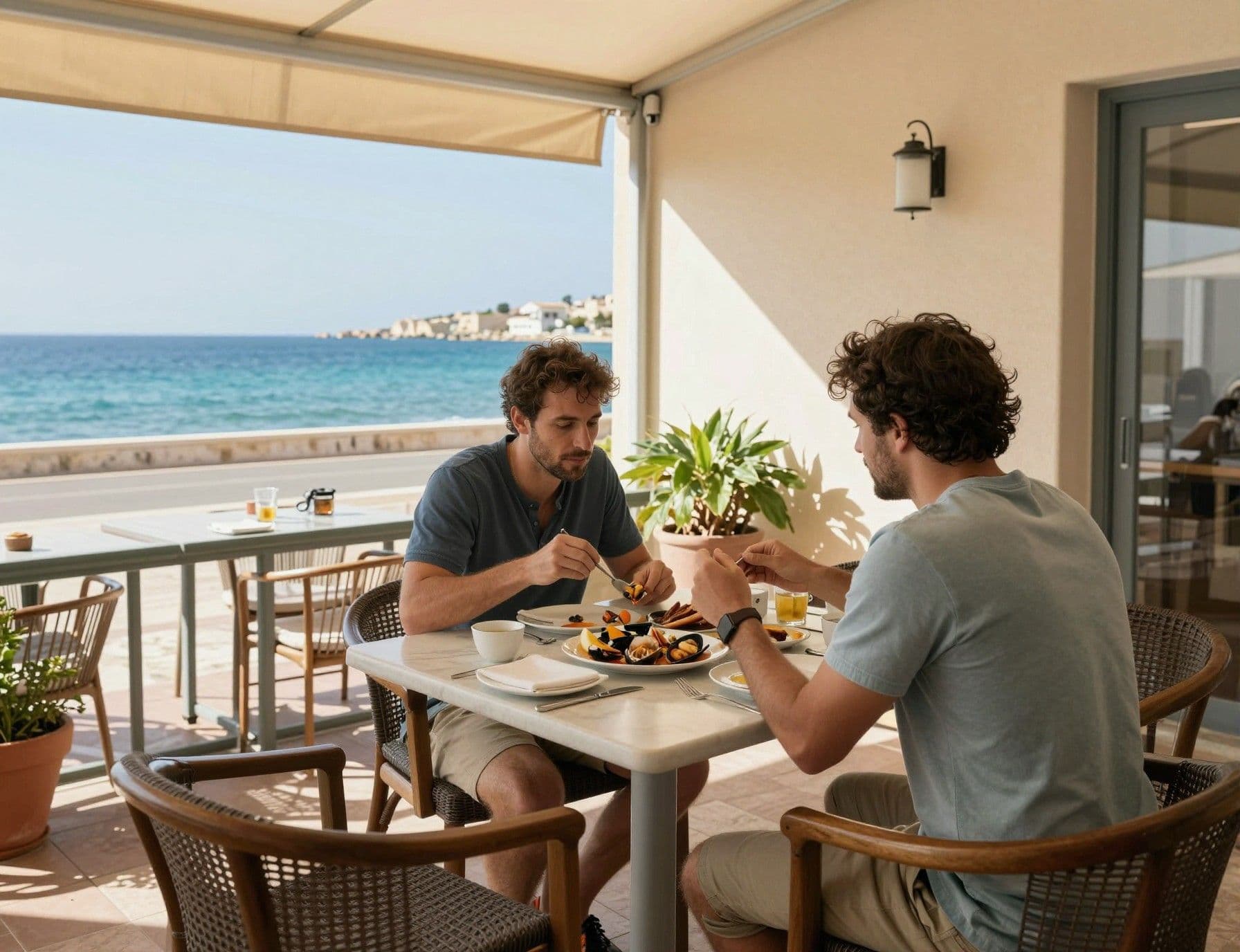
If the lifestyle sells you, the numbers keep you honest. Malta’s Residential Property Price Index rose around 6% year‑on‑year in late 2025, narrowing the spread between purchase price and achievable rent. Gross yields sit in the mid‑single digits nationally; net yields are frequently 1–1.5 percentage points lower after management, taxes and vacancy.
Property styles and how they shape daily life
Choose a converted period apartment if you want streets that end at a bar and tenants who value character; choose modern blocks in Sliema for lift access, parking and year‑round rental appeal. Terraced houses on the outskirts (Birkirkara, Mosta) trade lifestyle for space and often better yield potential but longer commutes.
Working with local experts who know both life and law
A Maltese agent who also understands residency pathways, local planning rules and the island’s scarcity premium can save months of friction. Agencies that prepare investor dossiers, coordinate structural surveys and translate tenancy market expectations for specific streets are worth the fee — especially where short‑let licensing or residency conditions attach to a purchase.
- Practical steps blending lifestyle and investment
- Map commute times from prospective properties to the places you’ll actually spend time (cafés, schools, marinas).
- Request comparable achieved rents (not asking rents) for the exact street and property type.
- Order a structural survey for period conversions — hidden works substantially change yield math.
- Estimate total cost of ownership: insurance, management (8–12% for single lets), utilities and seasonal vacancy.
Insider knowledge: what expats wish they'd known
Expat buyers repeatedly tell the same story: they fell in love with a street and underestimated running costs. In Malta, the island’s small size means local quirks — noise from festa season, unpredictable planning enforcement, or proximity to a busy promenade — can compress rental yield unless priced accurately.
Cultural integration, language and community life
English is widely spoken and makes daily life easier for internationals, but social integration often hinges on small rituals: regular attendance at local markets, supporting neighbourhood festa, and respecting communal terrace norms. These cultural anchors influence tenant expectations — a furnished apartment near a church may command different demand cycles than one on a quiet residential lane.
Long‑term life and investment realities
Malta’s economy supports steady demand but limited land constrains supply — a structural driver of price resilience. That improves capital preservation prospects but reduces headline yields. Investors should expect modest yield compression over time and plan for renovation, longer holding periods and diversified asset types (studios for short‑let, mid‑sized flats for long‑let).
- Red flags local buyers watch for
- Properties with unresolved planning or illegal additions — these can block rental licences.
- Underpriced listings in prime spots — often a sign of structural or legal cost.
- Assuming short‑let yields without checking licensing and municipality rules.
Conclusion: Malta rewards buyers who pair imagination with rigor. The island’s compressed Mediterranean lifestyle — markets, marinas, and dense neighbourhood life — is real and investable, but the math matters. Start by mapping lifestyle priorities to yield expectations, verify comparables at street level, commission surveys, and work with an agent experienced in residency requirements and local tenancy dynamics. Do that and Malta becomes not just a holiday memory, but a resilient addition to a diversified portfolio.
British expat who moved to the Algarve in 2014. Specializes in portfolio-focused analysis, yields, and tax planning for UK buyers investing abroad.