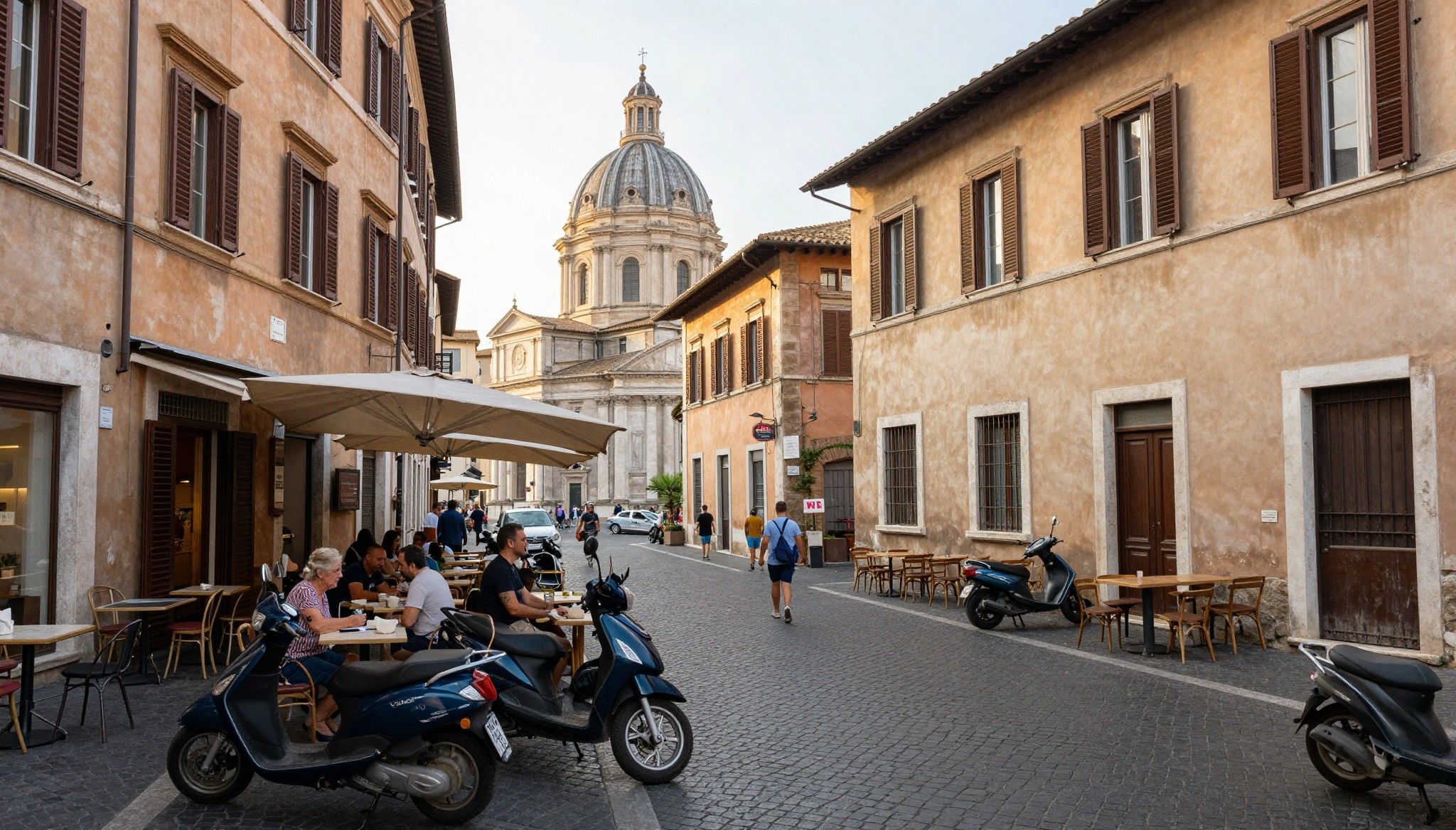
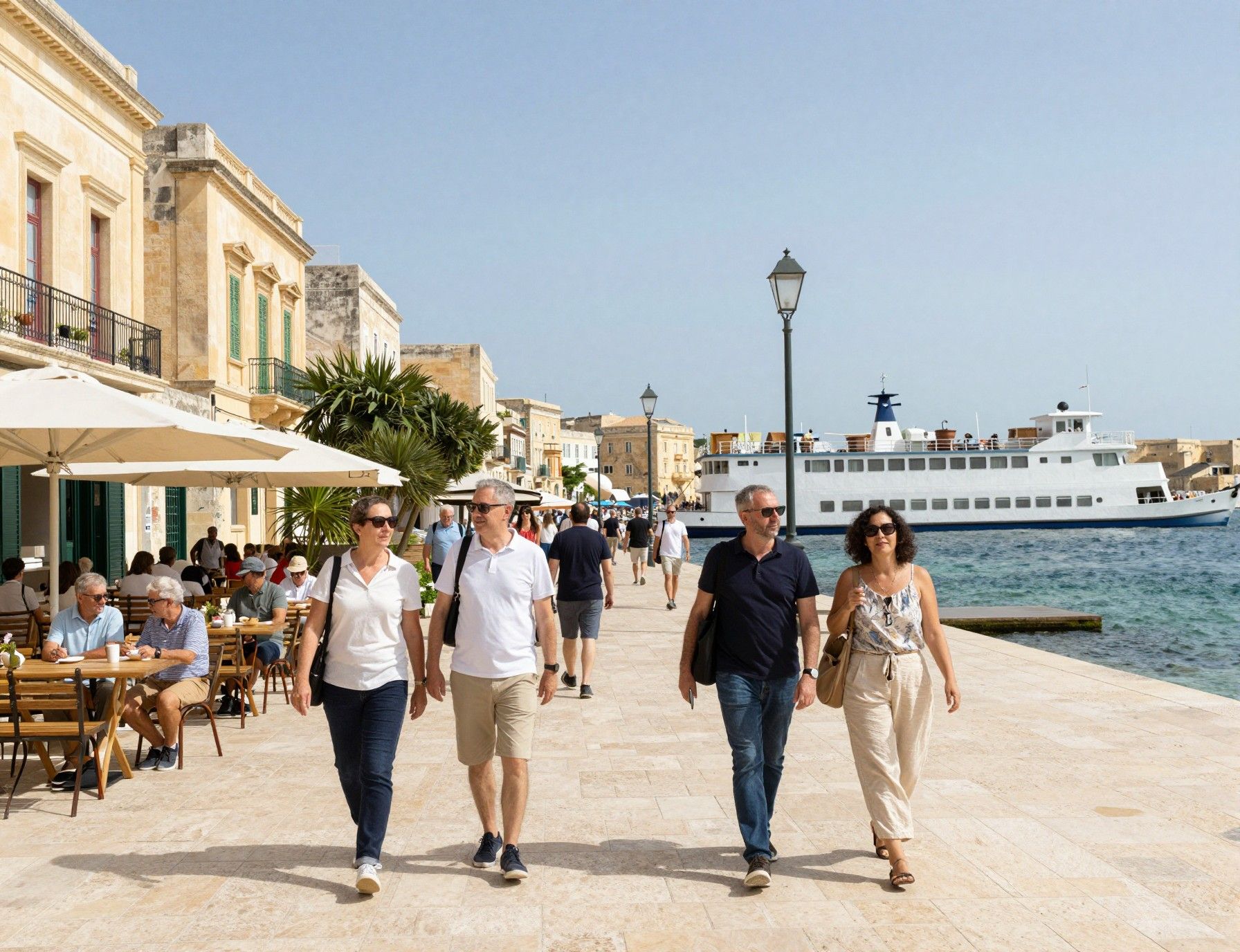
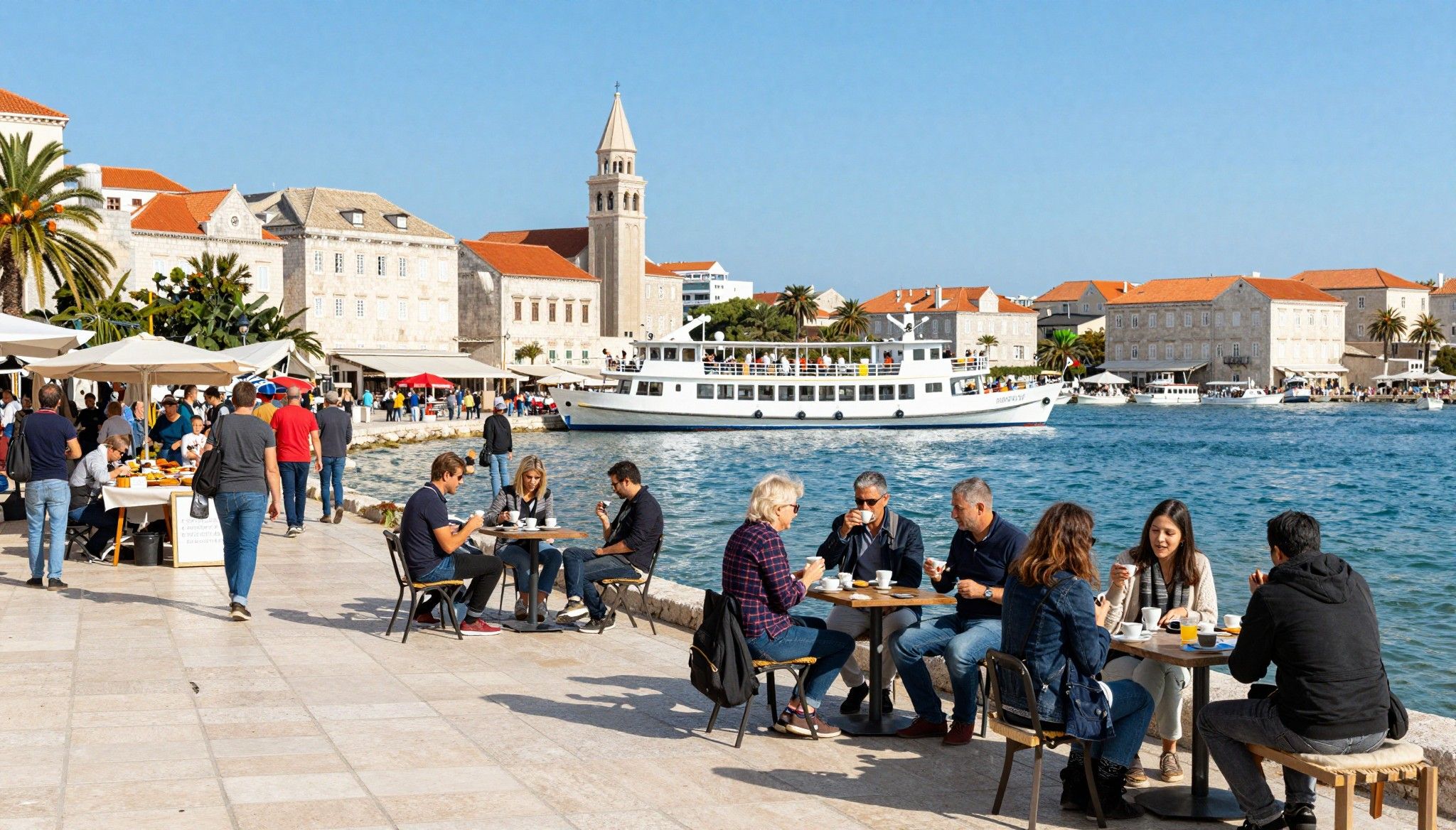
France: Streets, Markets and the Price‑to‑Yield Reality
Fall for France’s cafés and coastlines — then use INSEE, Notaires and DVF data to convert desire into defensible price‑per‑m² and realistic net yield assumptions.
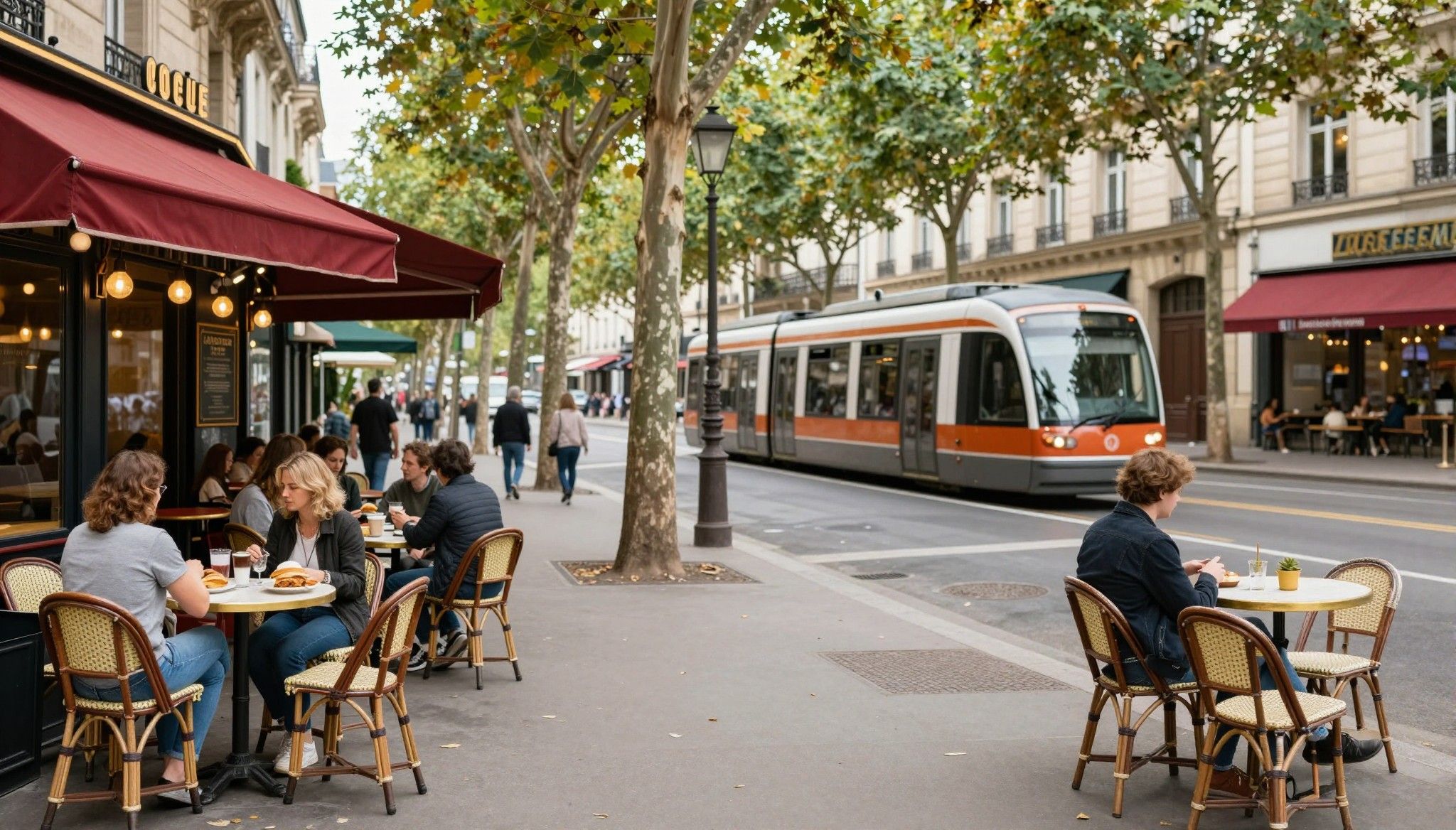
Imagine waking up in a Parisian flat, pausing at a window that frames a chestnut-lined street, then finishing the morning at Marché des Enfants Rouges with a coffee. France delivers scenes like that across very different markets: the Riviera’s seaside rhythm, Lyon’s culinary quarters, Brittany’s quiet coastal towns. But for international buyers who care about returns as much as romance, those scenes need to be measured against prices, rental demand and net yields. This guide blends the lived experience — real streets, cafés and seasons — with data-based price and yield analysis so you can fall in love without losing your head.
Living the France lifestyle: more than clichés
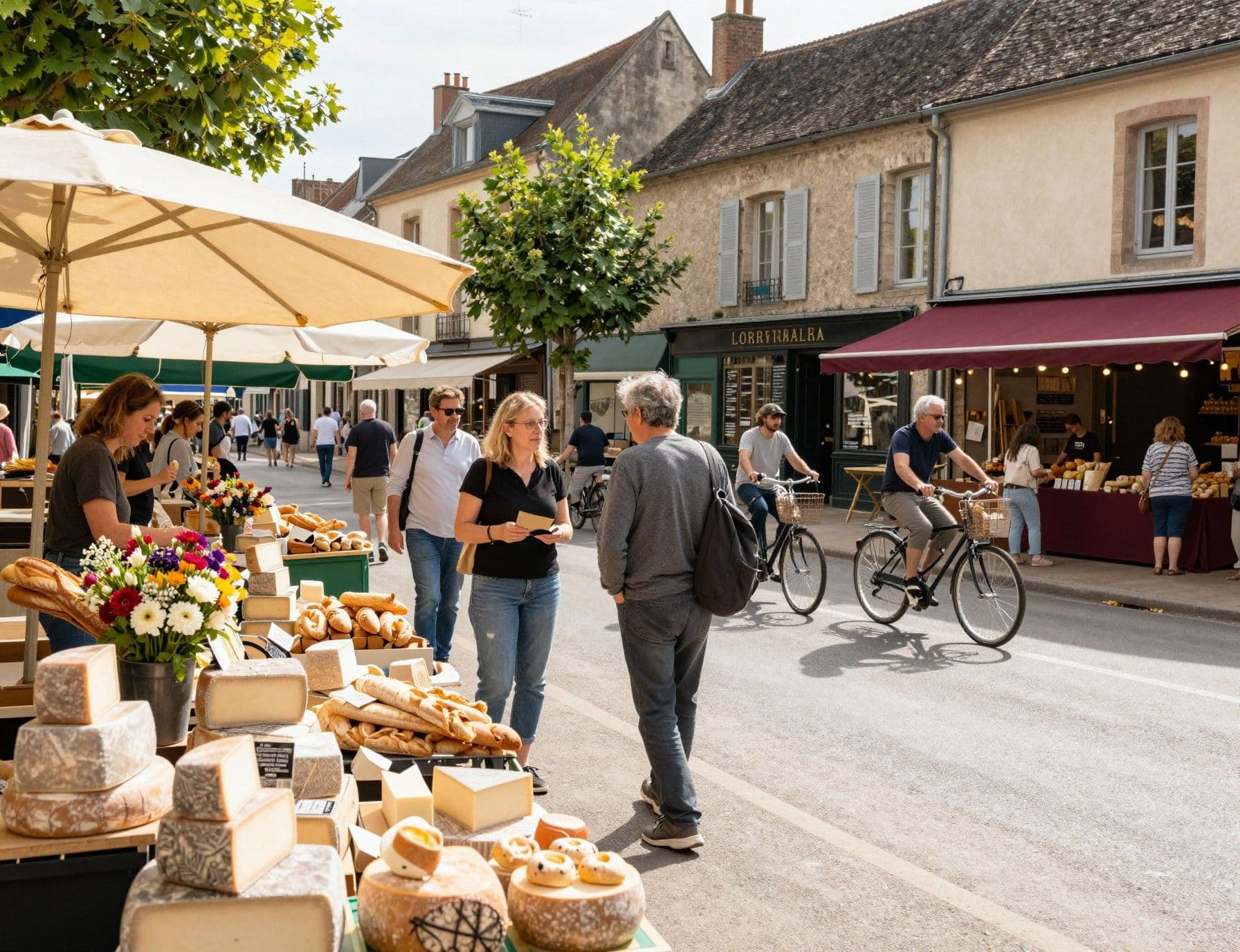
France’s daily rhythms are local. In Paris you trade space for proximity to cafés and culture; in Bordeaux the weekend market and riverbank walks define life; on the Côte d’Azur mornings start with boulangeries and end with seaside aperitifs. These atmospheres translate into markedly different price levels: central Paris and select Riviera towns command multiples of national averages, while mid‑sized regional cities and rural communes can offer lower entry prices and different yield profiles. The market geography — visible in Notaires‑INSEE price maps — is the first filter an investor should apply when matching lifestyle to yield expectations.
Neighborhood snapshots that matter
Look past national headlines and focus on streets and arrondissements. In Paris, prices vary wildly between the 4th and 18th arrondissement; in Lyon the Croix‑Rousse has a different tenant profile than Part‑Dieu. Regional cities such as Nantes, Rennes and Montpellier have pockets where student and professional rental demand remains steady, while several Atlantic and Mediterranean coastal towns show strong seasonal variability. Use transaction-level data — the DVF register — to compare micro‑markets and to estimate realistic entry prices and gross yields for the exact streets you’re considering.
Food, markets and the tempo of life
A day in France is often measured by markets and meals: morning markets (marchés), long lunch breaks in provincial towns and lively aperitivo culture on the coast. These cultural patterns shape demand: apartments near good markets, tram lines and central squares appeal to long‑term renters; properties close to festival sites or beaches attract short‑term visitors in season. When you visualise life here — buying chèvre at a Saturday market in Aix or sharing oysters in Cancale — ask how often tenants will want that life and who will pay for proximity to it.
- Market‑defining lifestyle highlights: • Marché des Enfants Rouges (Paris) and local weekly markets that sustain neighbourhood rental appeal • Vieux Nice and Promenade des Anglais for coastal demand cycles • Croix‑Rousse (Lyon) for creative professionals and longer lets • Bordeaux rive droite districts near public transport for balanced capital growth • Île‑de‑Ré and Cap Ferret as seasonal premium but low‑yield coastal plays
Making the move: price and yield realities

The romance of place must be reconciled with price signals. Nationally, prices per square metre have shown modest swings in recent years with regional divergence: Paris and some coastal hotspots remain expensive, mid‑sized cities have seen renewed demand, and many rural areas offer lower entry prices. From a yield perspective, gross rental yields typically cluster around mid‑4% for many urban apartments, while some southern port cities and peripheral departments can produce higher gross yields nearer to 5–6%. Use INSEE and notarial indices to position expected capital cost versus likely rent.
Property types: match form to function
Stone‑built apartments in central cities attract long‑term, higher‑rent tenants but come with premium prices and stricter co‑op (copropriété) rules. Modern suburban units near transport links offer steadier yields and easier management for long lets. Secondary homes on the coast deliver strong short‑term income in summer but thin off‑season demand and higher upkeep costs. Choose type by expected tenancy: student & professional lets favour compact, central apartments; family lets prefer multi‑bedroom suburban units with outdoor space.
- Steps to align lifestyle with yield (practical checklist): 1. Map your lifestyle priorities (city/sea/countryside) and overlay average price/m² from Notaires. 2. Estimate realistic gross yield using recent rents from market platforms and DVF transaction prices. 3. Adjust yields for local costs (condominium fees, vacancy rate, property tax) to get net yield. 4. Check regulation and short‑term rental rules for the municipality — some coastal towns restrict tourist rentals. 5. Run a 10‑year scenario: conservative rent growth (1–2% real) vs. optimistic (3–4%) to stress‑test returns.
Insider knowledge: what expats wish they’d known
Expats often underestimate seasonality, local bureaucracy and the importance of micro‑location. A flat two streets away from a Saturday market can rent faster and at a premium compared with a similar unit without that amenity. Likewise, co‑ownership rules in older buildings can delay renovations and affect net returns. Practical knowledge gained from local agents and notarial searches — and a micro‑level check in DVF — prevents surprises that erode yield.
Cultural and community integration
Language and local customs shape tenancy and property management. Small towns prize long relationships and references; landlords who understand local rhythms (holiday periods, municipal fêtes) avoid high vacancy. Hiring a bilingual property manager familiar with local tax reporting, rental contracts and tenant expectations reduces friction and protects yield. Invest in relationships as much as bricks — the people who run laundromats, the concierge in a Paris building, the mairie office — they affect occupancy and upkeep.
- Long‑term practical considerations: • Factor in copropriété charges: historic buildings often have higher shared maintenance costs • Account for municipal taxes and potential surtaxes on second homes in some communes • Assess transport links — tram and regional rail strongly influence rental demand • Model refurbishment timelines and permissions in heritage zones before bidding • Plan for professional property management if you’re non‑resident
France offers a spectrum: premium, low‑volatility core markets and opportunistic regional pockets with higher entry yields. Use official indices from INSEE and notarial data to establish a defensible price per m², then test rents from local listings and DVF transactions to estimate gross yield. From there, subtract realistic costs to reach net yield and run scenarios for seasonality and regulation risk. If lifestyle draws you to a place, translate that desire into quantifiable investment assumptions before making offers.
- Next steps for serious buyers: 1. Choose three target micro‑markets (street/neighbourhood level) and pull DVF historical sales per m². 2. Request recent condominium (copropriété) accounts and minutes from the seller’s notary to identify upcoming costs. 3. Ask a local agent for anonymised rent roll data and typical vacancy periods. 4. Commission a short technical survey and factor refurbishment into your IRR. 5. Engage a bilingual notaire early to confirm transfer taxes and any municipal rules that affect short‑term rentals.
France will seduce you with markets, cafés and coastline, but the best buys come from reconciling that lifestyle with disciplined yield analysis. Start on the street level, use INSEE/Notaires/DVF data to quantify price and rent, adjust for real costs, and work with local experts who know both the mood and the math. Do that and you’ll own a piece of France that feels like home and performs as an asset.
Dutch investment strategist who built a practice assisting 200+ Dutch clients find Spanish assets, with emphasis on cap rates and due diligence.