Italy's 'Cheap House' Myth: Hidden Taxes and Rules
Italy’s cheap‑house myth: low asking prices hide cadastral quirks, transfer taxes and IMU variability—model a 10–15% buffer and pair lifestyle scouting with notary/accountant checks.
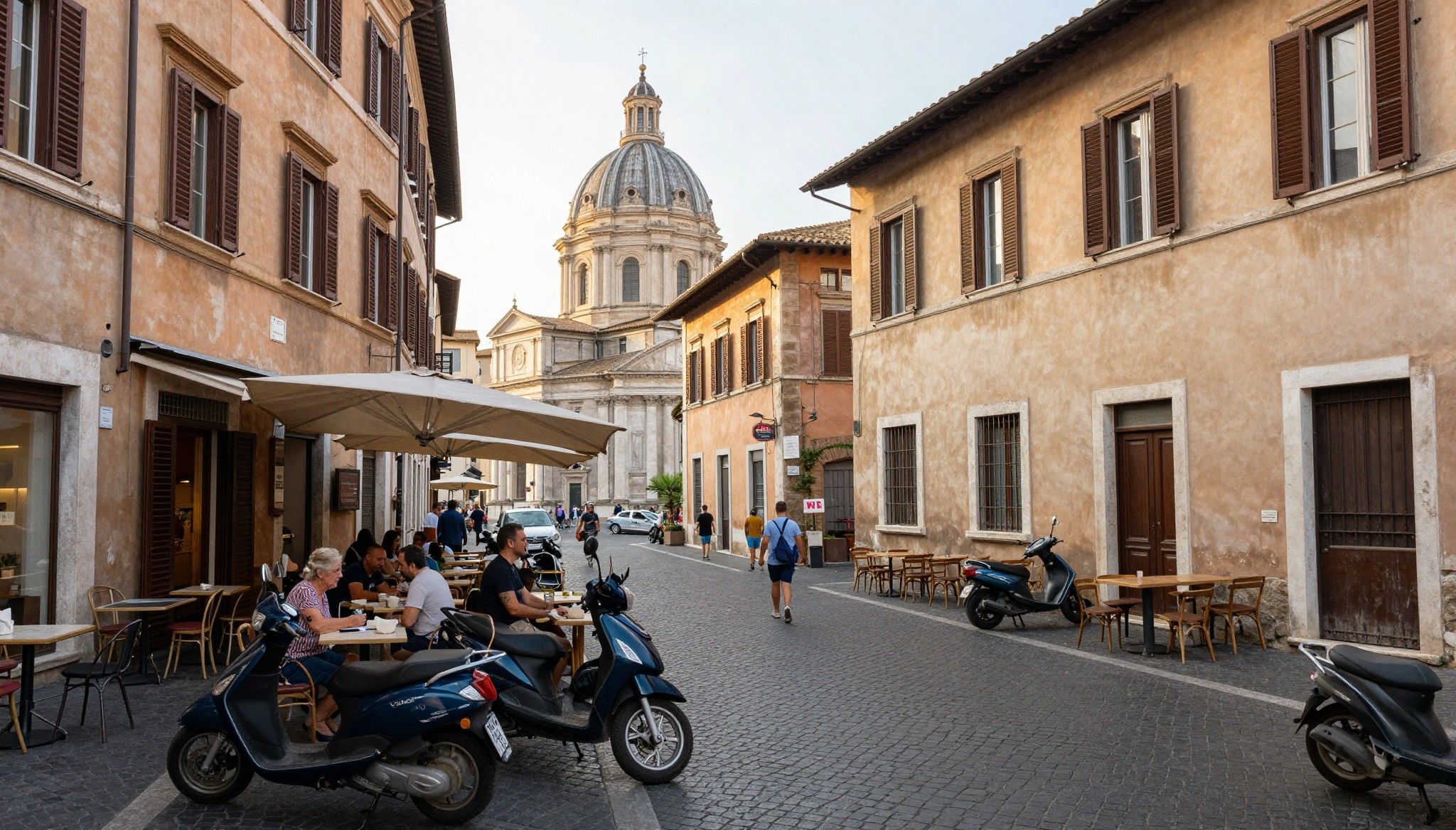
Imagine sipping a morning espresso on Via del Governo Vecchio in Rome, then slipping into a narrow alley where a two‑bedroom apartment lists for a fraction of the price of a Piazza Navona flat. Italy’s visual romance—stone facades, shuttered windows, market noise—makes low asking prices feel like an invitation. But the reality for international buyers is a layered arithmetic: cadastral values, transfer taxes, IMU, and local rules that can turn a bargain into a marginal investment unless you plan with precision.
Living the Italy lifestyle
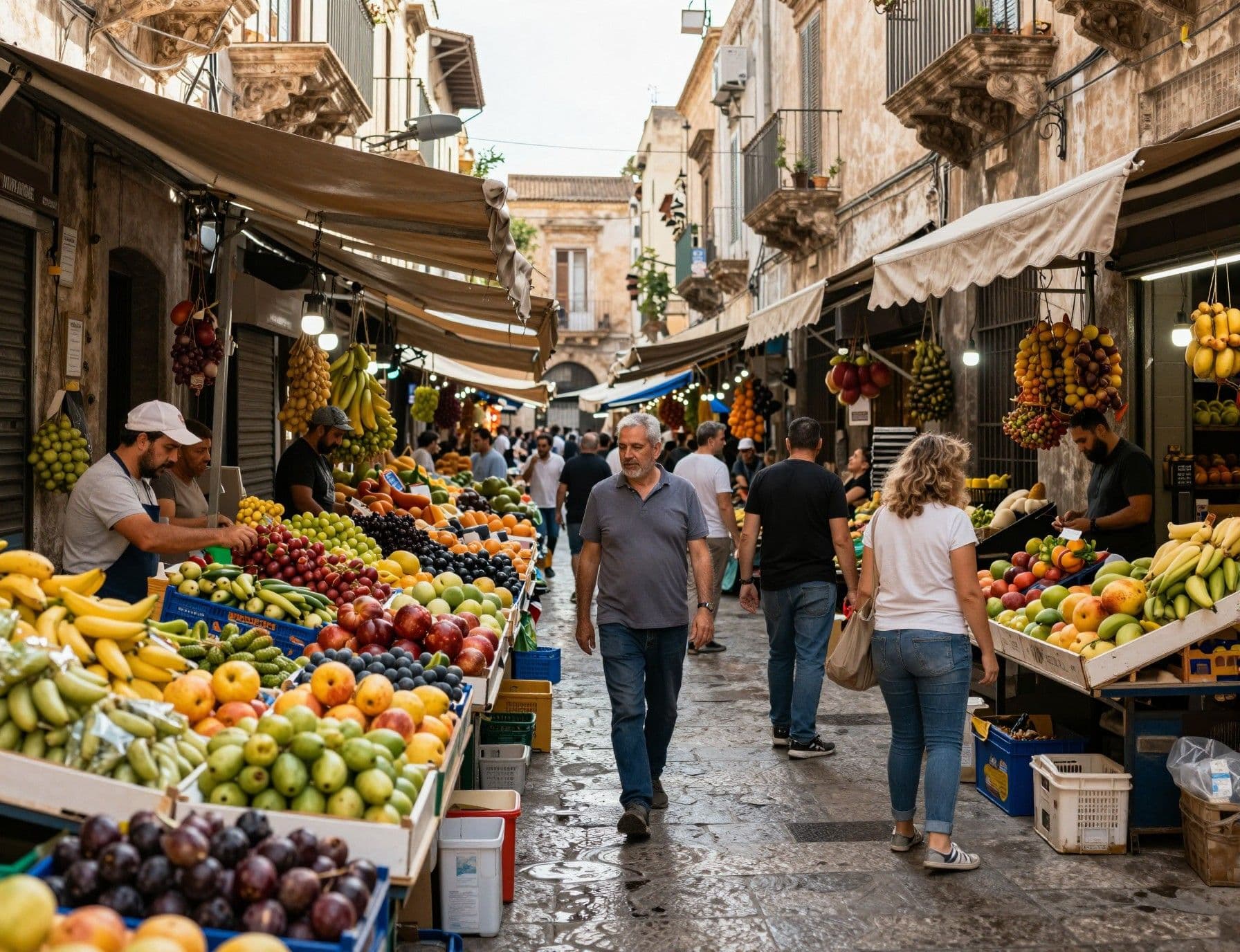
Italy is not a single lifestyle but a mosaic: tight historic centres where life happens on the street, coastal towns that slow the calendar to tide and light, and hilltop villages organized around markets and the church bell. Daily routines emphasize food, public space and seasonality—morning markets (mercato) in Palermo, aperitivo in Milan’s Navigli, and passeggiata in Siena. For buyers, those rhythms should guide property choices: a rental aimed at tourists in Positano needs different access and maintenance than a long‑let in Bologna’s university quarter.
Neighborhood pulse: city centre vs. periphery
Historic cores (Centro Storico in Rome, Brera in Milan, Oltrarno in Florence) deliver immediate lifestyle value—cafes, walkability, tourist demand—but come with small floorplates, higher maintenance, and restrictive condominium and heritage rules. Peripheral neighbourhoods (Testaccio, Pigneto, or Navigli outskirts) offer larger square metres, lower per‑m2 prices, and steadier long‑term tenants. Your lifestyle preference—living among daily bustle versus leasing to stable renters—should determine which tradeoffs you accept.
Food, markets and seasonality that shape property appeal
Markets and food scenes are more than charm; they are demand drivers. Apartments near weekly mercato squares in Bologna or Palermo command higher short‑term occupancy during festival weeks and university semesters. Coastal towns like Cefalù or Porto Ercole see sharp seasonality: summer yields spike but winter occupancy collapses. That seasonal pattern affects net yield expectations and operating costs—heating, winter maintenance, and utilities—which buyers must model into cash‑flow forecasts.
- Lifestyle highlights to scout when you visit:
- Morning market access (e.g., Mercato di Ballarò, Palermo)
- Evening life near canals or squares (Navigli, Venice sestieri)
Making the move: practical considerations
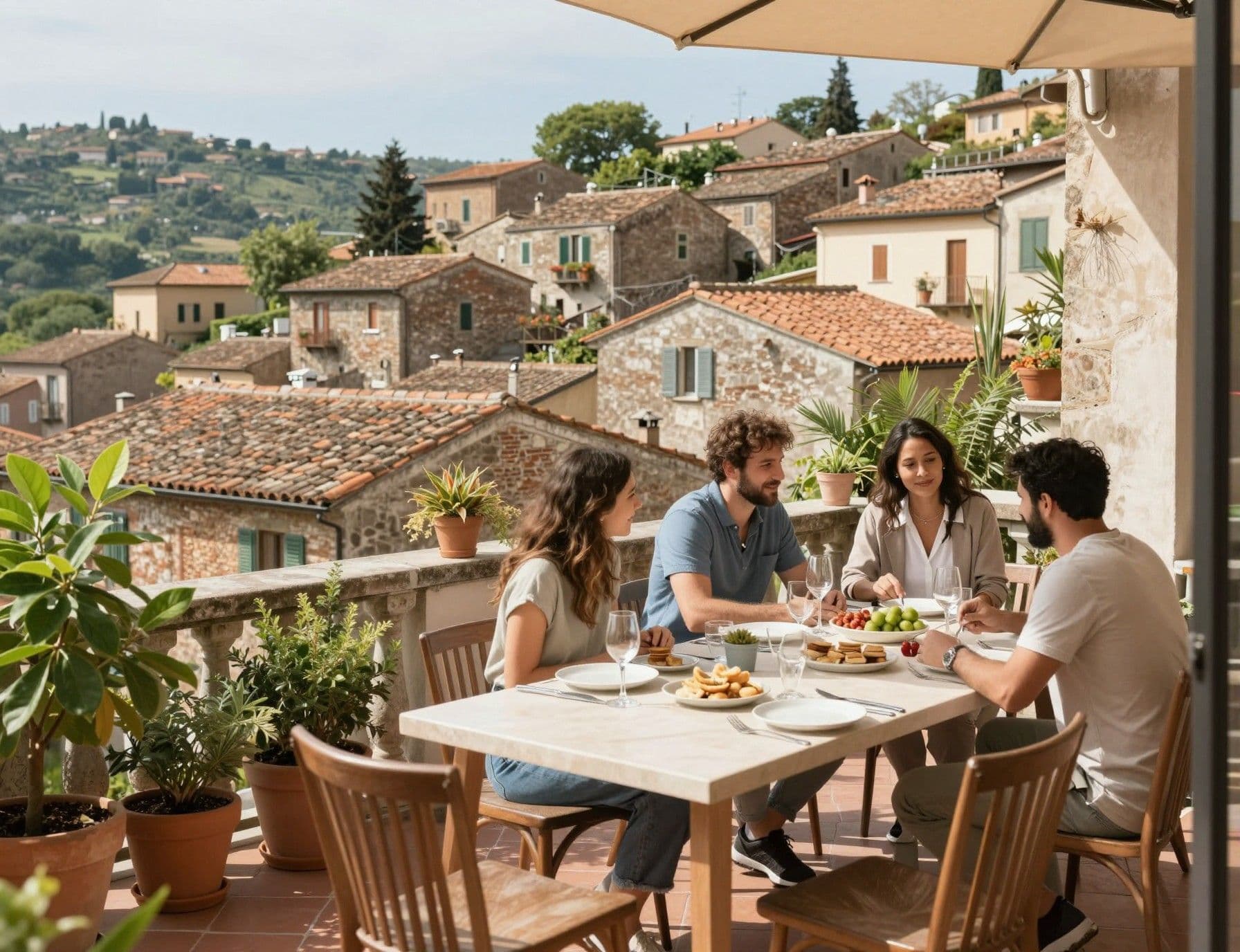
Lifestyle sells the dream; taxes and local rules determine the math. Italy’s purchase taxes are layered and depend on whether a property is classified as prima casa (primary residence) or second home, and on whether you buy from a private seller or a developer. Key figures: registration tax typically 2% (prima casa) or 9% (second home) of the cadastral value when buying from a private seller, while new builds may be subject to VAT (4%, 10% or 22%). These differences can change acquisition costs materially and must be factored into your offer price.
How transfer taxes and cadastral values distort 'cheap' listings
Many village bargains are priced low relative to market, yet transfer taxes are calculated on cadastral values (often lower) but can revert to the higher purchase price for second homes in practice. Closing and notary costs typically add 9–15% to the purchase price once you include taxes, notary fees, and agency/legal costs. As a rule: always model a 10%–15% transaction buffer and reconcile advertised price with cadastral value before assuming a margin.
Working with local experts who know the rules
An Italian notary (notaio) is mandatory at closing and plays a gatekeeper role for legal title and tax filings. Local accountants familiar with IMU (municipal property tax) and cadastral revaluations can save you thousands. Use specialists to verify: cadastral category (categoria catastale), whether the seller gave the property prima casa concessions previously, and municipal rates (IMU) that vary by comune. These checks reduce post‑purchase surprises and unexpected tax bills.
- Purchase checklist that blends lifestyle and fiscal checks:
- 1) Confirm cadastral category and compute registration tax scenarios (2% vs 9% vs VAT).
- 2) Ask the notaio for an estimate of all closing costs (notary, tax agency, cadastral updates).
- 3) Model IMU and running costs using municipal rates; add maintenance for older buildings.
Insider knowledge: what expats wish they'd known
Expats often romanticize low asking prices and then face recurring realities: IMU variability, condominium (condominio) spese, and the administrative friction of non‑resident banking and tax reporting. IMU bases and municipal multipliers differ by comune and can shift after municipal budget cycles. Many owners also underestimate the time and expense of bringing historic properties up to modern living standards—electrical rewiring, seismic retrofits, and energy upgrades are common non‑visible costs in older stock.
Cultural and administrative quirks that affect ownership
Italian bureaucracy can be slow: permits for renovations often require multiple municipal signoffs and architect‑led submissions (pratiche). Local customs—neighbour assemblies (assemblea condominiale), community committees, and informal expectations about façade maintenance—shape both cost and living comfort. Learning to work with a local geometra (surveyor) and a trusted avvocato is as important as picking the right street.
Long-term view: how lifestyle choices change the investment profile
If you plan to live part‑time and rent the rest, prioritize properties with separate access and flexible layouts to reduce management friction. For pure investment, target university towns, provincial capitals and commuter nodes (Bologna, Padua, Perugia) where long‑let demand is stable year‑round. Coastal holiday towns can produce high gross yields in summer but require a conservative vacancy and maintenance assumption when computing net yield.
Conclusion: fall in love with the piazza, but do the math first. Italy offers unmatched lifestyle variety and pockets of real value. To convert romance into repeatable returns, pair sensory scouting—markets, cafés, neighborhood pulse—with rigorous checks on cadastral values, transfer taxes, IMU, and realistic operating costs. Start with a notaio and local accountant, model a 10–15% transaction buffer, and consider properties that match not just your dream but your cash‑flow constraints.
British expat who moved to the Algarve in 2014. Specializes in portfolio-focused analysis, yields, and tax planning for UK buyers investing abroad.