Malta’s Seasonal Rental Truth: Where Yields Hide
Malta’s rental yields are compressed but predictable: match tenant type to micro‑neighbourhood, stress‑test net yields, and favour connected secondary pockets over seasonal seafront premiums.

Imagine sipping an espresso on Sliema’s promenade before a midday ferry crossing to Valletta — the sound of church bells, limestone facades warmed by sun, young professionals renting apartments above corner cafés. Malta is compact: everything that defines daily life — work, nightlife, beaches, bureaucracy — sits within a 30–60 minute drive. That density shapes rental markets: neighbourhood rhythm and seasonality matter as much as headline prices. For international buyers, falling in love with the lifestyle is easy; translating that into rental yield requires understanding local micro-markets and timing.
Living Malta: the compact Mediterranean routine
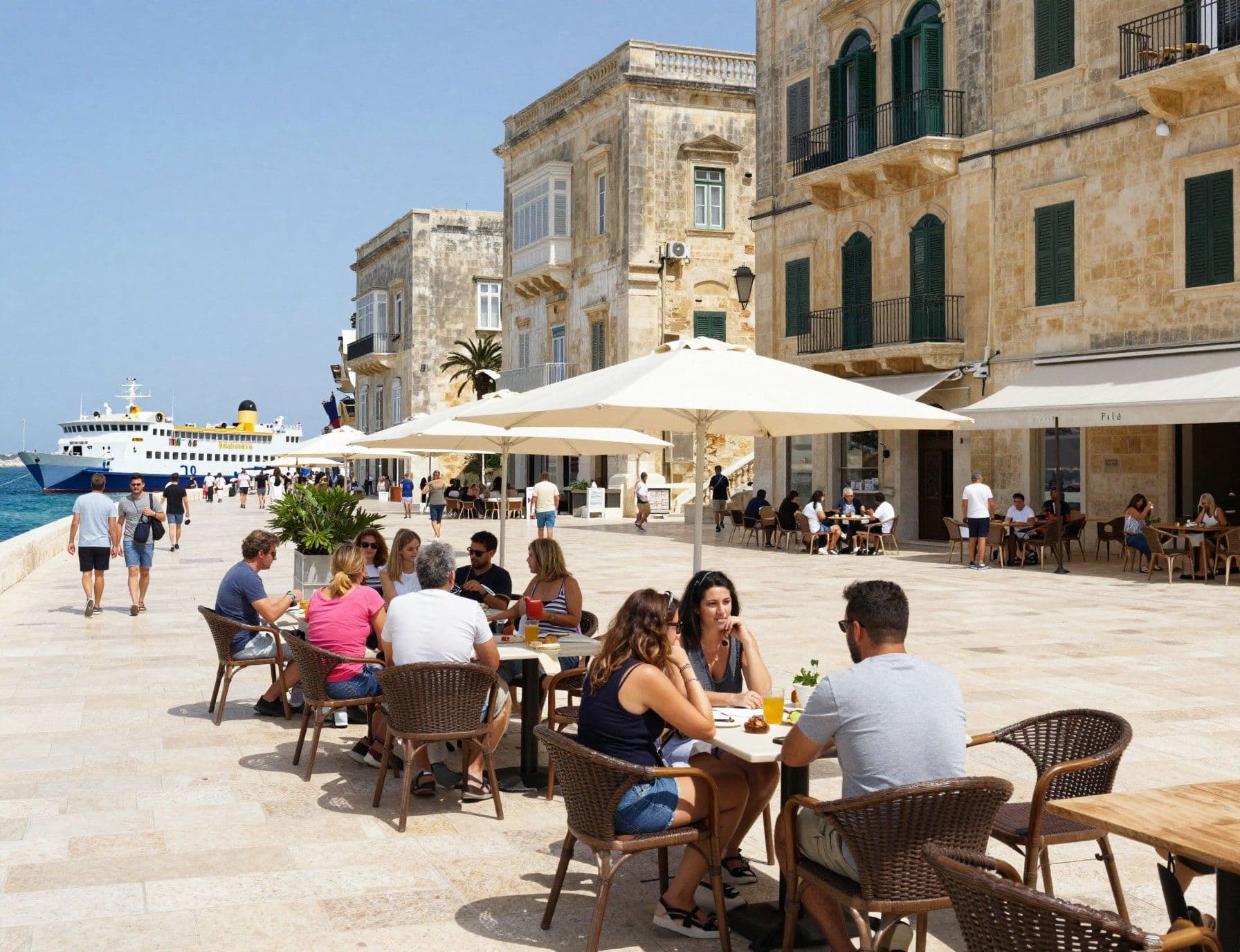
Daily life in Malta feels Mediterranean but efficient. Morning starts at a neighbourhood bakery, children walk to school in Maltese suburbs while white-collar workers commute to office hubs around St Julian’s and Sliema. Summers bring tourists and louder evenings; winters are mild and local-focused. That seasonal swing drives rental demand: short-term peak season renters cluster in St Julian’s and Valletta, while longer-let, year-round demand concentrates in residential pockets of Gzira, Pietà and parts of the Northern Harbour area.
Valletta, Sliema and St Julian’s — different crowds, different rent curves
Valletta offers historic apartments and premium short-let performance around cultural seasons and conference weeks. Sliema is the expat and professional hub — good for steady long-lets to corporate tenants. St Julian’s (Paceville) has nightlife-driven demand and higher volatility: its summer short-let premiums can look attractive on paper but vacancy risk rises off-season. Understanding which tenant you target changes the yield profile more than small differences in price per square metre.
Food, markets and seaside routines that influence where people live
Weekends in Marsaxlokk fish market, aperitivi on Balluta Bay, and Sunday swims at Għajn Tuffieħa shape renter preferences: proximity to good cafés, groceries and transport wins tenants. Many long-term renters choose neighbourhoods with reliable bus links or ferries — Gzira and Sliema benefit from frequent connections to Valletta. These everyday conveniences can add 5–20% to achievable long-let rents compared with similar apartments in less connected suburbs.
- Lifestyle highlights that matter for rental demand: • Balluta Bay (Sliema) cafés and promenade draws year‑round tenants • Paceville (St Julian’s) generates high summer short‑let premiums but higher vacancy risk • Valletta’s UNESCO buzz supports premium short-term rates during festivals • Gzira and Pietà attract corporate and long-stay renters for transport links • Gozo positions as quieter longer-term rental market with lower prices but thinner liquidity
Making the move: practical considerations that protect yield

Price growth in Malta has outpaced wage growth in recent years and pushed affordability pressures higher, lifting the national Residential Property Price Index and compressing gross yields. Official statistics show property price increases year‑on‑year while market data point to average gross yields in the mid‑to‑low single digits, depending on locality and letting strategy. Buyers must model both gross and net yields and stress-test for vacancy, management fees, and seasonal fluctuations documented in industry reports.
Property types and how they translate to tenant income
Modern apartments with balconies near transport nodes attract stable, professional tenants and command reliable long‑let rents. Period conversions in Valletta or restored townhouses offer higher short‑let upside but require more active management and higher capex. Maisonettes in quieter suburbs can deliver steadier yields if purchased below market peak, while seafront penthouses trade premium pricing for seasonal demand that spikes summer occupancy.
- Steps to align lifestyle goals with yield expectations: 1. Define tenant profile (corporate long‑let, digital nomad, family, holiday short‑let). 2. Map neighbourhoods to tenant needs (transport, schools, nightlife) and filter stock accordingly. 3. Use official price indices and local rental platforms to estimate gross rent and compute net yield assumptions. 4. Factor in management, local taxes and expected vacancy (stress test at 6–12 months for short‑let heavy assets). 5. Get written quotes from specialist local property managers before purchase to avoid upside surprises.
Insider knowledge: the contrarian signals that matter in Malta
The contrarian insight we've seen repeatedly: areas locals avoid for lifestyle reasons sometimes offer the best net yields. Peripheral suburbs with improving transport links and local services often sell at a discount to the coastal brand names but deliver steadier long‑term occupancy. Conversely, seafront premium is frequently paid for seasonality, not year‑round rental reliability. Use local transaction indices and neighbourhood-level rental tools when choosing between capital appreciation and cashflow.
Cultural and community realities that affect retention
English is an official language and widely used in business, which eases tenant communication and property management for international landlords. Yet social customs—family living patterns, preference for ground‑floor access, and high value on outdoor terraces—influence which units rent faster. Successful landlords match unit features to local expectations (air‑conditioning, shaded terraces, reliable hot water) rather than chasing aesthetics that appeal only to international buyers.
Long-term lifestyle picture: where Malta’s market is headed
Macro indicators — tourism, short‑term arrivals, and steady GDP growth — support rental demand, but affordability headwinds and regulatory tweaks can reprice yield expectations. Expect continued inward pressure on prices in high‑demand nodes, pushing yield seekers to identify value in well‑connected secondary neighbourhoods or Gozo for lower entry points. Diversifying across tenant types (mix of long‑let and managed short‑lets) reduces volatility.
What expats consistently wish they'd known
Expat landlords often underestimate management intensity in short‑let hotspots and overestimate net returns after fees and tax. Local managers note that a small flexibility in lease length or minor investment in outdoor shading can reduce vacancy materially. Past buyers who switched from a pure short‑let strategy to a blended approach report smoother cashflow and lower turnover costs.
- Red flags and quick due‑diligence checks: • Unusually high advertised short‑let rates without occupancy data — ask for historical occupancy. • Properties without clear energy and water infrastructure documentation — these add maintenance cost. • Buildings with ongoing structural works in the block — request minutes or developer guarantees. • Agents pushing seasonal Gross Yield figures without net‑cost breakdown — insist on net yield scenarios.
Conclusion: Malta sells a compact Mediterranean life; smart international buyers buy the predictable cashflow behind that life. Start with an honest tenant profile, choose neighbourhoods that match daily routines, stress‑test yield models with local data, and partner with experienced local managers. When lifestyle and yield align — a furnished apartment near reliable transport that tenants actually want — Malta can deliver both the life you imagined and the returns you planned for.
Swedish financier who guided 150+ families to Spanish title deeds since relocating from Stockholm in 2012, focusing on legal and tax implications.