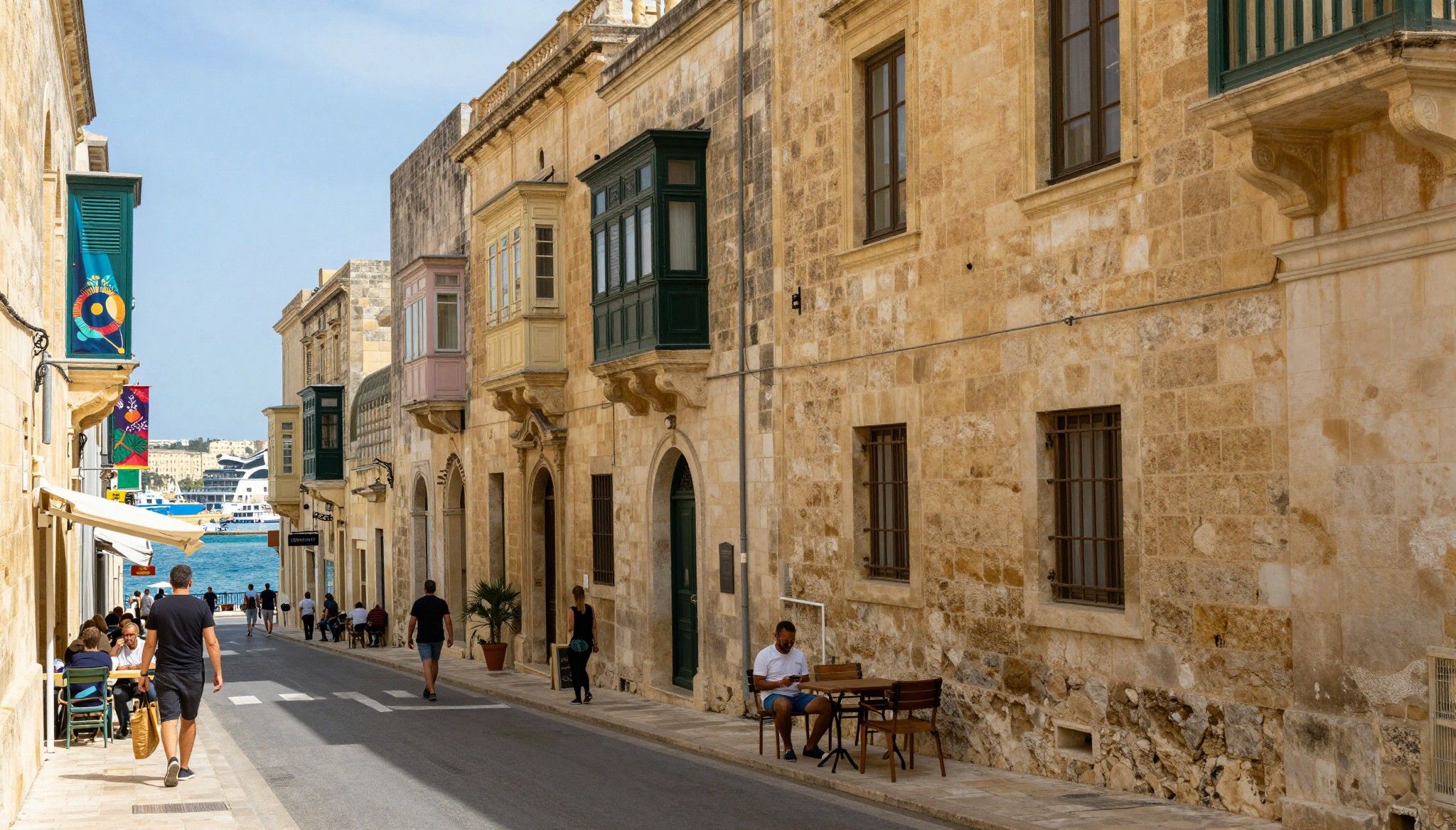
France: Micro‑Markets, Seasonality and Yield
France’s romance masks divergent economics: Paris premiums, coastal seasonality and regional regeneration offer distinct yield profiles. Match lifestyle to micro‑market data before you buy.

Imagine stepping out at 8am to buy pain au chocolat from a corner boulangerie in Bordeaux, then catching a tram across an elegant stone-lined square — this is the rhythm many buyers fall in love with. Behind that daily life, France is a complex real-estate market where coastal second‑homes, student rentals, and Parisian apartments each follow very different economics. Recent market analysis shows regional divergence: Paris remains at a premium while many provincial cities offer steadier yields. For an international buyer, the emotional pull is real — but so is the need for a numbers-first approach.
Living France: the textures that change a purchase
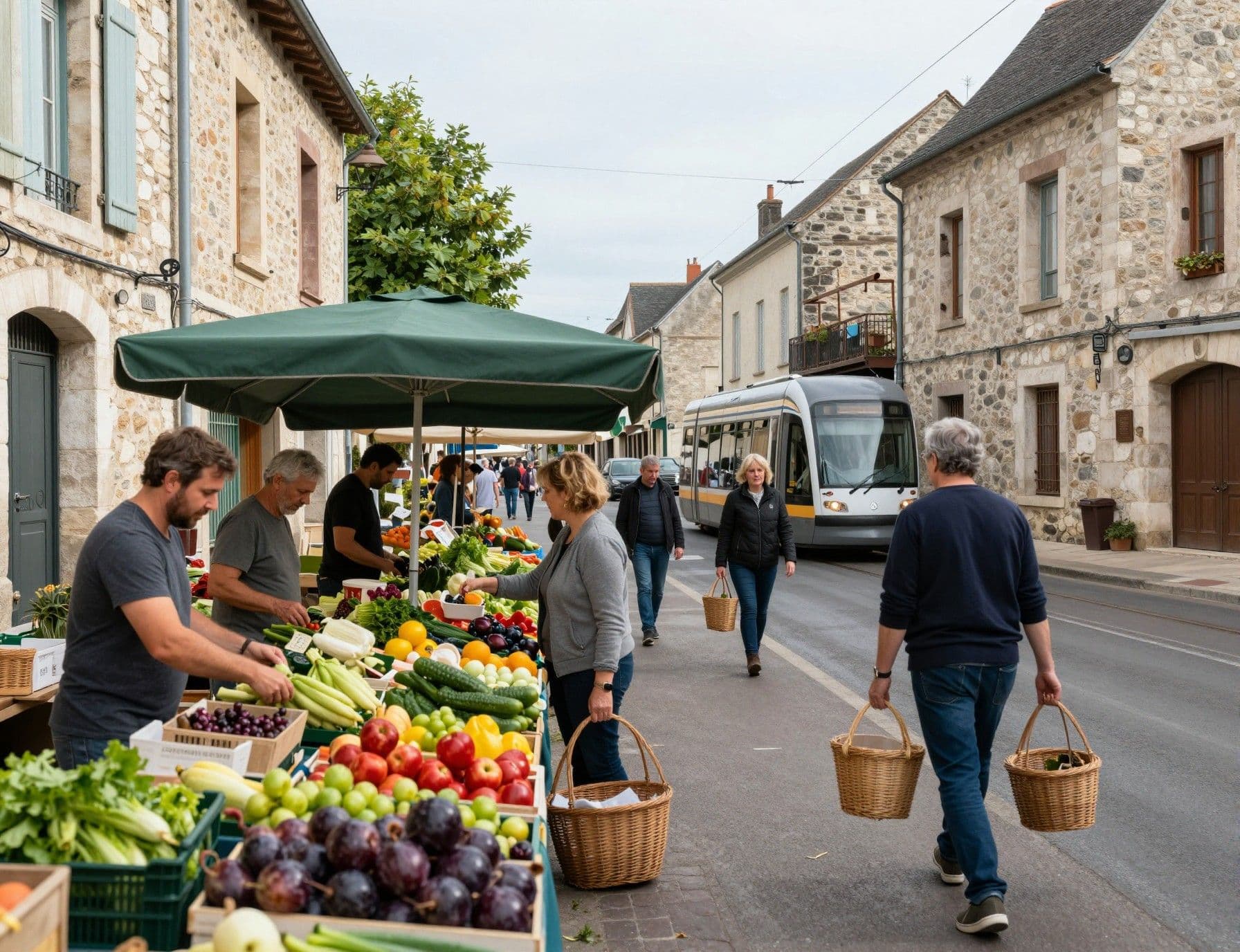
Living in France is sensory and seasonal. In Marseille the port air mixes with espresso and seafood aromas; in Lyon the silk‑weave of neighborhoods means narrow streets and bouchons; in Nice terraces and beaches shape daily life. These place characteristics explain why buyers value certain property features differently — a balcony in Nice is nearly convertible to rent-generating square metres in summer, while a cellar in Lyon translates into long-term storage that tenants prize. Understanding how lifestyle elements map to rental demand is the first step in aligning emotion with return expectations.
Neighborhood pulse: Paris 4 & 11 vs. Nantes’ Île de Nantes
Compare two slices of French life and you see different investment stories. Paris' 4th and 11th arrondissements are dense with short-term demand, nightlife, and cultural cachet, which pushes prices per m² above national averages and compresses gross yields. Contrast that with Île de Nantes, where riverside regeneration, new offices, and student housing create steady mid‑market rents and stronger rental coverage ratios. The DVF sales register and notaires’ maps make these contrasts visible at the street level, which matters when you model yield by micro‑market.
Food, markets and the calendar that edits demand
France’s market is steeped in seasonality. Coastal towns like Cannes and Nice see tourist-driven rental spikes in summer; inland market towns see steadier demand related to local employers and universities. OECD tourism analysis highlights the continuing strength of inbound travel, which supports furnished short‑term rentals in high‑demand places but also invites regulation. For buyers, calendar-aware forecasting — mapping occupancy curves to local regulation — separates optimistic guesses from defensible revenue models.
- Lifestyle highlights that affect investment choices: Provençal morning markets (Aix-en-Provence market stalls), Lyon’s Presqu’île restaurants and student corridors (universities), Nantes riverfront regeneration and family-friendly parks, Marseille’s Panier for bohemian tourism, Bordeaux wine-route weekend demand, Nice/Antibes for summer terrace rental premiums.
Making the move: practical considerations that preserve lifestyle value

Dreams must reconcile with data: price per m², gross yield, and vacancy rates differ greatly across France. Notaires de France maps and INSEE indices show Parisian prices above €9,000–10,000/m² while regional cities commonly sit between €3,000–5,000/m². For an investor who desires a seaside terrace and a predictable return, that trade‑off is explicit: pay a Paris premium for stability, or target provincial regeneration zones for higher yields. Use official indices to recalibrate lifestyle priorities into quantifiable investment targets.
Property types: historic flats, new builds and second‑homes
In France you’ll encounter large differences in maintenance overhead and tenant expectations by property type. Haussmannian apartments in Paris retain capital value but often require expensive co‑ownership works; new builds in cities like Toulouse and Nantes offer energy performance and predictable maintenance costs but sell at a premium that compresses yield. Second‑homes along the Côte d'Azur or Atlantic coast can generate significant seasonal income but come with higher vacancy risk and stricter municipality controls on short‑term rentals. Model operating expenses for each type before calming the heart.
Working with local experts who understand both lifestyle and math
- 1. Ask agencies for micro‑market dossiers that include DVF sales, typical rent levels, and historic occupancy rates. 2. Request recent co‑ownership (copropriété) accounts and upcoming travaux calendars to estimate reserve obligations. 3. Insist on cash‑flow projections under three scenarios (optimistic, base, downside) — include taxation and furnished vs. unfurnished regimes. 4. Verify planning restrictions for holiday rentals with mairie (local council) records. 5. Build a 5–7 year exit assumption tied to local price-per‑m² growth rather than national headline figures.
Insider knowledge: what expats and long‑term owners learn the hard way
Seasonality and regulation are the two surprises many buyers underweight. Cities have introduced local rules and quotas that change short‑term rental economics quickly, and national tax treatments for furnished tourist rentals remain in flux. Le Monde and academic papers on Riviera markets document how platform-driven conversions of long‑term housing to short‑term listings tighten supply and reprice rents. Practical consequence: if you plan to rely on holiday‑rental income, build regulatory buffers into yield estimates.
Cultural integration, language and local community signals
Daily life in France rewards patience: bilingual service becomes easier, but initial bureaucracy and social norms can slow everything from renovation permits to friendly neighbour networks. Learn local rhythms — the market closes for August, Saturday mornings are for markets, and local maire offices are the gatekeepers for rental permissions. Buyers who invest time in language and local relationships unlock better management, tenant referrals, and timely problem resolution — which translates directly into lower operating risk and steadier net yields.
Long‑term lifestyle: how your property use evolves
Expect life to change: what you buy as a weekend retreat may become a long‑term rental, family home, or sold asset depending on local demand and your personal circumstances. INSEE and notaires data show that price momentum can shift in 3–5 year cycles; aligning intended use with likely market direction reduces forced-sales risk. Plan with flexibility: favour properties that serve multiple tenant profiles (students, professionals, holiday groups) to preserve optionality.
- Red flags to watch before signing: municipalities with recent restrictions on short‑term rentals; buildings with unresolved copropriété travaux; properties with below‑market energy performance (diagnostic de performance énergétique, DPE) that will require retrofit; listings priced well above DVF comparables without verifiable upgrades.
If France already feels like home in your imagination, convert that feeling into a defensible investment plan. Start with a micro‑market dossier, model three cash‑flow scenarios, and factor in seasonality and likely regulation. Agencies grounded in dossier-driven due diligence can match the lifestyle you want with a property that returns reliably. When lifestyle and math align, the French life you pictured at the boulangerie becomes an investment you can defend.
Norwegian market analyst who relocated from Oslo to Mallorca in 2016, guiding Northern buyers through regulatory risk, currency hedging, and rentability.