Cyprus Coastal Myth: Where Real Yield Actually Hides
Cyprus’s coastal glamour masks where real yield lives: stable returns come from mixed‑use suburbs and apartment stock near services, not just beachfront villas.
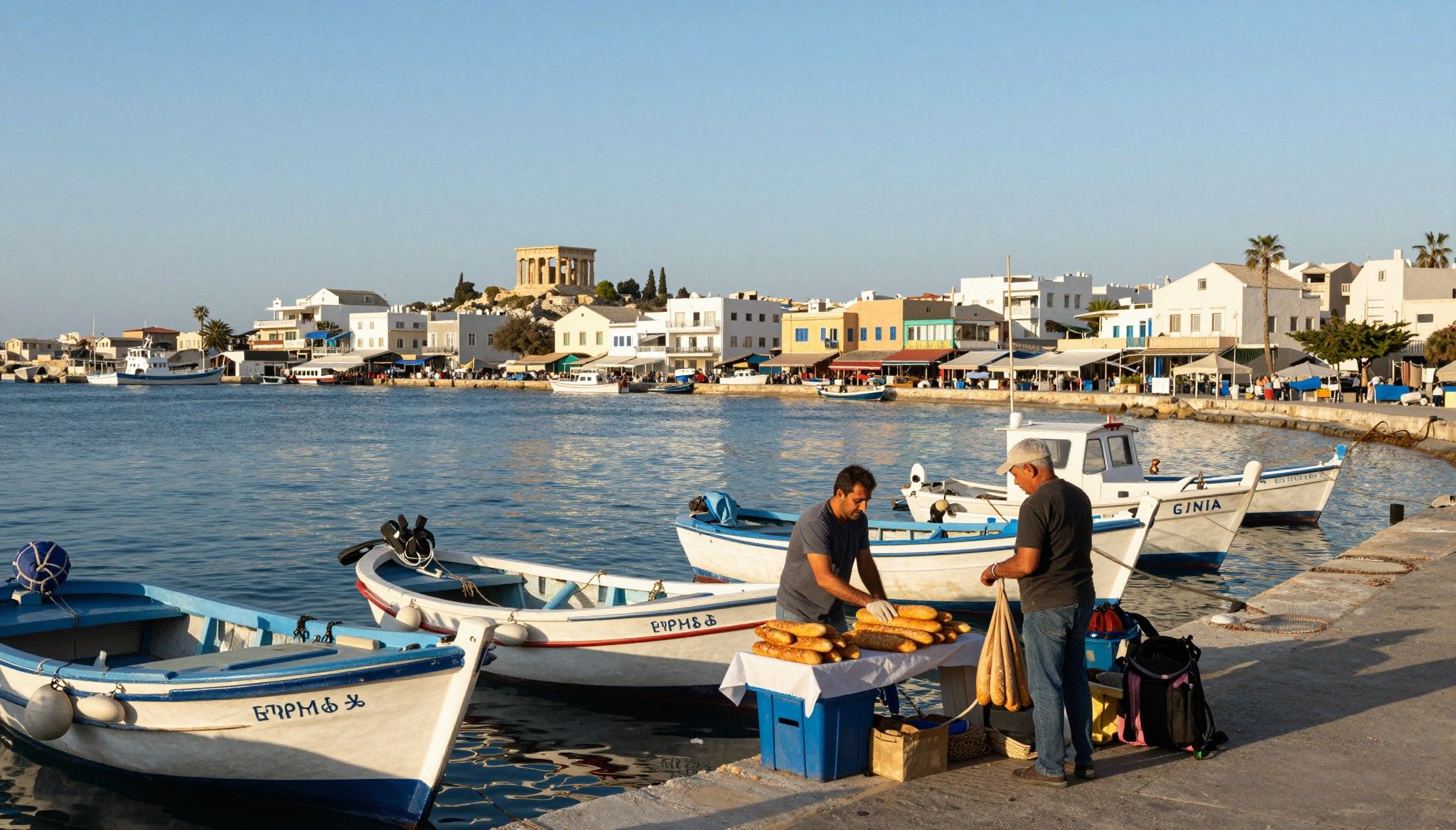
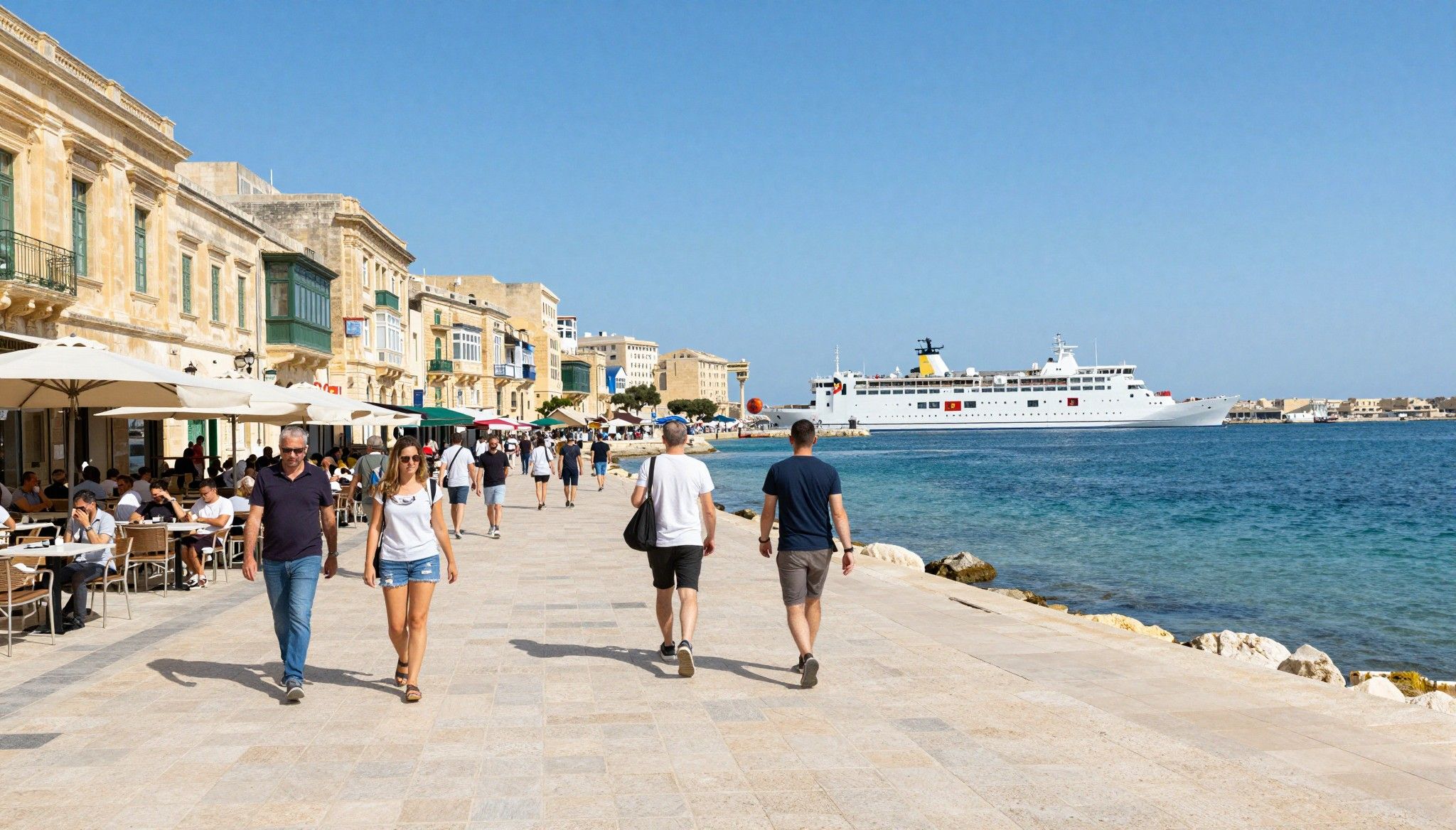
Imagine sipping espresso on a shaded table in Limassol’s old port, then stepping five minutes to a building where apartments finance themselves through steady long‑let demand. Cyprus sells a sun‑soaked dream, but the investment reality is more nuanced: headline coastal prices, seasonal tourist spikes and pockets of strong long‑term rental demand all coexist. This guide disputes the simplest story—that buying by the sea always equals the best yield—and maps where returns actually live, backed by official indices and industry reports. If you’re an international buyer who values measurable returns, read on: the places that feel like paradise aren’t always where your balance sheet will thank you.
Living the Cyprus Lifestyle
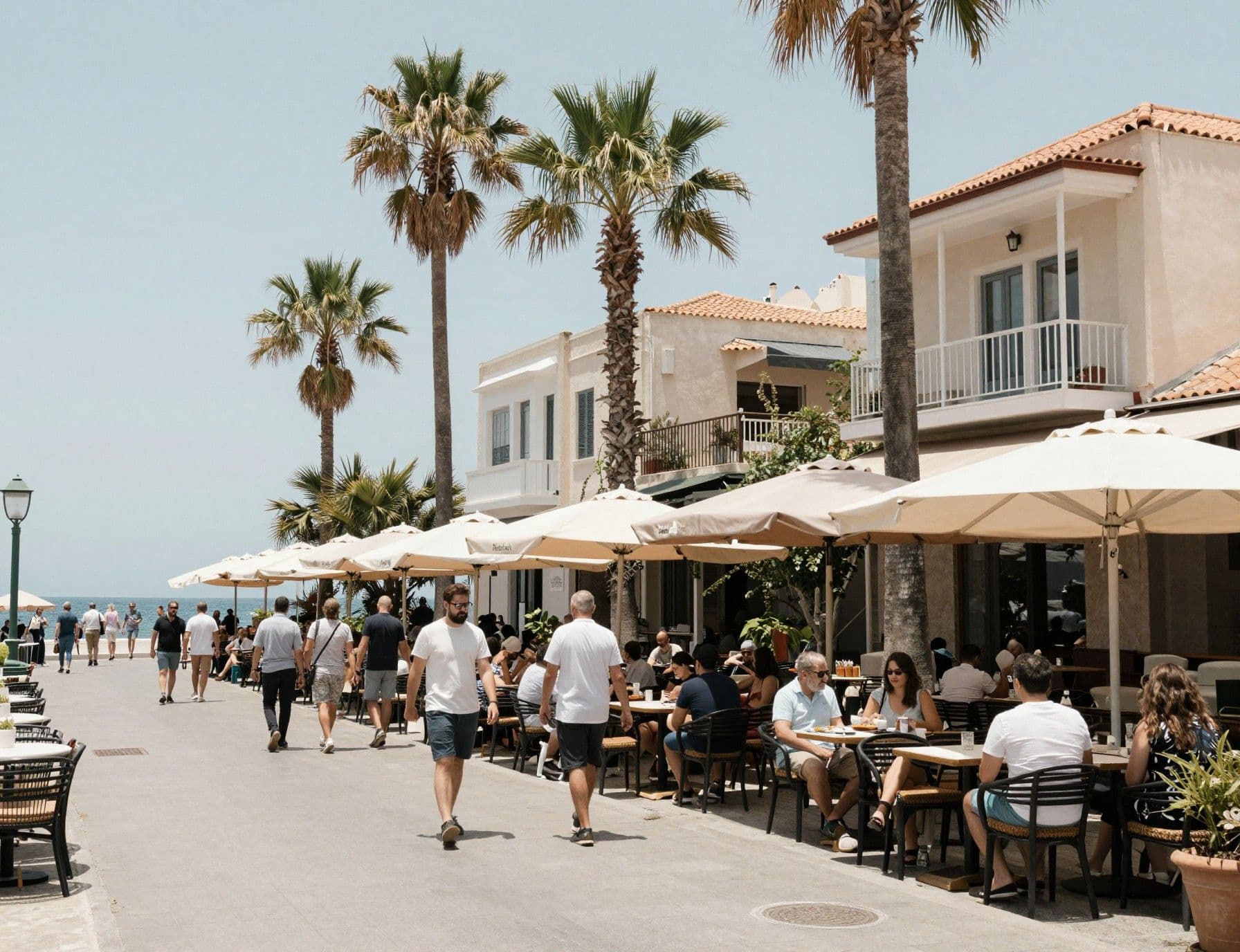
Cyprus is a mosaic of coastal promenades, mountain villages and fast‑moving service hubs. Days begin with café culture in Nicosia’s Strovolos or aromatic bakeries in Larnaca, and spill into evenings of meze in Paphos harbour. The island’s Mediterranean climate makes outdoor living year‑round feasible, and the social tempo blends relaxed village rhythms with internationally oriented coastal nightlife. For a buyer, lifestyle is tangible: walking distance to beaches matters for holiday lets, while proximity to hospitals and schools matters for year‑round tenants.
Neighborhood spotlight: Limassol’s balance
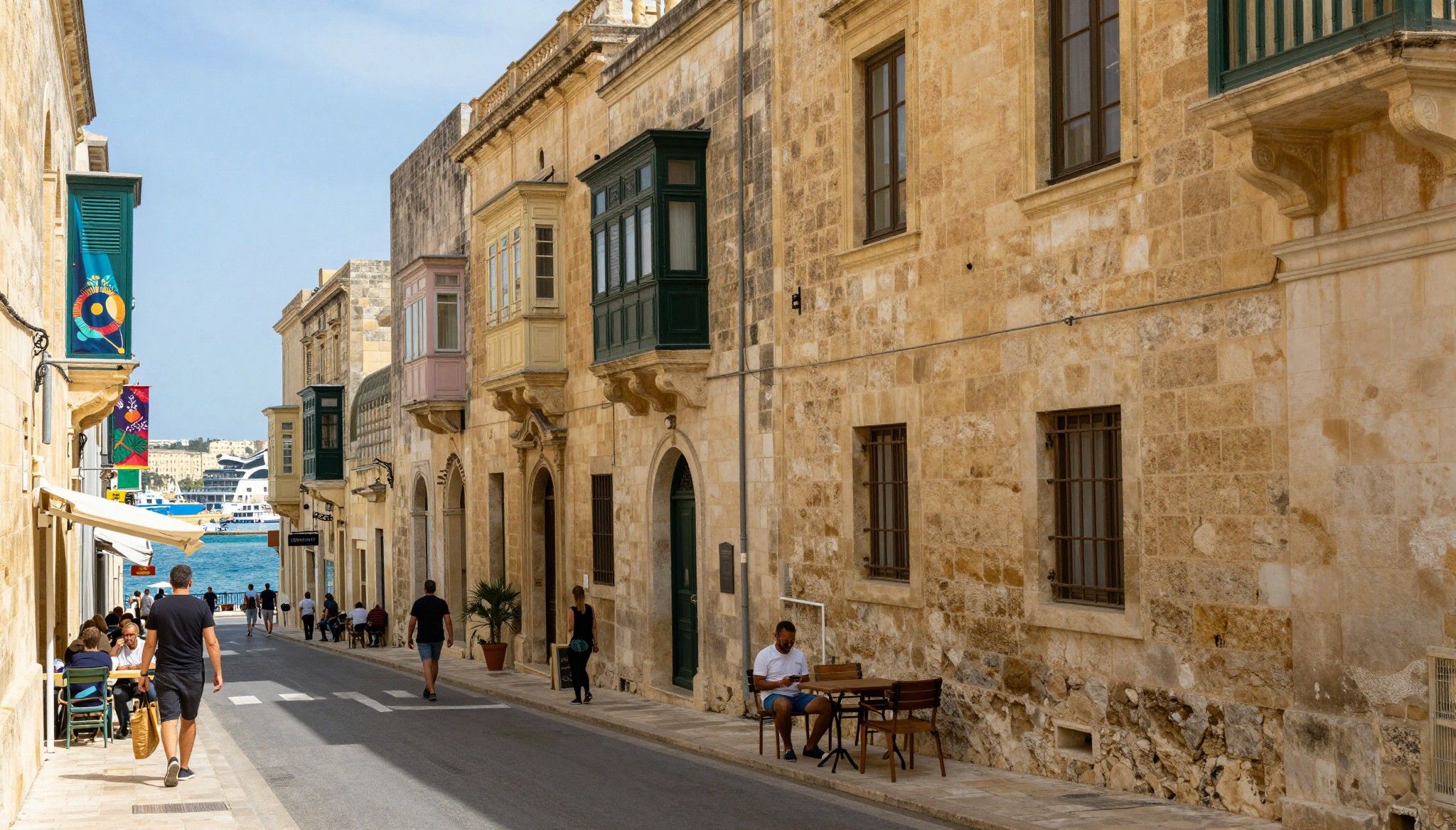
Limassol offers a rare blend: international schools, corporate HQs, and a marina that attracts year‑round residents and short‑term visitors alike. The city has seen high apartment demand from both expatriate professionals and local young families, supporting consistent long‑let occupancy outside the holiday season. Street‑level life around Agios Nikolaos and the old port shows cafés, small supermarkets and coastal cycling paths—amenities that matter to working tenants. For investors, Limassol’s appeal is its diversified tenant pool, which tempers seasonality.
Food, ritual and weekend rhythms
Weekends in Cyprus revolve around family lunch, coastal promenades and seasonal festivals — think Paphos’ cultural calendar or Limassol’s carnival energy. Tourism fuels demand spikes: arrivals exceeded four million in 2024, which lifts short‑term rental potential in coastal hotspots. But lifestyle cues—local markets, school calendars and commuter flows—are better predictors of stable rental income than tourist numbers alone. Match the kind of lifestyle you want to the tenancy profile you need: holiday villa versus long‑let apartment produce different cashflows.
- Limassol old port cafés and promenade — year‑round tenant demand
- Paphos harbour and archaeological sites — strong holiday‑rental seasonality
- Nicosia suburbs (Agios Dometios, Strovolos) — professionals and families for long‑lets
- Ayia Napa/Ammos beach strip — high summer yields but deep off‑season troughs
Making the Move: Practical Considerations

Official indices show price growth since 2022 but a moderation in 2024: the House Price Index reached 112.47 units in Q4 2024 and Central Bank series record steady apartment gains. That means lots of coastal marketing claims of “quick appreciation” need careful context—growth has been real but uneven across towns and property types. For an investor, the right benchmark is local submarket price per square metre and net yields after all costs, not island‑wide headlines. Use official RPPI and HPI figures to benchmark asking prices and to stress‑test your projected returns.
Property types that match lifestyles—and returns
Modern apartments near business districts and international schools tend to produce the most reliable long‑let yields; RICS and industry reports show apartment rental growth outpacing house rents in recent quarters. Villas and seafront houses can deliver high gross summer yields but suffer occupancy volatility off season. New builds near transit and services reduce maintenance uncertainty but can command a price premium; older units often need renovation but offer upside if repositioned for year‑round tenancy. Align asset class to tenant demand: corporate leases, expatriate families, and university students each prefer different product types.
How local experts translate lifestyle into ROI
- 1. Ask agents for historical rental vacancy data and sample contracts — not just marketing photos. 2. Insist on comparable sales within a 500‑metre radius and a 12‑month time window to spot micro‑market moves. 3. Request utility and municipal cost records to calculate true net yield. 4. Validate tenant demand with short‑term booking calendars and long‑term listing turnover. 5. Use a local lawyer for title search and a surveyor for building condition — these reduce unforeseen holding costs.
Insider Knowledge: What Expats Wish They’d Known
Expats often tell the same story: they bought for scenery and discovered the landlord life depends on infrastructure and routine services. High tourist numbers lift holiday rentals but do not replace the steadiness of long‑let income from professionals and families. Where locals commute and where hospitals and schools sit matters more to steady yield than the nearest beach. Learn from their hindsight: prioritise transport links and basic services when seeking stable returns.
Cultural integration and tenancy realities
English is widely spoken in Cyprus, and foreign‑born residents make up a significant share of the population—useful for finding tenants who are comfortable in English. Local customs affect lease lengths and deposit norms; for example, longer‑term Greek Cypriot tenants often prefer 2–3 year agreements. Cultural norms also shape property use—balconies are lived on, not decorative—so assess outdoor space quality when pricing a long‑let. Agencies with local linguistic and cultural fluency reduce friction during tenancy setup and tenant retention.
Long‑term view: infrastructure, policy and economic drivers
Tourism growth, rising service sector wages, and a growing foreign resident share underpin Cyprus’s residential demand. Industry sources place average gross yields for apartments between about 4.5%–6% depending on city and asset quality. These yields have to be modelled net of management fees, non‑recoverable taxes and GHS contributions to estimate investor returns. Macro indicators—GDP growth, tourism receipts and employment in services—are the levers that will reprice neighbourhoods over a 3–7 year horizon.
- Watch these economic drivers before buying: tourism seasonality, local employment growth, school and hospital catchments, transport projects and municipal planning decisions.
- 1. Compare advertised gross yields to sample net yields after: 10–15% management, 1–2% maintenance reserve, and local taxes. 2. Stress‑test cashflow for a 12‑month off‑season (important for beach towns). 3. Seek properties near diversified demand drivers—universities, hospitals, corporate offices—rather than pure leisure strips. 4. Retain local professionals: surveyor, lawyer, and an agency with tenant‑management experience.
Cyprus can deliver both lifestyle and measurable returns if you look beyond the postcard. Don’t be seduced solely by coastal gloss: stable yields often live in mixed‑use suburbs, near education and healthcare, and inside apartment stock that appeals to year‑round tenants. Start with verified local data (HPI, RPPI, tourism stats) and translate it into net yield scenarios for each property. If you want help turning lifestyle preference into investment math, a local agency that supplies historical vacancy figures, contract templates and verified comparables is the difference between a charming purchase and an investment that actually performs.
Dutch investment strategist who built a practice assisting 200+ Dutch clients find Spanish assets, with emphasis on cap rates and due diligence.