Malta: Lifestyle First, Underwrite the Numbers
Malta’s charm is compact and costly: RPPI rose ~5–6% y/y in 2024–25. Pair lifestyle picks (Valletta, Sliema, Gozo) with scenario stress tests, local comparables and active management.
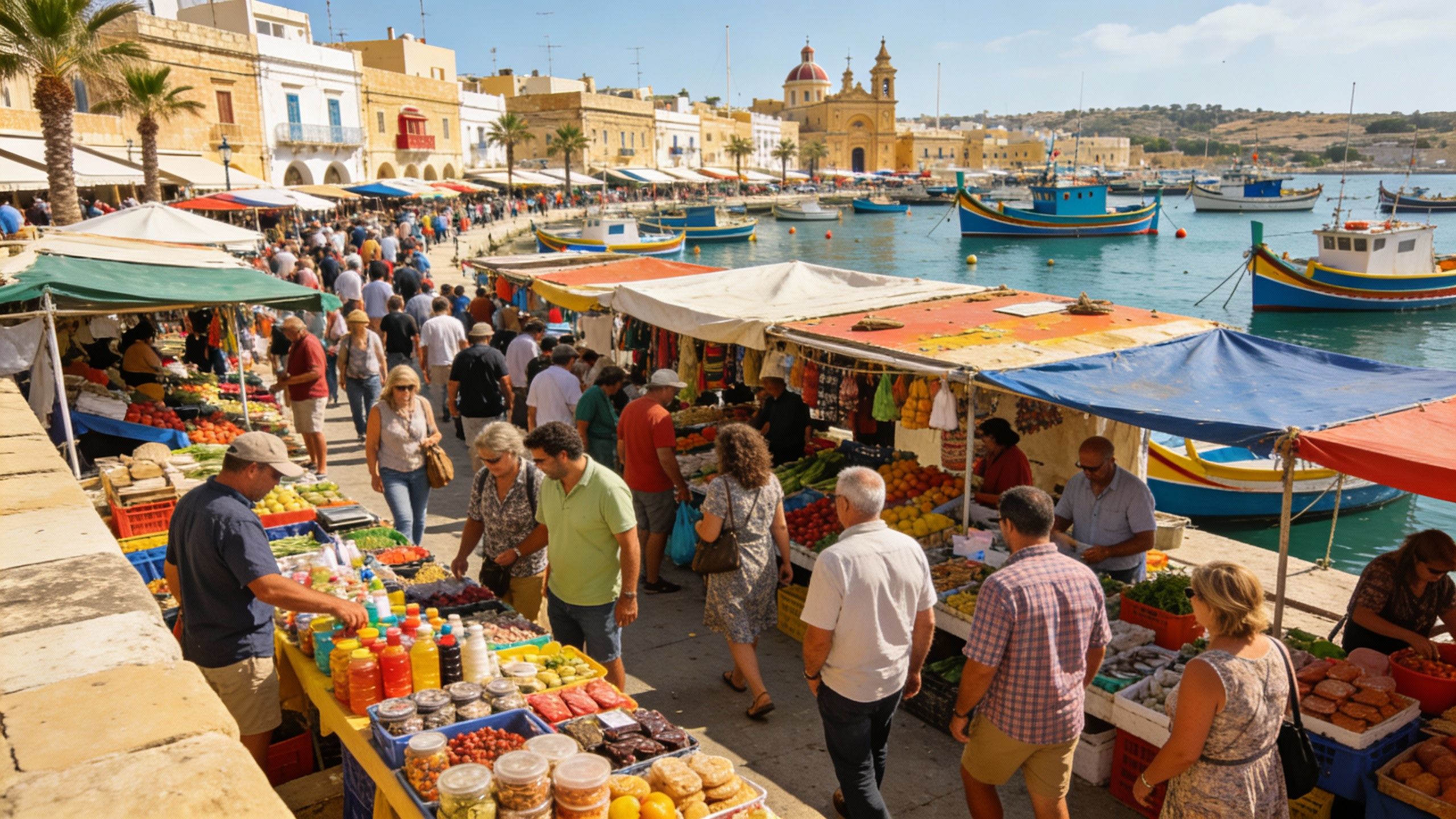
Imagine stepping out at dawn onto a limestone street in Sliema, espresso in hand, the sea and ferry horns in the distance — and knowing that this scene is also an asset in your portfolio. Malta is compact enough that your weekend routines shape your property choices: Valletta’s baroque mornings, St Julian’s lively terraces by night, Gozo’s slow coastal rhythm. But the island’s postcard charm sits alongside measurable market forces: prices have climbed steadily and regulation is in flux. This piece blends the lived-in Maltese lifestyle with data-driven signals every international buyer should weigh.
Living Malta: neighbourhoods, rituals and rhythms
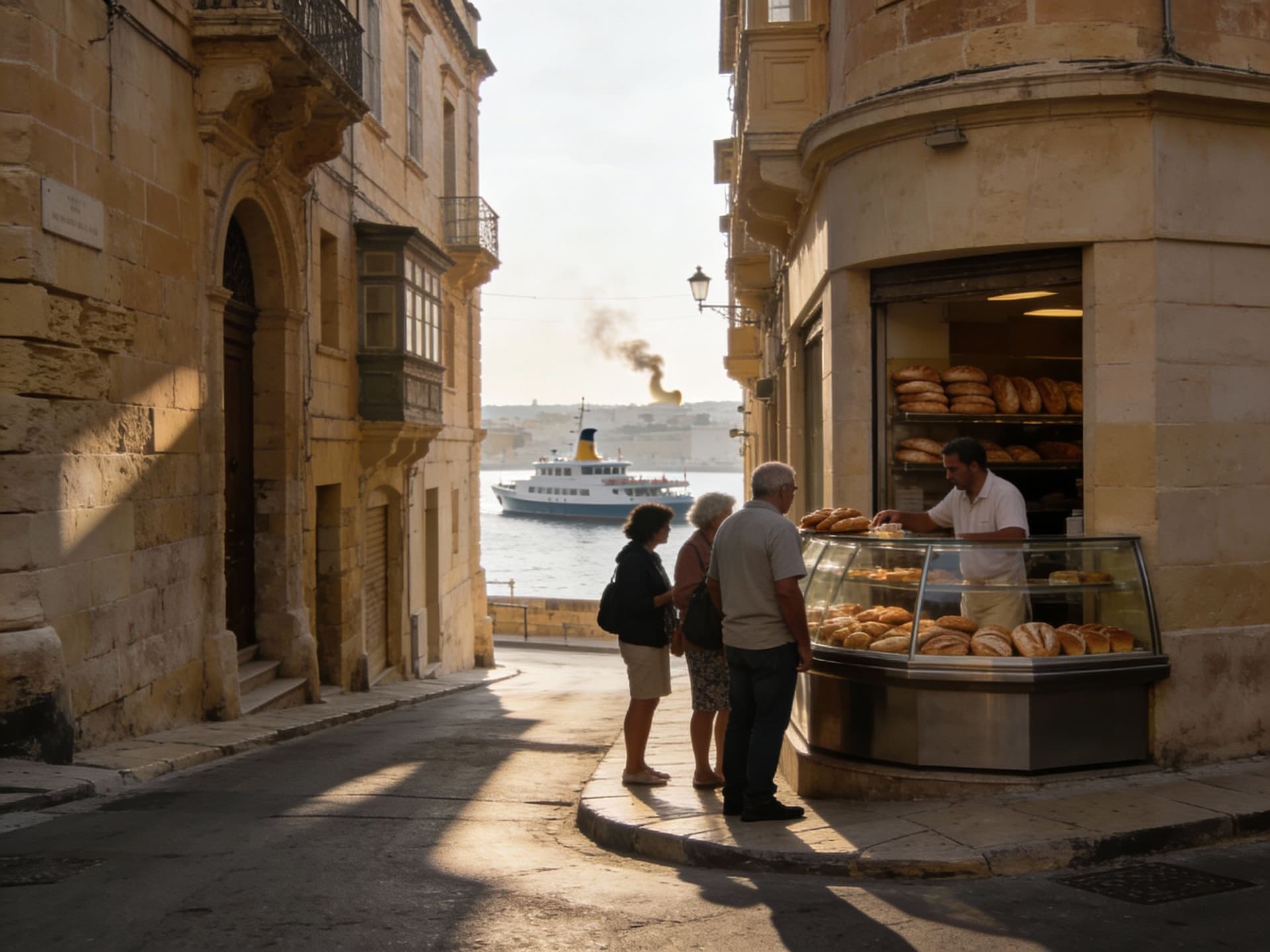
In Malta daily life is tactile: laundry lines in narrow streets, corner grocers selling fresh ġbejniet (cheeselets), and late‑night cafés spilling light onto limestone pavements. Valletta condenses history and international demand into walkable blocks — expect short-term lets to cluster around merchant streets and cultural venues. Sliema and St Julian’s trade quieter mornings for high rental turnover and strong tenant demand from professionals and tourists. Outlying cores like Mosta or Mellieħa deliver quieter families and better price per square metre, but less tourist premium.
Valletta & the Three Cities: heritage that rents
Valletta’s baroque fabric means many units are in historic buildings with character but specific constraints: narrow staircases, listed façades, and higher renovation costs. Yet these properties command premium rates to short‑stay and cultural tourists. If you prioritise yield, target ground-floor conversions with discreet access or upper-floor apartments near Republic Street and the Grand Harbour for stable occupancy during festival seasons.
St Julian’s, Sliema and the bays: liquidity and churn
St Julian’s and Sliema are Malta’s liquidity engines: serviced apartments, expat rentals and high-season tourism cushion returns but also raise management costs and tenant turnover. Expect higher per-square‑metre prices and the need for active property management. Coastal promenades like Spinola Bay produce consistent demand from digital nomads and short-stay travellers, especially during spring and summer.
- Lifestyle highlights worth mapping to investment intent:
- Valletta festivals and museums — cultural rent premium in high season.
- Sliema promenade and Ferries — daily commuter and short‑let demand.
- Mellieħa beaches — family buyers seeking space and lower price per m².
Making the move: practical considerations that match the life you want

Malta’s official data shows steady price growth: the National Statistics Office’s RPPI recorded a 5.7% year‑on‑year rise in Q1 2025, with apartments and maisonettes both contributing. Local surveys point to resilient demand and rising transaction values, which creates a trade‑off between lifestyle access and entry price. Practically, buyers must balance neighbourhood choice, renovation budgets, and management intensity against expected gross yields that typically sit below southern European holiday hotspots.
Property styles and what they mean for lifestyle + costs
Choose between listed townhouses, modern blocks, and maisonettes. Listed townhouses deliver character and command premium nightly rates but need specialist renovation and may be subject to conservation rules. Modern apartments (new-build blocks in Sliema, St Julian’s) lower maintenance headaches but offer smaller floorplates and less capital appreciation upside from unique character. Maisonettes — single‑level homes with street access and terraces — are Malta’s functional compromise for families wanting outdoor private space.
Working with local experts who understand lifestyle demand
An agent who knows where local festivals, ferry routes and school catchments influence rents can materially improve underwriting. Seek agencies with proven transaction records for the specific areas you like and ask for heat‑maps of rental demand, average days‑on‑market, and management cost estimates. Because Malta’s market is compact, local networks — not broad portals — unlock off‑market opportunities that match lifestyle criteria.
- Practical steps that pair lifestyle with financial discipline:
- Decide the dominant use (primary residence, long‑let, short‑let). This determines tax treatment, furnishing levels and permitted use under local planning rules.
- Obtain a local market brief from NSO and two agency comparables covering last 12 months to validate price per m² and expected yield.
- Commission a professional survey that flags conservation restrictions, structural risks, and terrace/waterproofing issues — common in Maltese stock.
Insider knowledge: expat lessons, seasonal quirks and overlooked risks
Expators often underestimate two things: seasonality and regulatory surprise. Festivals and cruise arrivals spike short‑let income, but off‑season occupancy can halve nightly rates. Separately, policy moves — such as recent legal scrutiny over investor citizenship programmes — change the investor profile on the island and can ripple through demand for higher‑end stock. Always model multiple seasonal occupancy scenarios and stay alert to regulatory headlines.
Cultural integration: language, community and daily life
English is an official language, which flattens the learning curve for many buyers. Yet social life still orbits local clubs, festa processions and café rituals. Invest time in neighbourhood cafés (try Balluta Café in Sliema or cafés around Republic Street) and your tenancy screening and management will reflect local social norms — important when underwriting long‑let stability.
Long-term lifestyle trajectory and value drivers
Malta’s small land area limits large new supply, which supports prices over time. Infrastructure projects and tourism strategy shifts — paired with steady population growth — are the primary long‑term drivers. For investors, the sensible approach is to underwrite conservative appreciation (2–4% real) and focus on yield preservation through active management and selective refurbishment.
- Red flags local buyers and expats often miss:
- Listed building limits that prohibit internal reconfiguration and increase refurbishment costs.
- Unwritten tenancy expectations — landlords are expected to maintain heating, waterproofing and immediate repairs swiftly.
- Season-dependent yields: model at 40–60% of high‑season rates for annualised revenue estimates.
Conclusion — Malta’s compact charisma is investable but not cheap. Official indices show price growth above many peers, and that translates into necessary discipline: match neighbourhood choice to cash‑flow expectations, budget for conservation and management, and insist on local comparables and scenario stress‑tests. If the lifestyle scenes — piazzas, bays and festivals — are why you look at Malta, let data be your companion in turning longing into a sustainable property position.
Norwegian market analyst who relocated from Oslo to Mallorca in 2016, guiding Northern buyers through regulatory risk, currency hedging, and rentability.