Malta: Lifestyle First, Yield Discipline Second
Malta’s compact Mediterranean lifestyle attracts buyers, but 2025’s high prices and ~4% yields mean you must underwrite micro‑markets, vacancy and maintenance before buying.
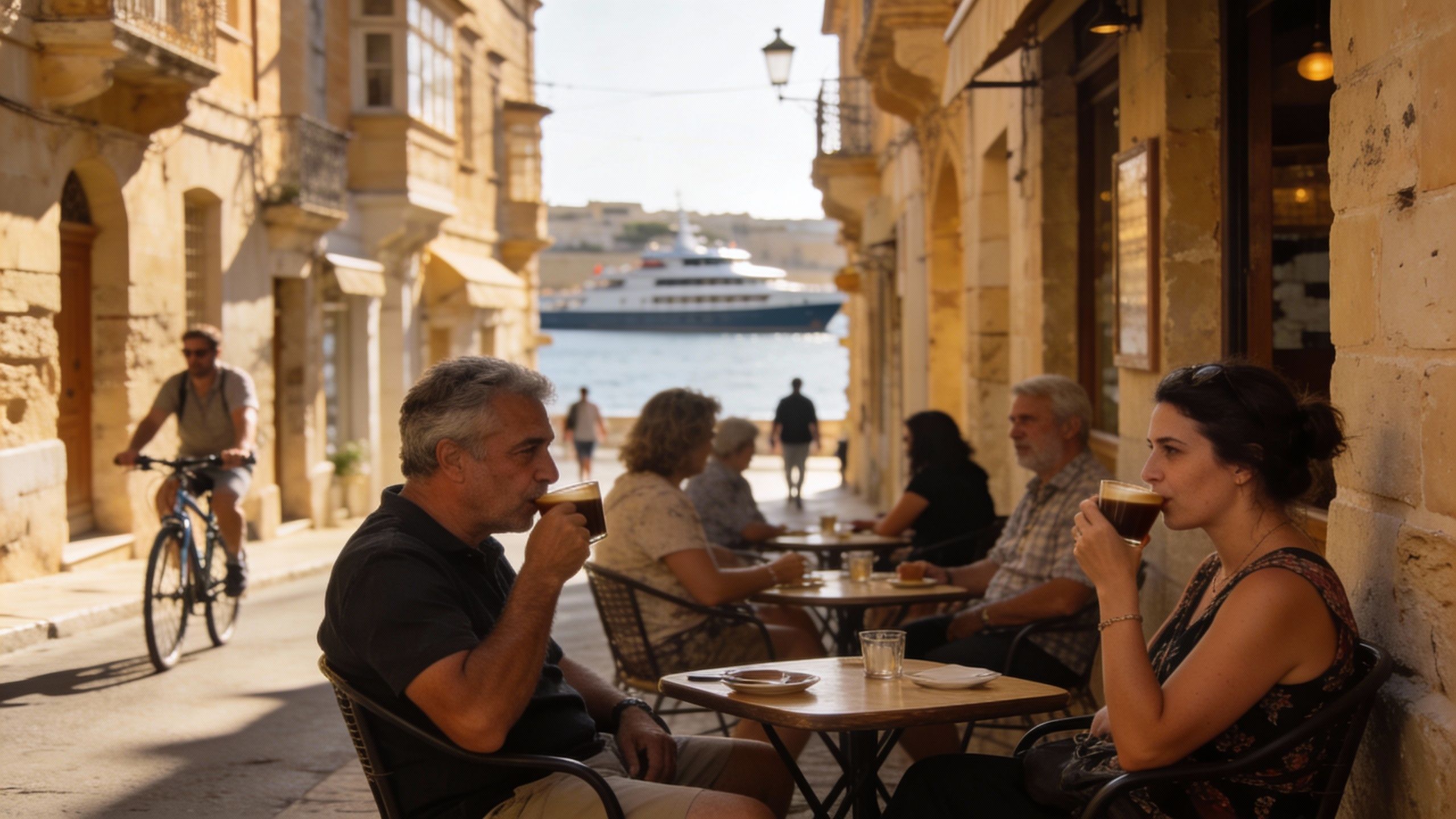
Imagine starting your day with espresso at a small table on Valletta's Republic Street, then walking five minutes to a ferry that drops you in Sliema for a lunchtime promenade by the sea. Malta is compact — distances are short, the sea is near, and daily life mixes historic stone streets with a surprising modernism: coworking hubs hidden behind baroque facades, weekend fish markets at Marsaxlokk, and a coastline that reshapes what 'commute' means. For international buyers, that compressed Mediterranean life is the primary asset; but the arithmetic behind it — price per square metre, net yield and seasonal rental patterns — changes how you should buy. This article pairs the lived experience with the market facts you need to decide whether Malta should be in your portfolio.
Living the Malta lifestyle

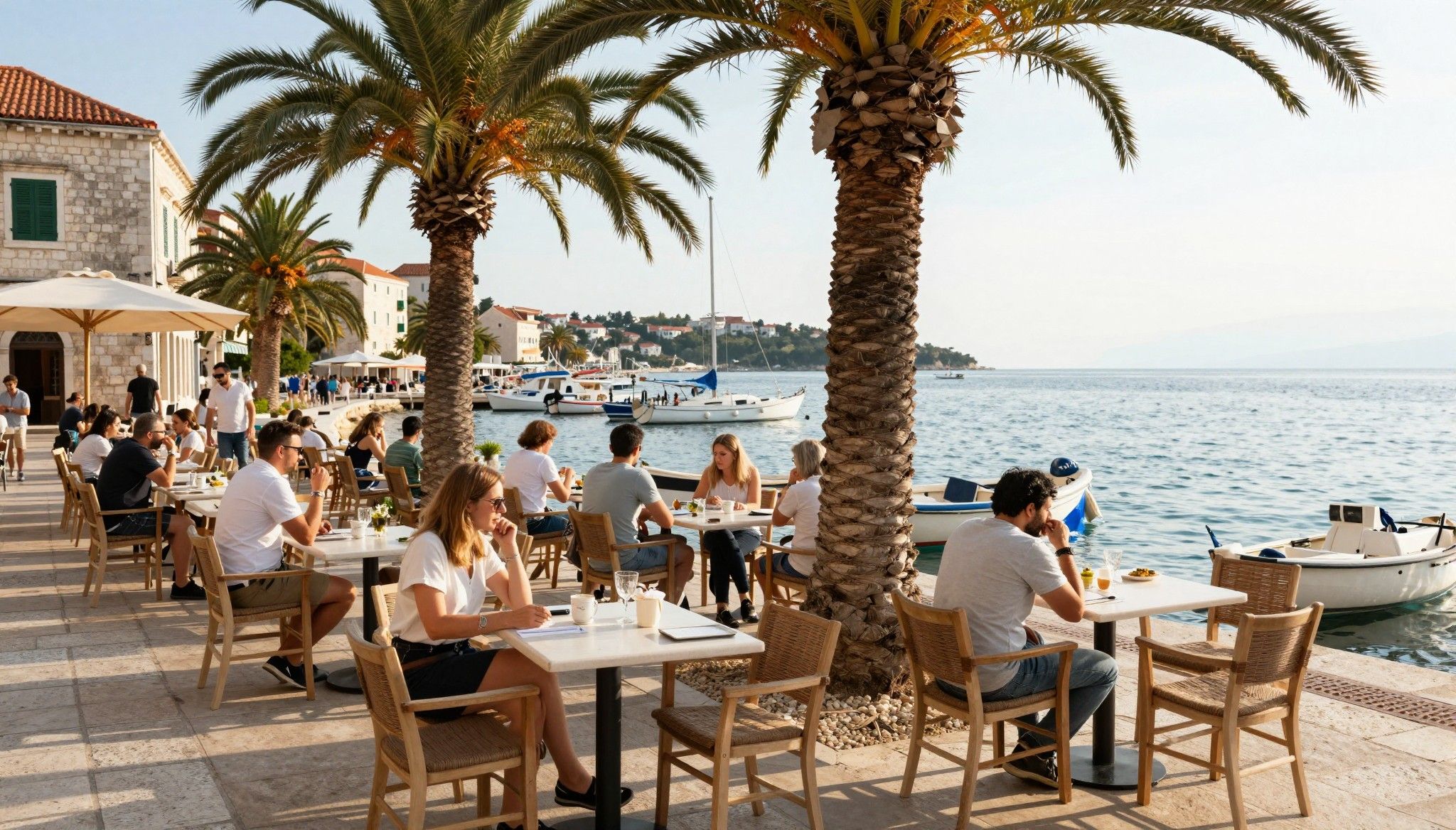
Morning light on honey-coloured limestone, the brackish tang of the harbour, and compact neighbourhoods where you can run errands on foot — that’s Malta. Expect a public life centred on cafés and piazzas, strong seasonal swings on the coast, and an expat-friendly rhythm since English is an official language. For investors, these lifestyle features underpin rental demand: short-term tourist pockets coexist with steady full-year tenants in professional hubs near Swatar and St. Julian's. Current average rental yields across Malta sit around 3.8–4.3% depending on locale, a reality you should match to price per square metre before committing. (See rental yields data.)
Neighbourhood spotlight: Valletta, Sliema and Gzira
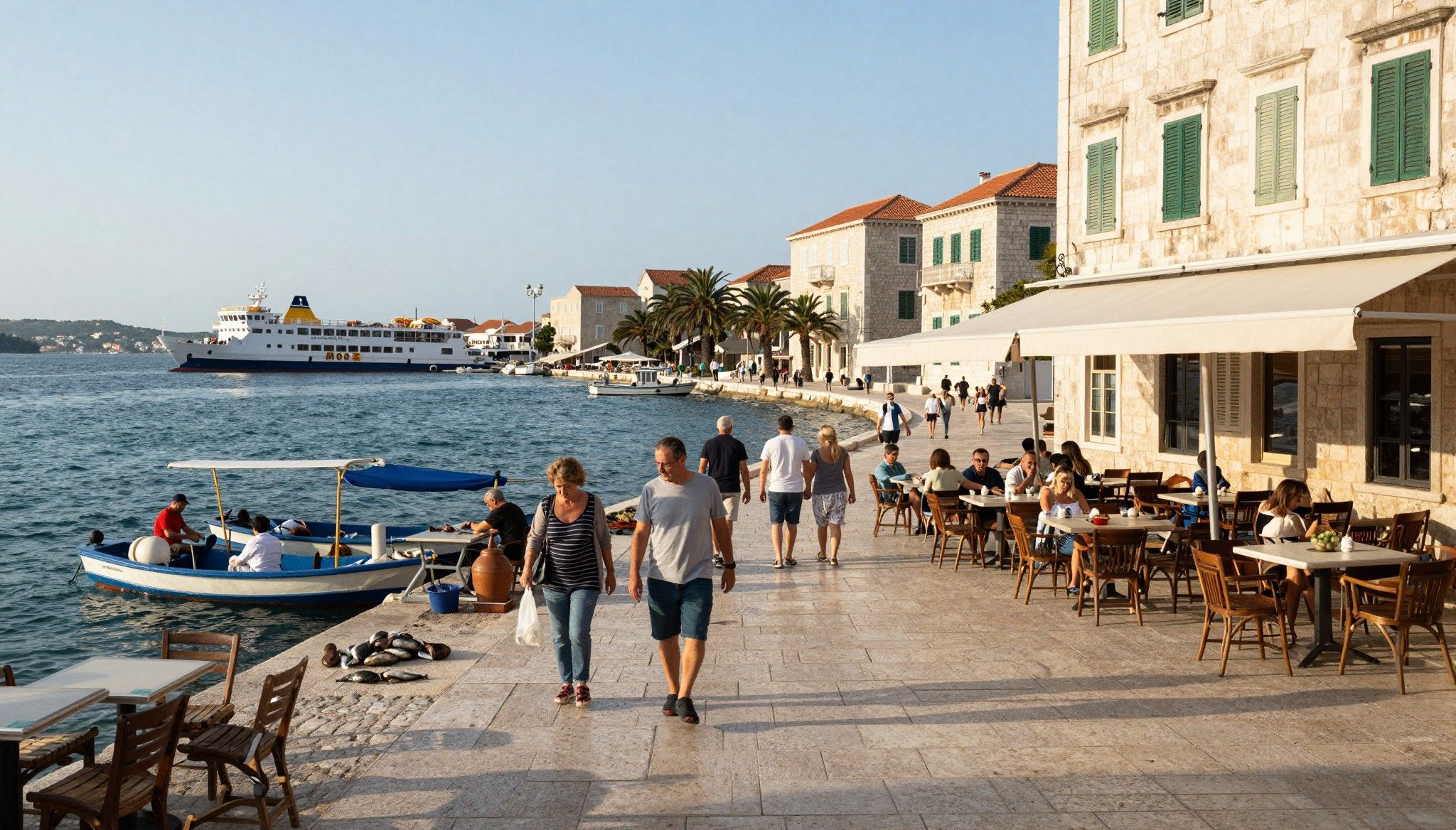
Valletta is cinematic: narrow streets, balconied townhouses and tourists year-round. Rents here benefit from cultural tourism but units are small, making per-metre prices high. Sliema and Gzira are where the commuter-expat life happens — seafront promenades, cafés, and higher asking prices but consistent long-term tenants. Expect prime prices in these areas often north of €3,000–€4,000/m² in 2025. If you prioritise steadiness over glamour, look one tram stop inland where yields can improve while lifestyle friction is minimal.
Food, weekends and off‑season character
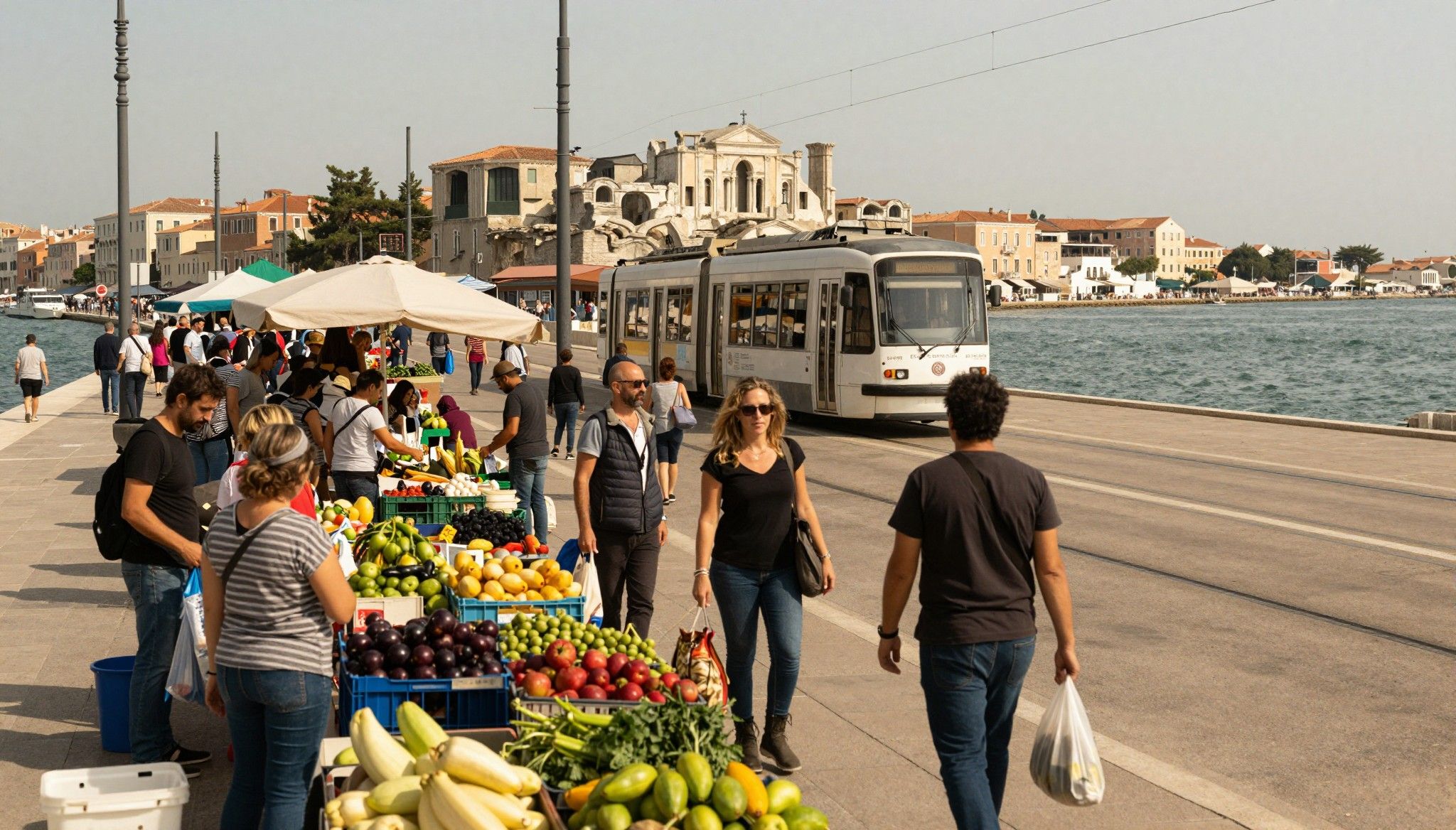
Weekends in Malta mean markets (Marsaxlokk fish market is iconic), late dinners at family-run trattorias, and swim spots like Għajn Tuffieħa when the weather allows. But seasonality matters: coastal short‑stay earnings spike in summer and thin out by November. If your exit or income plan depends on summer tourism, model off-season vacancy and lower monthly rents for at least four months of the year.
- Lifestyle highlights
- Morning espresso on Valletta’s Republic Street; ferry commute to Sliema
- Sunday fish market at Marsaxlokk and coastal swims at Mellieħa
- Nightlife and coworking cluster around St. Julian's and Paceville
- Quieter residential pockets in Rabat and Mdina offering historic charm
Making the move: practical considerations

The dream of Mediterranean life must be matched with an underwriting spreadsheet. Malta’s house price index climbed into record territory through Q1 2025 — prices have risen faster than many European peers — so price appreciation has been strong but so has the risk of overpaying at the peak. That makes yield discipline, capped assumptions for vacancy, and a clear exit plan essential for investors.
Property styles and how they affect living and returns
Choices in Malta range from compact city apartments and maisonettes to terraced townhouses and rural farmhouses on Gozo. Apartments in Sliema deliver easy tenant demand but smaller internal areas; townhouses offer space and premium pricing but higher maintenance. For investors seeking steady annual income, 1–2 bedroom apartments near transport hubs balance purchase price and tenancy demand. For lifestyle buyers wanting rental upside, restored townhouses in older quarters can be rented short-term or repositioned for higher long‑term rents after renovation.
Working with local experts who know the market
A Malta-savvy agent will translate lifestyle aims into an investment brief: target neighbourhood, acceptable price/m², expected gross yield and renovation tolerance. Use agents for local comparables, but verify numbers yourself: ask for recent signed sales, current rental listings, and typical time-to-let in that micro-market. Cross-check yields against published data — Malta’s island‑wide yields averaged roughly 4% in 2025 — then stress-test for four months’ vacancy and 10–15% management costs.
- Step-by-step pre-purchase checklist blending lifestyle and numbers
- 1) Visit at least twice: one high‑season and one off‑season visit to feel vacancy and noise.
- 2) Obtain three comparables from signed deeds — not just listings — to validate price/m².
- 3) Model net yield: subtract 10–15% management, 5–10% maintenance reserve and 4–6% financing cost to reach conservative net returns.
- 4) Confirm residency/permit implications if you plan to live there seasonally; English-language legal counsel helps reduce surprises.
Insider knowledge: what expats wish they'd known
Expats often tell the same story: they fell for a postcard view, signed quickly, and later learned that noise, sea-spray maintenance and seasonal tenant churn were larger costs than predicted. Conversely, buyers who looked inland — Zebbug, Mosta or certain pockets of St. Paul's Bay — discovered steadier, year‑round demand at lower entry prices. Local knowledge on microclimates, building age and parking availability matters as much as headline yields.
Cultural integration, language and community
English is an official language in Malta and widely used in business and legal affairs, which eases transactions and tenancy management. Social integration takes work: neighbourhood clubs, village festas and local markets are where you build relationships. For investors, a local property manager who speaks Maltese and English will smooth tenant relations and speed problem resolution.
Long-term lifestyle and value drivers
Long-term value in Malta depends on limited land supply, strong tourism and a growing digital economy. House price indices show above-average increases versus the EU in 2025, a sign of persistent demand. That works for capital appreciation but raises the bar for entry discipline: only buy if your yield assumptions and holding-period align with possible price corrections.
- Red flags and local quirks to watch
- Salt corrosion on seafront properties increases maintenance costs by 5–10% annually in harsh locations.
- Seasonal income volatility: model 3–4 months of lower rents when relying on short‑stay demand.
- Verify parking rights and deeded access: street parking is scarce in older towns.
Conclusion: live the life, but underwrite the numbers. Malta offers a rare blend of Mediterranean compactness, English-language convenience and year‑round cultural life that can satisfy both lifestyle buyers and yield-focused investors. The market's recent price trajectory (recorded house price indices and modest rental yields near 4%) means returns will come from careful location selection, disciplined yield modelling and realistic vacancy assumptions. Start with a micro-market brief, validate three deeded comparables, and work with a bilingual agent plus a local solicitor to turn the Mediterranean daydream into a durable investment.
Swedish financier who guided 150+ families to Spanish title deeds since relocating from Stockholm in 2012, focusing on legal and tax implications.