Malta: Lifestyle, Seasonality and the Numbers
Malta’s compact lifestyle drives concentrated demand; use RPPI trends and tourism intensity to align neighbourhood choice with yield, seasonality and tenancy strategy.
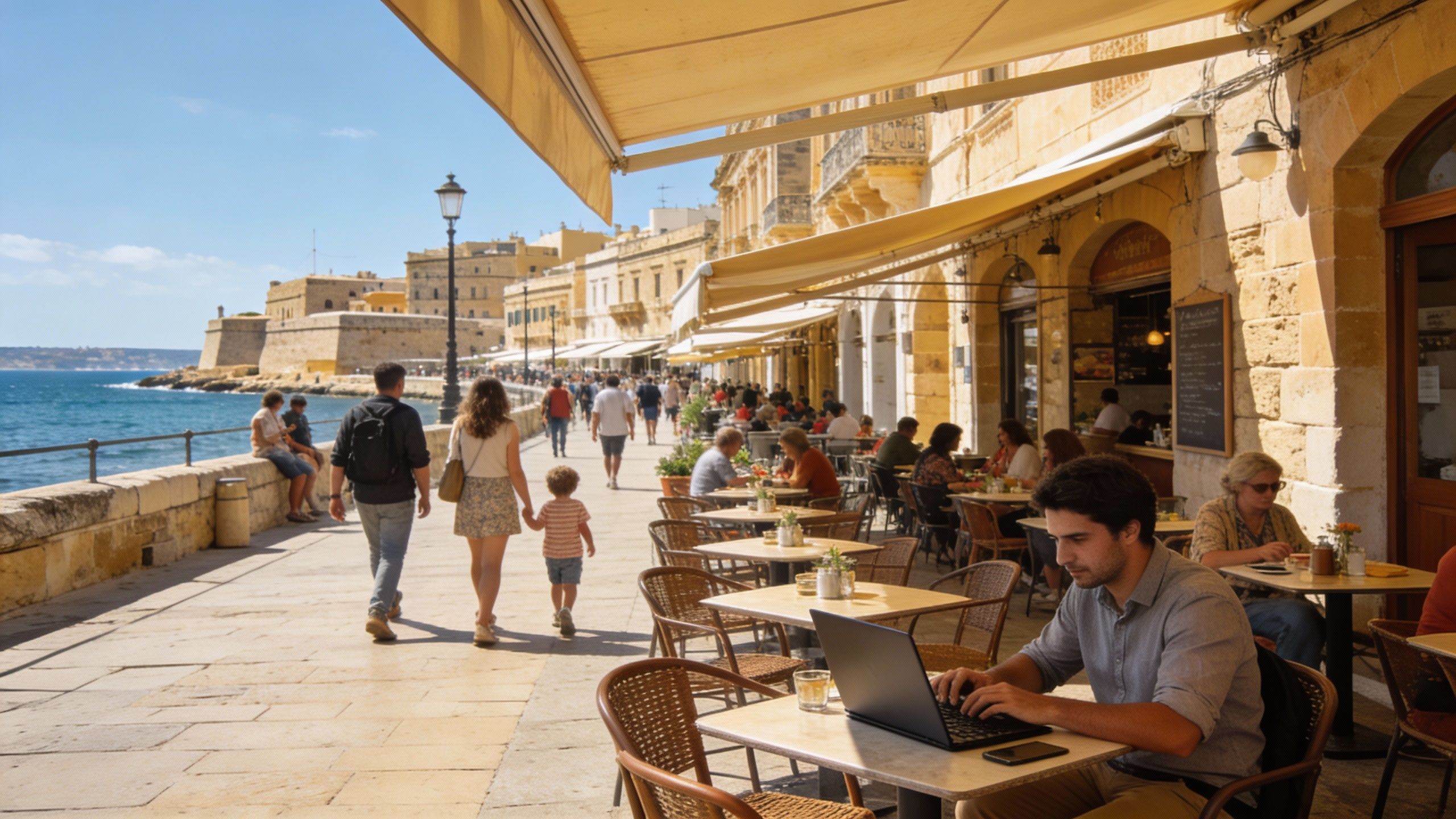
Imagine morning light cutting across Valletta’s limestone facades as a baker places fresh ftira on a window shelf, while down the coast in St Julian’s a café terrace fills with remote workers. Malta is compact—you can swap a historic walk for a beach swim in under an hour—so buying here changes daily life, not just weekends. For international buyers, that compactness creates concentrated demand, seasonal pressure and neighbourhood-by-neighbourhood micro‑markets that matter far more than national headlines.
Living Malta: the rhythms that reshape decisions
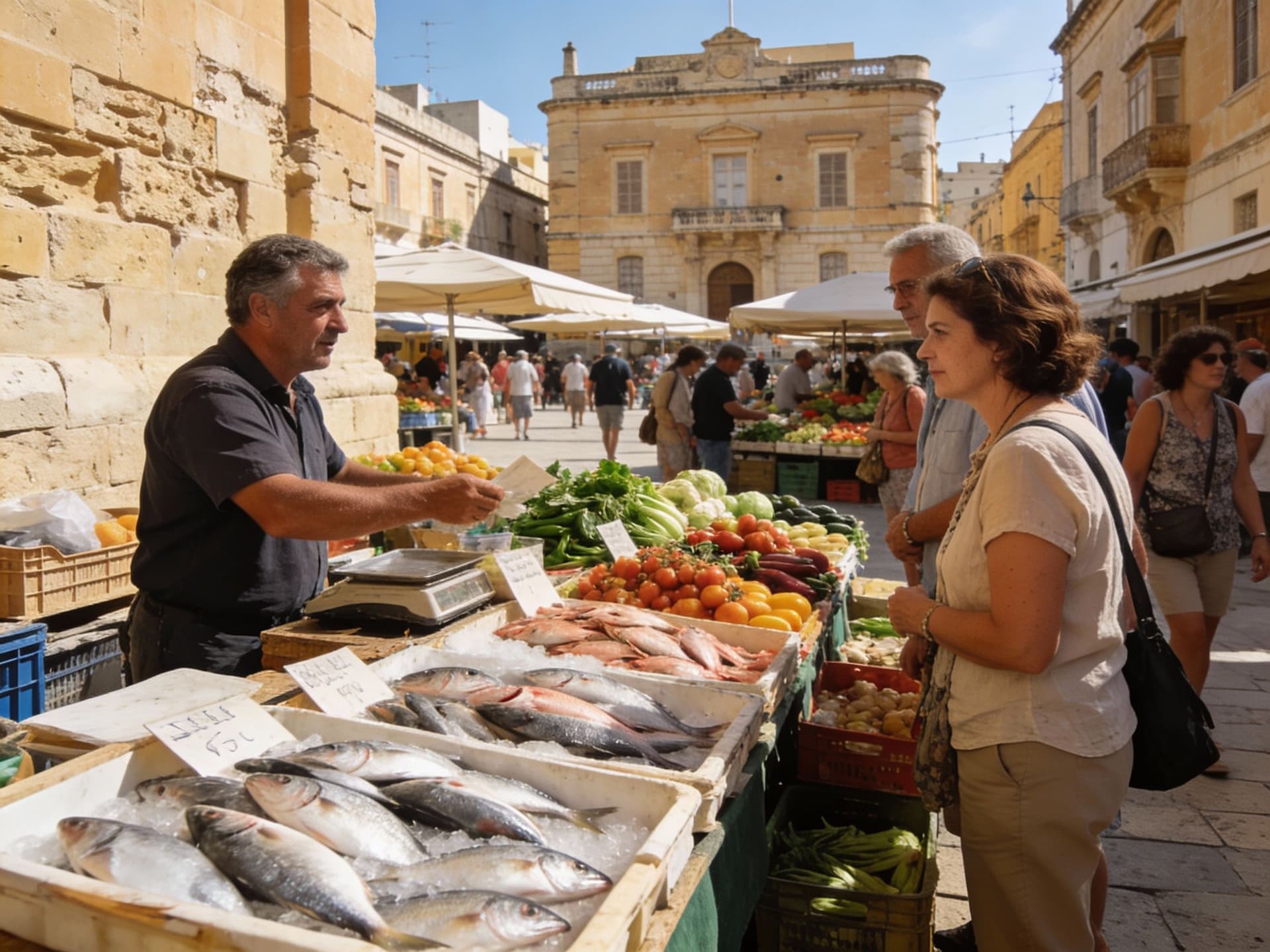
Living in Malta reads like a Mediterranean short story—espresso at 8am, siesta-ish pause after lunch, then evenings on a terrace with sea breezes and lively conversation. That story is intensified by tourism: Malta received roughly 3.56 million inbound tourists in 2024, so neighbourhoods such as St Julian’s and Sliema can feel very different in high season versus winter. These seasonal swings should influence where you buy: choose central, tourism‑heavy streets if short-stay yield matters; pick quieter inland towns if steady long‑term tenancy is your objective.
Neighbourhood pulse: Valletta, Sliema, St Julian’s, and Gozo
Valletta is a daily theatre of history—narrow streets, museum cafés and short-term visitors—making well‑renovated townhouses attractive for premium rents but with limited yield upside. Sliema and St Julian’s mix professional expats, tourists and nightlife; they command higher capital values and lower gross yields but stronger liquidity. Gozo trades tourist seasonality for quieter, higher yields in certain villages (e.g., Victoria/Rabat) and a slower capital growth profile. Your lifestyle preference—historic cadence, seaside energy or rural calm—directly maps to a predictable yield and risk profile.
Food, weekend routines and how they affect location choice
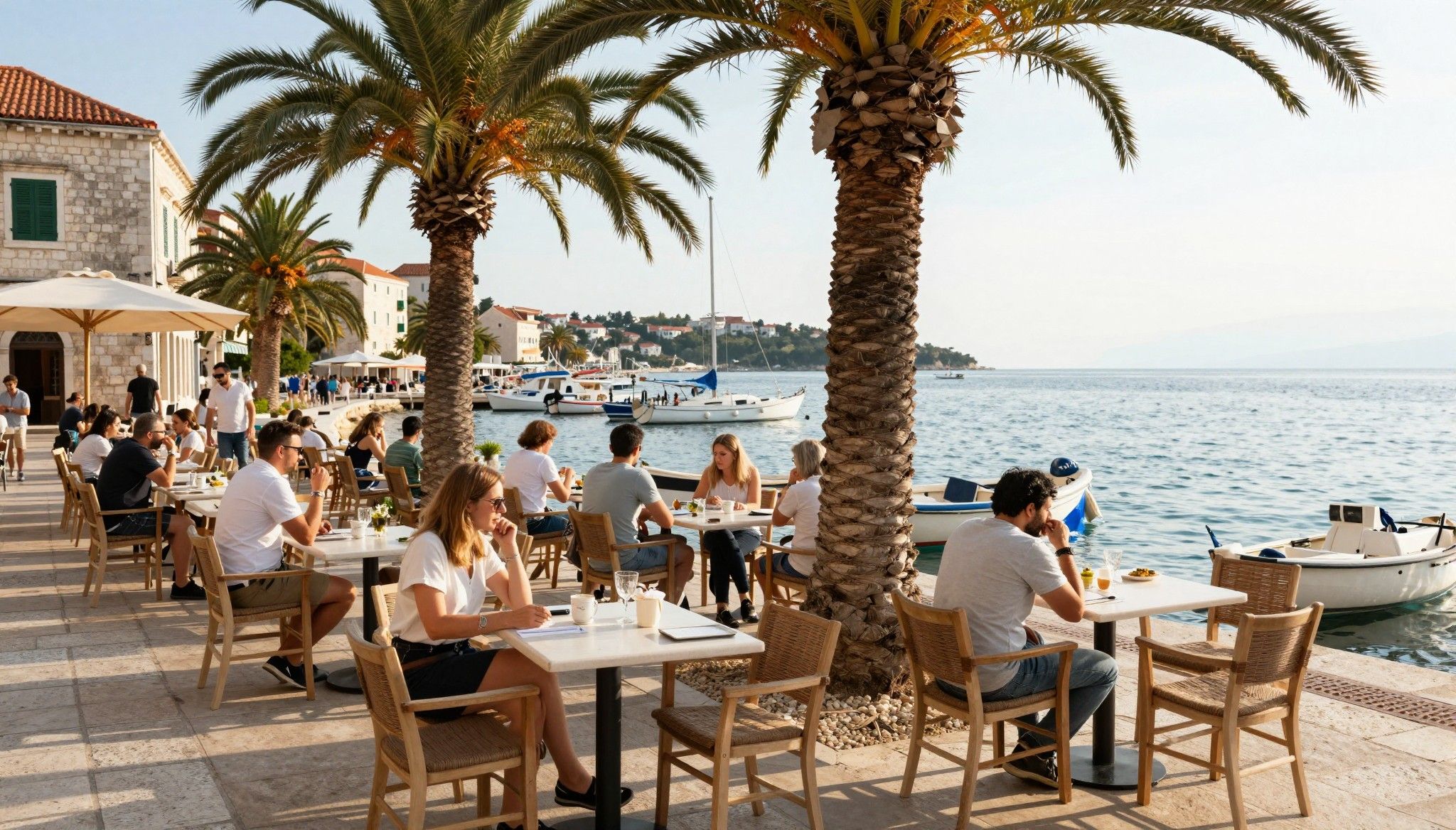
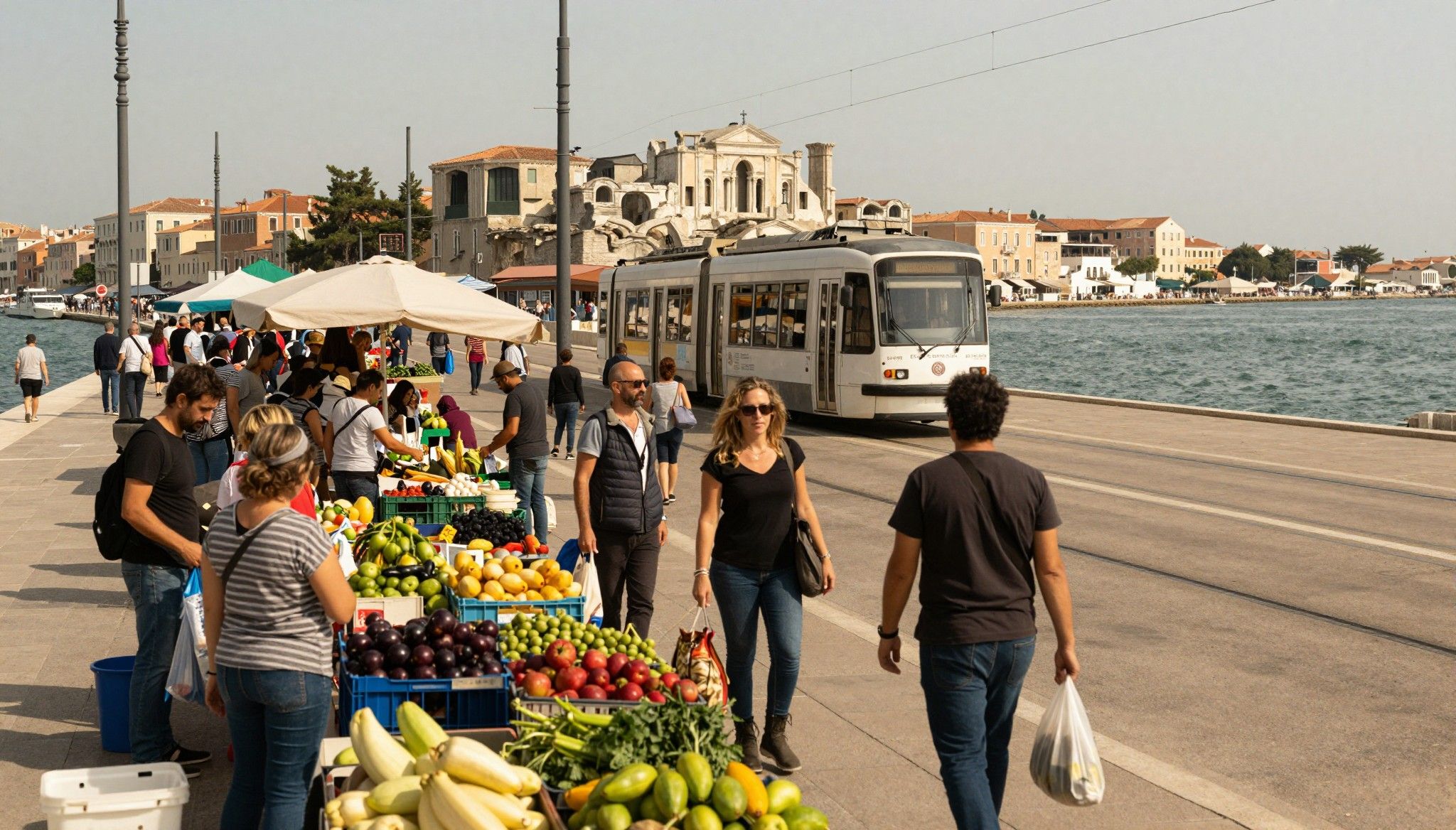
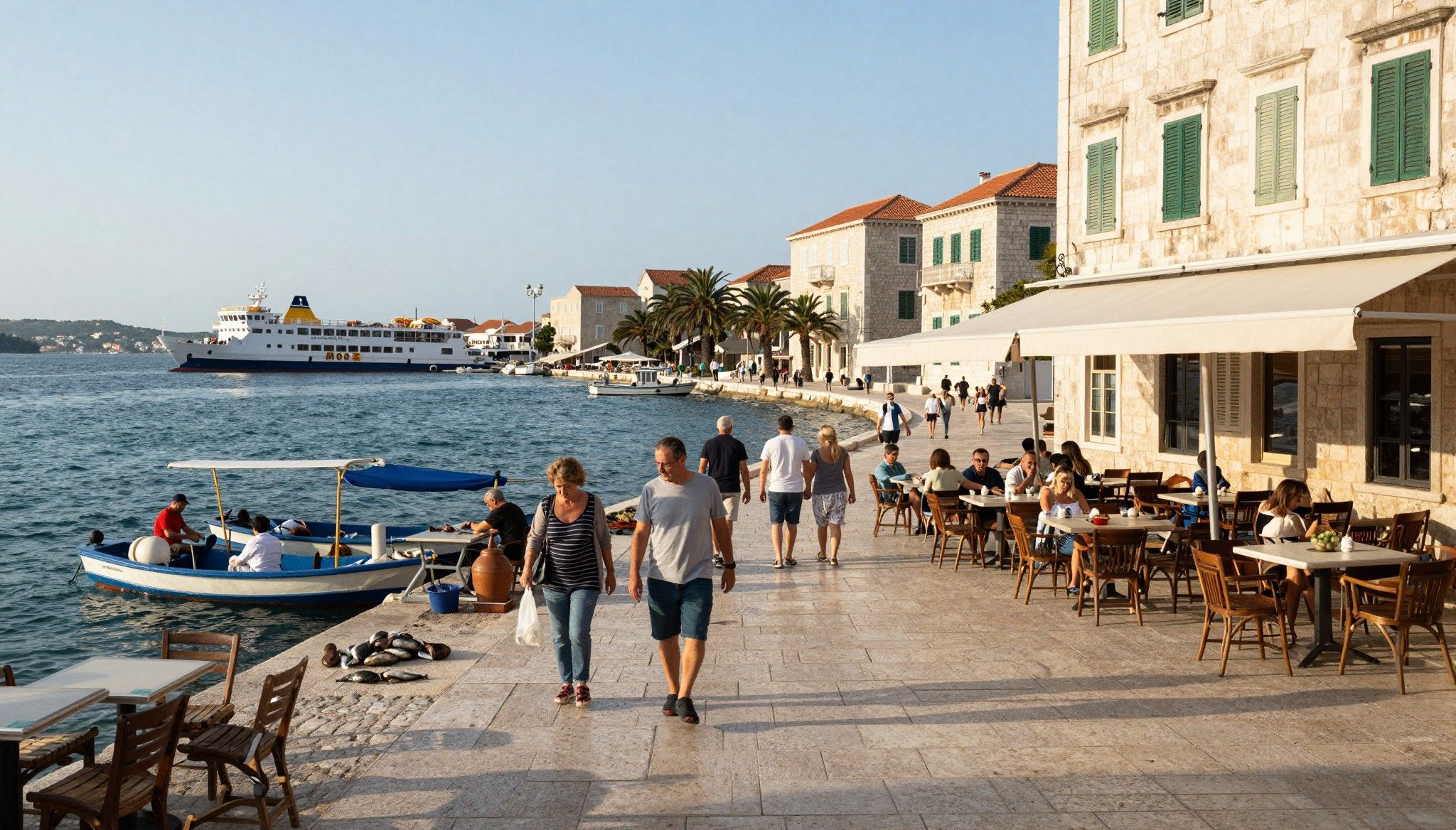
Weekends in Malta are about markets, seafood, festas and the sea. Choose St Paul’s Bay or Mellieħa if morning markets and family beaches are essential; choose Gzira or Ta’ Xbiex for easy ferry commutes and café life. These lifestyle elements ripple through tenant demand: family-focused areas favour longer leases and steady incomes, while festa-driven towns spike short-term demand and seasonal rates.
- Lifestyle highlights: streets, cafés and hidden gems
- Sip espresso on Republic Street (Valletta) and imagine a restored townhouse as a boutique long-let.
- Evening promenade on Sliema’s Strand—ideal for apartments targeting professionals and short-term stays.
- Winters in Gozo: quieter towns like Xlendi attract retirees and long-stay renters seeking value.
Making the move: property realities that follow the dream

The story so far: Malta’s Residential Property Price Index (RPPI) rose to 171.93 in Q2 2025—about a 5.6% annual increase—showing persistent price growth despite broader macro uncertainty. That means purchase timing, financing costs and neighbourhood choice materially alter returns; a 5–6% annual price rise compresses entry yields and increases the importance of realistic rent assumptions. Treat national headlines as context, then underwrite each asset on micro metrics: price per square metre, expected rent, vacancy risk and maintenance realities.
Property types and how they map to use-cases
Apartments dominate Malta’s market—compact, often in converted period buildings—offering easy management for expatriate landlords and good access to urban demand. Maisonettes and traditional townhouses provide higher per‑unit prices but niche rental markets: families and premium short-stays. Rural farmhouses/Gozo properties can deliver better gross yields but come with higher refurbishment and seasonal vacancy risk. Match property type to tenancy strategy—students, professionals, families or tourists—to align expected yield with operational complexity.
Working with local experts who understand both lifestyle and yields
Local agents and property managers offer more than listings: they translate festa calendars into occupancy risk, advise on realistic monthly rents, and navigate permit processes for renovations. Choose advisers with demonstrable track records in the particular micro‑market you target—an agent fluent in short‑stay platforms matters in St Julian’s; a manager experienced with long leases matters in Pembroke or Mosta. Insist on rent roll data and 12‑month occupancy histories before underwriting cashflow.
- Practical pre‑purchase checklist (lifestyle + numbers)
- Request 12 months of proven rental income or comparable market rents, adjusting for seasonality.
- Verify the RPPI trend for the specific locality and compare price/sqm to recent sales.
- Confirm local zoning and renovation permits; check restrictions on short‑stay licences in the street.
Insider knowledge: what expats wish they’d known
Expats often underestimate seasonality’s effect on everyday services: August crowds change restaurant hours and transport flows, while December feels like a different island. Tourism intensity data show some localities host far more visitors per resident than others; this translates into wear-and-tear on buildings and different maintenance profiles. Expect higher ongoing capex in tourism hotspots and build that into your return assumptions.
Cultural and community signals that affect long-term living
English is an official language, smoothing integration for many buyers, but local networks—village festas, club memberships, school catchments—drive neighbourhood desirability more than glossy listings. Families prize proximity to good schools and clinics; professionals value reliable transport links and coworking nodes in Sliema or Valletta. These soft factors are measurable: they appear in demand persistence, vacancy rates and tenant quality.
Long-term lifestyle reality: how life shifts after year one
After a year you’ll trade holiday habits for utility: the noise that felt charming becomes a rental-management expense; the bus route you loved becomes a commute calculus. Successful buyers adjust: they professionalise property management, budget for cyclical maintenance and diversify by type or location to reduce seasonal income swings. View your first purchase as an experiment that informs a repeatable underwriting model.
Conclusion: Malta’s compact charm is investable if you match lifestyle choices to underwriting. Use RPPI and tourism intensity to set realistic price-growth and occupancy expectations, choose neighbourhoods that fit your tenancy profile, and work with local agents who deliver verified rent histories. If you want a life with historic streets, sea access and English‑friendly systems, Malta rewards patience—just underwrite it like any other asset.
British expat who moved to the Algarve in 2014. Specializes in portfolio-focused analysis, yields, and tax planning for UK buyers investing abroad.