Malta: Street‑Level Lifestyle vs. Real Yield
Malta’s compact charm masks rising prices and modest yields; choose neighbourhoods that match tenant demand and balance lifestyle against realistic returns.
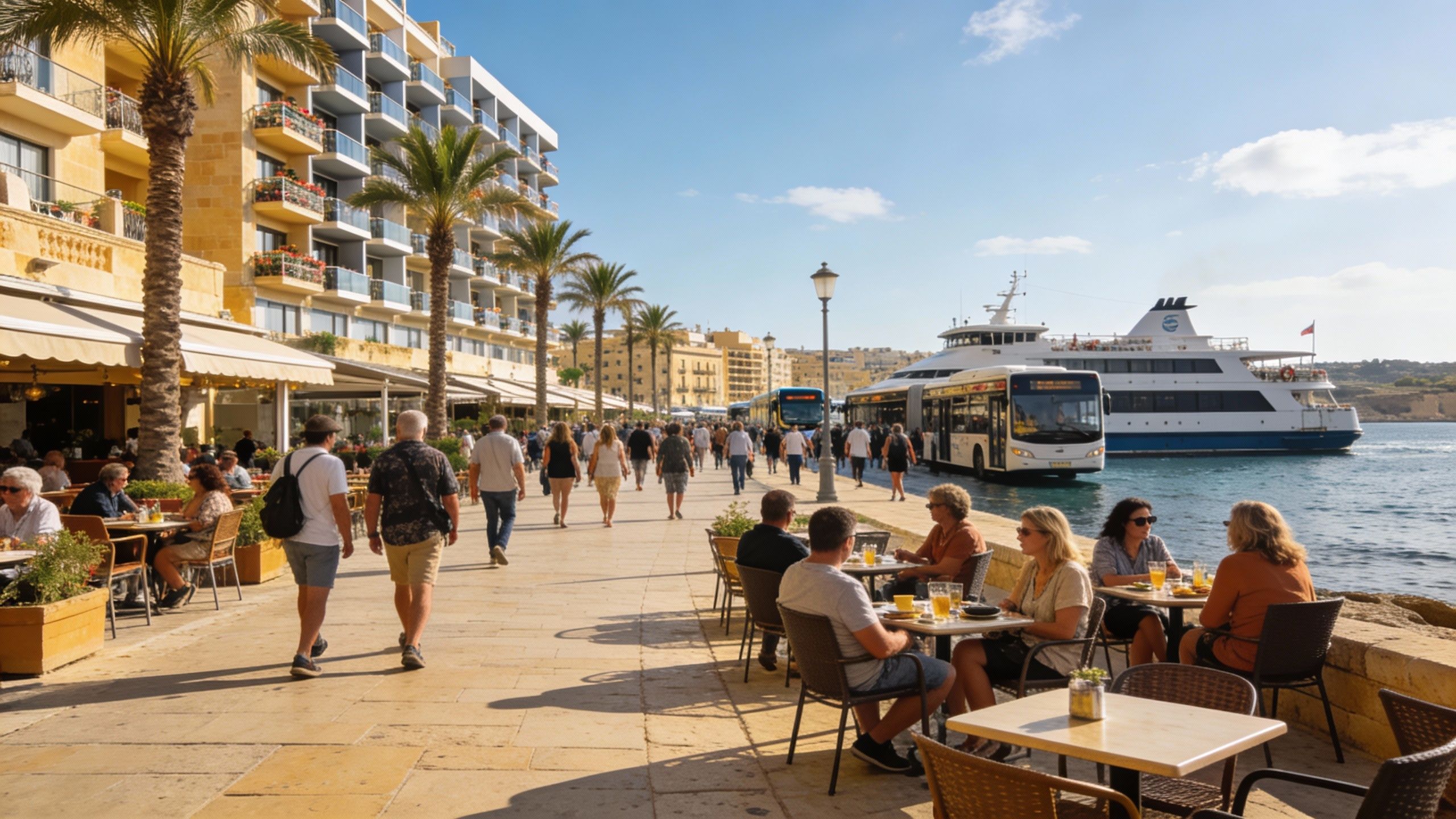
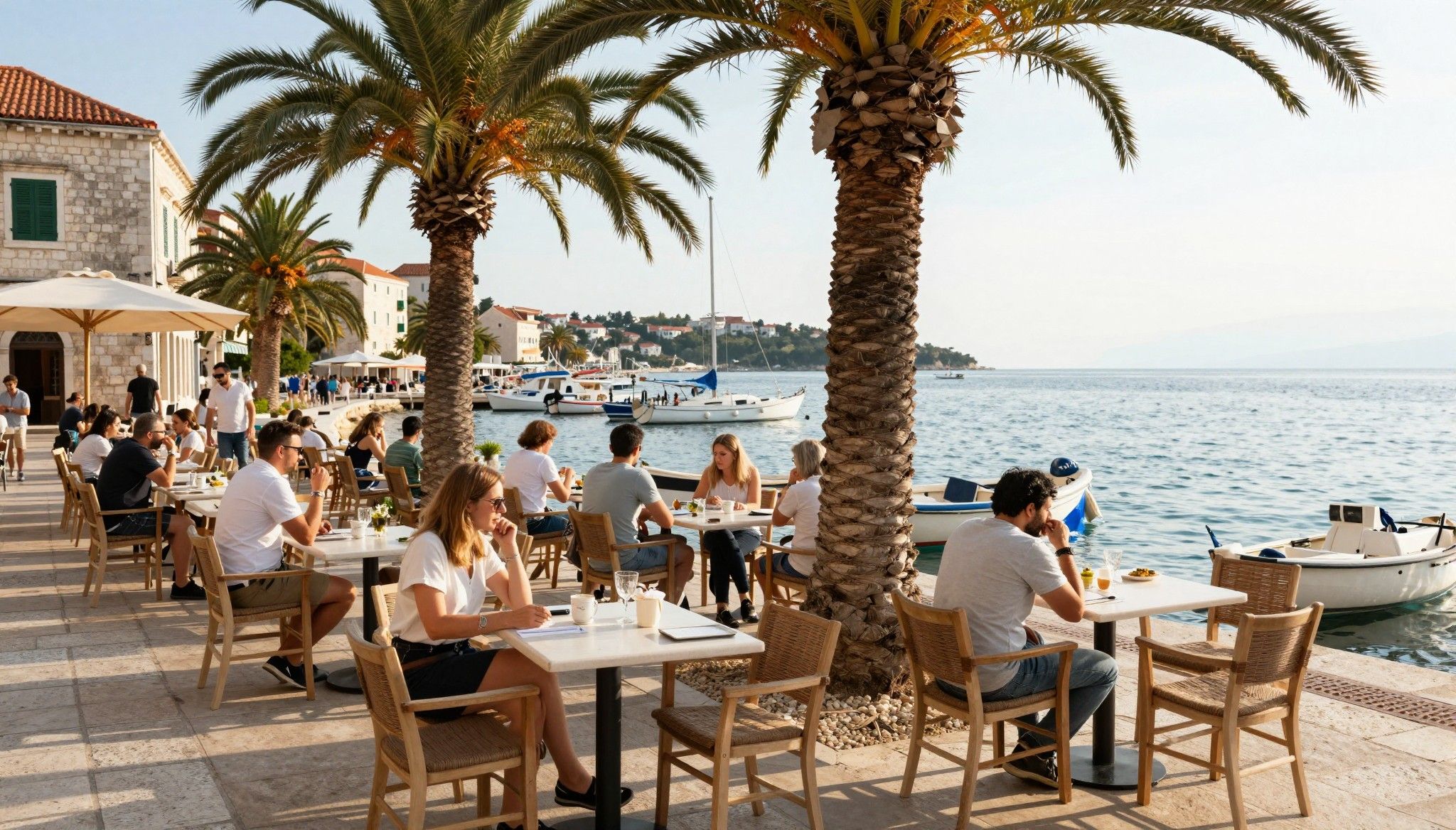
Imagine sipping an espresso on Triq il-Marsa in Sliema as delivery scooters thread past limestone facades and a developer’s scaffold hides the next rooftop conversion. That compact, sunburnt jumble — Valletta’s Baroque churches, St. Julian’s nightlife, the quiet terraces of Marsaxlokk — is also where investors wrestle with tight land supply, rising prices and modest rental yields. This article blends the light and scent of Malta with the numbers international buyers need to decide whether island life belongs in their portfolio.
Living Malta: daily rhythms and neighbourhood textures
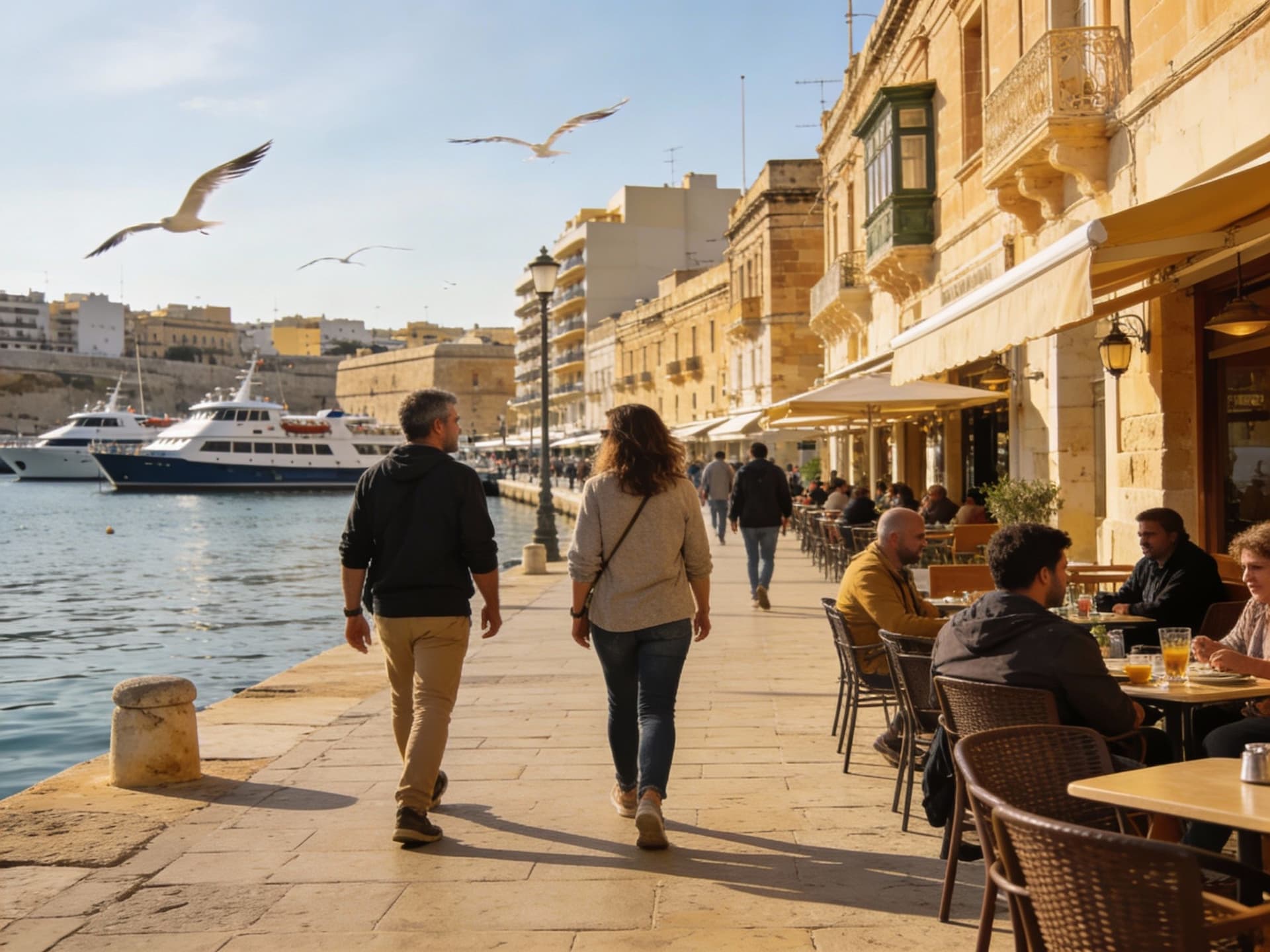
Malta is compact enough that a Saturday might include market shopping in Marsaxlokk, an afternoon dip off Għajn Tuffieħa and an evening aperitivo in a Valletta piazza. Streets shift quickly from centuries-old limestone to mid-century apartment blocks; English is official alongside Maltese, so administrative tasks and tenancy conversations are easier for many internationals. Expect dense social life in Sliema and St. Julian’s, quieter, family-oriented rhythms in Naxxar and Żurrieq, and an island-wide reliance on cars and buses for cross-country trips.
Neighbourhood spotlight: Sliema, St. Julian’s and the Northern Harbour
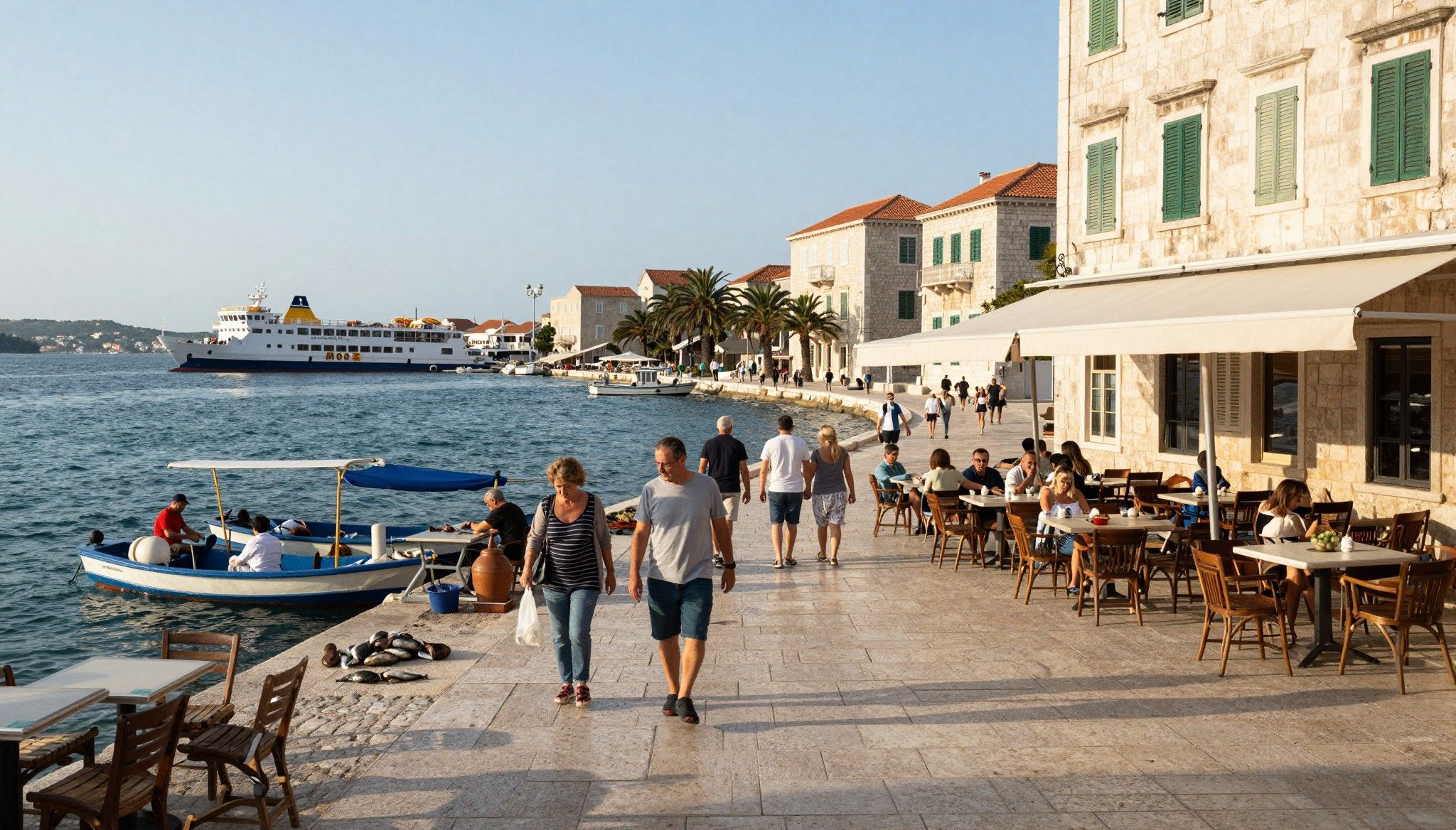
Sliema offers promenade living and steady rental demand from short-term and corporate tenants; St. Julian’s — especially Paceville — is night-life heavy but produces strong seasonal cashflow for short lets. The Northern Harbour area (Gżira, Ta’ Xbiex, Msida) attracts young professionals and university-linked tenants. These pockets perform differently: Sliema and Gżira trade liquidity; St. Julian’s trades seasonality. For long-term stability favour inner-harbour neighbourhoods over the tourist strip.
Food, markets and the weekend heartbeat
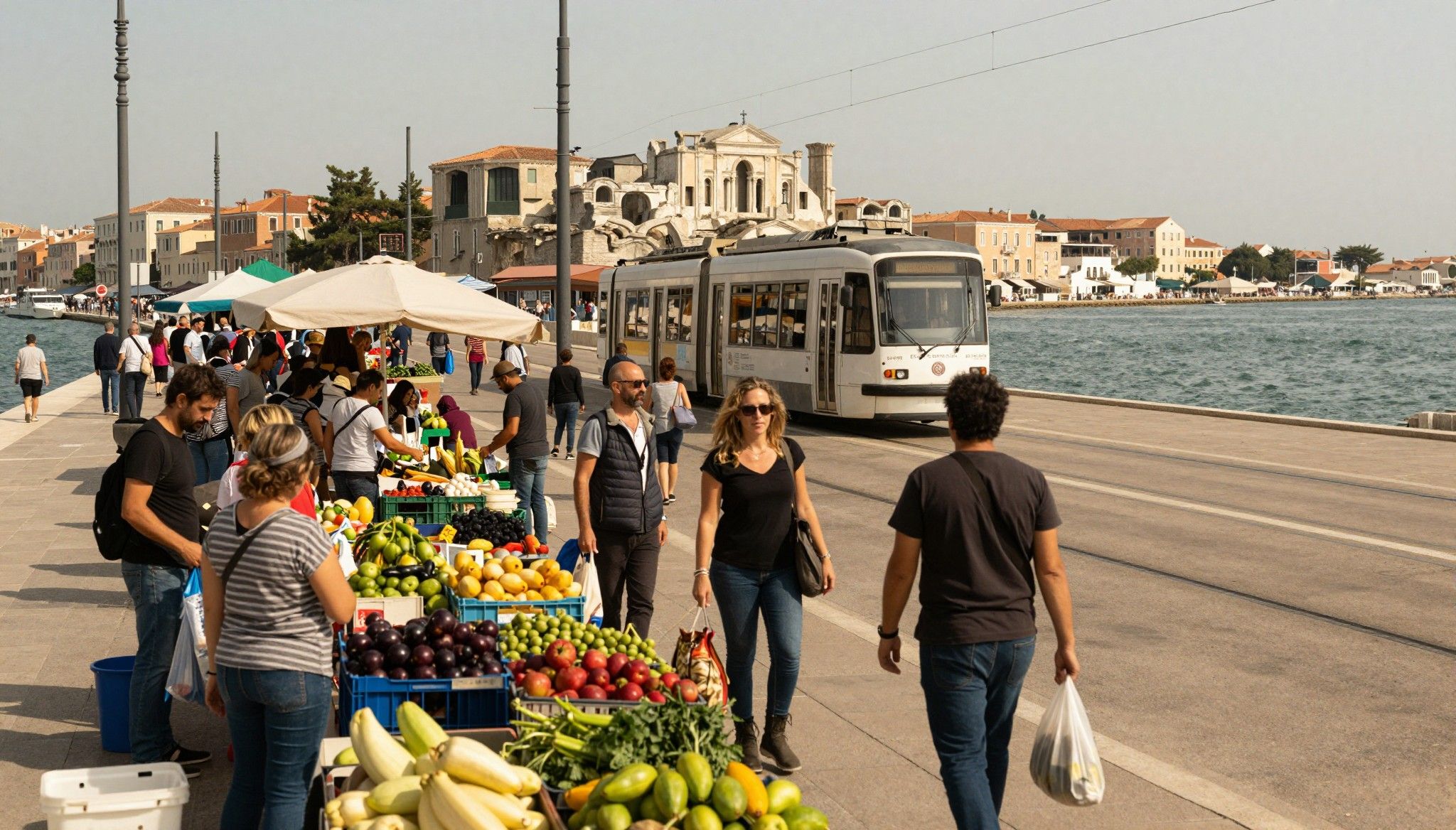
Breakfast is an espresso and pastizzi from a corner bakery; Sunday markets — Marsaxlokk’s fish market and Valletta’s local stalls — define weekends. The restaurant scene has matured: boutique Mediterranean bistros and Maltese traditional spots coexist. Food culture shapes micro-locations: buy near residential favourites (e.g., Naxxar’s village square) and you get steadier long-term tenants than a property next to a party bar.
- Lifestyle highlights: promenades, markets, and hidden coves
- Sunrise swim at St. George’s Bay; evening walks on the Sliema promenade
- Seafood brunch at Marsaxlokk’s waterfront kiosks
- Hidden cliffs and quiet bays: Għajn Tuffieħa and Golden Bay off‑peak
Making the move: how lifestyle choices reshape the numbers
The romance of narrow streets meets an empirical reality: Malta’s Residential Property Price Index rose ~5–5.7% year‑on‑year across recent quarters, reflecting limited land and continued demand. That translates into rising entry prices; combined with modest gross yields (commonly ~3–4% in many urban districts), investors must weigh capital appreciation expectations against rental income and transaction costs.
Property types and how you’ll use them
Traditional townhouses (characterful, narrow) suit lifestyle buyers and short‑term rentals but often require renovation and higher maintenance. Modern apartments deliver easier management and steadier corporate lets. Houses and villas are scarce on the main island and command a premium; Gozo offers more house stock. Match type to strategy: renovation projects can lift yield but raise upfront capex and management complexity.
Working with local experts who know both life and law
A Maltese notary and an agent fluent in local tenancy practice are non‑negotiable. Agents translate lifestyle preferences (quiet terrace, proximity to commuter routes) into neighbourhoods that deliver on occupancy. Solicitors navigate title issues — particularly common where older buildings have complex airspace rights. Expect to pay fixed notary fees and agent commissions; factor these into total acquisition costs rather than headline price alone.
- Purchase checklist that blends lifestyle and investment (practical steps)
- Inspect for humidity, roof terraces and airspace rights — vital in limestone buildings
- Run local rental comparables by street, not town — yields vary block-by-block
- Account for renovation outlays and recurring management costs (20–30% of gross rent possible)
Insider knowledge: expat truths and seasonal realities
Expats often underestimate seasonality and overestimate short‑let returns. St. Julian’s can look lucrative in July–August; occupancy plunges in winter. Conversely, Valletta and the Northern Harbour sustain year‑round demand from professionals and students. Learn local rhythms before betting on tourist seasons as your primary cashflow engine.
Cultural integration and day-to-day living
Maltese communities value small‑town ties: bakeries that know your order, festa calendars that close streets, and neighbours who expect shared courtesies. English-language convenience eases admin, but learning basic Maltese improves local relationships and can help when negotiating repairs or longer leases.
Long-term lifestyle trade-offs investors should accept
Expect incremental capital appreciation in a land‑constrained market, but modest rental yields. If you prioritise lifestyle — a rooftop terrace above Valletta’s streets — accept lower immediate yields. If yield is the priority, target modern apartments in Northern Harbour or Gozo where yields slightly outpace the main tourist strips.
- Red flags and local pitfalls to avoid
- Buying without detailed title/airspace checks — can block rooftop development
- Relying on peak‑season short lets for year‑round mortgage servicing
- Ignoring local planning norms — permitted heights and façade rules are strict in heritage zones
Practical next steps: inspect, quantify, and test the lifestyle market before you bid. Commission an independent survey that emphasises roof condition and moisture risk, obtain street-level rental comparables for the prior 12 months, and ask agents for tenant profiles (students, families, tourists). Treat Malta as a constrained-supply market: price growth is possible, but liquidity and yield profiles are highly location-dependent.
If you love the lifestyle and accept lower starting yields, buy where daily life matches the tenant profile you can manage. If yield matters, look for modern stock off the main promenades, and budget for management and refurbishment. A clear strategy — lifestyle-first or yield-first — avoids compromises that erode returns.
Conclusion: Malta rewards the buyer who understands both the promise of place and the practicality of price. The island sells sunsets, closeness and a Mediterranean tempo — but it also demands precise due diligence, conservative yield assumptions (often 3–4% gross in central areas), and local experts who translate neighbourhood charm into cashflow. If you come for the life, stay for the numbers — but bring the right team.
Danish relocation specialist who moved to Cyprus in 2018, helping Nordic clients diversify with rental yields and residency considerations.