The Neighbourhood Everyone Overlooks in Malta (High Yield, Low Noise)
Malta compresses Mediterranean life into high demand and tight land supply — choose neighbourhoods by yield profile, not postcard appeal. Use local yield models and legal checks before buying.

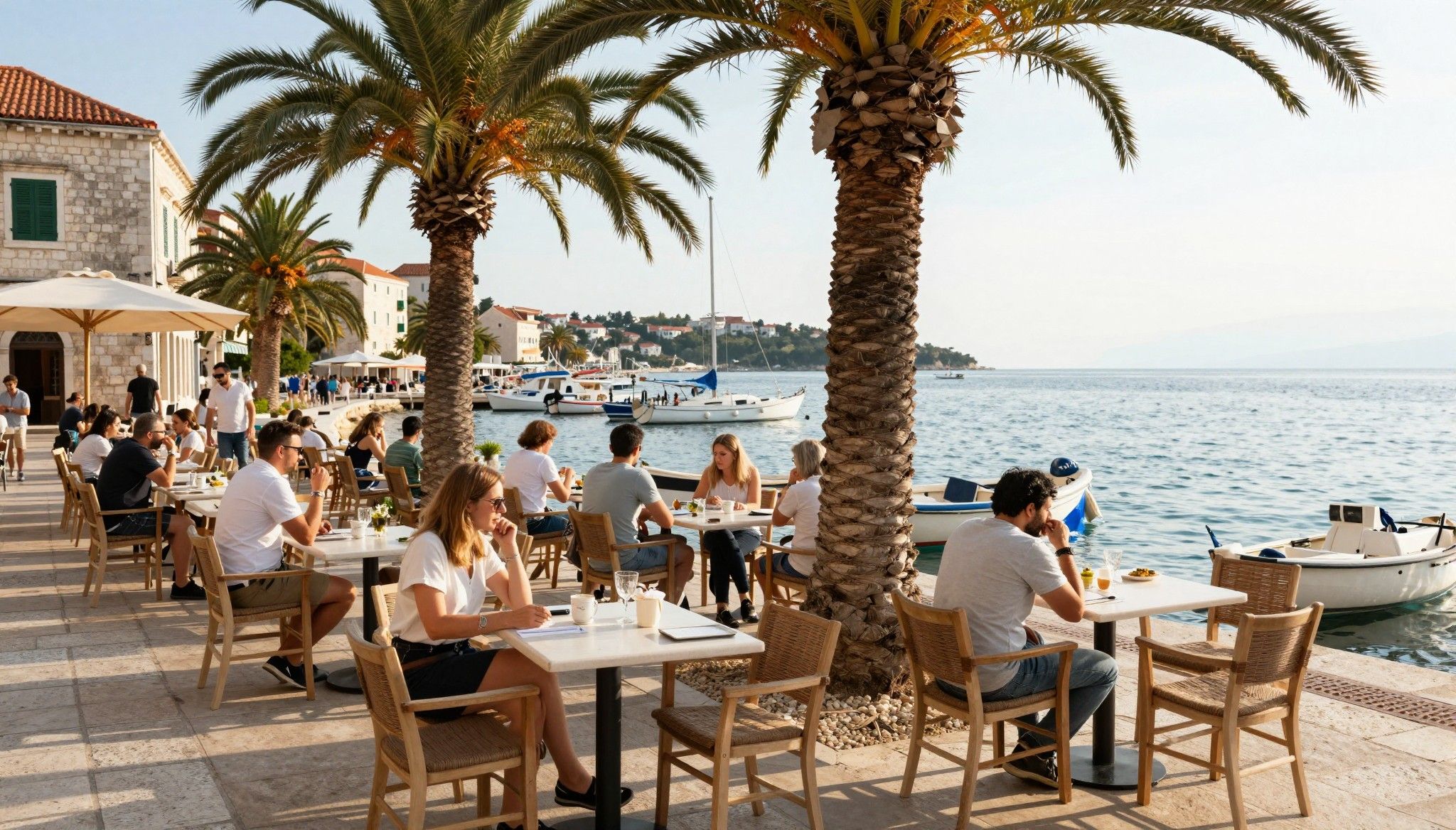
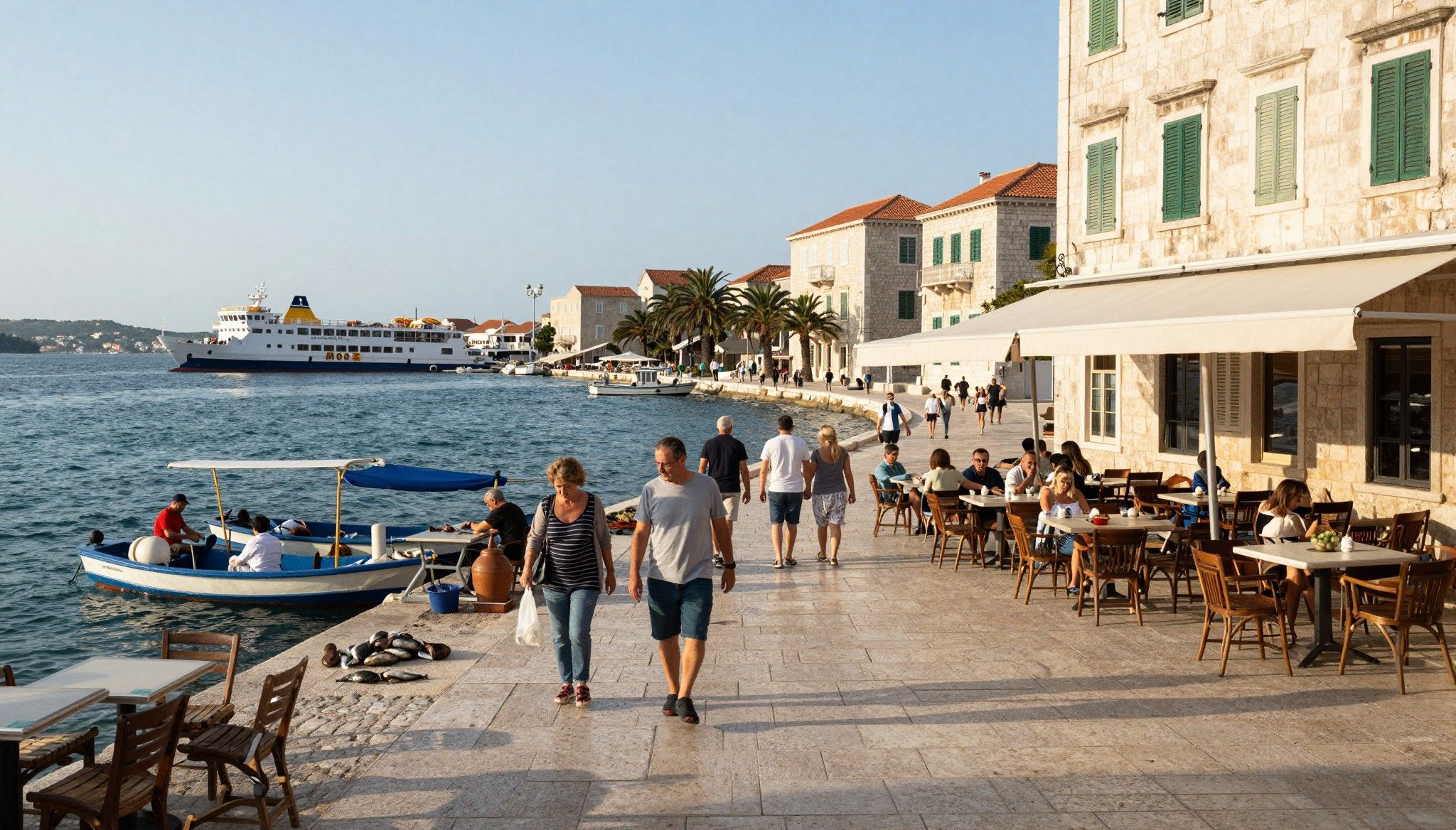
Imagine stepping out at 08:30 to sip a short espresso on a narrow street in Gzira, then walking five minutes to a harbour-side office where English is the working language and Wi‑Fi is reliable. Malta compresses Mediterranean life into an island the size of a mid-sized city: daily markets, late dinners, limestone facades and ferries that make weekend escapes to Gozo a habit, not an event. That compactness is the reason investors and lifestyle buyers talk about Malta in the same breath — but the reality beneath the postcard is more nuanced, and worth unpacking before you sign anything.
Living the Malta lifestyle: small island, big variety
Living here feels immediate — neighbours know each other, cafès pulse with conversation, and historic streets host modern life. From Valletta’s baroque tightness to Mellieħa’s sandy bays, each neighborhood delivers a distinct daily rhythm: morning market runs, afternoon siestas in shaded squares, and evenings that stretch late. That intimacy is what attracts buyers, but it also concentrates demand: small land supply and continued price growth have pushed average values higher in recent years, so lifestyle choices and investment metrics are tightly linked.
Valletta, Sliema, St Julian’s — where history meets returns
Valletta delivers monumental streets and tourist footfall; Sliema and St Julian’s combine seafront promenades with short‑stay demand and higher per‑sqm pricing. Expect premium per‑square‑metre figures in these areas and appreciable competition for well‑located apartments; they are where capital appreciation narratives are strongest but where gross yields are typically lower than secondary towns. If you want the social scene — restaurants, nightlife, and corporate tenants — these are the neighbourhoods that deliver it reliably.
Quiet pockets that surprise — Gzira, Msida, and the south
Gzira and Msida sit between central employment nodes and lower price bands, attracting renters working in finance and education. Southern towns such as Marsaxlokk and Żurrieq offer lower entry prices and stronger prospective yields for long‑let tenants, especially families seeking space over glossy seafront views. The practical takeaway: if you prioritise yield and lower volatility, look beyond the headline districts where tourist demand distorts averages.
- Lifestyle highlights — what life actually feels like in Malta
- Morning espresso on Triq San Ġorġ, St Julian’s; short ferry ride to Gozo on weekends; fresh fish at Marsaxlokk market; summer open‑air concerts in Valletta; co‑working hubs in Swatar and SmartCity.
Making the move: lifestyle choices that change the numbers
Your lifestyle brief — proximity to sea, need for outdoor space, tolerance for tourists — will materially alter expected returns. Yields in Malta average around 3.8–4.3% gross for long‑lets but vary by area and property type; short‑stay strategies can boost income seasonally but add regulatory and management complexity. Choose an investment thesis first (steady long‑let income vs. seasonal premium) and let location and property type follow that thesis.
Property styles and how they shape life and return
Traditional Maltese maisonettes (multi‑level apartments with balconies) are tenant‑friendly and often located in dense cores; modern apartments in new blocks bring better insulation and parking but command higher purchase prices. Seafront flats attract expatriates and short‑stay demand but suffer seasonality; inland family homes trade on space and stability. Factor in maintenance of limestone facades and ventilation — these are recurring ownership costs that eat into net yields.
Working with local experts who understand both lifestyle and the ledger
- Select agents who can map lifestyle briefs to cap‑rate realities: (1) require area‑specific gross yield models and comparable rents, (2) request a 5‑year occupancy and maintenance projection, (3) insist on clear breakdowns of transfer taxes and recurring municipal charges, (4) verify short‑stay licensing if that’s your plan, (5) ask for tenant profile data (students, professionals, families).
Insider knowledge: what expats wish they'd known
A common expat refrain: ‘we loved the rhythm but underestimated the recurrent small costs’. From community association fees to façade upkeep and seasonal tourist noise, these factors shift total cost of ownership. Political and regulatory changes — including recent legal scrutiny of citizenship‑for‑investment programmes — can alter buyer motivations and demand profiles, so weigh residency benefits separately from pure property math.
Cultural practicalities that affect daily life and tenancy
English is widely used in business and services, easing integration and letting landlords reach international tenants easily. Social life follows community calendars — festa season, religious holidays and summer events change footfall and short‑stay demand. Be mindful: local rental contracts and tenant expectations differ from Anglo‑Saxon models; use a local lawyer to translate terms into enforceable outcomes.
Long‑term outlook — what the next five years looks like
Limited developable land and continued demand from corporate tenants and relocations support a case for capital preservation, but rising valuations compress future gross yields. Expect steady, if unspectacular, rental returns and modest capital gains in core markets; better yield opportunities will likely remain in smaller towns and Gozo where price gaps persist. Treat Malta as a low‑volatility, income‑oriented allocation rather than a high‑growth play.
- Red flags to watch before an offer
- Opaque maintenance histories for limestone façades; absent or incomplete permits for conversions; unclear short‑stay licensing; neighbourhoods heavily dependent on tourism outside July–August; unusually low asking rents that indicate hidden repair liabilities.
- A 4‑step offer checklist: (1) commission an independent structural and damp survey, (2) request 12 months of utility and service charge invoices, (3) confirm permitted use with local planning, (4) model net yield using conservative occupancy assumptions.
Malta is both seductive and pragmatic: you can have seaside breakfasts and reliable rental demand, but you must pair romance with spreadsheets. Start with a clear income or lifestyle brief, demand area‑specific yield models, and work with an agent and lawyer who can translate local practice into investible numbers. Visit outside high season, walk the streets you’d buy in, and build a three‑year cash flow plan before you commit.
If you’re ready to explore concretely, ask your agent for three comparable long‑let rents, one short‑stay licence status, and a five‑year maintenance schedule for any property you tour. That set of documents separates charm from commerciality — and it’s the balance that turns Maltese lifestyle aspiration into a disciplined investment.
Danish relocation specialist who moved to Cyprus in 2018, helping Nordic clients diversify with rental yields and residency considerations.