Malta: Overpriced Image, Underrated Yield Pockets
Malta’s compact lifestyle concentrates demand — RPPI shows rising prices, but micro-markets like Gżira and Pietà often deliver stronger net yields than waterfront premiums.
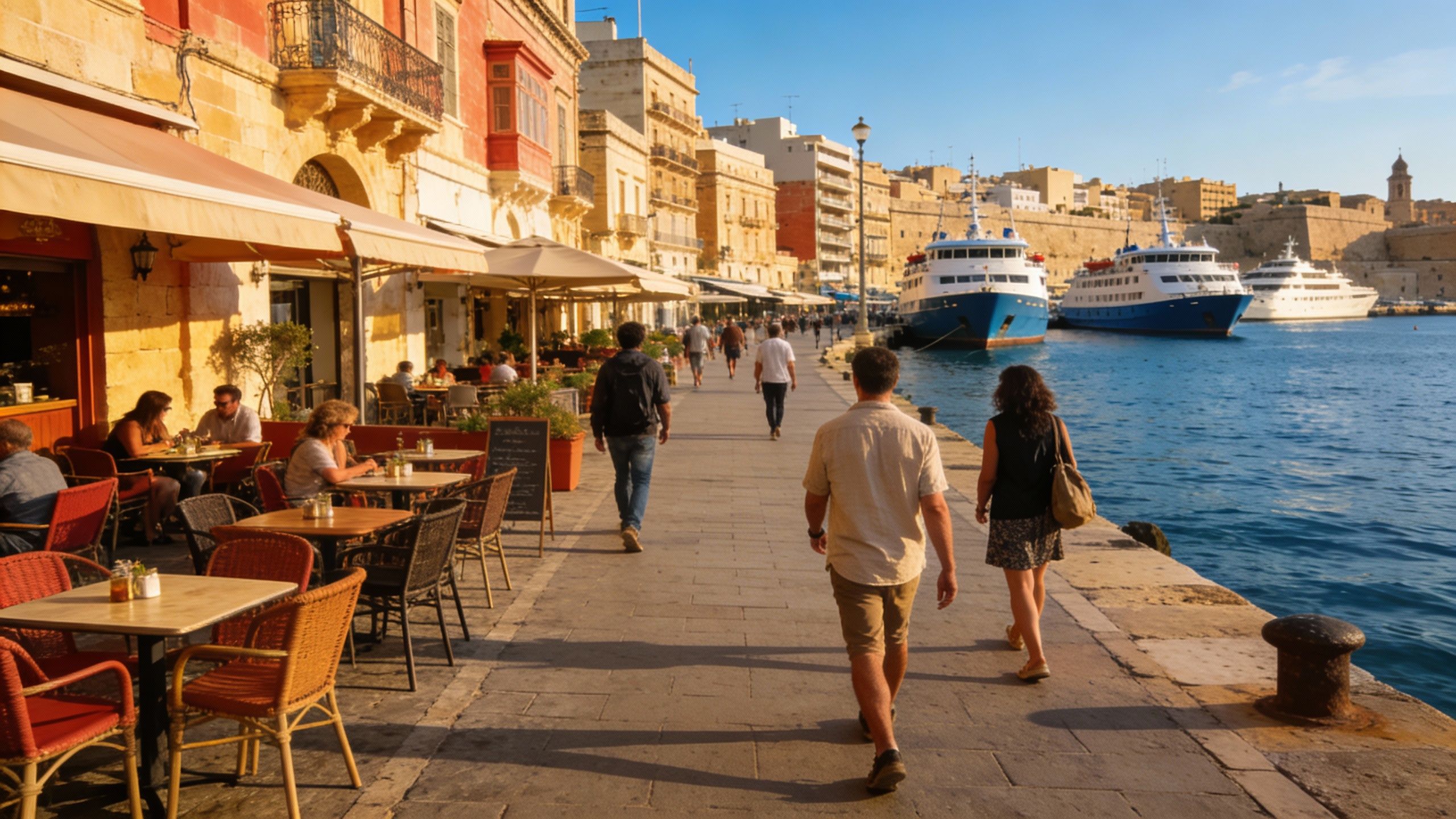
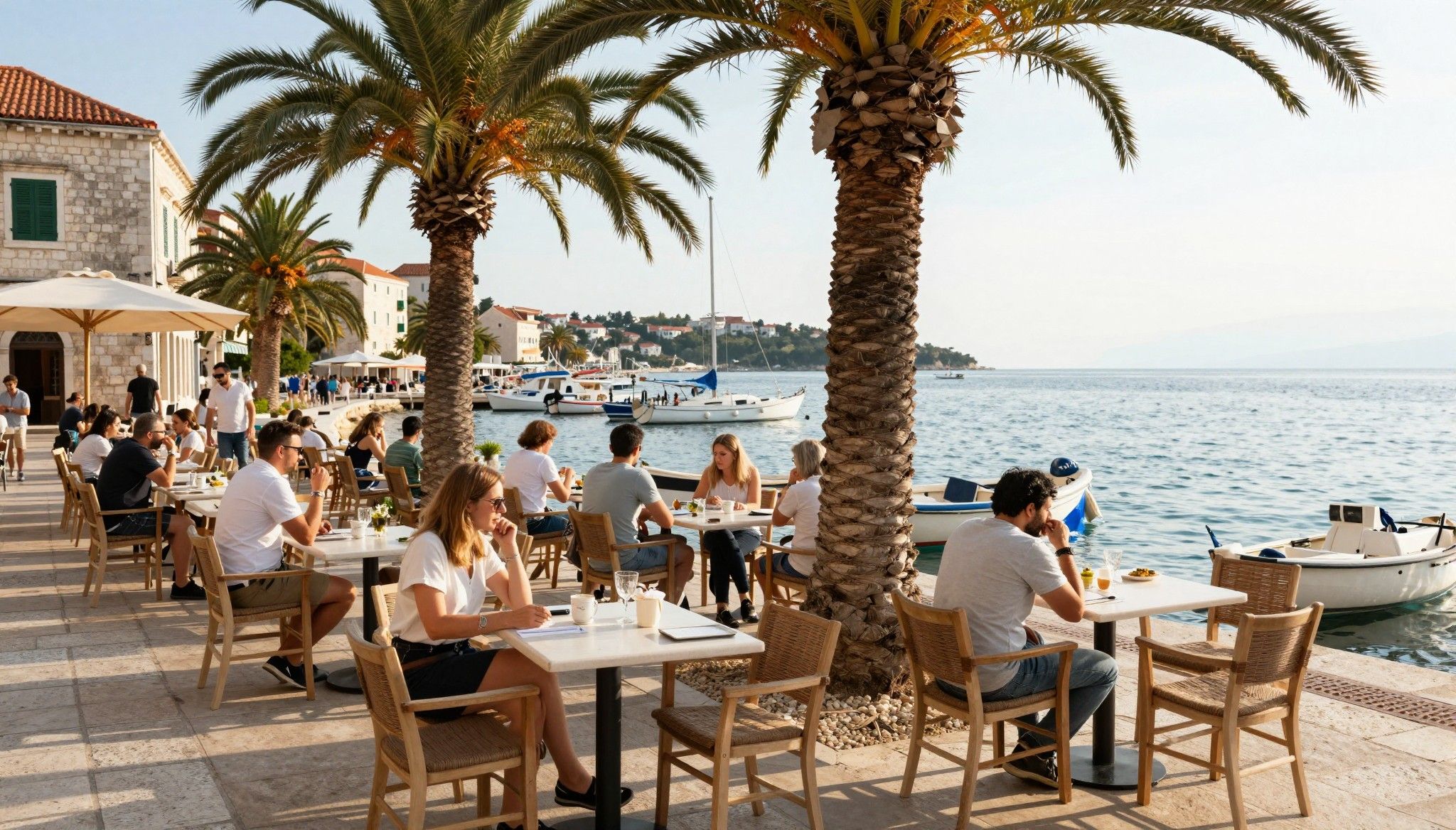
Imagine sipping espresso on a shaded table in Sliema, then walking 10 minutes to a cliff-top swim — that compact daily magic is Malta. The island’s scale concentrates lifestyle value: beaches, bars, and neighbourhood cafés sit minutes apart, and city rhythms bend toward outdoor life. For international buyers this feel is the headline; the less obvious story is how that concentrated lifestyle reshapes investment risk and reward, and where realistic rental returns actually come from. We open with place — then show which micro-markets pay.
Living Malta: compressed Mediterranean life
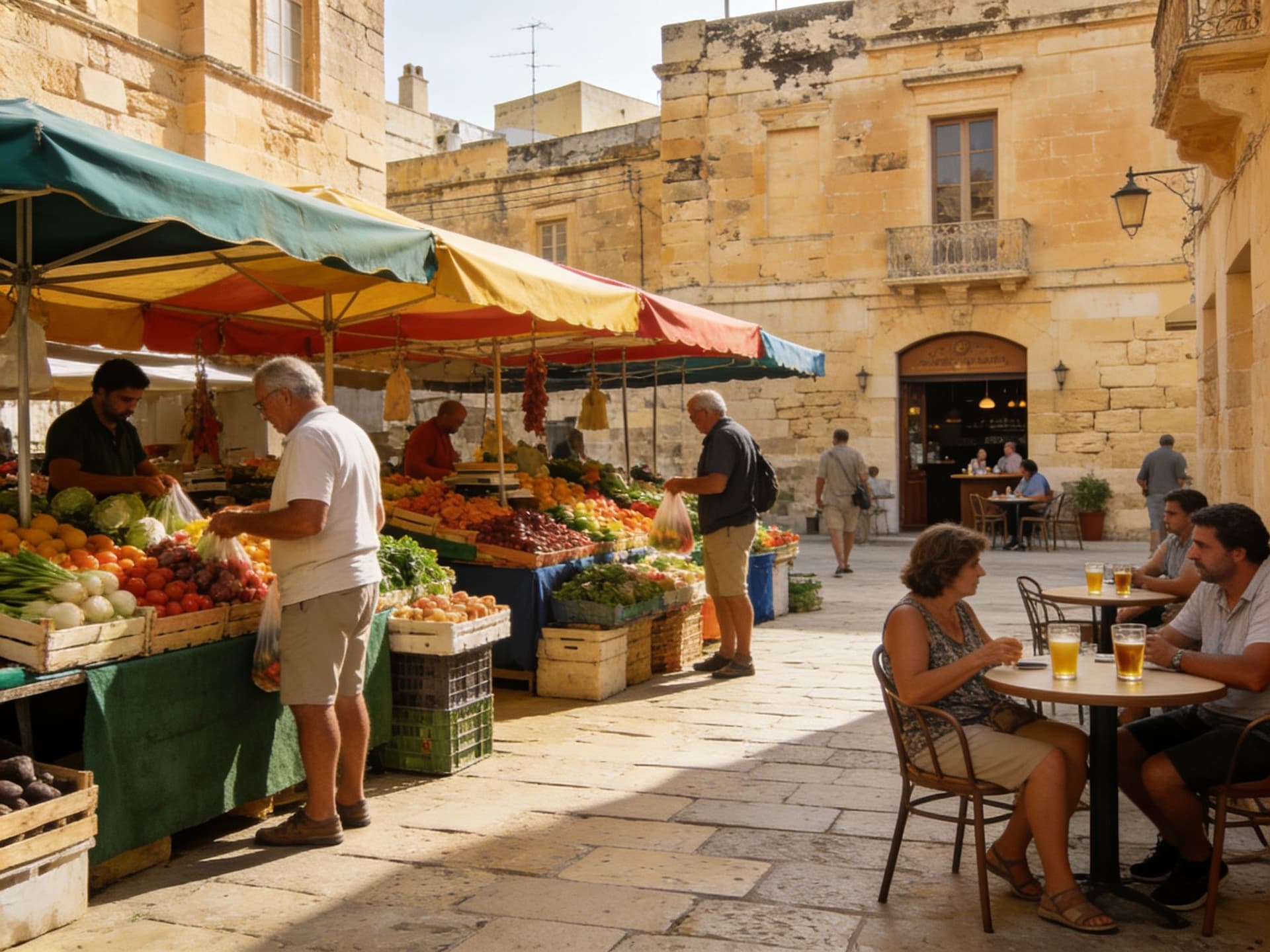
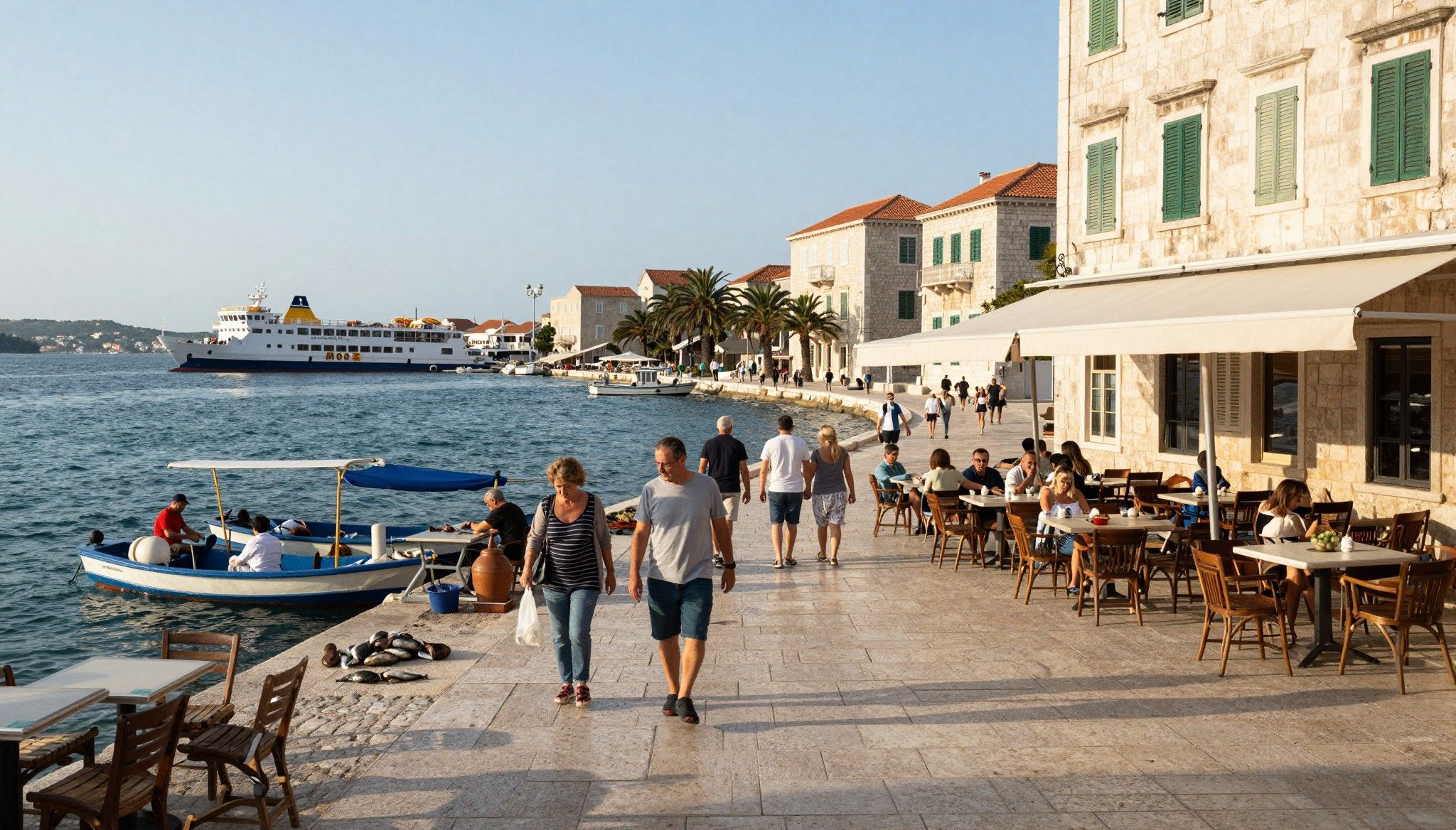
Malta feels like a handful of lively neighbourhoods rather than a diffuse city sprawl. Narrow streets in Valletta echo with church bells, Sliema’s seafront buzzes with cafés and fitness classes, while Mellieħa and Marsalforn on Gozo trade quiet beaches for family pace. Residents move on foot, scooters, and short ferry hops; daily life emphasises sociability, water access, and food markets. These dense comforts create tenant demand that’s specific — not uniform — so lifestyle desirability only partly predicts rental yield. Local price growth has been steady; national indices show a continuing rise in residential prices through 2024–25.
Valletta, Sliema and St Julian’s: the obvious glamour
Walk Valletta’s Republic Street in the morning and you’ll hear multiple languages and spot short-term tourists next to lawyers lunching. Sliema and St Julian’s are Malta’s commercial and leisure engines — high demand from professionals and seasonal visitors keeps occupancy high but bids drive price-per-square‑metre to premiums. Those premiums compress headline yields; expect lower gross yields in these spots but strong liquidity for resale. If you prioritise immediacy to services and international transport, these areas deliver lifestyle with a trade-off in headline investment metrics.
Quiet winners: Gżira, Pietà and inner Sliema pockets
Beyond the glamour are pockets locals favour for steady demand: Gżira (close to the university and coworking hubs), Pietà (affordable flats and long-term tenant base) and inner Sliema streets away from the promenade. These micro-markets combine lower price-per-m² with consistent mid-term rentals — think professionals, lecturers and remote workers — producing healthier net yields than the waterfront. Lifestyle here still feels Maltese: cafés, small grocers, and community piazzas, but at a sub-premium price.
From daydream to deeds: how the lifestyle shapes buying rules
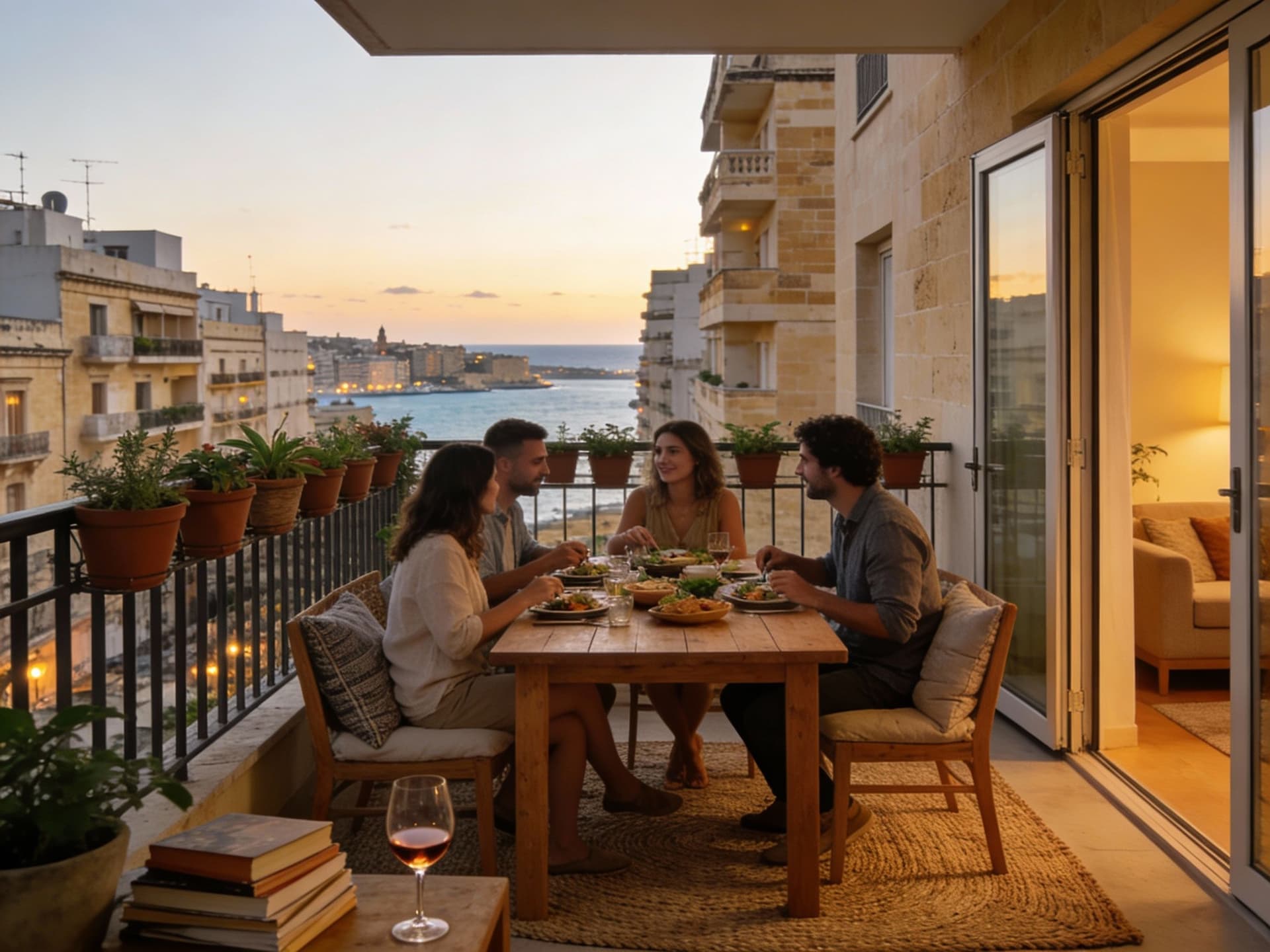
Malta’s compact geography and regulatory framing mean lifestyle choices have legal and financial consequences. Non-EU buyers face Acquisition of Immovable Property (AIP) permit rules that restrict buying outside Special Designated Areas (SDAs); EU nationals with limited Maltese residence also have limits for second homes. These constraints push many international purchasers into SDA pockets or to prioritise primary‑residence purchases, which in turn supports rental demand in those allowed zones. Understanding which neighbourhoods permit non-resident purchases directly affects both asset liquidity and yield assumptions.
Property types and how they change everyday life
Apartments dominate Malta’s market; maisonettes and terraced houses are common too, each shaping tenant profiles. A small seafront studio attracts short-term leisure stays and seasonal price volatility, while a two-bedroom flat near business hubs rents to longer-term professionals. Renovation potential is high — many older units benefit from modernising (air‑con, insulation, balconies), which raises rentability more than cosmetic staging. Match the property type to the lifestyle you want tenants to buy into: commute convenience, outdoor amenity or village calm.
Local experts who bridge lifestyle and compliance
Good local agencies do three things: map lifestyle demand to compliant purchase routes (SDA vs non‑SDA), price properties against recent RPPI moves, and model net yields after management and permit costs. Expect specialists to advise on short‑let vs long‑let viability, AIP timelines, and renovation budgets that actually lift rental income. Use agents who show comparables by street (not only by town) and who quantify expected yields after taxes, service charges and typical vacancy.
Insider rules, yields and red flags
Data-driven buyers watch three indicators in Malta: RPPI momentum, price-per-square‑metre by district, and permit exposure (AIP/SDA). The NSO’s RPPI rose through 2024–25, signalling continued price appreciation but also higher entry costs. That makes underwriting — projecting net yield rather than gross headline yield — essential. Red flags include new developments marketed for foreign buyers in non‑SDA zones that later face permit delays, and projects with high service charges that erode cash flow.
What expats wish they’d known
Expat buyers often underestimate permit timelines, municipal fees, and the difference between short‑let seasonal peaks and stable year‑round rents. Many told us they should have prioritized proximity to healthcare and supermarkets over promenade views when aiming for long-term tenants. Also, watch high-rise project promises: height and design regulations on the islands can change community demand quickly. Local counsel or an agency that documents past permit outcomes prevents unpleasant surprises.
Actionable steps to test a Maltese purchase
1. Verify AIP / SDA eligibility for the exact property address; permits change the buyer pool and liquidity. 2. Compare recent sold prices by street, not just town — use NSO RPPI trends to adjust comparables. 3. Calculate net yield: rent forecast minus realistic vacancy, management, insurance and service charges. 4. Stress-test returns for seasonality: model worst-case winter occupancy for short-let targets. 5. Obtain local legal review on leaseability clauses and municipal tax obligations. 6. Inspect the building for maintenance liabilities that often appear in older stone blocks.
Lifestyle highlights that directly affect rental demand: • University and coworking nodes (Msida, Gżira) attract mid-term tenants and remote workers. • Waterfront promenade and Ferries (Sliema–Valletta) drive premium short‑let rates. • Family-friendly beaches (Mellieħa, Golden Bay) create seasonal demand for larger units. • Gozo villages offer long-term renters seeking lower rents and quieter life. • Local festivals and Carnival weeks deliver short-term spikes — plan pricing, not reliance.
Wrapping up: how to marry the dream with disciplined underwriting
Malta sells a concentrated Mediterranean life — compact, social and easy to love. For investors, the crucial move is to translate that love into disciplined assumptions: use RPPI trends, confirm AIP status early, prioritise micro‑markets with steady tenant profiles, and stress-test for seasonality and service costs. Work with an agency that maps lifestyle cues (cafés, schools, commutes) to rigorous yield models; that’s how you buy the life and protect the return. If you want to explore streets and spreadsheets together, start with a street‑level comparables request and an AIP eligibility check.
Danish relocation specialist who moved to Cyprus in 2018, helping Nordic clients diversify with rental yields and residency considerations.