Why Provincial France Outperforms the Glamour Market
Provincial France—authentic markets, steady tenants, conservative yields. Recent INSEE data show prices stabilising; match lifestyle cues to yield metrics for lower risk.
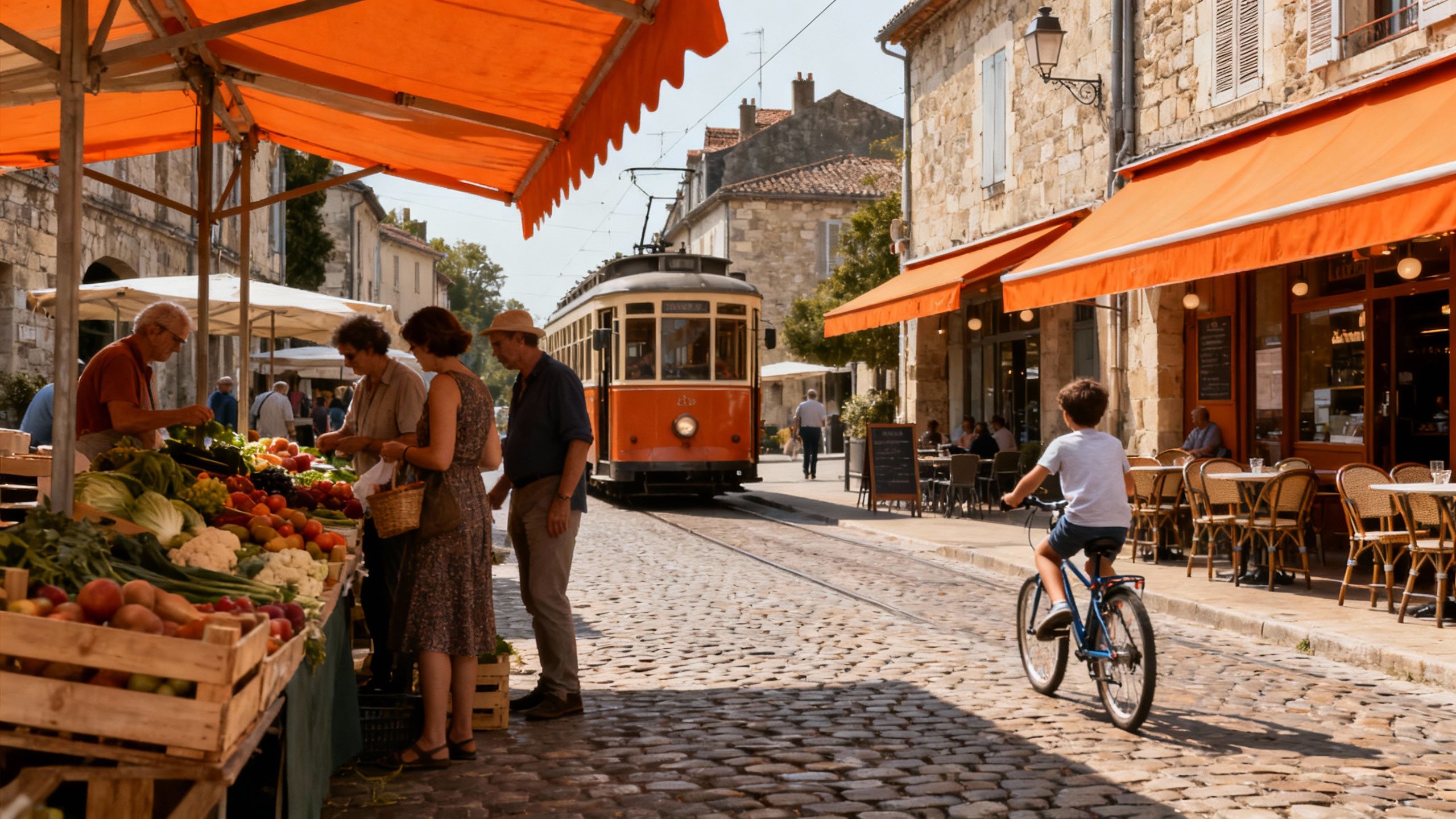
Imagine walking a narrow Rue des Martyrs market at 09:00, clutching a warm baguette while the boulanger greets neighbours by name. That intimacy—morning markets, small cafés where the barista already knows your order, and mid‑afternoon park benches full of retired locals—is what many buyers mean when they say ‘France’. Yet the France that makes good long‑term returns is rarely the postcard image of the Côte d’Azur; it’s the provincial towns and secondary cities where lifestyle quality and sensible prices align. Recent official data show prices stabilising and, in some regions, nudging up again, which matters when timing a purchase. cite
Living the France lifestyle — more than vineyards and beaches
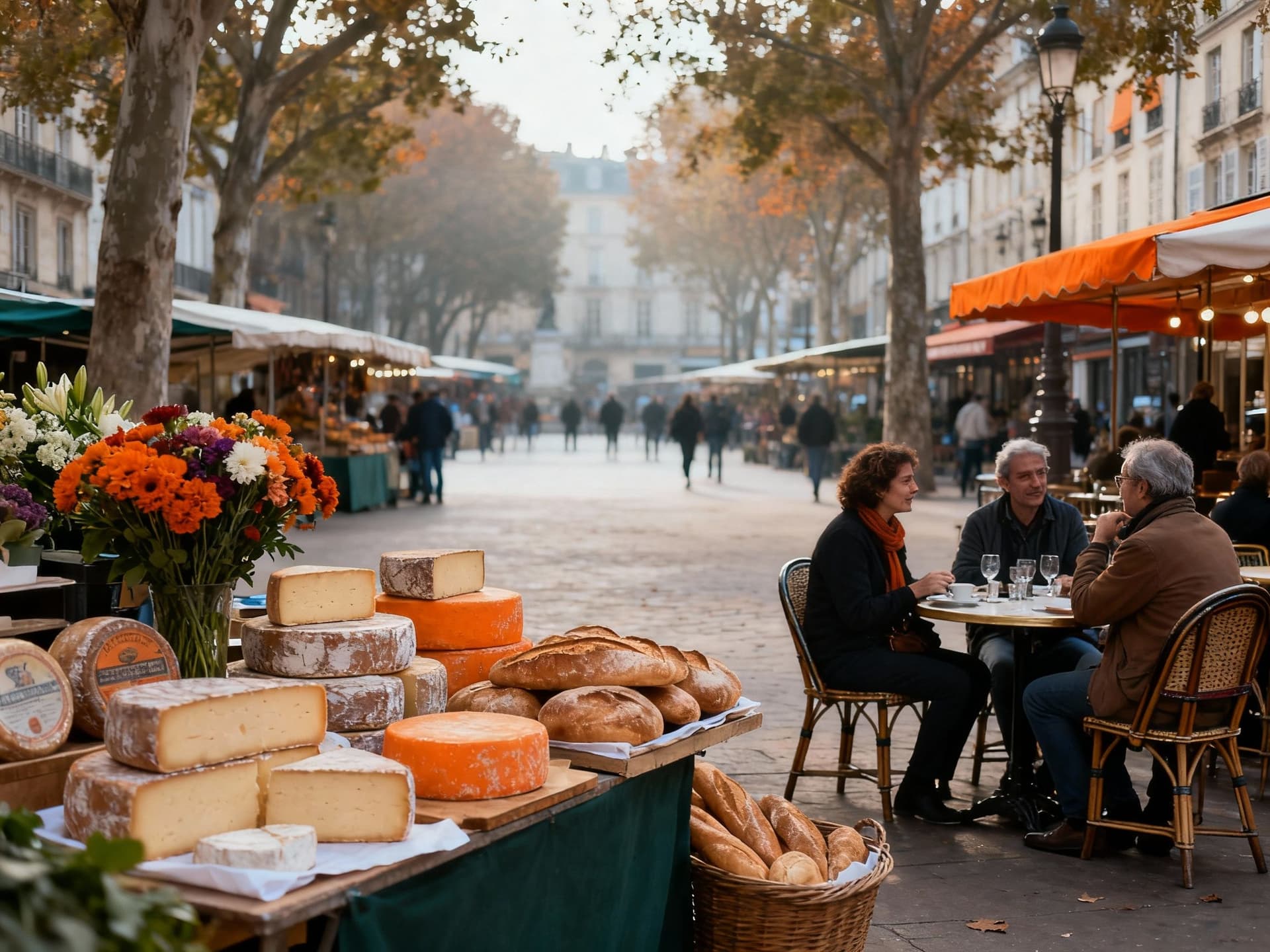
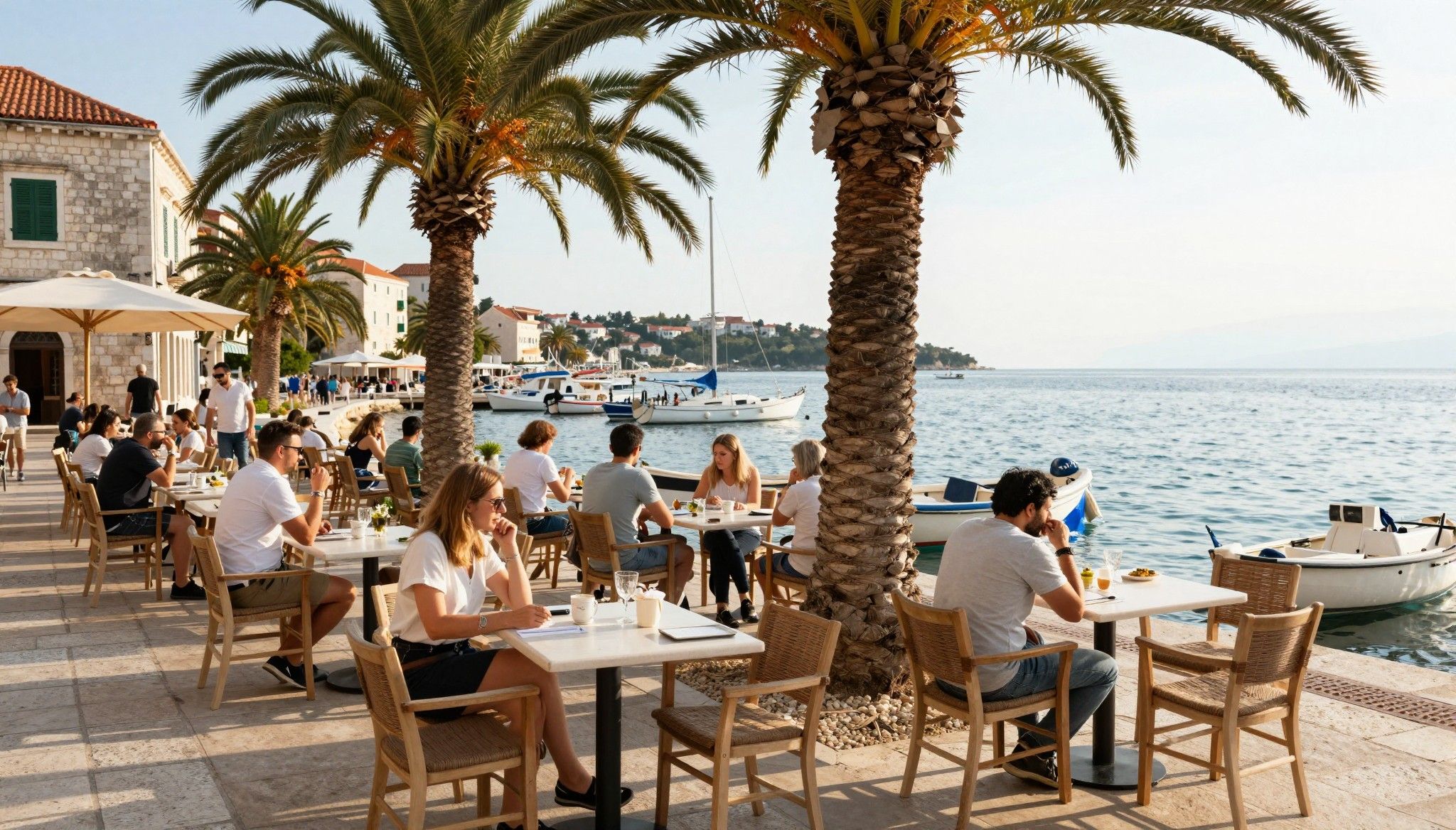
Life in France is rhythm and ritual: market days shape weekend routines, lunch is still an event in many towns, and cafés operate as civic spaces not just coffee points. In cities like Lyon’s Croix‑Rousse the morning markets are a social pulse; in smaller towns such as Albi or Agen you’ll find community fêtes that bind neighbours. Those daily rituals influence what tenants want—proximity to markets, compact kitchens for local food, and a sunny balcony for aperitif evenings. The recent uptick in transactions and modest price rises underline that demand is returning, but it’s uneven across regions and property types. citeturn0news12
Provincial towns: quiet streets, steady tenants
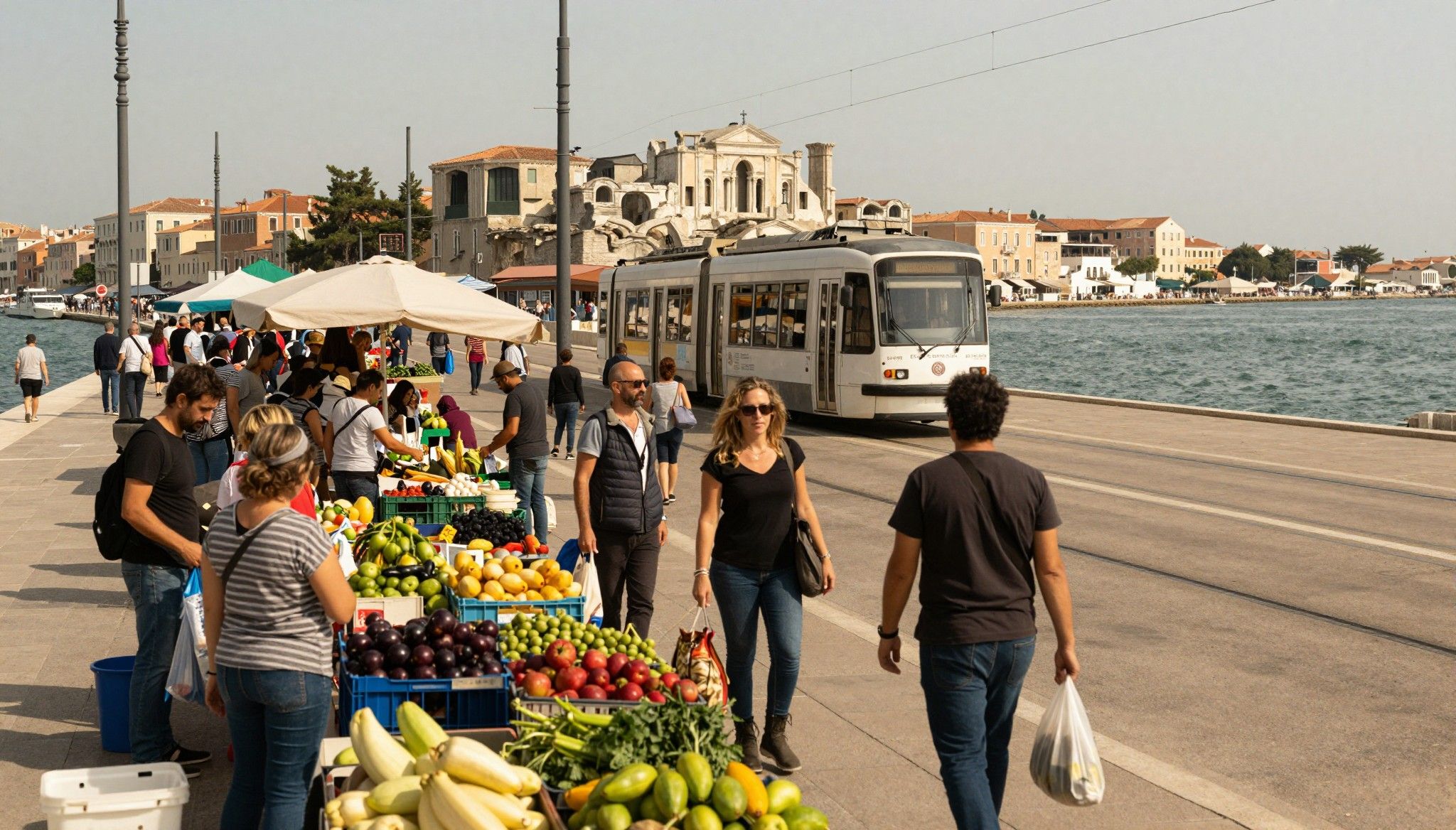
Spend a week in provincial France and you’ll notice a high tenant churn driven less by tourists and more by locals moving for jobs or family—this produces dependable mid‑term rental demand. Town centres (centres‑villes) with tram links, weekly markets and secondary schools attract long‑term renters: teachers, public administrators and small business owners. Properties here tend to be smaller flats or period houses converted into apartments, priced significantly below Paris per m² but with acceptable yields when underwritten correctly. For investors, the lifestyle draw—authentic daily life rather than seasonal spectacle—translates to lower vacancy risk.
Food, markets and the social calendar
Food shapes neighbourhood value in France. A street with a reputable fromager, a regular marché and a busy bistro will sustain rental appeal across seasons because it signals local life. Think Rue de la République in Avignon or Cours Mirabeau in Aix‑en‑Provence for market density, but the same principle applies on a smaller scale in towns like Vannes or Périgueux. Buyers should prioritise properties within walking distance of those amenities; tenants consistently pay a premium for walkable convenience. This is a lifestyle metric that maps directly to lower turnover and steadier net yields.
- Lifestyle highlights to look for in French towns:
- Weekly markets within a 10‑minute walk (food and antiques)
- A tram or TER (regional train) link under 15 minutes from the property
- Active local cafés/bistros with visible lunchtime footfall
- A neighbourhood school or collège within the catchment area
Making the move: practical considerations that reflect how you'll live

Dreams precede spreadsheets, but in France the two must meet. Recent official data show a modest price rebound in early 2025 after a run of declines; that matters for entry timing because financing and stamp duties influence effective yields more than headline asking prices. You’ll want to translate lifestyle priorities—sunny balcony, proximity to market—into measurable variables: price per m², expected gross yield, and vacancy allowance based on local demand seasonality. Local tax regimes and non‑resident rules affect net returns, but the single biggest practical advantage is choosing locations where the lifestyle you sell to tenants is authentic and year‑round.
Property styles and how they fit daily life
Stone townhouses converted into several flats are the backbone of provincial rental stock; they offer compartmentalised units that are easy to let separately and require lower capex to maintain than large villas. New‑build apartments near transport hubs provide easier management and appeal to young professionals; however, they often trade at a premium per m². Match the property type to tenant profiles: choose compact 1–2 bed flats for student or professional markets, and 2–3 bed family units where schools and parks are nearby. That match is the principal driver of sustained yield.
Working with local experts who know both life and numbers
A local notaire (conveyancing solicitor) combined with an agent who specialises in long‑let markets will save you negotiation time and protect returns. Agents who live locally tend to understand micro‑differences—why a ground‑floor flat near Place des Lices in Saint‑Tropez commands tourists, while a similar flat in an adjacent street does not. Use agencies that provide rental‑ready specifications, tenant profiling and realistic yield models rather than glossy photo books. For first investigations, request comparable rent rolls, occupancy rates and recent sale prices per m² before making an offer.
- Steps to match lifestyle to a reliable investment:
- Map tenant profile → choose town (student, family, remote worker), then shortlist streets with markets/transport within a 10–15 minute walk.
- Obtain three comparable rents for the last 12 months, check occupancy rates, and model a conservative vacancy allowance (6–10% depending on seasonality).
- Engage a notaire and request a full copropriété (condominium) dossier when buying an apartment; review charges, short‑term rental rules and major works provisions.
Insider knowledge: what expats wish they'd known (real‑talk)
Expats often overpay for ‘proximity to glamour’—the Riviera, central Paris, or famous wine towns—without accounting for maintenance, taxes and the seasonal nature of demand. In contrast, towns in Occitanie, Nouvelle‑Aquitaine or Bourgogne offer authentic French life, lower entry prices and steady local demand. Buyers frequently tell us they underestimated the social integration curve—language, local administration, and association life matter when you manage rentals from afar. A little local language and a dependable property manager close the gap between fantasy and functioning investment.
Language, customs and the rental contract reality
French tenancy law heavily favours tenants in many respects; fixed‑term contracts for student lets are common, and eviction processes can be lengthy. Lease terms, inventory (état des lieux), and deposit rules differ from Anglo jurisdictions—expect more paperwork and stricter formalities. This legal environment reduces risk for reliable tenants but raises the bar for owners to select tenants carefully and maintain properties to avoid disputes. Use local lawyers and bilingual managers to navigate these rules efficiently.
Long‑term lifestyle sustainability: where life and value align
Look beyond short‑term tourist peaks and ask whether the neighbourhood will still be attractive in five to ten years: is there a local hospital, good schools, reliable rail links, and municipal investment in streetscapes? Municipal budgets and local planning decisions can materially affect desirability; towns investing in cycleways and tram extensions often see steady capital appreciation. For investors seeking low‑volatility returns, choose places where local life is not dependent on a single seasonal industry.
- Red flags and quick checks before you offer:
- High copropriété charges with no reserve for major works (ask for procès‑verbal of last AG).
- Properties adjacent to purely tourist streets—good for short lets, poor for long‑term rental stability.
- Weak transport links (single daily TER) if you target commuting professionals.
Buying in France rewards buyers who think in two timeframes: the life you want to live (or sell to renters) and a conservative financial plan that accounts for taxes, charges and seasonality. Start with a shortlist of towns that match your lifestyle criteria, then stress‑test yields under different vacancy and maintenance scenarios. Work with a local agency that provides comparable rent rolls, recent sale prices and a notaire network. That combination—lived experience plus rigorous underwriting—turns the French dream into a repeatable investment strategy.
Conclusion: fall in love with how life feels, then price it sensibly. France offers a variety of authentic lifestyles—from Breton markets to Provençal terraces—that produce different, measurable returns. Choose neighbourhoods where everyday life is durable, partner with local advisers who translate cultural nuance into numbers, and model yields with conservative assumptions. When lifestyle and financial discipline align, France becomes not just a place to dream about but a market you can own with confidence.
Danish relocation specialist who moved to Cyprus in 2018, helping Nordic clients diversify with rental yields and residency considerations.