Sliema’s Tourist Buzz Masks Malta’s Yield Pockets
Malta’s romance hides a technical market: prices rose ~5–6% recently; choose neighbourhoods where lifestyle demand intersects durable rental income and regulatory stability.
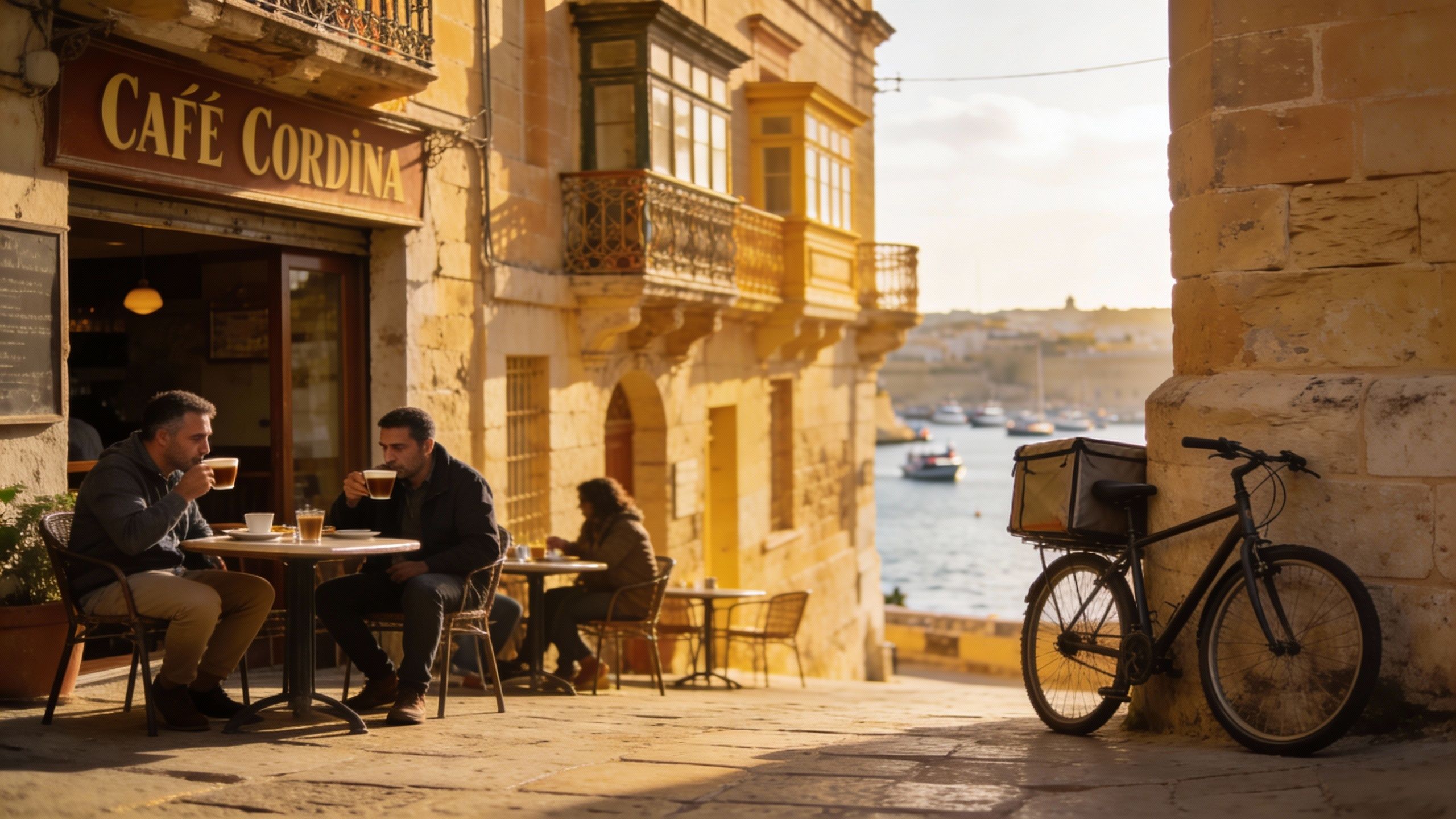
Imagine stepping off a Gozo ferry into a honey‑stone alley, espresso steam in the air and fishermen mending nets by the harbour — that compact, lived‑in Mediterranean rhythm is Malta. For international buyers the attraction is immediate: English is an official language, the sea is never far, and neighbourhoods from Valletta to Marsaskala pulse with different, walkable lifestyles. But romance and returns rarely align automatically. Recent National Statistics Office figures show residential prices rising — a practical reality that reshapes where yields live. (See NSO RPPI Q1/2025.)
Living the Malta life — small geography, big variety

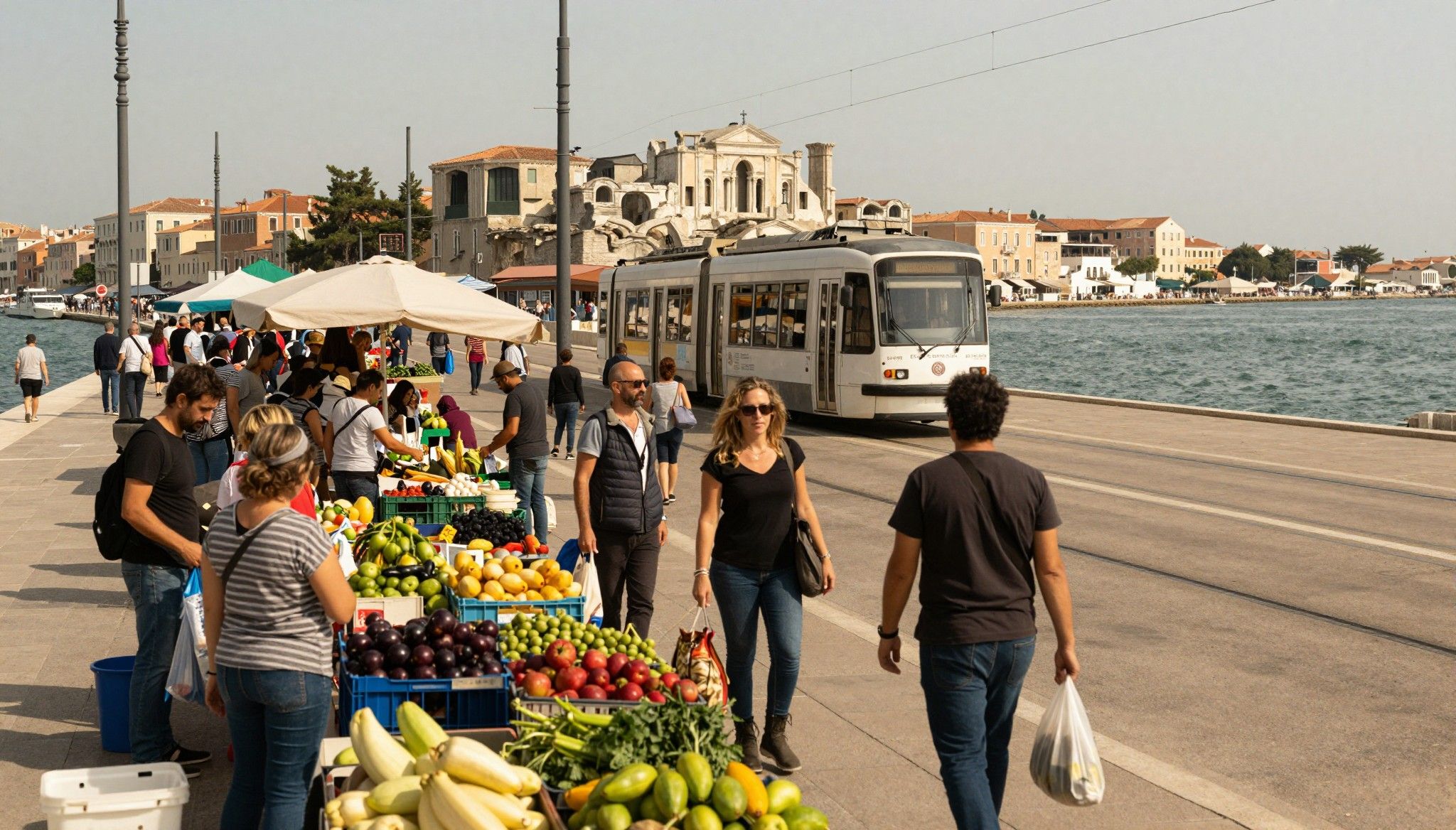
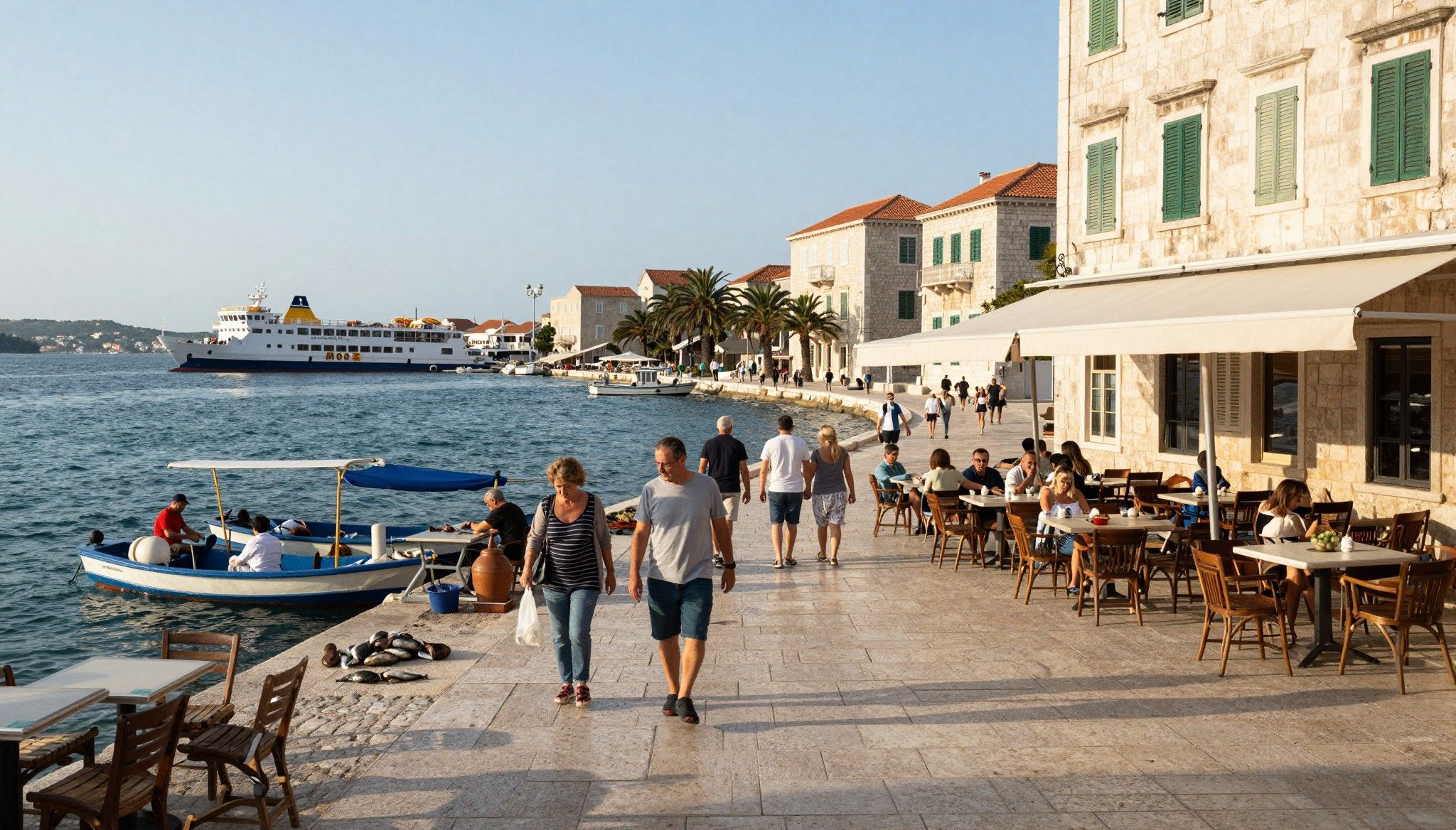
Malta is compact (the main island is 27 km long) so daily life feels remarkably immediate: morning markets in Naxxar, a mid‑afternoon walk along Sliema’s promenade, aperitivos at Spinola Bay in St Julian’s. Streets are narrow, cafés spill onto sidewalks, and the built fabric mixes baroque Vallettan terraces with mid‑century maisonettes and modern seafront apartments. That density shapes demand — towns with transport, schools and supermarkets outperform isolated luxury listings for long‑term rental stability.
Valletta & Three Cities: history as daily backdrop
Picture living two streets from Republic Street: morning bread at Caffe Cordina, concerts in the Manoel Theatre, and limestone façades that never go out of style. Valletta attracts professionals and short‑stay visitors; rentals here command premiums in high season but suffer more vacancy outside it. The Three Cities (Vittoriosa, Senglea, Cospicua) offer larger townhouses and a quieter cadence — better for family rentals and longer lets where yield volatility is lower.
Sliema, St Julian’s & Swieqi: the expat heartbeat
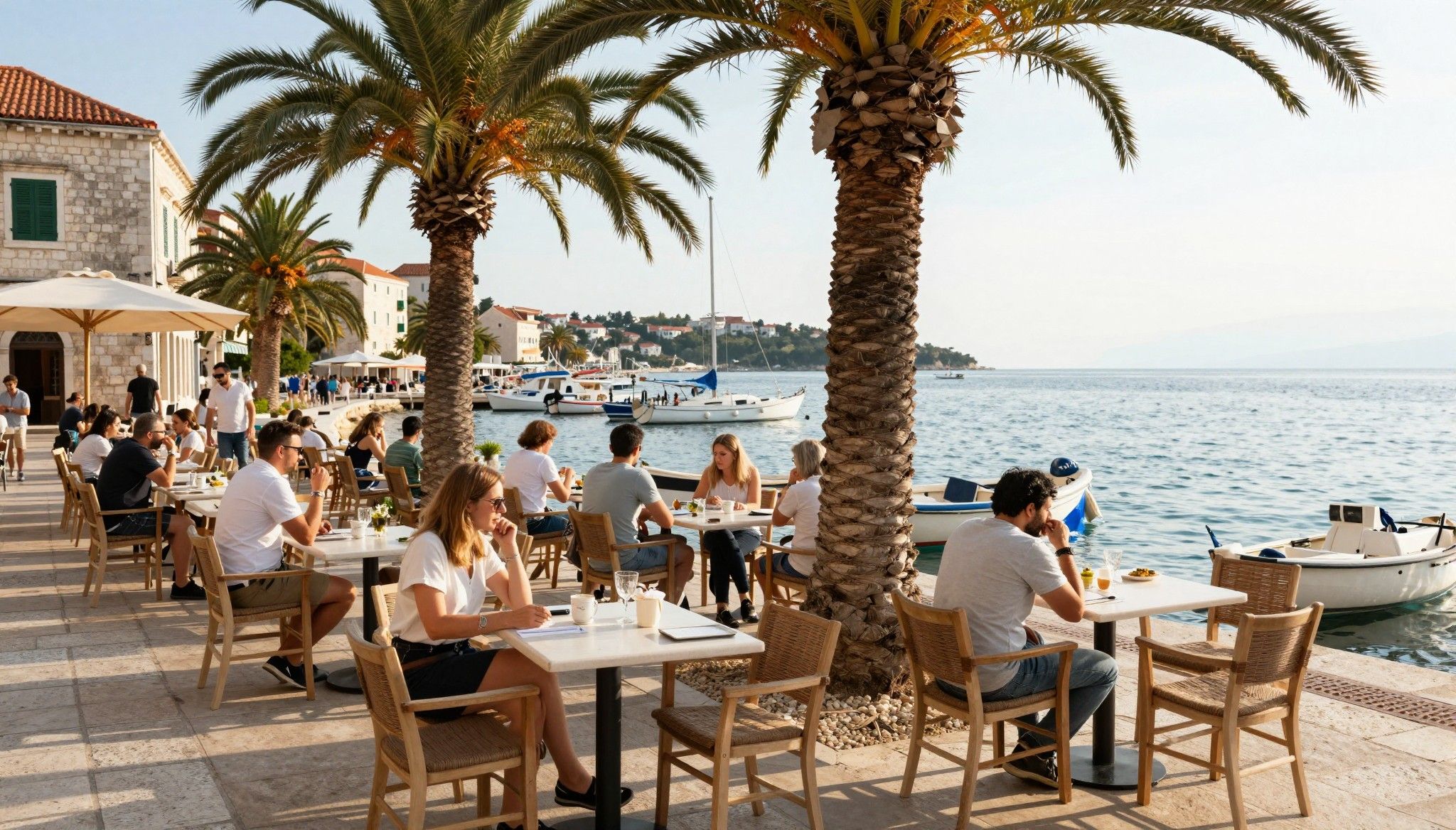
Sliema’s seafront promenades and St Julian’s nightlife make them magnets for short‑term demand and young professionals. Swieqi offers quieter residential streets and international schools. These areas trade higher headline rents for greater seasonality and regulatory scrutiny around short‑lets — factors that compress net yields unless underwritten carefully.
- Lifestyle highlights to test when you visit (specific places to smell, taste, hear the market): • Caffe Cordina (Valletta) — coffee footfall and rental foot traffic signals. • Spinola Bay (St Julian’s) — waterfront appeal and short‑let clustering. • Sliema Ferries promenade — transport-linked lettings. • Marsaxlokk fish market (Sunday) — local culture and slower‑market property types. • Għajn Tuffieħa and Golden Bay — coastal homes with seasonal demand.
Making the move: lifestyle meets the market
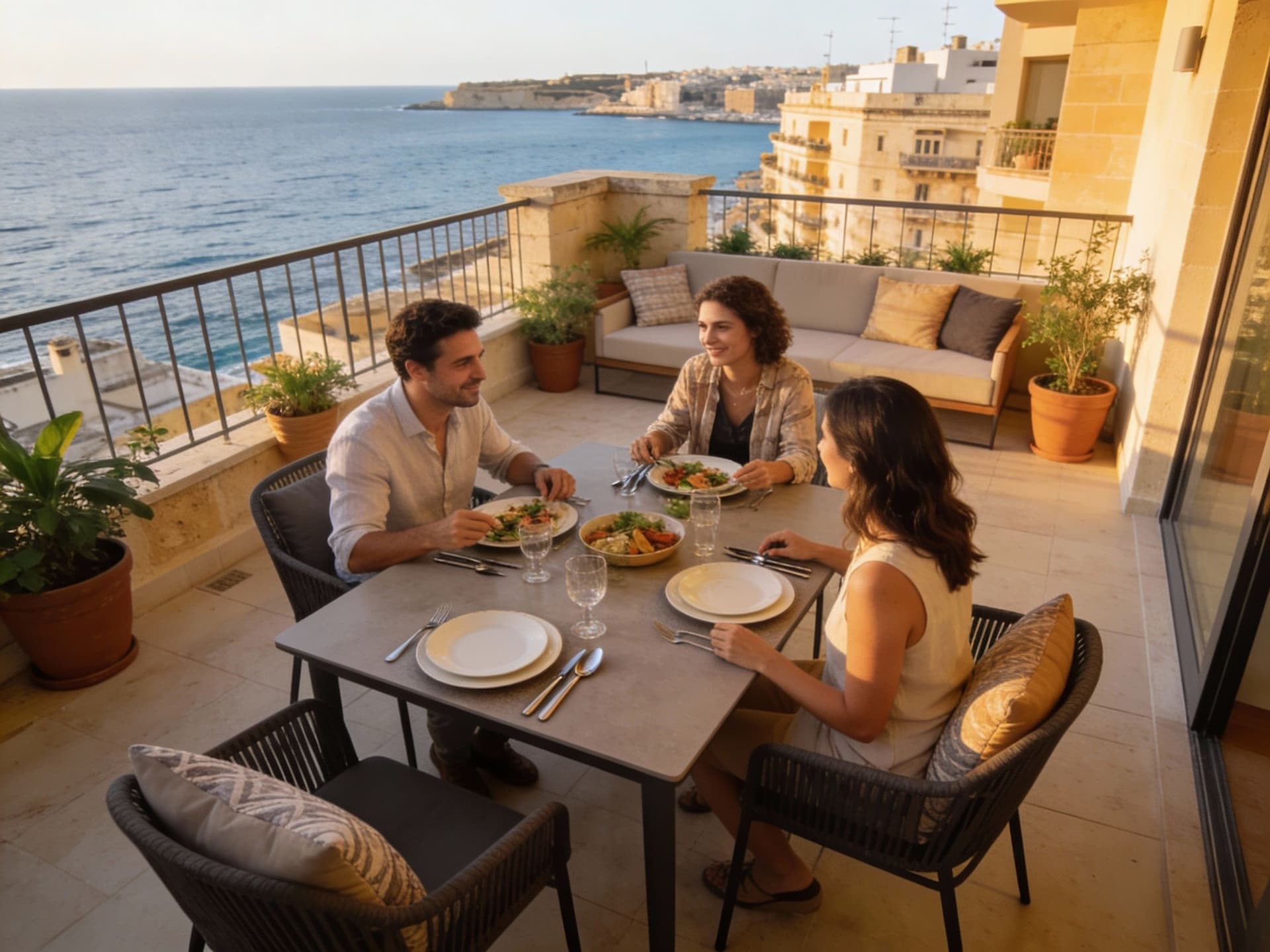
Your dream neighbourhood will expose practical trade‑offs: high visibility areas deliver narrative value but attract more regulation and tourist churn. National price indices show steady upward pressure — translating to capital risk if you buy at peak. At the same time, government moves to rein in short‑lets and cap hotel growth mean that areas previously dominated by holiday lets could see longer‑term rental supply strengthen — a potential yield stabiliser for well‑timed buyers. (See Times of Malta short‑lets reform.)
Property styles — what matches the life you want
Three core product types dominate buyer demand: historic townhouses (Valletta, Three Cities), modern seafront apartments (Sliema, St Julian’s), and village maisonettes (Marsaskala, Rabat). Townhouses offer capital appreciation potential and premium long‑lets but need renovation budgets; apartments are turnkey but compete with short‑lets; maisonettes balance cost and tenant appeal. Short‑let licensing is treated as a business activity and has tax/VAT consequences — factor licensing and operating costs into net yield forecasts. (Practical steps and licensing detail: Equitas.)
How local experts actually add yield value
- Steps an experienced Malta agency or legal adviser will run through: 1. Local comparables review — price per sqm, and recent RPPI movements by quarter. 2. Short‑let vs long‑let underwriting — include licence, VAT, ECO tax and occupancy caps. 3. Title and planning checks — confirm conversion rights and permitted uses. 4. Costed renovation and energy retrofit plan — limestone properties often need damp mitigation. 5. Tenant profile and management plan — match furnishings, contract length and service offering to target yield.
Insider knowledge: what expats wish they’d known
A common expat story: you buy a flashy Sliema apartment for headline rent, only to discover seasonal vacancy and neighbours hostile to short‑lets. The practical fallout is time‑consuming disputes, ledger adjustments, and lower effective yield. The contrarian move many successful buyers make is to prioritise proven long‑stay demand corridors — near hospitals, universities and business parks — rather than the busiest tourist strip.
Cultural integration and the daily economy
English is widely used, but social life revolves around local clubs, parish fêtes and band marches — integrating here means attending local events and learning a few Maltese phrases. That social capital pays off: better tenant referrals, quicker lease renewals, and clearer dispute resolution. Practicalities like water pressure, condominium rules and mandatory waste days influence refurbishment choices and management costs more than cosmetic finishes.
Long‑term lifestyle and investment horizon
- Practical checklist to assess long‑term sustainability: 1. Compare RPPI growth (5%–6% annual recent moves) with local rental growth — if rents lag price inflation, cap rates compress. 2. Stress‑test yields with stricter short‑let rules and a 3‑month cooling period when applicable. 3. Budget for 5–10% annual operating costs (management, maintenance, utilities) when modelling net yield. 4. Plan exit scenarios: resale liquidity concentrates in Valletta, Sliema and St Julian’s, while Gozo and village markets are deeper for buyers seeking longer holds. (See NSO RPPI Q4/2024.)
Conclusion — fall for Malta, but underwrite the life you want. The islands sell a compact Mediterranean routine: working cafés, limestone streets, and seawater in your life. For investors that means buying where lifestyle demand aligns with durable income drivers — proximity to transport, schools, hospitals and the right licence profile. Work with advisers who translate Valletta’s charm into cashflow, and treat short‑lets as regulated businesses, not freebies. Visit neighbourhoods at different times of year, model yields conservatively, and let local expertise convert affection into repeatable returns.
Dutch investment strategist who built a practice assisting 200+ Dutch clients find Spanish assets, with emphasis on cap rates and due diligence.