When a Sea View Cuts Your Yield in Greece
Why a headline Greek sea view can lower your net yield: contrast lifestyle premiums with occupancy, policy shifts, and real €/m² realities.

Imagine sipping a late-morning espresso on a narrow street in Koukaki, Athens, while delivery scooters weave past neo-classical facades and a neighbourhood bakery fills the air with the scent of fresh spanakopita. That everyday scene is the entry point to a bigger truth: in Greece, lifestyle premiums — sea views, island proximity, historic addresses — trade heavily against yield. This piece argues a contrarian, data‑backed point: a headline sea view often reduces long‑term net yields more than it increases capital upside. We'll show where the premium makes sense, where it doesn't, and how to match lifestyle choices to disciplined investment metrics.
Living the Greece lifestyle

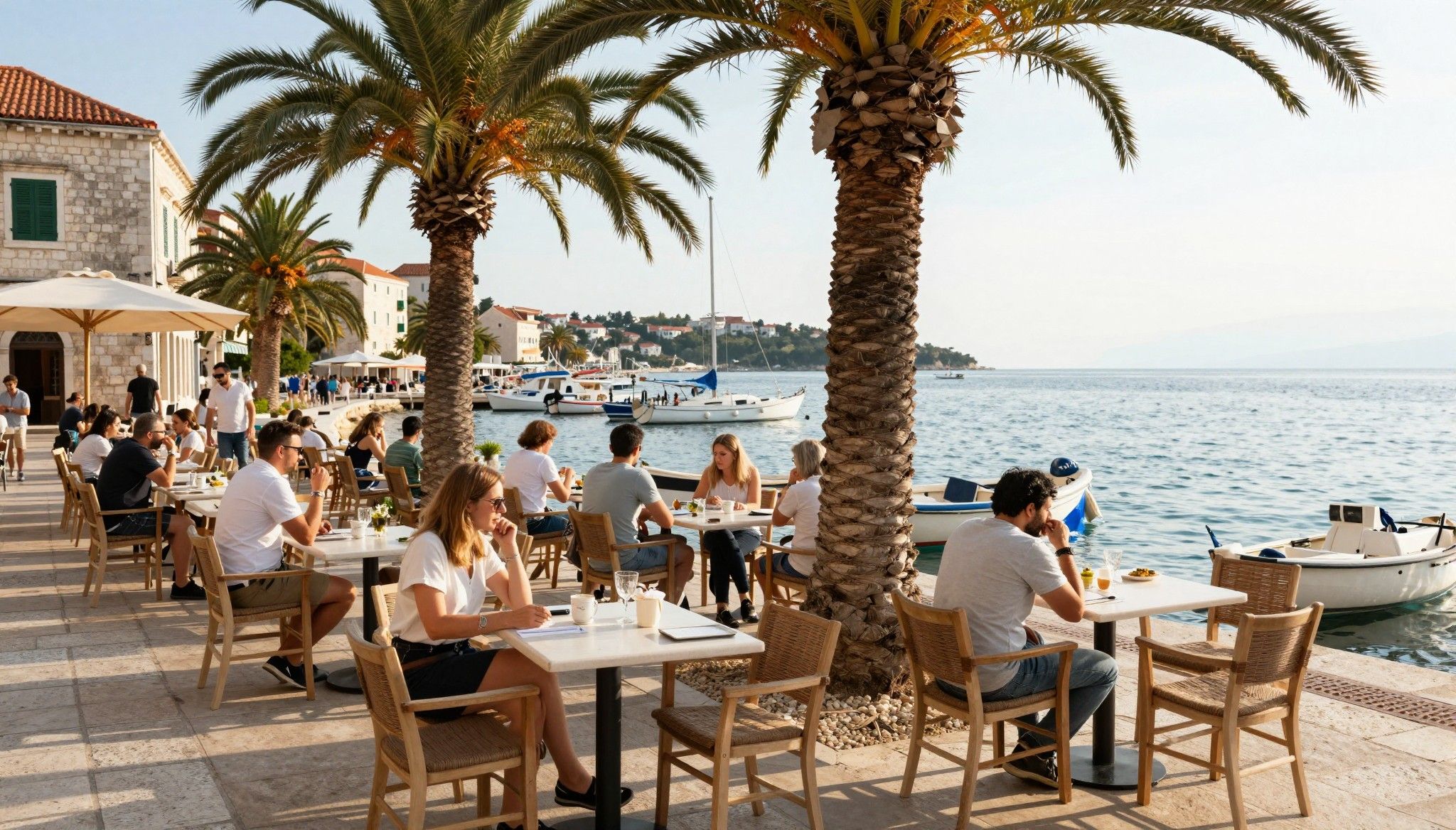
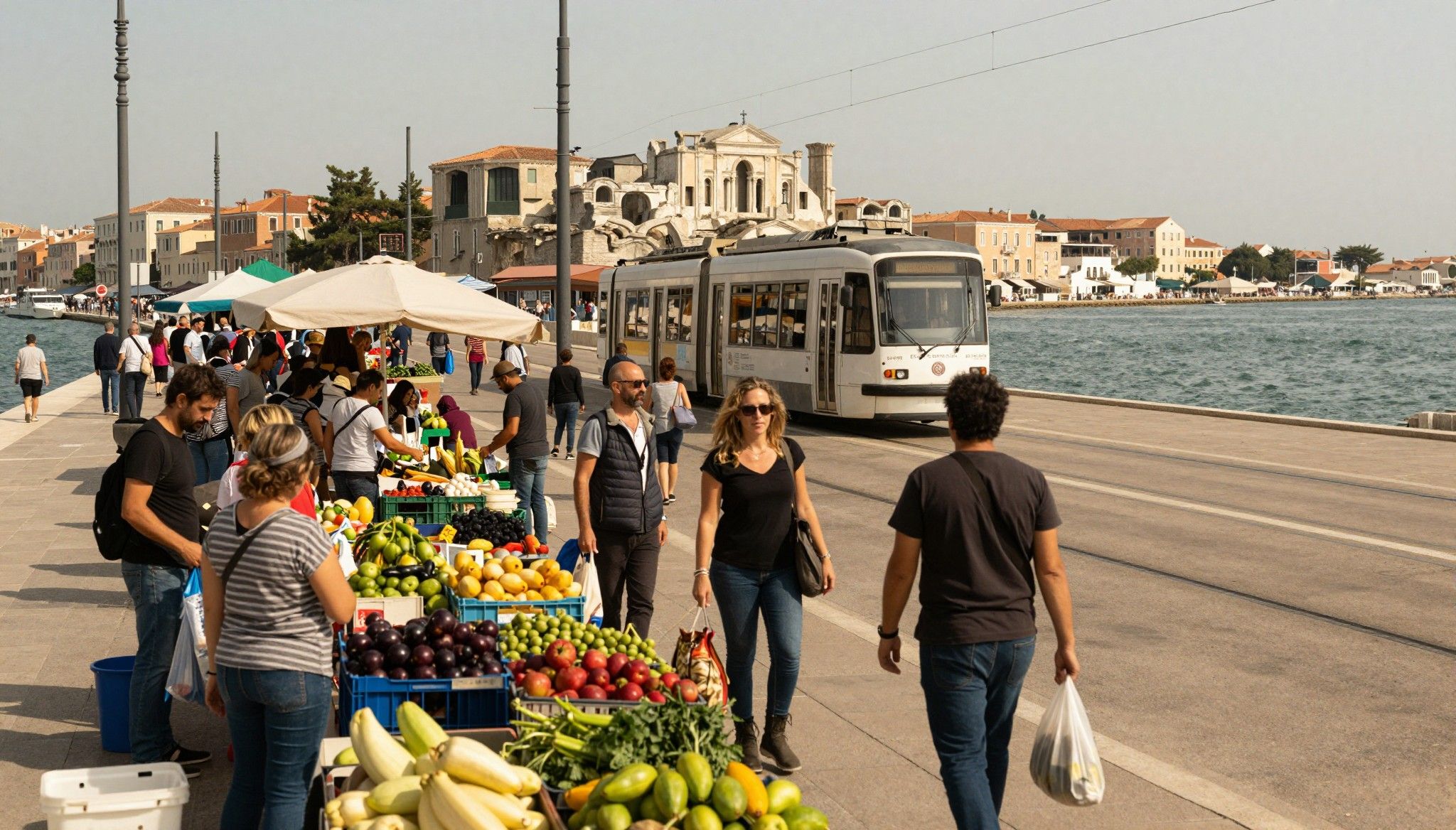
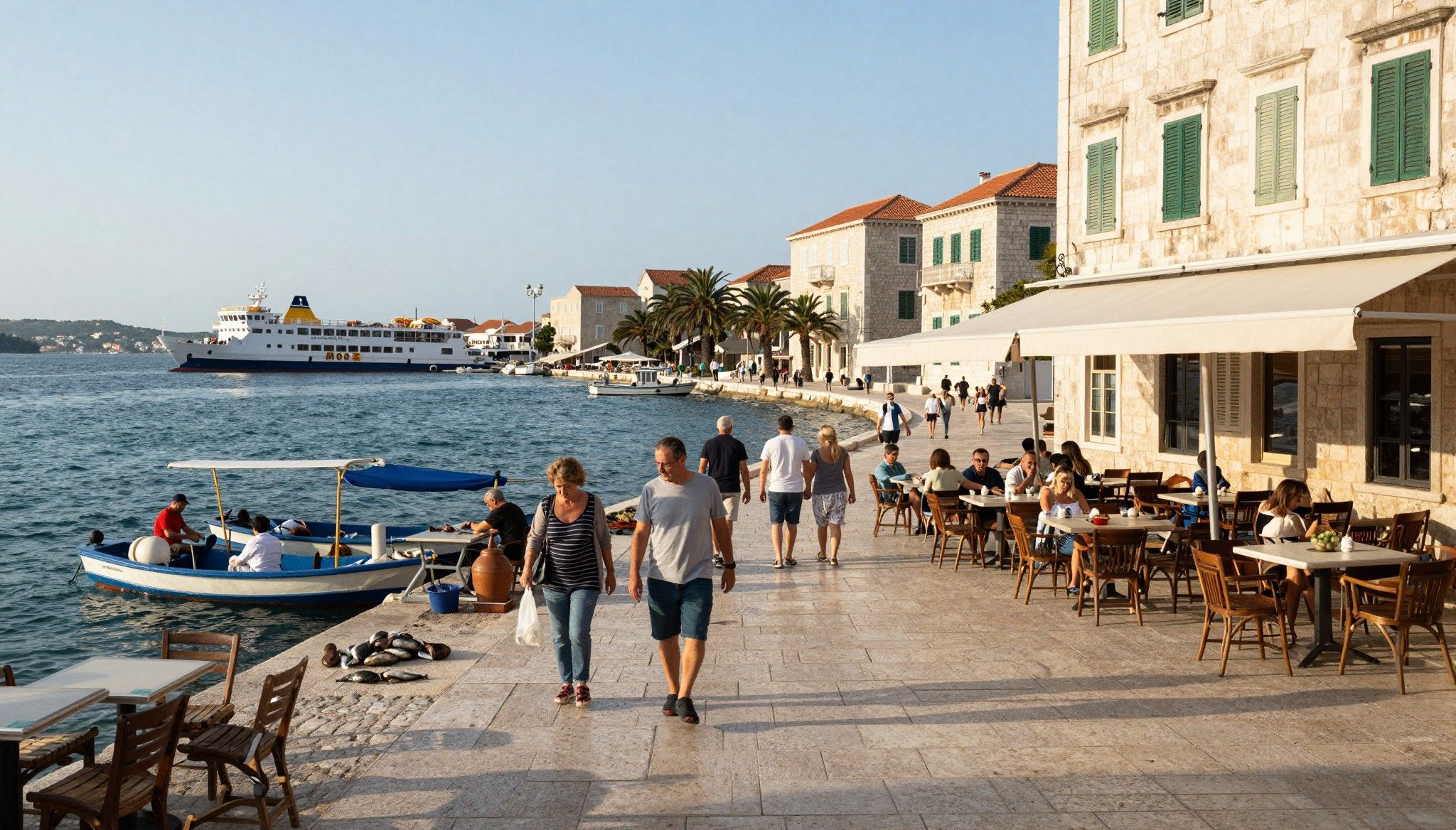
Greece lives in rhythms: brisk weekday markets, long café conversations, and a tourist crescendo in July and August. Cities like Athens and Thessaloniki hum year‑round with students, professionals and short‑let demand, while islands such as Mykonos and Santorini pulse seasonally with very high nightly rates but short occupancy windows. For buyers who want both life and return, understanding how daily life maps to rental demand is essential — lifestyle appeal is not the same as reliable cashflow.
Athenian neighbourhood spots: Koukaki and Plaka
Koukaki (below the Acropolis) and Plaka offer walkable streets, cluster of tavernas, and steady year‑round short‑term demand from cultural tourists and city visitors. Properties under 80–100 sqm in these pockets convert easily to furnished rentals for professionals and tourists outside peak months. Expect higher per‑square‑metre entry prices in central Athens, but also steadier occupancy compared with small islands, making them attractive to investors seeking blended lifestyle use and balanced rental income.
Island life: the Mykonos-Santorini tradeoff
Mykonos and Santorini sell an aspirational life — caldera views, cliffside terraces and headline nightly rates. But those markets are highly seasonal, subject to environmental limits and recent regulatory tightening, and they carry steep purchase prices (often multiples above mainland €/m²). For many buyers the lifestyle dream comes at the cost of lower annualised yields once occupancy and management costs are factored in.
Lifestyle highlights worth mapping to investment goals:
Koukaki (Athens): year‑round demand from cultural and business travellers.
Santorini & Mykonos: peak nightly rates but constrained seasonality and environmental regulation.
Athens centre vs mainland islands: price per sqm varies—mainland averages near €2,500–4,500/m², islands often double or triple that in prime spots.
Making the move: practical considerations
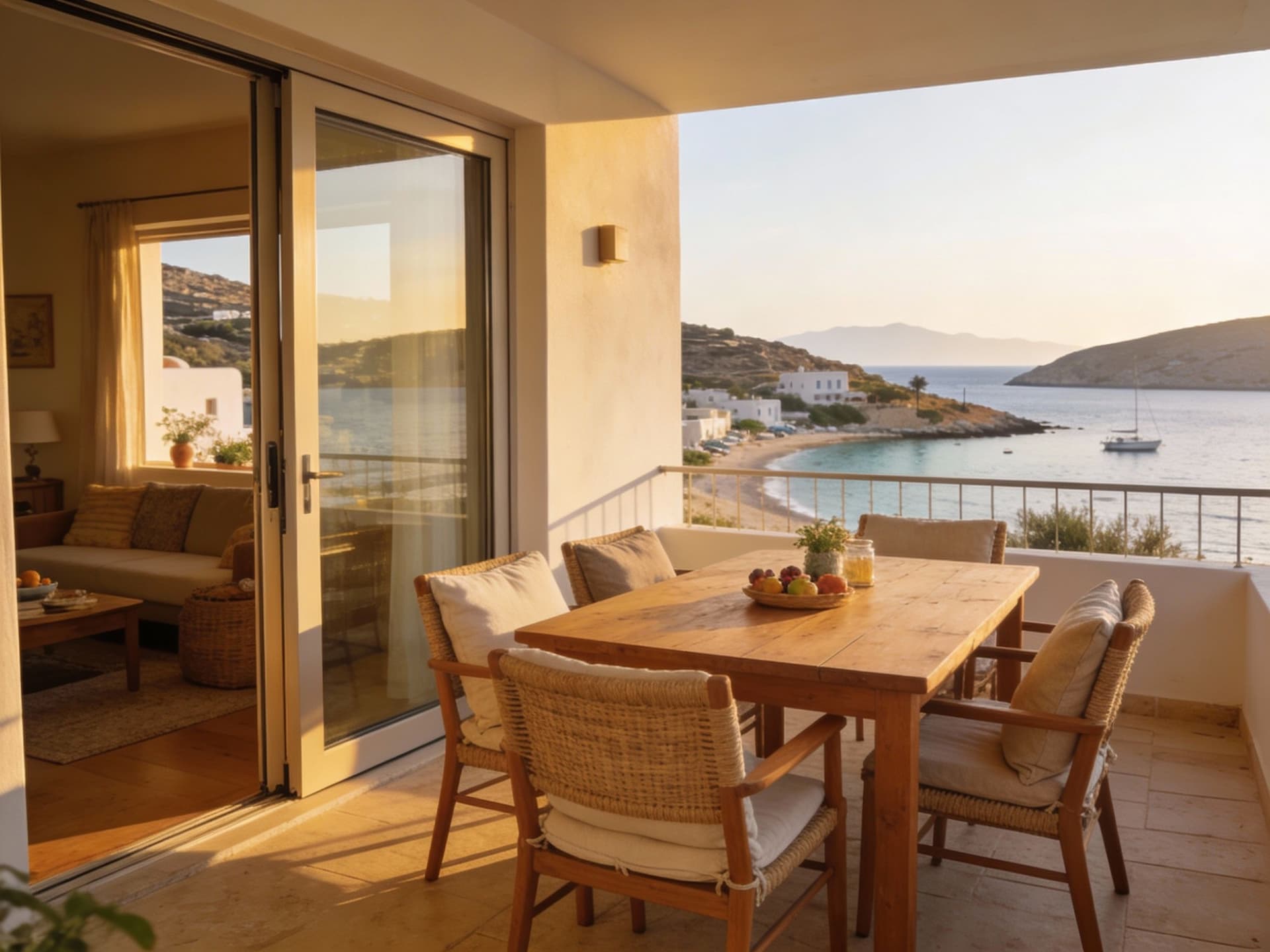
Translating a lifestyle choice into a sound investment requires three parallel checks: market seasonality, local regulation, and net yield maths. Tourism in Greece reached record levels recently — final 2024 figures exceeded 35–40 million visitors depending on measure — which affects demand but also increases volatility in headline markets. You need a local yield forecast, costed operating model and a renovation plan that targets rental‑ready demand segments.
Policy pivot: how visa rules and short‑let restrictions change the math
Law changes since 2023–24 raised investment thresholds for some residency routes and added constraints on short‑term leasing in certain property classes. That reduces arbitrage for buyers who purchased primarily for visa access or unrestricted short lets. Always check the latest legal position before pricing yield: policy shifts can reduce effective occupancy or require reclassification of units, impacting net returns.
Property styles and yield expectations
1. City apartments (Athens, Thessaloniki): lower entry €/m² than islands, steadier long‑let demand; sensible for blended yield and lifestyle. 2. Small island villas: high headline rents in summer but higher vacancy and maintenance; expect lower annualised yield unless priced with seasonality in mind. 3. Renovation projects in secondary islands or mainland towns: higher capex but potential for 6–8% gross yields if management and occupancy are optimised.
Insider knowledge: what expats wish they'd known
Expats commonly overpay for view and under‑cost operations. Management fees, seasonal cleaning, and island logistics can erode 10–25% of gross revenue — numbers that are frequently overlooked in listing prices. Local networks, from experienced property managers to construction teams, materially affect net yield and tenant experience. Spend time with an agency that documents operating costs and provides past occupancy schedules for comparable assets.
Cultural & community integration
Greek social life centres on squares, bakeries, and seasonal festivals; mastering a few phrases and attending local markets accelerates integration. Neighbourhoods with strong year‑round communities (e.g., Kifissia in Athens, Ano Poli in Thessaloniki) offer a quality of life that supports long‑let demand and stability — useful if you plan hybrid use of a property.
Steps to reconcile lifestyle and yield before you buy:
1. Build a 12‑month cashflow model that includes management, utilities, taxes and repositioning capex. 2. Compare €/m² price vs realistic occupancy: a 70% realistic occupancy in an island market may underperform a 90% urban long‑let result even with lower nightly rates. 3. Validate with local agencies for recent comparable occupancy and management contracts. 4. Stress‑test for regulatory change: run a scenario where short‑let revenue drops 30% and measure IRR impact.
Common red flags to watch for in Greek listings:
Unclear title history or missing T.M./O.A. (town planning) certificates.
Listings that promise ‘guaranteed occupancy’ without a signed management agreement.
Price per sqm significantly above regional averages without documented upgrades or income evidence.
Conclusion: love the life, but buy the numbers. Choose a property that matches how you actually plan to live there — weekend escapes, year‑round residency, or an income asset — and then align price, expected occupancy and operating costs to that use case. Work with a local agency that supplies verifiable occupancy histories and transparent cost schedules. If you prioritise steady yield, Athens and regional mainland towns generally outscore headline island glamour; if lifestyle premium is the objective, price it as such and accept lower annualised yield.
Dutch investment strategist who built a practice assisting 200+ Dutch clients find Spanish assets, with emphasis on cap rates and due diligence.