When France’s Tourist Glow Lowers Your Net Yield
France’s lifestyle allure masks varied investment realities—seasonal coastal premiums, tightening short‑stay rules and inland yield pockets. Visit off‑season and model net yields before you buy.

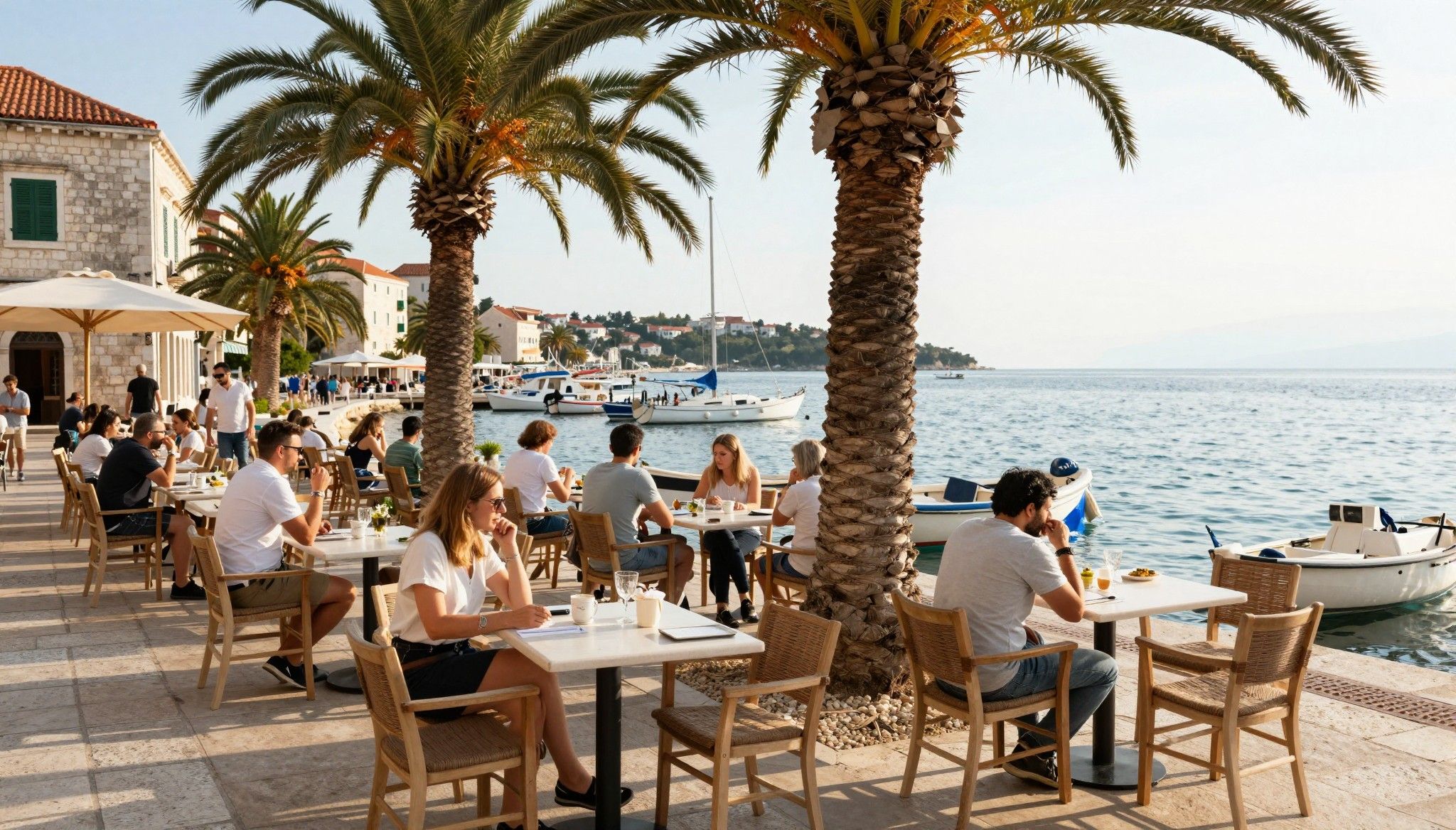
Imagine stepping out at 09:00 to buy bread at Marché des Enfants Rouges, then sitting with a café au lait while the neighbourhood wakes up. In France that scene masks a market of distinct rhythms: global capital in Paris, seasonal demand on the Riviera, steady rental funnels in university towns. The glossy postcards—sunlit terraces, seaside promenades—are real, but they can mislead investors about long‑term yield, occupier risk and regulatory pressure. Recent market analysis shows pockets of value that contradict the country’s “all expensive” reputation, and knowing where to look changes the investment equation.
Living the France life — sensory, routine, neighbourhood

France is a patchwork of daily rhythms. In Paris, mornings mean boulangeries and metro commutes; in Bordeaux, afternoons stretch into lengthy wine‑laden dinners; on the Côte d’Azur, seasons dictate footfall and service‑sector tenancy. These patterns matter for property: a lively market square supports short leases and hospitality demand, while a quiet administrative town leans toward long‑term tenancy and predictability. Understand where life happens and you understand the type of tenant and yield you should expect.
Neighbourhood pulse: Paris, Bordeaux, Lyon, Nice, Montpellier
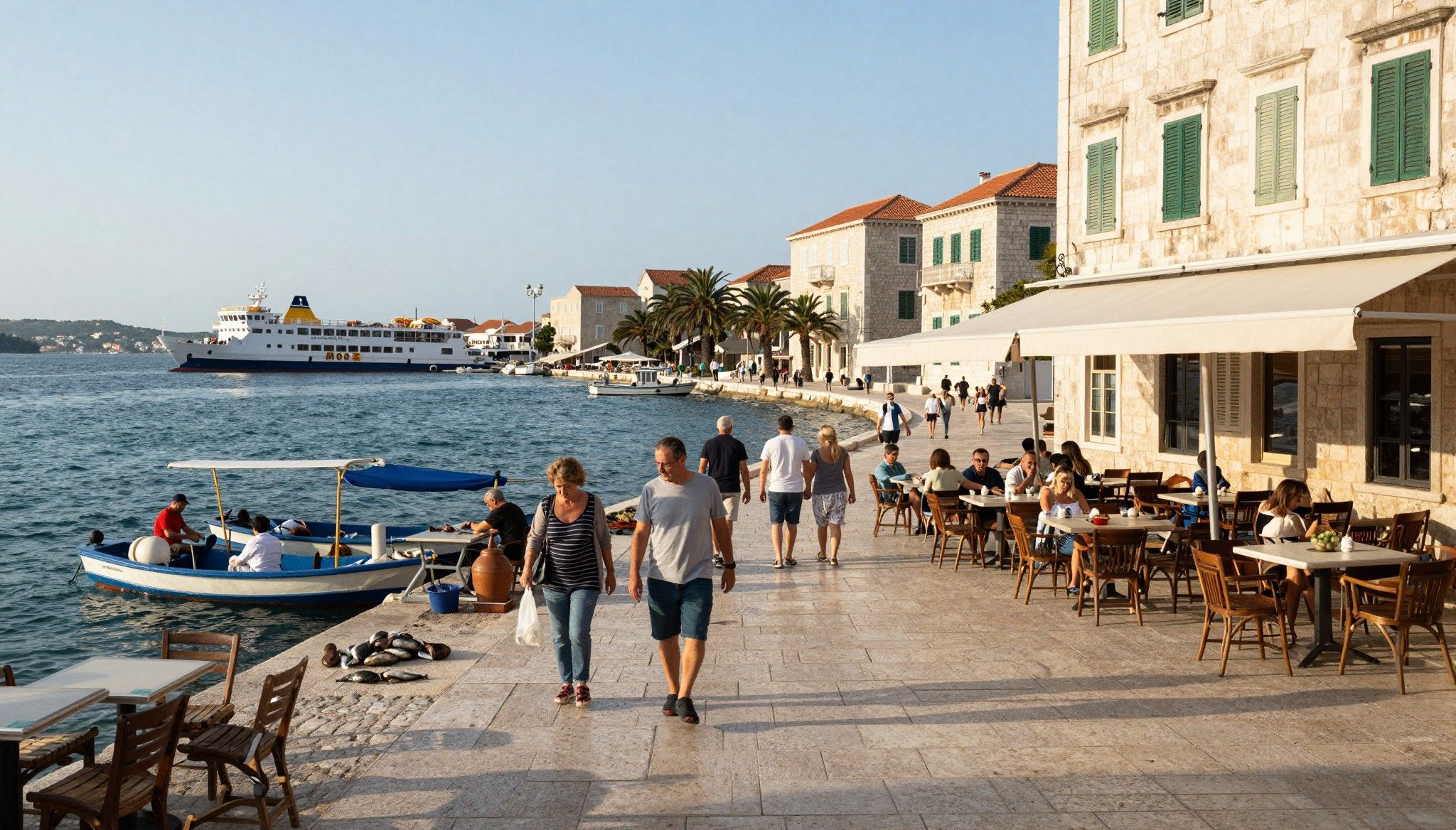
Paris remains concentration‑heavy: prime arrondissements (6th, 7th, 16th) trade as wealth stores rather than yield engines, while outer arrondissements and pockets like the 18th show comparatively higher gross yields. Bordeaux’s Chartrons blends tourism with long‑term professionals, producing steadier occupancy outside peak months. Lyon’s Croix‑Rousse and Presqu’île host students and corporates, giving mixed short‑ and mid‑term demand. On the Riviera, Nice Old Town and Antibes spike in summer and flatten in winter, tilting the economics for owners relying on seasonal rentals.
Food, markets and routine life—how they shape demand
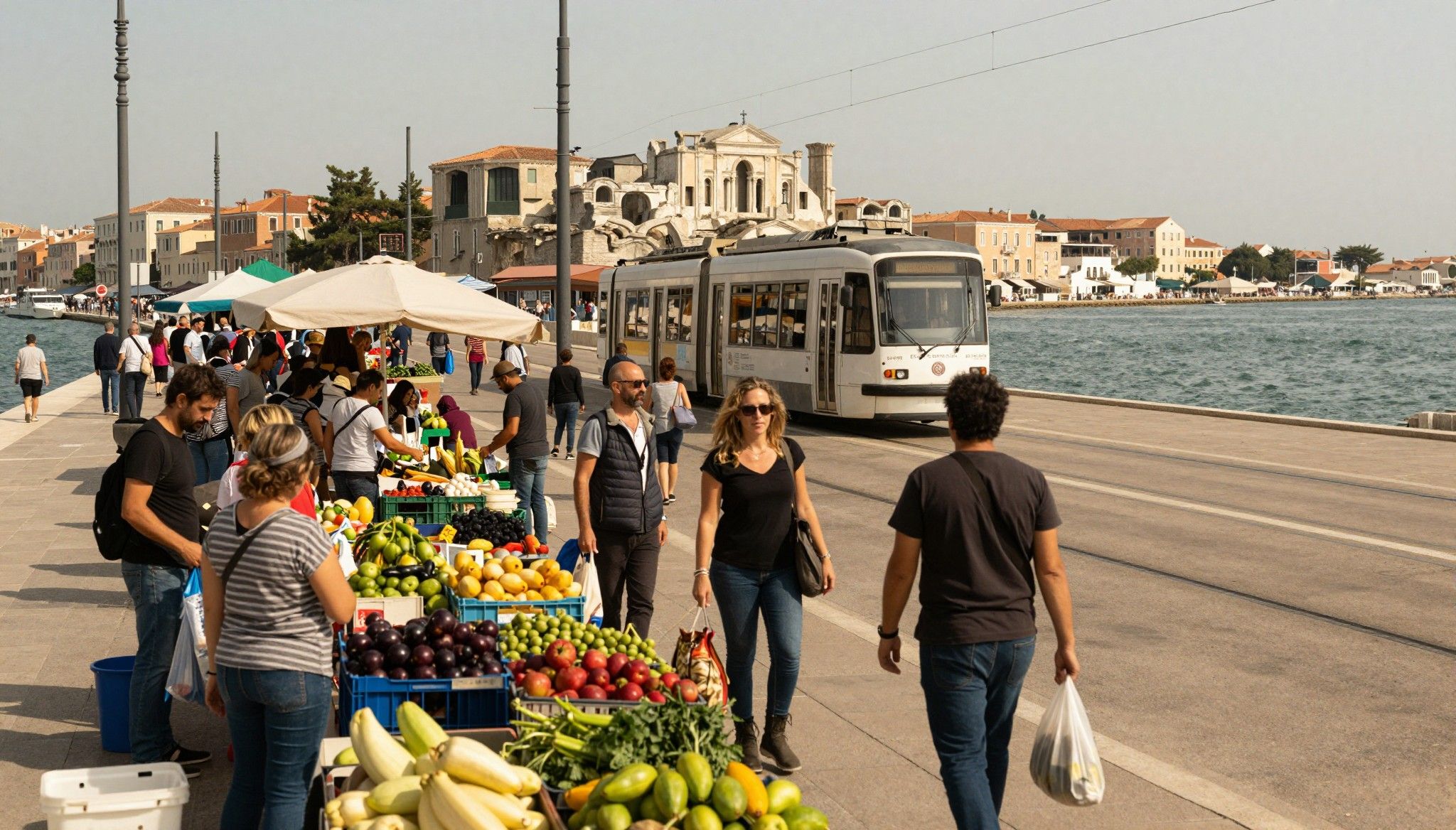
Local markets—Rue Mouffetard in Paris, Cours Victor Hugo in Lyon, Marché des Capucins in Bordeaux—arenas of daily life that attract long‑term tenants who value walkability and weekly shopping. Café culture produces micro‑neighbourhoods where small apartments rent quickly to young professionals and creatives. For investors this translates into property types: studios and one‑beds near markets and transit, larger apartments near schools and parks. Lifestyle amenities therefore map directly to rental turnover, acceptable marketing strategies, and renovation priorities.
Indicators that signal neighbourhood strength: reliable tram/metro links; weekly market footfall; university or hospital nearby; mix of small retailers; low vacancy on long‑term listings.
Making the move: practical realities that shape returns

Translate lifestyle into numbers before committing. Average gross yields across France vary by city and micro‑location; broad sources place national gross yields in the mid‑4% range while inner‑city pockets can fall below 3.5% and peripheral districts rise above 5%. Demographic trends—slow natural growth but positive net migration—are redistributing demand toward small cities and peri‑urban towns, improving prospects for mid‑price family homes outside bigger metros. Use yield estimates, price per square metre and expected occupancy seasonality together, not in isolation.
Property styles and the lifestyle they enable
Haussmannian apartments in Paris sell heritage and location but demand high maintenance budgets and produce modest rental yields; renovated 1930s apartments in Lyon and Nantes balance character with better yield prospects. Villas on the Riviera offer capital appreciation and seasonal premium rents but suffer extended low‑occupancy months. New builds near transport nodes (TGV stations, tram hubs) offer energy efficiency and lower void risk—important given evolving energy rules. Match product type to intended tenant profile: students, executives, families or seasonal tourists.
Working with local experts who combine lifestyle sense with rigor
Local agents and lawyers must be more than salespeople in France—hire advisors who know municipal short‑stay rules, energy performance obligations and local practice. Recent national legislation tightens rules on furnished tourist accommodation and changes tax allowances, reducing casual short‑term letting profitability and increasing enforcement at city level. A good advisor anticipates registration, change‑of‑use and DPE (energy rating) requirements and translates the lifestyle brief—proximity to markets, terraces, light—into a defensible financial case.
Checklist: blend lifestyle and finance when assessing a French property 1) Estimate net yield: use realistic rents after agency fees, vacancy and local taxes. 2) Check local STR rules and DPE energy rating before assuming seasonal premium. 3) Confirm transport links and nearby employment centres for stable long‑term demand. 4) Budget for renovation to meet tenant expectations and legal energy thresholds. 5) Validate tax treatment of furnished vs long‑term letting with a French tax adviser.
Insider knowledge: what expats wish they’d known
Expats often romanticise spring markets and Riviera summers—and underprice winter carrying costs, local administrative friction and stricter rental rules. The reality: municipal enforcement is intensifying, energy regulations are phasing out low‑rated rentals, and seasonal markets can flip cashflow models if you rely on short‑stay income. On the positive side, intra‑French migration toward smaller cities has created durable demand for family homes and renovated apartments, yielding steadier cashflow than headline coastal returns.
Cultural quirks that change where you buy
The French attachment to long‑term leases, strong tenant protections and neighbourhood committees can slow turnaround but increase tenancy stability. Communal building rules (copropriété) frequently restrict short‑term letting and renovations—check copro procès‑verbaux for ongoing disputes and reserve funds to avoid surprise bills. Learning basic French expedites bureaucracy and uncovers off‑market opportunities through local networks; many valuable listings never reach international portals.
Longer‑term lifestyle + investment considerations
Consider life stage and exit strategy: are you building a retirement base, a rental income stream, or a capital growth play? Smaller regional cities often offer better yield diversification and lower entry prices; Paris and the Riviera remain capital preservation plays with differentiated liquidity. Plan for energy upgrades and local compliance over a 5–10 year horizon—these are now determinative of rental eligibility and resale competitiveness.
France offers vivid daily life and structurally different investment paths: preserve capital in Paris, chase seasonal premium on the Riviera with regulatory caution, or target mid‑size inland cities for balanced yield and occupancy. Start with neighbourhood walks, local market checks and a short validation trip off‑season to feel demand beyond the brochure. Then assemble local advisors—estate agent, notaire, tax adviser—who can convert the lifestyle brief into a defensible financial model.
Practical next steps for international buyers: • Visit the area outside peak season to test true demand. • Request recent syndic (copro) minutes and DPE certificate before offer. • Model net yield with conservative occupancy and increased energy upgrade costs. • Confirm local STR rules and registration numbers if relying on short stays. • Engage a bilingual notaire and a locally rooted letting agent.
Conclusion: fall for the life, but buy with the ledger open. France’s scenes—markets, cafés, coasts—are real drivers of quality of life, and they shape tenant behaviour and returns. Blend sensory visits with disciplined yield analysis, heed evolving short‑stay and energy rules, and choose neighbourhoods where the lived experience matches your investment assumptions. Do that, and France can be both a place you love and an asset that performs.
British expat who moved to the Algarve in 2014. Specializes in portfolio-focused analysis, yields, and tax planning for UK buyers investing abroad.