How Greece’s Golden‑Visa Shock Repriced Neighbourhoods
Greece’s 2024–25 policy reset (Golden Visa thresholds, short‑let limits) reshaped neighbourhood economics — buy where yield and lifestyle align, not where headlines distract.
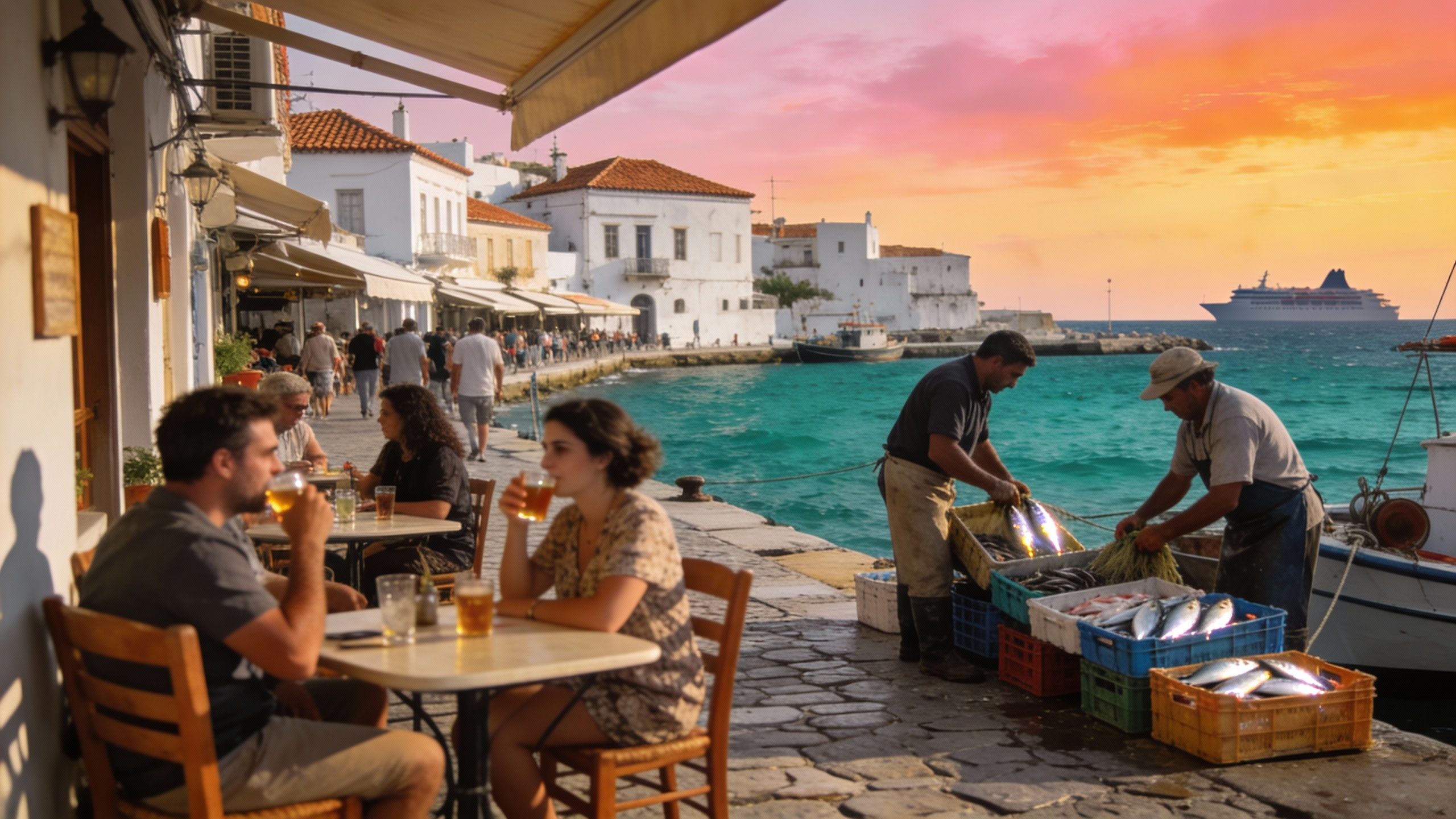
Imagine sipping strong espresso at Kafenio Avlemonas on a chilly Athens morning, then hopping a ferry to a quiet Naxos bay where fishermen mend nets and a taverna serves squid at dusk. Greece moves slowly in ways that matter: neighbourhood rhythms, late lunches, markets that set the weekly tempo. For buyers, that calm masks fast-moving regulatory shifts — changes that have already remapped price, yield and residency economics.
Living the Greece lifestyle — city mornings, island nights

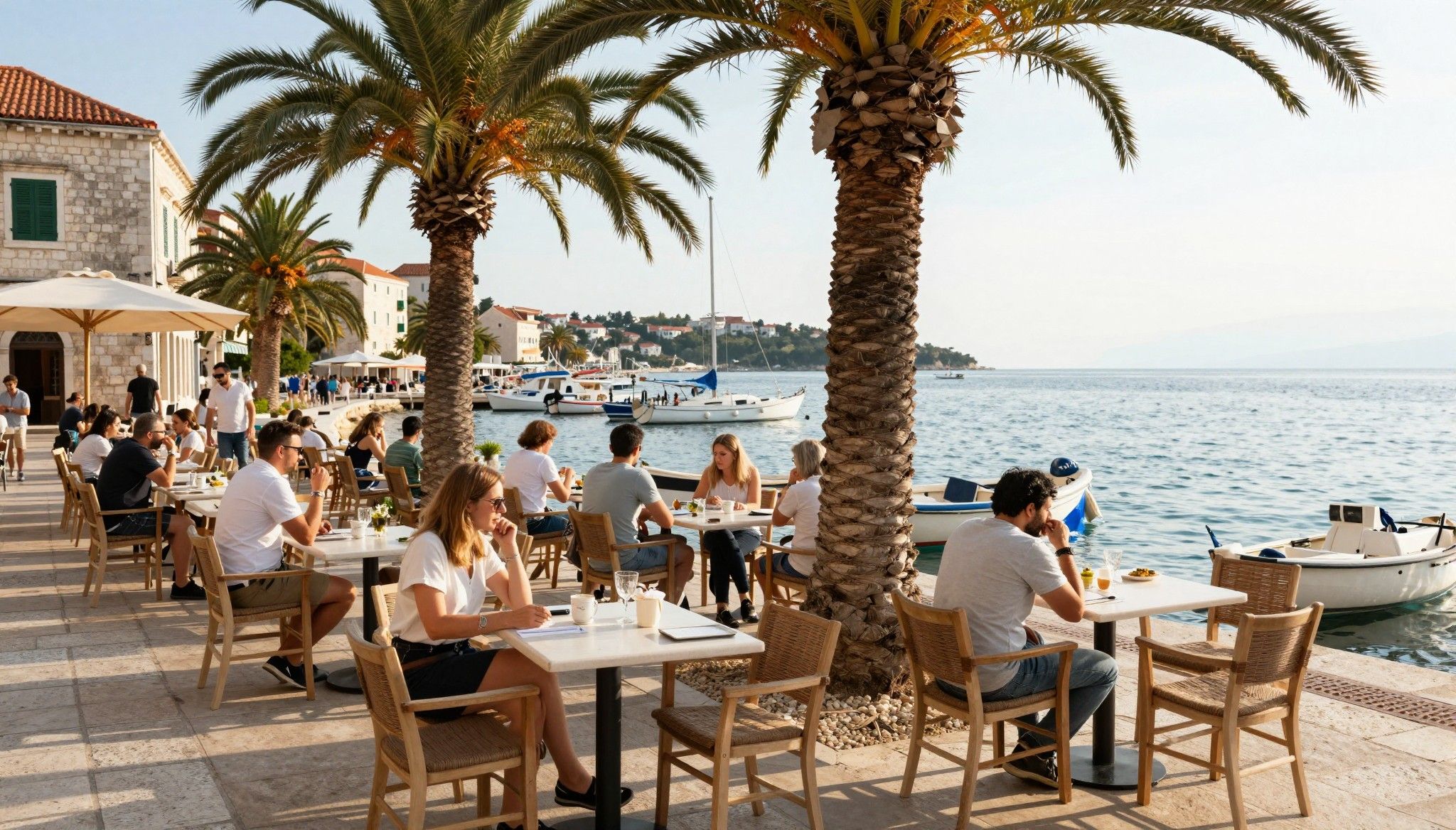
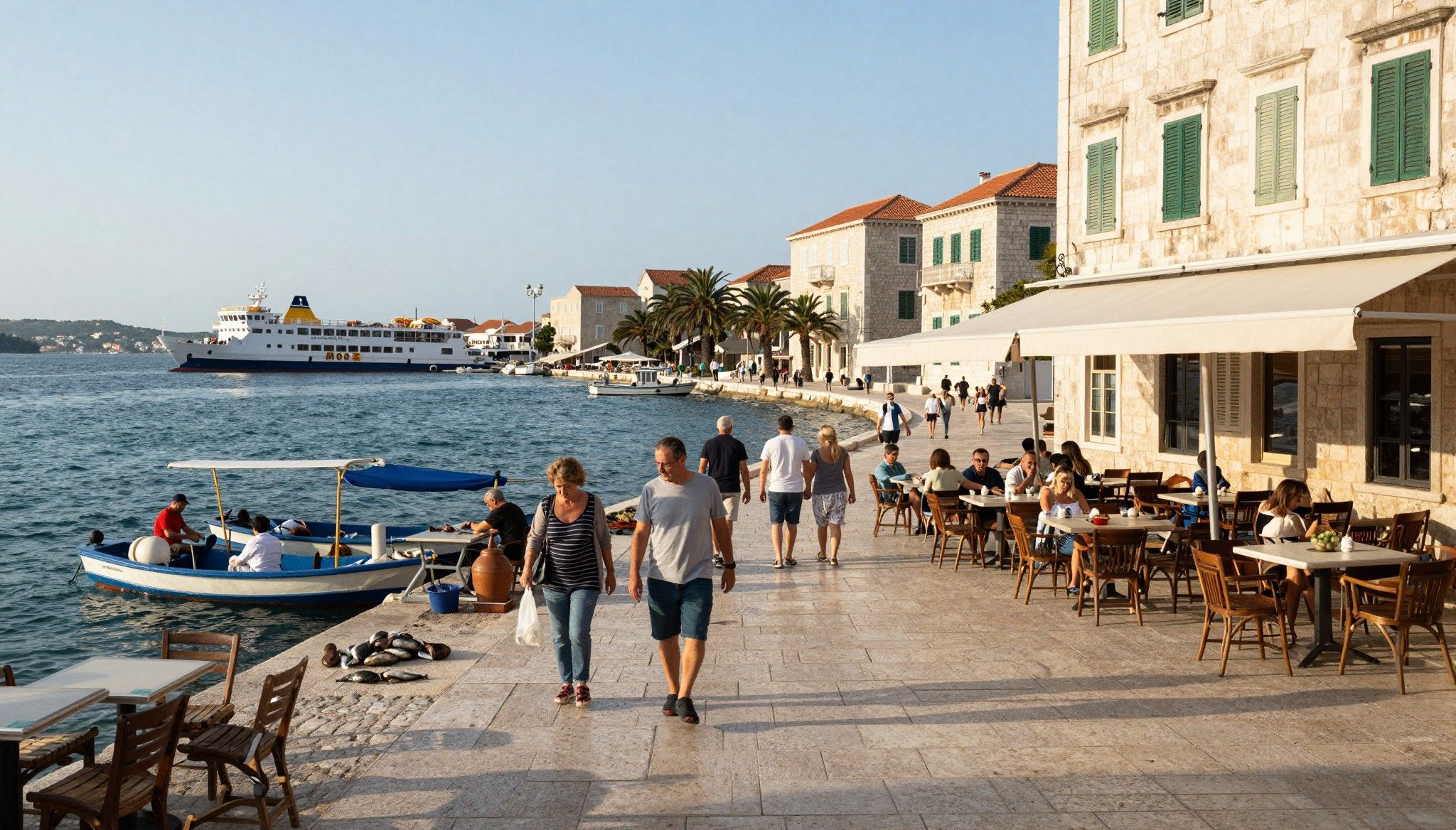
Athens neighbourhoods hum with café life and late-night plates; Plaka and Koukaki offer stone-paved walks and tourist footfall, while Kifisia trades that bustle for leafy, year-round residency. On the islands, the Cyclades split into two markets: Mykonos and Santorini — premium, seasonal and headline-grabbing — and quieter islands like Naxos and Syros where year-round communities create steadier rental demand. Price per square metre varies dramatically, from premium Athens pockets to affordable mainland towns, shaping yield expectations and management strategies.
Athens micro‑scenes: Koukaki vs. Glyfada
Koukaki gives you pedestrian streets, local bakeries and walking access to the Acropolis — ideal for short-term holiday letting but also attractive for compact long-term flats. Glyfada offers a different thesis: coastal suburbia with higher-quality long-term tenants, international schools and infrastructure that supports expatriate families. They feel like different countries within a city; pick the lifestyle, and the investment constraints follow.
Island life: headline islands vs. steady‑income islands
Mykonos and Santorini command high capital values and volatile seasonality; Naxos, Syros and parts of the Ionian islands show slower capital appreciation but better year-round occupancy. Recent data point to a 6%+ national price rise year‑on‑year in 2024, but the distribution is uneven — coastal hotspots outperform inland towns by a wide margin. That matters: your exit scenario and vacancy assumptions must be neighbourhood-specific.
- Kefi of everyday life: tangible local highlights
- Morning espresso at TAF in Exarchia; evenings at Varoulko in Piraeus for seafood
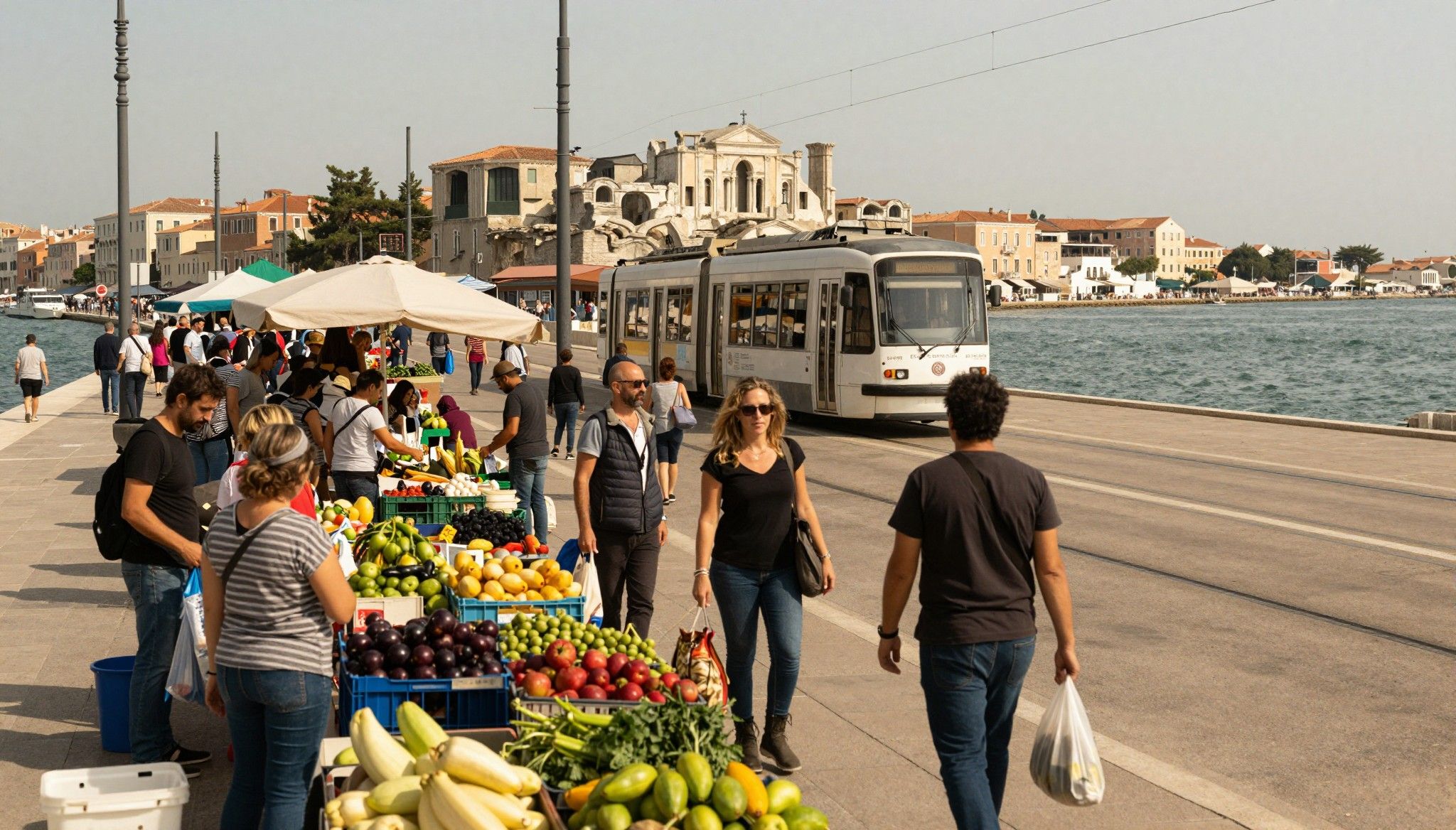
- Sunday farmers’ markets in Monastiraki and the Central Market on Athinas Street
- Ferries from Piraeus at dawn; island squares where locals play backgammon and shops close for siesta
Making the move: regulatory shocks that changed the equation

Two regulatory moves rewired buyer incentives: higher Golden Visa thresholds and stricter short‑let rules. The policy shift pushed headline demand away from €250k entry points into higher thresholds (now €800k in prime zones and €400k elsewhere for typical properties), and explicitly curtailed using Golden‑Visa properties for short-term rentals. Applications dropped sharply as a result — changing who buys, and where.
What the Golden‑Visa shock means on the ground
Short-term: a rush to secure pre‑change deals created pockets of overheated demand (especially in secondary islands and Athens suburbs). Medium-term: fewer investor-led holiday purchases in tourist hotspots reduces pressure on local housing stock and can improve long-term yields for prudently priced family rental stock. Long-term: capital flows may shift to less obvious towns where the €400k threshold is easier to reach and where management costs are lower.
- Practical steps to translate lifestyle into legal safety
- 1) Check residency targets against current Golden Visa thresholds and short‑let prohibitions; 2) Run a total cost model including transfer tax (~3.09%), expected ENFIA and VAT status for new builds; 3) Factor in property insurance and local municipal taxes when stress‑testing net yield; 4) Confirm whether a purchase is subject to VAT or transfer tax — the VAT suspension nuance still affects new‑build pricing.
Insider knowledge: where the myth of 'too expensive' breaks down
Greece's “expensive” label lives in postcards of Santorini and Mykonos. In reality, many mainland towns and lesser-known islands offer sub-€2,500/m² stock, attractive long-term occupancy and lower management friction. The trick is recognising trade-offs: lower headline prices often mean slower capital growth but steadier rental yields and lower carrying costs.
What expats wish they'd known: three pragmatic confessions
1) Language matters but paperwork is systematised — hire a bilingual lawyer; 2) Seasonality inflates short‑let revenue projections — underwrite to conservative occupancy; 3) Community integration (local council, neighbours, and utilities) often dictates renovation timelines and costs.
- Quick tactical checklist before signing
- Confirm whether the property is eligible for residency; verify VAT vs transfer tax liability; obtain updated cadastral (land registry) extracts; estimate realistic gross and net yields using local seasonal occupancy; secure a property manager with island or urban experience.
A common misstep: assuming short‑stay income is permanent. With Golden‑Visa restrictions and municipal pressure on holiday lets, base your purchase on long‑term rental demand or owner‑use scenarios. Where short‑lets remain viable, ensure licences and AADE registration are clean and sustainable.
Working with local experts: what to expect from a high‑calibre agent
The right agent acts like a translator between lifestyle and ledger: they know which streets host year‑round tenants, which blocks have municipal renovation plans, and which properties carry hidden legal encumbrances. Look for agencies that provide granular yield models, documented comparables and local legal partners rather than glossy listings alone.
- Questions to ask any Greek agent (and why they matter)
- 1) Can you share three comparable recent closed transactions in the same street? (verifies market knowledge) 2) Who is the local lawyer you recommend and do they speak English? (paperwork risk) 3) What seasonal occupancy and net yield should I model conservatively? (realistic returns) 4) Are there municipal or zoning changes planned nearby? (capital appreciation risk)
Conclusion — how to live the life, and still treat property as an asset
Greece sells a distinct life: seaside breakfasts, lively markets, and neighbourhoods that slow you down for the better. For the investor, the recent regulatory reset is an opportunity to buy clarity — lower speculation in headline islands, better yields in overlooked towns, and clearer rules on residency. Bring an analytical lens: stress‑test yields, verify tax exposure, and partner with local advisors who translate lifestyle into durable income.
Next steps: shortlist three neighbourhoods that match lifestyle and yield targets, request local comparables and total cost models, and engage a bilingual lawyer to confirm title and tax treatment before exchange. With that discipline, you can enjoy the rhythm of Greek life without sacrificing investment rigor.
Danish relocation specialist who moved to Cyprus in 2018, helping Nordic clients diversify with rental yields and residency considerations.