How France’s Non‑Resident Rules Reprice Your Returns
Pair Parisian cafés and coastal markets with the specific tax rules that reshape returns: non‑resident taxes, IFI thresholds, capital‑gains timing and letting regimes matter as much as location.

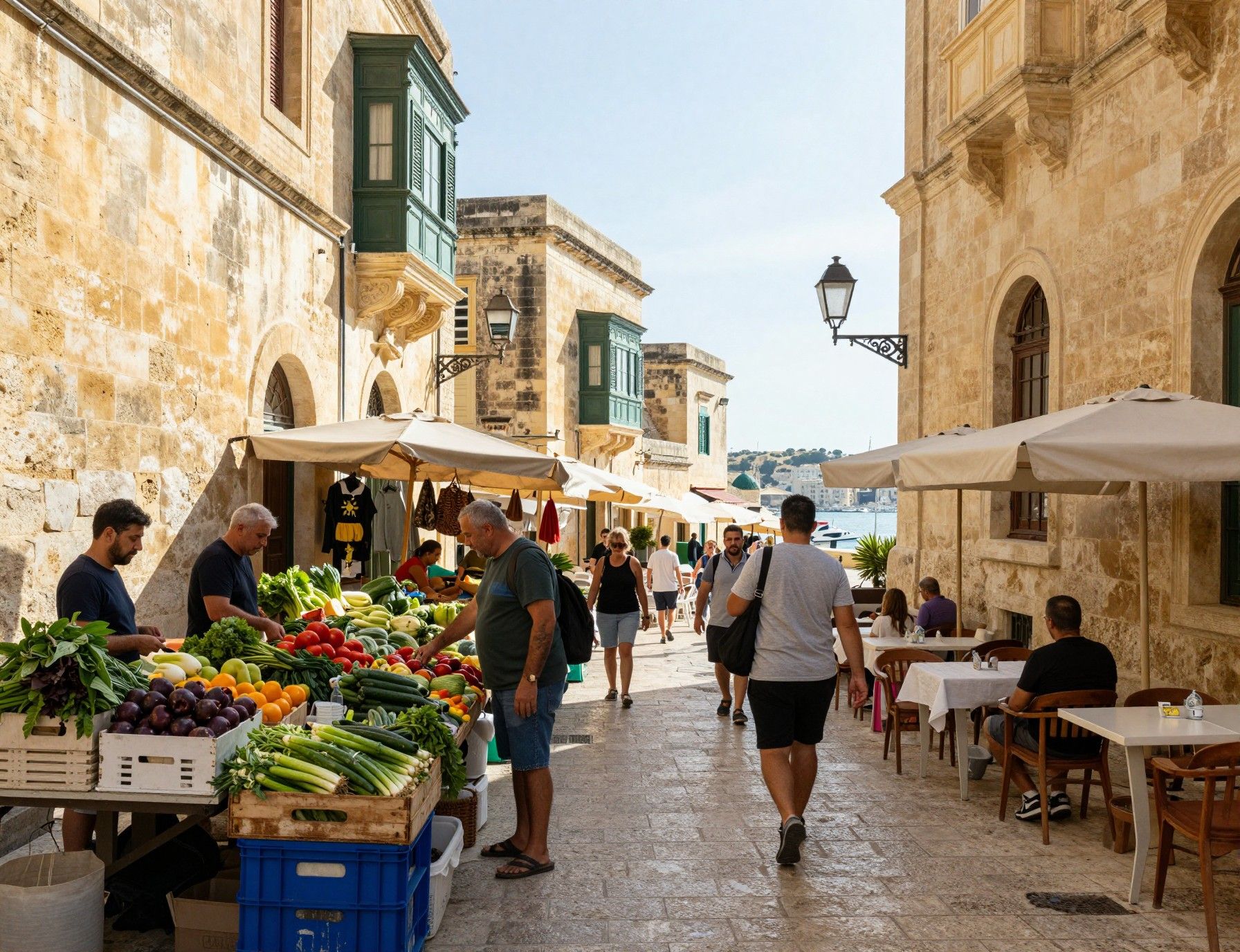
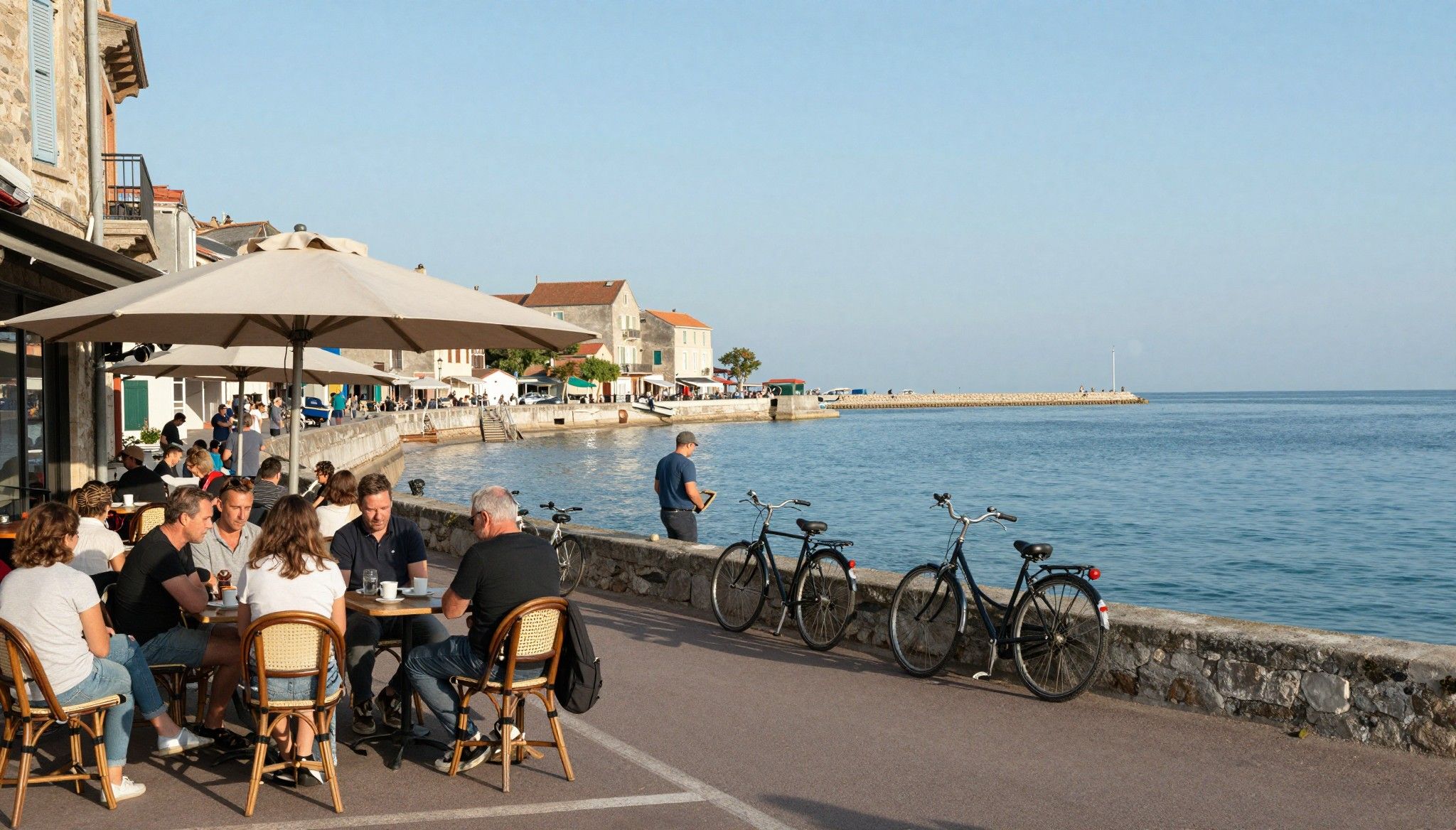
Imagine a late‑morning market in Nice: sun on pale façades, stalls of citrus and olives, and narrow streets where a compact terrace flat rents quickly to short‑stay visitors. That scene is why buyers dream of France — and why tax rules and ownership details quickly reshape the investment case. This piece pairs the sensory, street‑level life with the specific, sometimes-surprising fiscal rules that materially affect returns for non‑resident buyers.
Living the French lifestyle — and what it costs in tax
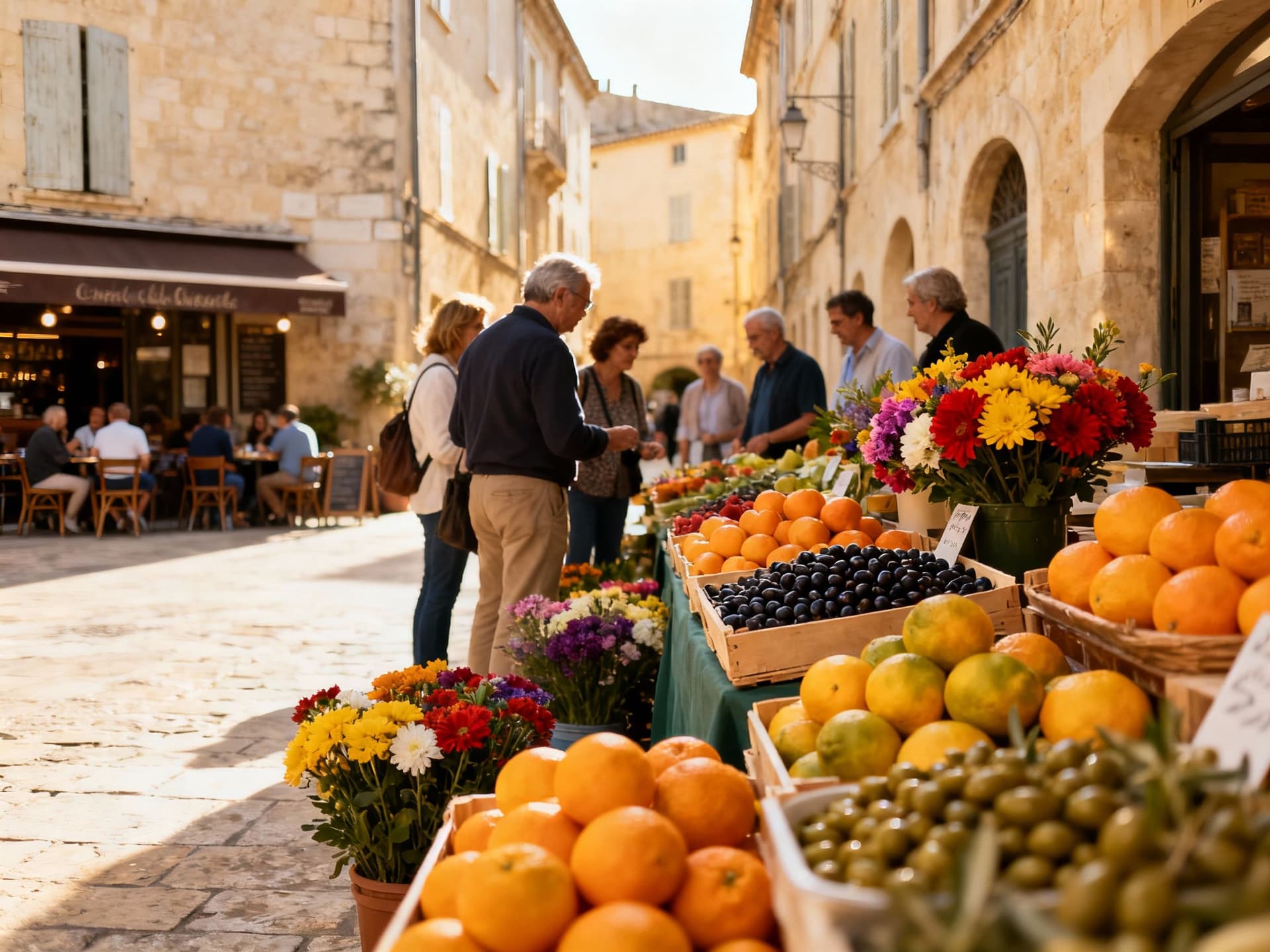
Streets matter: Le Marais morning cafés, Lyon’s Croix‑Rousse markets, Bordeaux’s riverfront promenades — each neighborhood brings a predictable tenant profile and seasonal demand. Those lifestyle patterns drive occupancy and achievable rents, but macro trends also matter: national prices stabilised in Q4 2024 after declines, influencing cap‑rate expectations across regions. Understanding both streets and statistics lets you underwrite realistic net yields, not postcard returns.
Paris vs. secondary cities: different lifestyles, different tax mechanics
Paris sells a high‑price, high‑demand lifestyle: tourists, business travellers, and long‑term tenants compete for central apartments. Secondary cities — Nantes, Montpellier, Lille — offer lower prices per m² and often higher gross yields. But tax rules apply equally: rental income and capital gains are taxed under national regimes that differ by residency status, so the gross lifestyle appeal must be converted into net‑of‑tax yield before you buy.
Lifestyle micro‑examples: streets and places worth knowing
Picture Rue des Rosiers in Le Marais for boutique short‑let appeal, Cours Mirabeau in Aix for a quieter long‑let market, or the port area in La Rochelle for seasonal strong summer demand. These micro‑locations create patterns in vacancy, amenity expectations and allowable rental types — all of which change the taxable base (e.g., micro‑BIC vs. régime réel) and impact net returns.
- Lifestyle highlights that influence investment metrics: • Rue des Rosiers, Paris — strong short‑let demand, high cleaning/turnover costs • Cours Mirabeau, Aix‑en‑Provence — stable long‑let profile, premium for character buildings • Vieux‑Port, Marseille — seasonal rental spikes requiring active management • Bordeaux riverfront — steady demand from professionals, good long‑term capital prospects
Making the move: practical ownership, tax rules and their surprises

Buying in France feels romantic until you run the numbers: ownership triggers local taxes, rental income reporting and potential wealth tax exposure. Non‑residents must declare French‑source income and may be liable for the IFI (property wealth tax) on French property over the €1.3m threshold, while rental income is taxed under the French system subject to tax treaties. Early clarity on residency, treaty rules and local tax registration prevents surprises that erode expected net yields.
Property styles and how they change taxable income
Short‑let furnished rentals are often taxed under the BIC (industrial and commercial profits) regime; long‑let unfurnished rentals fall under foncier rules. Choosing furnished vs unfurnished affects deductible costs, social contributions and whether micro‑regimes or réel réel apply. That choice ties directly to lifestyle decisions — e.g., targeting tourists (lifestyle) increases administrative burdens and changes net taxable income (practical).
Working with local experts who translate lifestyle into numbers
- Steps an advisor should take for you: 1. Map likely tenant profile by micro‑location and season, then model occupancy and achievable rent 2. Determine optimal letting regime (BIC vs foncier), estimating social contributions and deductible costs 3. Check IFI exposure and whether treaty rules alter French taxation 4. Simulate capital‑gains tax with ownership timeline and applicable allowances 5. Estimate total cost of ownership including taxe foncière, taxe d’habitation rules, and property management fees
Insider knowledge: red flags, myths and expat realities
Myth: 'Buy coastal France and you’re guaranteed rental premiums.' Reality: coastal towns often concentrate short‑season demand, increasing vacancy risk and operational costs. Red flag: sellers emphasising 'tourist demand' without verified occupancy data. Expat reality: non‑resident sellers face a 19% capital gains tax plus social levies (17.2% standard), with allowances only after long holding periods — factor these into exit scenarios.
Cultural and practical quirks that change daily life and returns
Local habits — long August holidays, local tenant expectations for chauffage (heating) and insulation — change operating costs and asset condition. Many expats under‑budget winter heating or underestimate syndic (co‑ownership) charges in Paris apartments. Also, IFI rules can catch buyers who keep high‑value French property while resident abroad; treat wealth tax as part of long‑term portfolio planning, not an optional extra.
- Practical red flags to check before offer: • No detailed operating P&L from seller (turnover, vacancies, maintenance) • Vague co‑ownership charges or deferred works in syndic minutes • Unclear heating system information (who pays, recent upgrades?) • No tax representative plan for non‑EU sellers if sale > €150k • Promises about future planning permissions without documentation
When you add sensory French life to careful fiscal modelling you get a complete investment picture: morning markets inform tenant tastes; stove type and insulation change bills; local fête calendars shape seasonal yields. Engage a bilingual fiscal adviser and a notaire early, request syndic minutes, and stress‑test your exit tax with capital‑gains simulations. That marriage of romance and rigor is the Yieldist way to own in France with confidence.
Next steps: visit the neighbourhood at the time you plan to let, request 12‑month operating statements for similar units, and get a tax scenario from a francophone adviser covering IFI, income tax, social levies and capital gains. Small due diligence now preserves lifestyle gains and protects yield later.
Dutch investment strategist who built a practice assisting 200+ Dutch clients find Spanish assets, with emphasis on cap rates and due diligence.