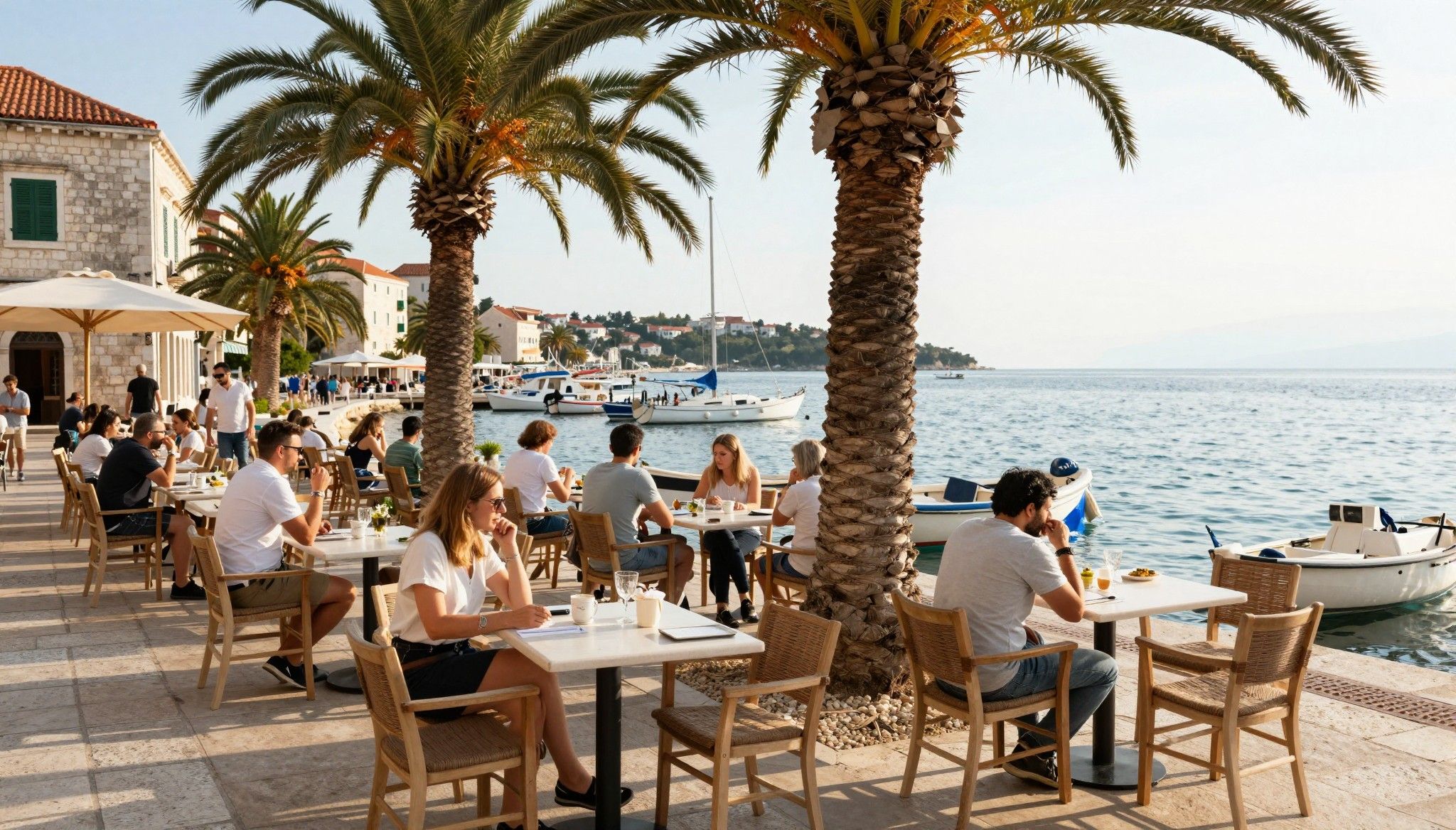
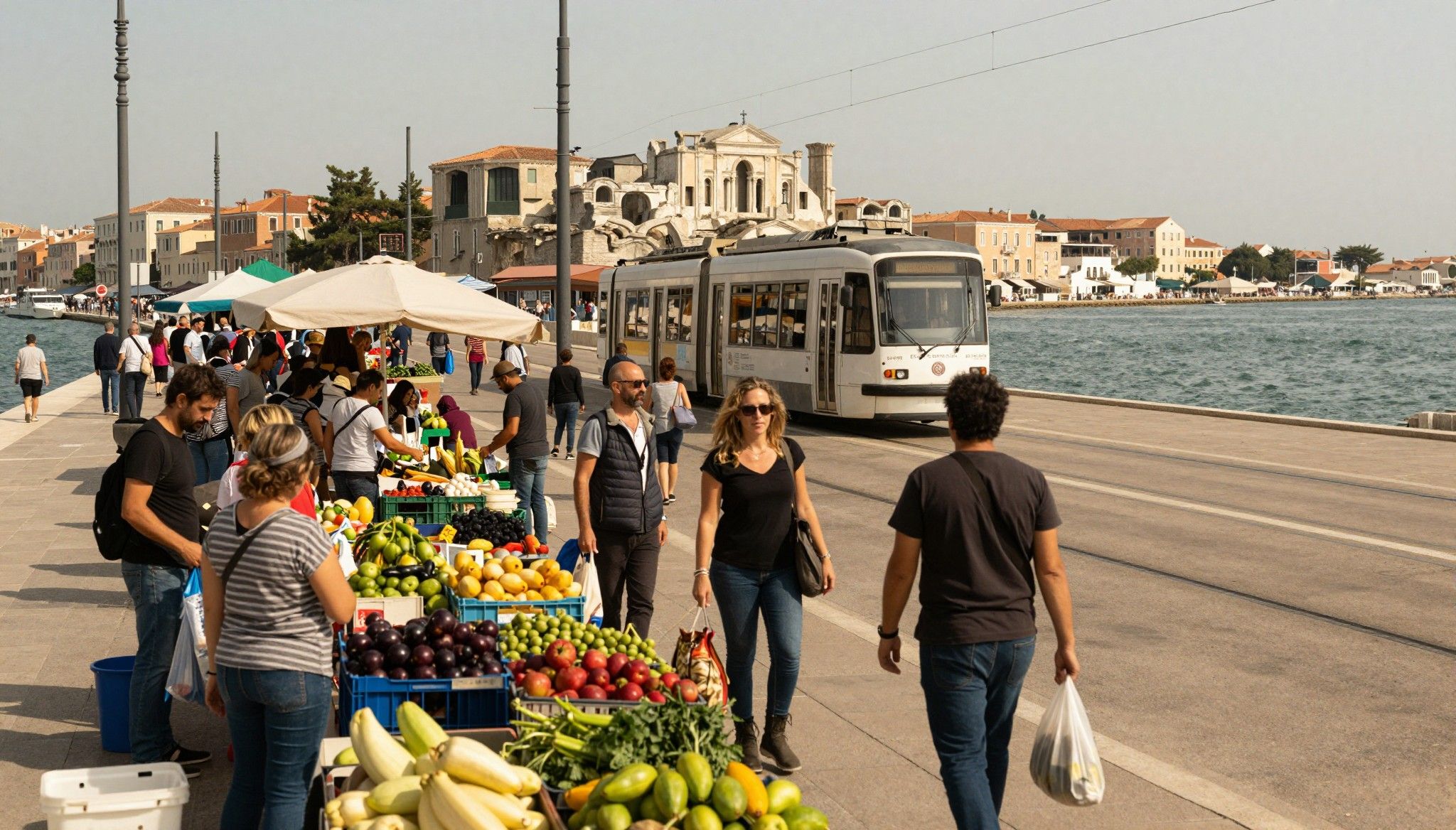
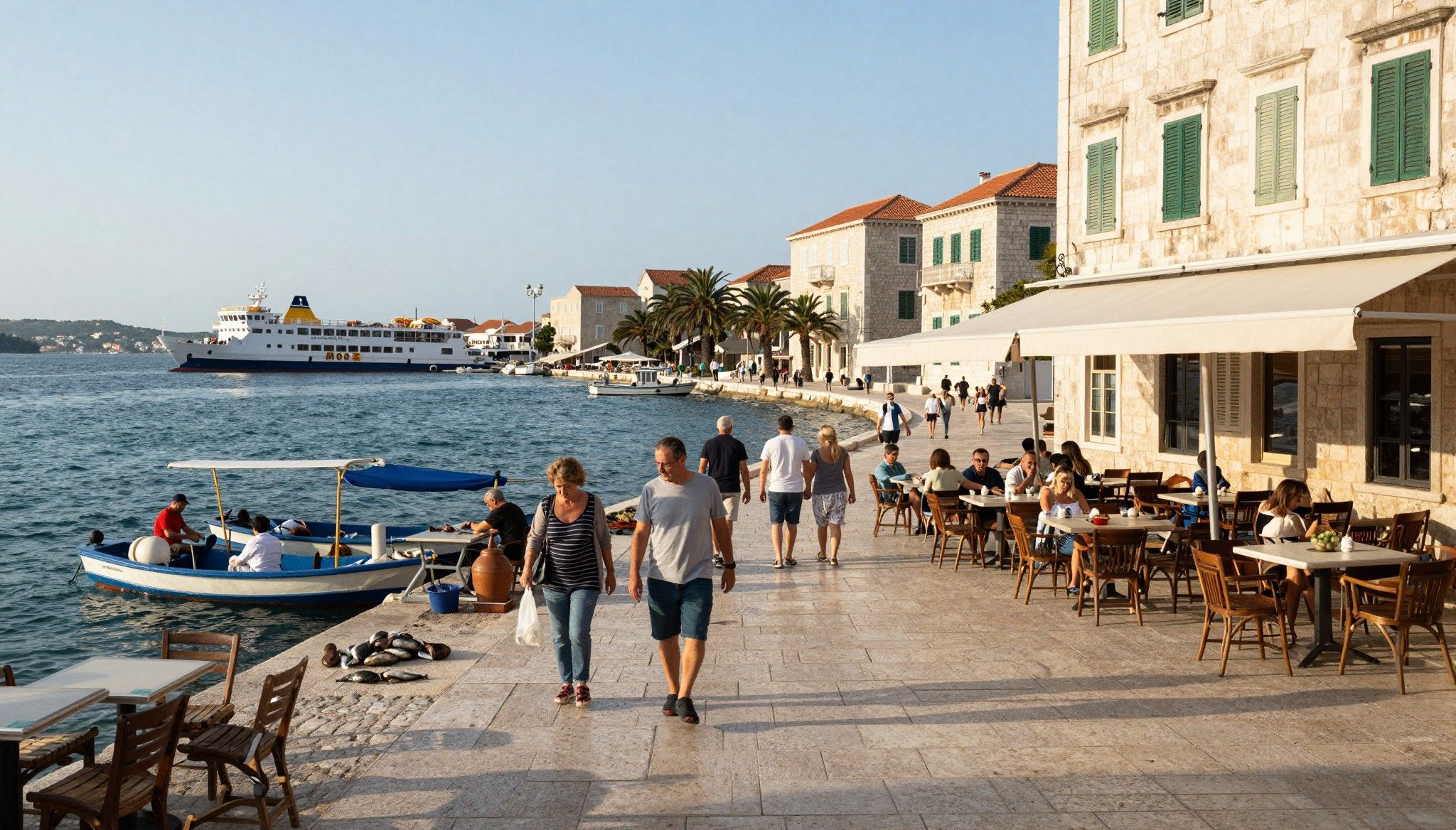
Imagine stepping out for an espresso on Via dei Coronari in Rome, the tram clattering past and a market vendor arranging figs — then signing papers that look nothing like home. Italy sells a life as much as a property; the paperwork, taxes and local rules sell you back the neighbourhood. This piece pairs the sensory Italy you fall for with the regulatory trade-offs that change whether a property is a lifestyle win or a financial headache.
Living the Italy you imagine
Italy’s daily rhythm — barista queues at 08:00, late lunches, weekday markets and piazza life — shapes what you actually need from a home. In Milan that means efficient layouts, proximity to transit and soundproofing; on the Amalfi Coast it means terraces, shutters and maintenance for salt air. Your property choice is a lifestyle decision with direct fiscal consequences: habitation classification, local taxes and lease types follow the life you choose.
Rome: ancient streets, growing investor appetite
Picture cobbled lanes in Trastevere, morning markets on Via Sannio and restoration projects turning former offices into rental flats. Investors are shifting attention to Rome for value and public investment that supports capital growth. Expect long permit timelines in some central zones; those planning renovations should budget for longer approval cycles than in northern cities. Recent reporting indicates institutional capital flowing into Rome as Milan cools, changing pricing dynamics across neighbourhood micro-markets.
Milan & Lake Como: productivity meets weekend escape
Imagine co-working mornings in Porta Nuova, aperitivo evenings in Navigli and weekend boat trips on Lake Como. Milan demands connectivity — fibre, tram access, parking — but also rewards with strong rental demand from professionals. Italy’s flat tax regime for new high-net-worth residents (the so‑called flat foreign income tax) has tilted some demand toward Milan, amplifying luxury and short-term rental dynamics in prime neighbourhoods.
- Lifestyle highlights that matter to property selection: • Trastevere (Rome): market mornings, narrow streets, strong short‑stay demand. • Navigli (Milan): night-life pull, steady young-professional rentals. • Amalfi Coast (Positano/Amalfi): terrace value, seasonal income volatility. • Brera (Milan): boutique shopping, high per‑sqm prices and tenant quality. • Chianti (Tuscany): vineyards, renovation costs and agricultural zoning.
Making the move: how regulations re‑shape the dream
The romance of a sunlit terrace meets the cold math of Italian fiscal rules. Purchase taxes, municipal levies, and rental taxation alter net returns and total cost of ownership. International buyers must translate lifestyle needs into tax classifications (main residence vs second home), choose tax regimes for rental income, and build timelines for notary, cadastral and permit processes.
Purchase taxes & the ‘prima casa’ trade-off
Buying with 'prima casa' benefits can cut the registration tax from 9% to 2% (subject to conditions), reduce mortgage‑related taxes and change cadastral reclassification incentives. But claiming 'prima casa' typically requires intention to establish residence in the municipality: it’s a lifestyle commitment with tax upside. Non-resident investors should model both scenarios — with and without these benefits — before making contractual commitments.
Ongoing costs: IMU, Tari, income tax on rents and capital gains
Non-resident owners typically pay IMU (municipal property tax) on second homes; rates vary by commune and are calculated on cadastral value, not sale price. Rental income can be taxed under IRPEF (progressive income tax) or via 'cedolare secca' — a flat substitute tax of 21% (10% for agreed rents). Capital gains tax applies to sales within five years of purchase (substitute tax 26% on the gain). Model these into net yield calculations and sensitivity analyses.
- How to compare net yield realistically: 1. Start with gross rent and subtract expected vacancy (seasonal markets: 20–50% swing). 2. Subtract property management (10–20% for short‑stay, 5–8% long‑let). 3. Apply local taxes: IMU (variable), income tax (IRPEF vs cedolare secca), and municipal surcharges. 4. Include maintenance & utility pass‑throughs (sea air = higher maintenance). 5. Stress-test for cap-gain tax if selling within five years (26% on gains).
Insider knowledge: bureaucracy, inheritance and negotiation levers
Two rules foreigners often miss: how transfer taxes are calculated on cadastral values, and Italy’s forced heirship (legittimari) rules that can affect estate planning. The flat foreign income tax (forfettario) can be attractive, but reforms changed rates and eligibility — so treat migration-based tax planning as a separate, high-stakes decision.
Inheritance and title: a practical note
Italian succession law reserves portions of an estate to close relatives. For international buyers this means wills and cross-border estate planning must be coordinated with Italian notaries and foreign counsel to avoid forced reallocation of property after death. Plan with lawyers who work in both jurisdictions and consider title-holding structures (individual, Italian SPV, or foreign trust) only after tax and succession modelling.
- Red flags & negotiation levers when you’re under offer: • Unclear certificate of urban use (certificato di destinazione urbanistica). • Discrepancies between cadastral rendita and sale price (affects registration tax). • Missing compliance with impianti (electrical/gas certificates) — budget for updates. • Seller offers to sell 'as is' without warranties — insist on escrow and warranties. • Local planning constraints for renovations — ask for precedents from the comune.
Work with advisors who can translate lifestyle to governance: a Rome-based notary for closing, a Milan tax advisor for residency and cedolare secca modelling, and a local architect for permit timelines. Agencies are useful but pick ones with demonstrable cross-border transaction experience and transparent fee structures.
- 1) Map lifestyle needs to tax outcomes. 2) Build a cashflow model including IMU, cedolare vs IRPEF, and cap-gain scenarios. 3) Obtain pre‑contract due diligence on cadastre and building compliance. 4) Negotiate contract clauses for repairs, completion dates and escrow. 5) Use a notary experienced with foreign buyers. 6) Revisit exit costs — transfer taxes and potential capital gain exposure — before signing.
Conclusion: fall for Italy, buy with facts
Italy offers a tangible lifestyle premium — markets, food, coastline and centuries of culture — that can justify price per square metre if underwritten correctly. Treat the romance as an input, not a replacement, for financial diligence. Start with lifestyle-first scouting, then overlay tax, municipal and ownership modelling. That sequence keeps the dream intact while protecting returns.