Italy: How Local Rules Reprice Your Lifestyle Investment
Italy's charm masks rules that change returns: regional taxes, prezzo‑valore vs IVA choices and municipal limits often move net yields more than price per sqm.
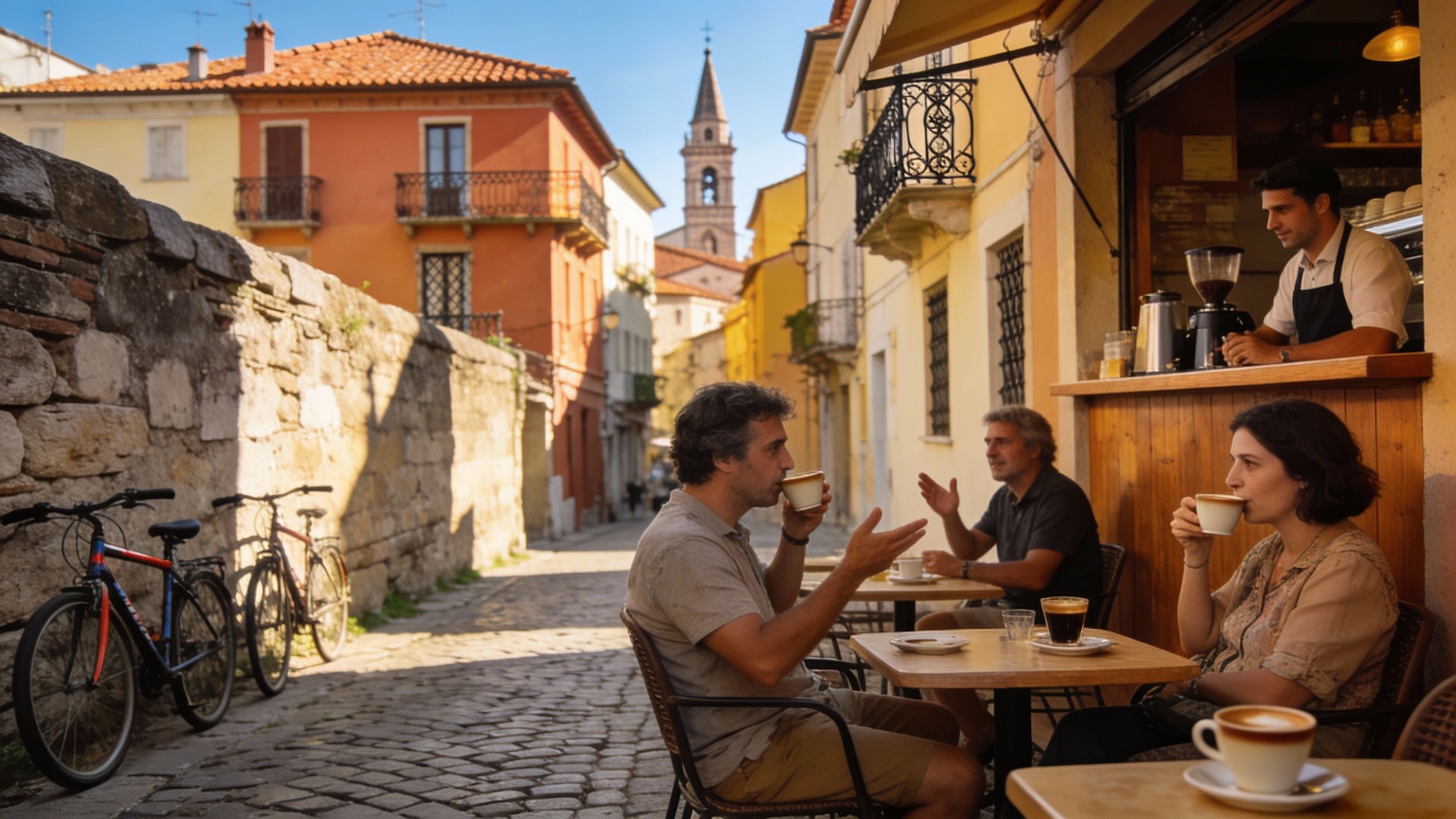
Imagine stepping out for morning espresso on Via dei Conciatori in Trastevere, cycling past olive groves in Tuscany by noon and signing a purchase agreement in a centuries‑old notary’s office the next week. Italy compresses slow, sensory daily life into precise legal and tax rules that materially change returns. That tension — la dolce vita lived within exacting fiscal frameworks — is why lifestyle lovers need a sharper playbook than a travel brochure.
Living the Italy lifestyle: not all regions are equal

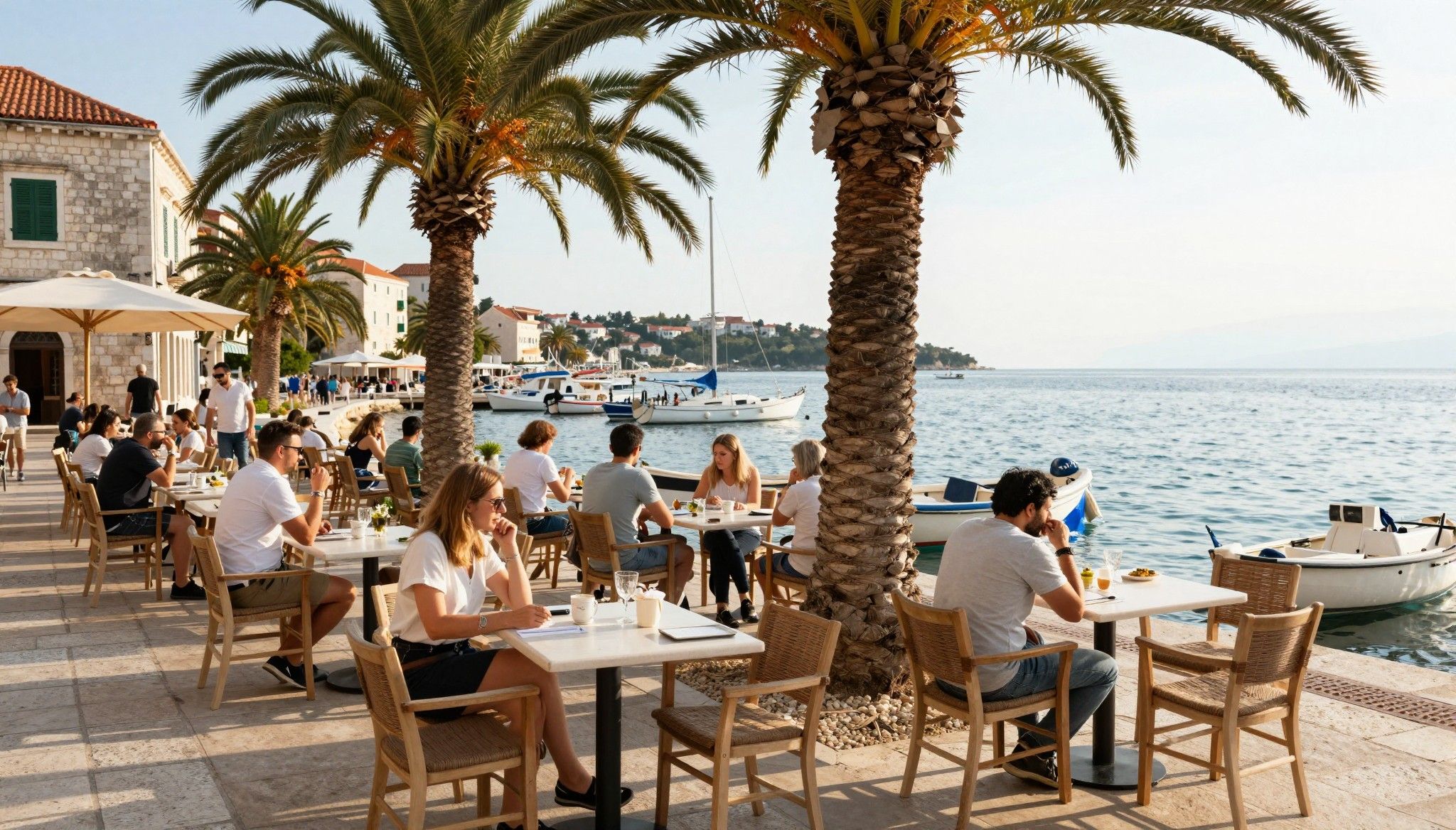
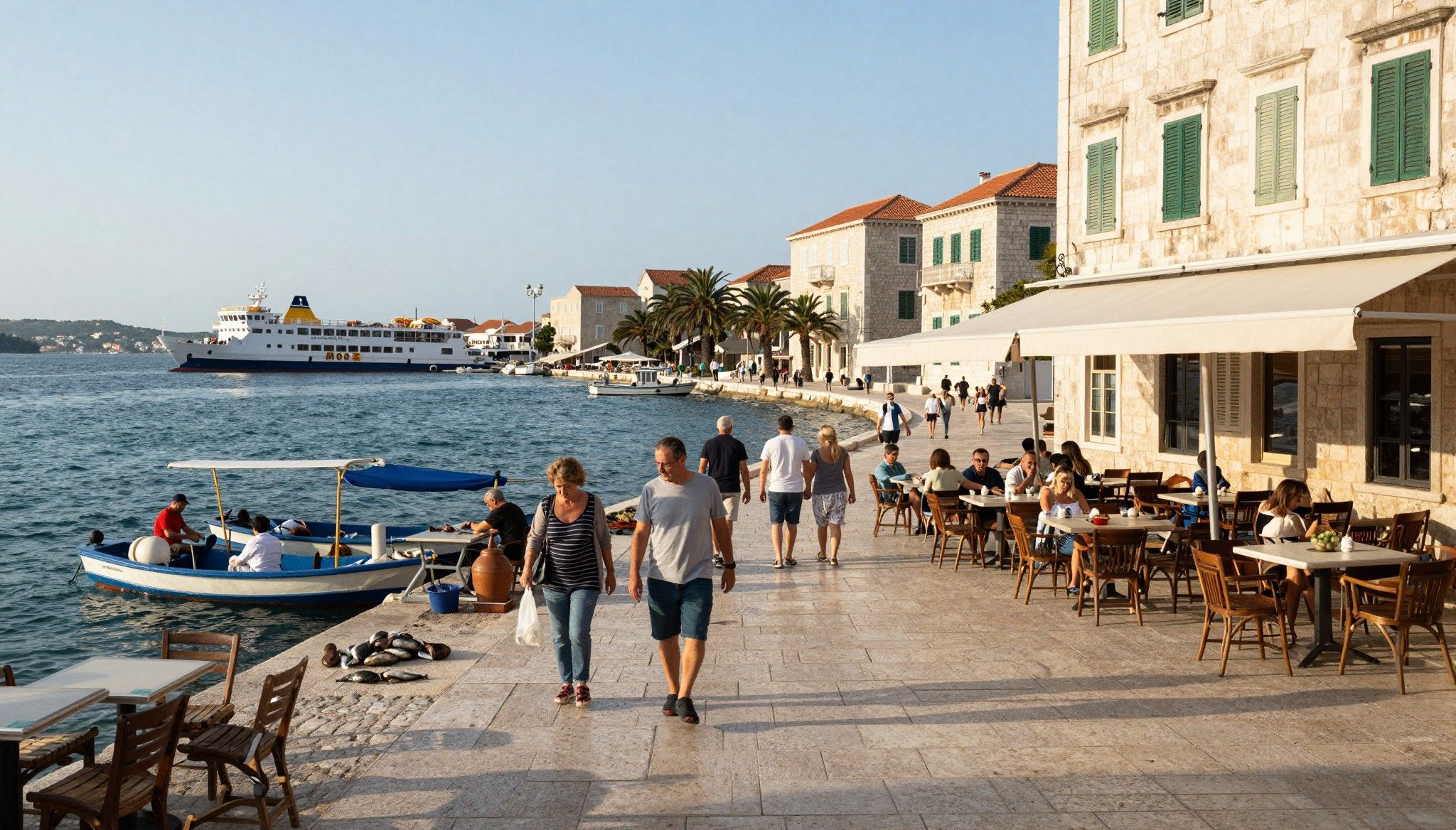
Italy’s tempo is regional. Milan hums with weekday finance energy and modern cafes; Florence smells of leather and old stone; Puglia passes long summer afternoons at lido bars; Sicily keeps market mornings raucous and community‑driven. These rhythms matter because municipal services, property categories and local taxes (like IMU) vary by Comune, and those variations change net yields more than headline purchase price.
Neighborhood spotlight: Trastevere, Rome — lived history
Picture cobblestones, neighbourhood bakeries and late‑night trattorie where renters prize authentic character over stainless steel appliances. While Rome’s centre can trade at a premium, recent data shows investor interest shifting to peripheral pockets with renovation potential and better yields. Local planning and heritage constraints are real — they shape what you can legally convert, and therefore what rent and capital appreciation you can expect.
Food, markets and the property map
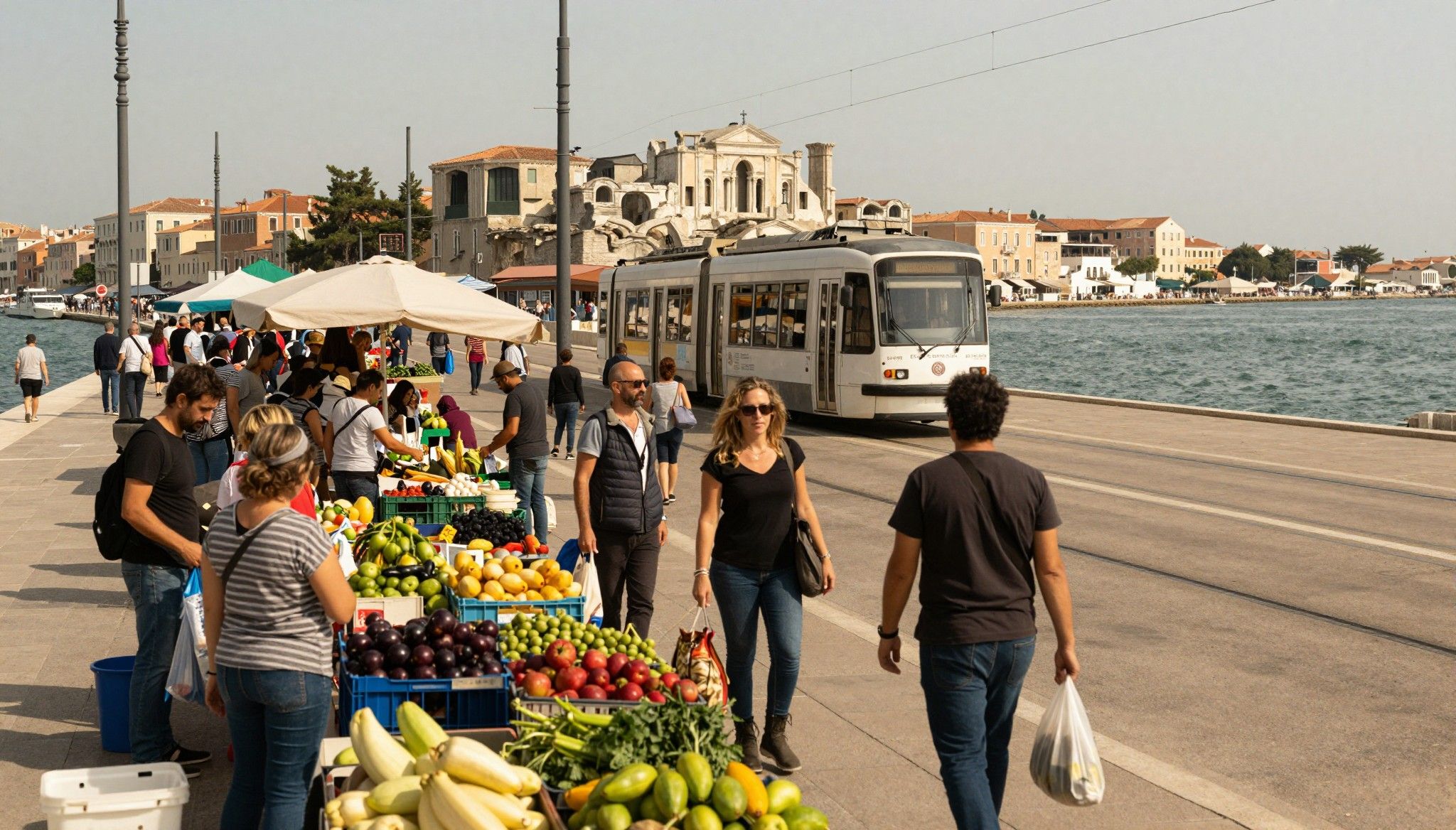
Weekends are market days: Mercato Centrale in Florence, Ballarò in Palermo, and Naples’ Pignasecca set where neighbours meet and new residents assess neighbourhood warmth. Areas with strong daily markets correlate with stable long‑term rental demand from locals and long‑stay tourists — a useful signal for investors prioritising occupancy over short‑term glamour.
- Lifestyle highlights: markets, cafés and micro‑value signals
- Mercato Centrale (Florence) — steady footfall, all‑year demand
- Lungomare di Bari — summer vibrancy with off‑season calm
- Navigli (Milan) — strong rental market for young professionals
Making the move: practical considerations that change the math

Lifestyle sells the dream; taxes, registration rules and local permits govern the returns. Italy’s purchase tax regime (price‑value vs. IVA), cadastral categories and municipal levies (IMU) materially affect acquisition costs and ongoing cashflows. For example, applying the 'prezzo‑valore' system can cut registration tax bases for private buyers — a decision you must elect at signing, with direct yield consequences.
Property styles and how they shape use and costs
A central historic apartment will attract longer‑term tenants who value location, but come with higher renovation constraints and higher per‑metre maintenance costs. A semi‑detached villa in Tuscany offers agritourism potential but requires seismic upgrades and energy retrofits. Match structure to business model: short‑stay, long‑let, or buy‑to‑refurbish for capital gain.
Working with local experts who know the rules and rhythm
- 1. Hire a local notary early — they confirm tax choices (prezzo‑valore vs IVA) that lock your tax base. 2. Use a qualified geometra/architect to verify permitted use and renovation scope before offer. 3. Retain a tax advisor to model IMU, regional surtaxes and expected rental taxation net of deductions. 4. Choose an agent active in the micro‑neighbourhood — street‑level knowledge beats city averages.
Insider knowledge: what expats say after 12 months
Expats repeatedly flag three surprises: bureaucracy runs slower than promised; renovation costs for historic properties are frequently underestimated; and municipal rules (zoning, heritage, tourist licences) can rule out intended use. These are not inevitabilities — they are predictable risks that shrink returns if unpriced.
Cultural integration and daily life — what affects retention
Learning basic Italian phrases and attending local mercato mornings accelerates community acceptance and tenant referrals. Areas with active social life — neighbourhood bars, piazza events and sports clubs — show lower vacancy and stickier tenants. That social capital translates into lower turnover costs and steadier net yields.
Long‑term lifestyle sustainability and resale considerations
Think 5‑ to 10‑year horizons: climate resilience (coastal salt exposure, seismic zones), local planning changes and demographic trends (student populations, ageing towns) will reprice neighbourhoods. Properties that balance authentic Italian appeal with practical modernisation tend to outperform sentiment‑driven picks.
- Red flags to price into offers
- Unregistered renovations — can trigger retroactive fines and reduce tax reliefs
- Unclear cadastral class (rendita catastale disputes) — affects the taxable base
- Tourist licence constraints in certain Comuni — limit short‑stay income potential
- 1. Inspect permits and receipts for past works. 2. Model tax outcomes with and without 'prezzo‑valore'. 3. Leave contingency for energy upgrades and seismic certificates. 4. Negotiate seller obligations for unresolved administrative issues.
Conclusion: buy the lifestyle you can operate, not just the illusion. Italy rewards buyers who map neighbourhood rhythms to regulatory realities and who price bureaucracy and restoration into offers. Start with a micro‑market, hire a notary and tax advisor, and treat municipal rules as investment variables — do that, and the daily pleasures of Italian life become durable, income‑producing assets.
Swedish financier who guided 150+ families to Spanish title deeds since relocating from Stockholm in 2012, focusing on legal and tax implications.