Malta: Life‑First Buying — AIP, Taxes and Hidden Tradeoffs
Malta sells immediacy — cafés, harbours and compact neighbourhoods — but AIP permits, stamp duty and conservation rules determine yields. Model permits and capex early.

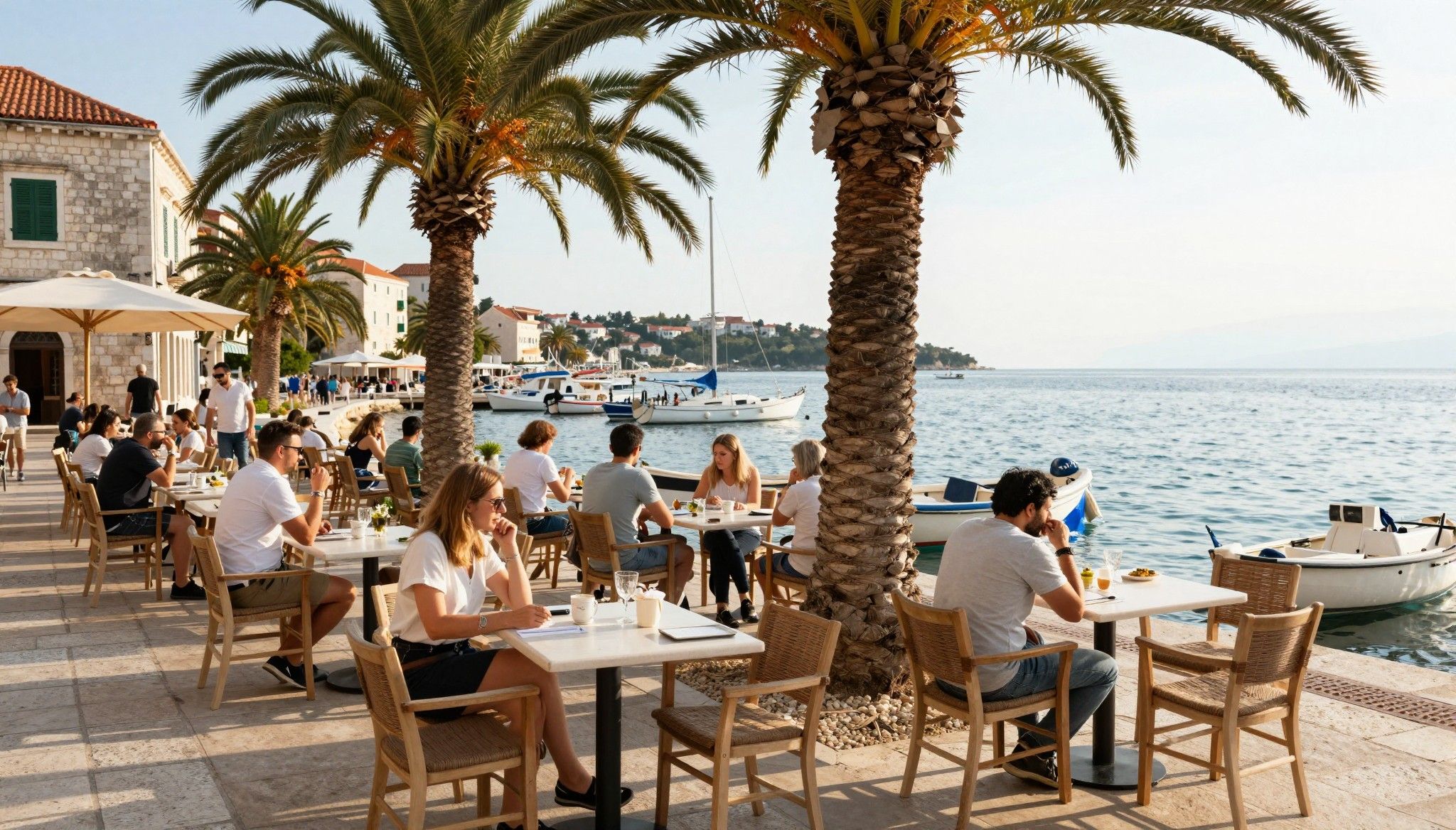
Imagine starting a day with a short walk from a limestone townhouse in Sliema to a favourite café on Tower Road, the harbour glinting and the languages around you a mix of Maltese and English. Malta feels intimate: lanes that open onto bright squares, loud festa drums in summer, and afternoons that stretch into long, sea-scented dusks. For international buyers this compact island offers immediate lifestyle gains but also a dense regulatory map — buy the wrong thing in the wrong zone and your Mediterranean dream becomes a logistical headache. This piece pairs the island’s lived pleasures with the precise permitting, tax and ownership realities you need to underwrite value and avoid common mistakes.
Living the Malta life: streets, seasons and social rhythm

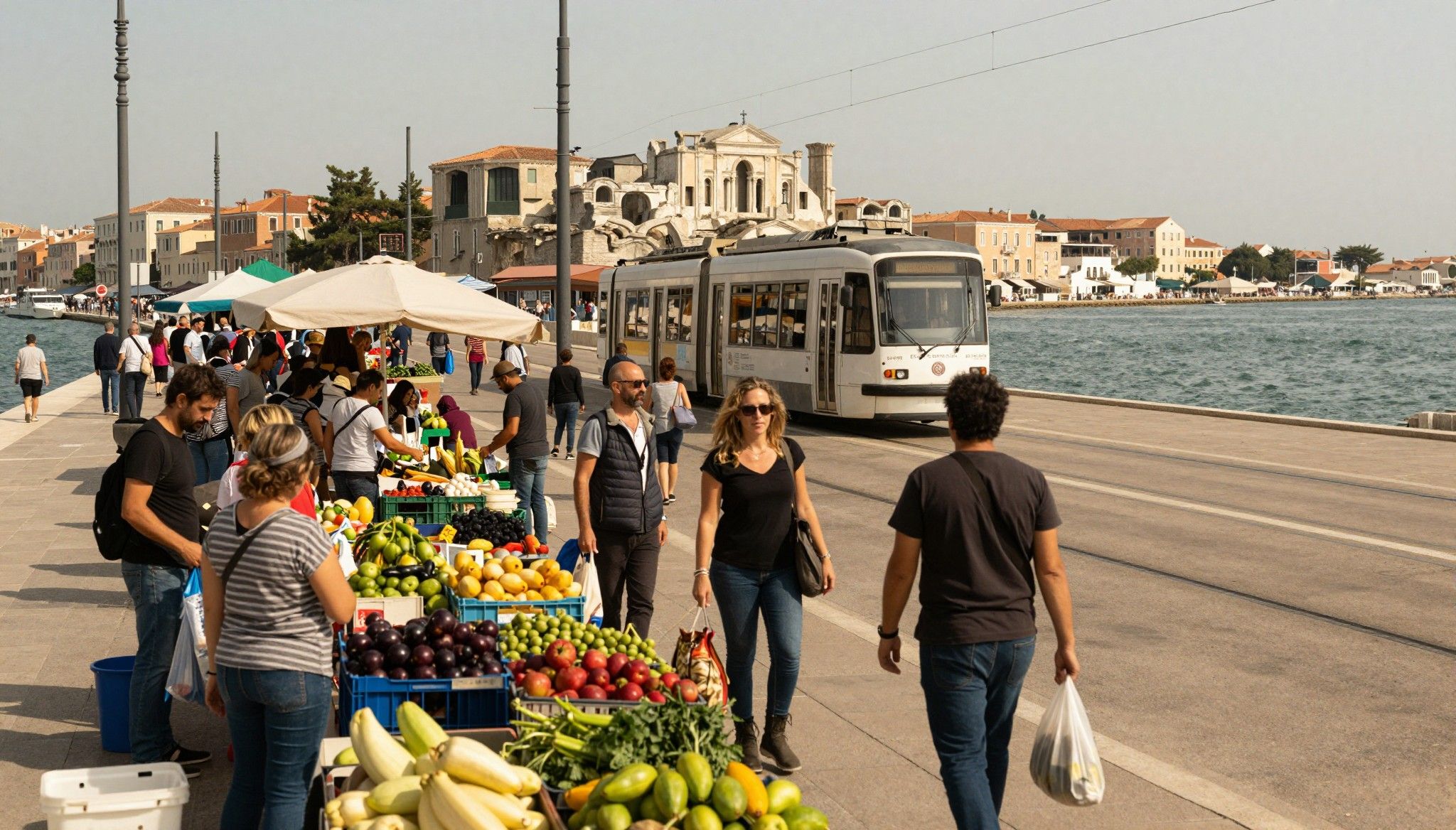
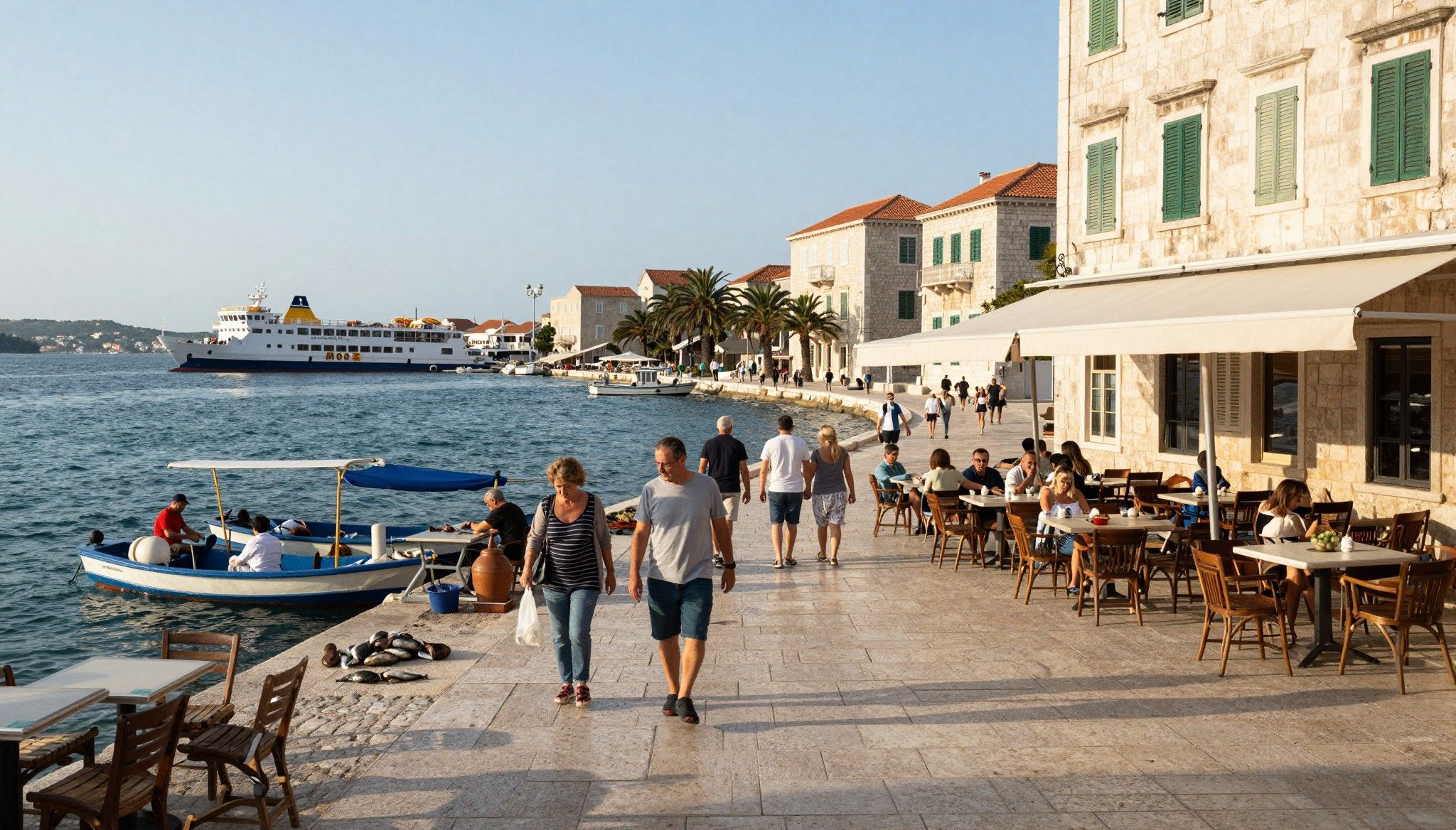
Malta is small in area but large in texture. Mornings mean markets and espresso by merchant quarters; afternoons lend themselves to sea swims at Ghadira or St. George’s Bay; evenings cluster around band clubs and family trattorias. The climate amplifies outdoor life — most of the year is usable outdoors — which affects what kinds of properties perform for rent and resale: terraces, roof decks and good cross‑ventilation matter as much as internal square metres.
Neighborhood pick: Sliema & St Julian’s — energy and liquidity
Sliema and St Julian’s are where rental demand concentrates: short lets for tourists, professional long lets for finance and iGaming staff, and steady local demand. Expect higher per‑square‑metre pricing and quicker turnaround on listings — Investropa’s mid‑2025 snapshots show central areas near the northern harbour approaching €3,500–€4,000/m². That liquidity trades off against higher entry prices and more competition from developers.
Neighborhood pick: Valletta & Three Cities — history, regulation, and premium character
Valletta and the adjacent Three Cities offer unrivalled historical character and premium short‑let potential, but heritage regulations and restoration costs are real. A restored town house may command a price premium yet require significant capex to meet modern rental expectations (AC, insulation, plumbing). Understand conservation constraints early — they affect usable floor area, permitted works and timeline for return on renovation spend.
- Lifestyle highlights: what living in Malta actually delivers
- Morning espresso at Café Cordina (Valletta) and a short ferry ride to Sliema for work or leisure.
- Weekend swims at Ghadira Bay or St. Peter’s Pool, quick drives under 45 minutes from most towns.
- Festa season noise and community rituals that knit neighbourhoods — a social advantage for long‑term owners.
Making the move: practical considerations that shape returns

Lifestyle sells the dream; regulation and taxes define the margins. Malta’s compact geography produces policies aimed at protecting scarce land and housing stock. For non‑residents and many EU citizens the Acquisition of Immovable Property (AIP) regime determines what you can buy, where and at what minimum price — a core constraint that reshapes portfolio strategy before you write an offer.
Permit requirements and minimum purchase values
Non‑resident buyers often need an AIP permit under Chapter 246 unless they fall into exemptions (EU citizens with five years’ residence, purchases in Special Designated Areas, or primary residence exceptions). The AIP process is formal — fees are modest (around €233) but minimum property price thresholds apply (updated annually and published by the authority). Critically, properties bought under AIP are usually for residential use only and may be restricted from short‑letting without separate permission, which directly affects rental yield calculations.
Tax mechanics: stamp duty, income tax and corporate structures
Stamp duty on property transfers is a key transaction cost (commonly 5% for many residential transfers, with reduced rates or exemptions in some cases). Rental income is taxable in Malta at progressive rates, but many international investors use Maltese corporate vehicles and tax treaties to manage effective tax exposure; this requires specialist local tax advice and careful modelling of net yield. Factor legal and notarial fees, agency commissions and recurring property management into your total cost of ownership.
- Six steps to underwrite an investment in Malta (quick checklist)
- Confirm permit need early: check AIP rules for buyer nationality, residency history and the property’s location.
- Model total cost of ownership: purchase price, stamp duty (≈5% typical), notary, agency fees, renovation and annual taxes.
- Test real rental demand locally — get occupancy and ADR data for short lets, and comparable long‑let contracts for targeted neighbourhoods.
- Plan for capex in historic areas — conservation rules often force higher restoration costs that extend payback periods.
- Structure ownership with advice: evaluate personal vs corporate ownership, double tax treaty benefits, and exit tax implications.
- Use an experienced local team: A lawyer familiar with Chapter 246, an agent who knows SDA boundaries, and an accountant conversant in Maltese tax and treaty mechanics.
Insider knowledge: myths, red flags and the courtroom shock
There are political headwinds too. Malta’s citizenship‑for‑investment programme faced a major EU court ruling in 2025 that changes the political optics around investment residency and may affect future policy on investor schemes. Even when such programmes are not central to your purchase, regulatory shifts like this signal an environment where rules can change suddenly — pricing in regulatory risk is part of disciplined underwriting.
Myth busted: 'Malta is uniformly cheap outside Valletta' — not true
Price variation across the islands is wide. Gozo and southern localities are cheaper by average price per square metre, but liquidity and rental demand are weaker. Lower entry price does not automatically mean higher yield — factor in vacancy risk, management complexity and tourist seasonality when calculating expected net yield.
Red flags local buyers watch for
- Properties sold ‘as seen’ with informal promises about planning permission — always verify permits in writing.
- Purchases advertised for short‑letting in areas where AIP conditions restrict rental use — check AIP wording carefully.
- Historic buildings with hidden structural or moisture issues that dramatically increase restoration cost.
Local knowledge salvages deals: the best agents know SDA boundaries, current AIP thresholds, and where local councils are likely to approve modest refurbishments. Work with advisors who have closed similar transactions and can show documented examples of outcomes.
Conclusion — fall in love, then underwrite
Malta offers a compelling life: walkable towns, a year‑long outdoor culture, and concentrated rental markets. But the island’s smallness makes regulation and zoning meaningful determinants of value. Treat the lifestyle attraction as the first filter, then model returns using permit rules (AIP), transaction taxes, realistic occupancy and renovation risk. If you want the lifestyle, hire the local team first — they convert romance into reliable returns.
Norwegian market analyst who relocated from Oslo to Mallorca in 2016, guiding Northern buyers through regulatory risk, currency hedging, and rentability.