Malta Residency Rules That Reprice Neighbourhoods
Malta’s charm hides rule-driven price moves: 2025 residency rule changes and rising house prices reprice neighbourhoods—align lifestyle choice with updated thresholds and realistic yields.
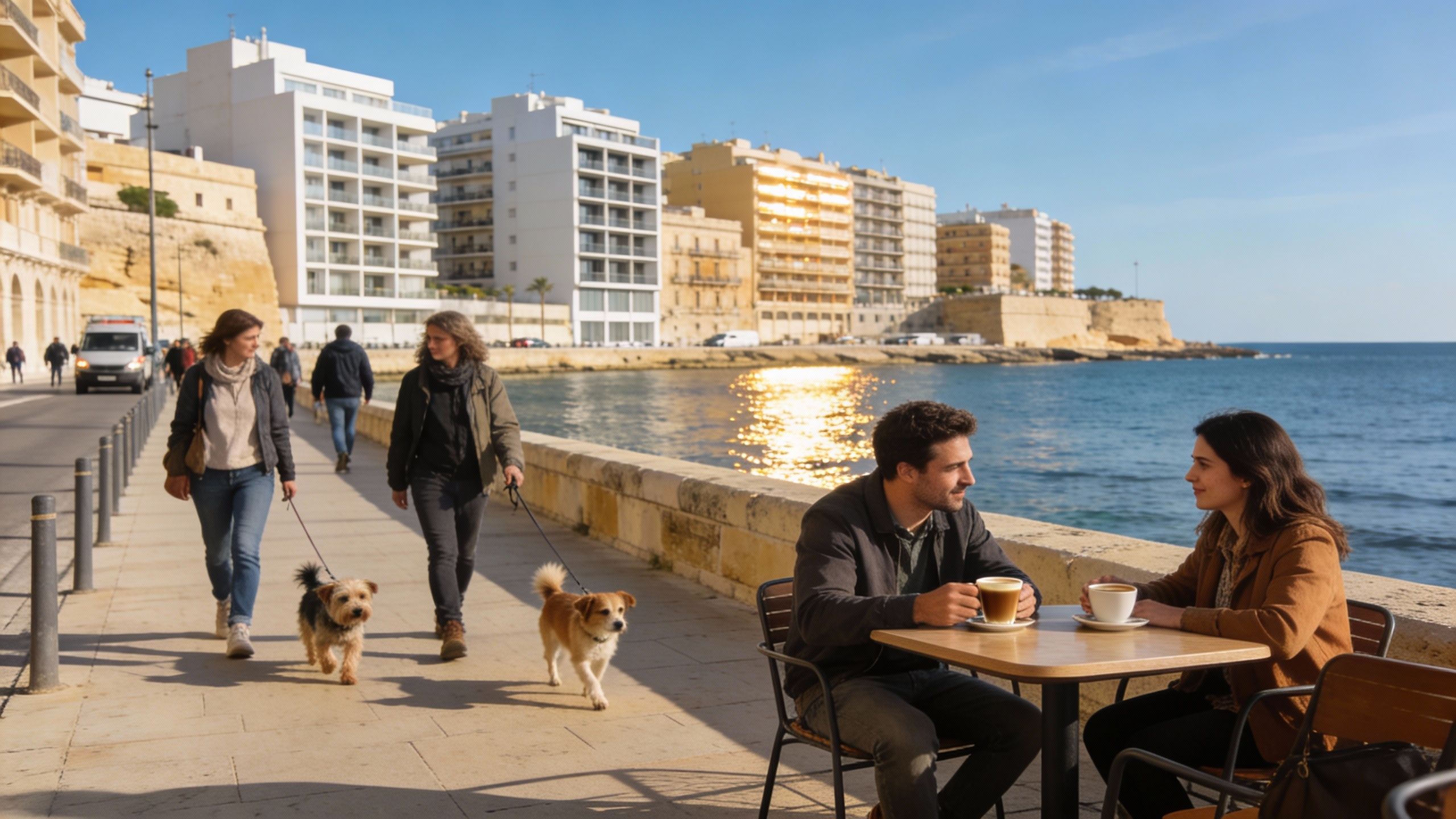
Imagine sipping an espresso under a striped awning on Triq il-Merkanti in Valletta, then walking five minutes to a rental property that pays for the café habit. Malta sells a compact Mediterranean life—harbours, festas, English on the menu—but beneath that charm are regulatory shifts, residency rules and neighbourhood repricings that quietly change returns. This piece looks at the life you’ll live and the rule changes that actually move prices, with citations to Malta’s housing data and recent residency law updates.
Living Malta: daily rhythms and real places
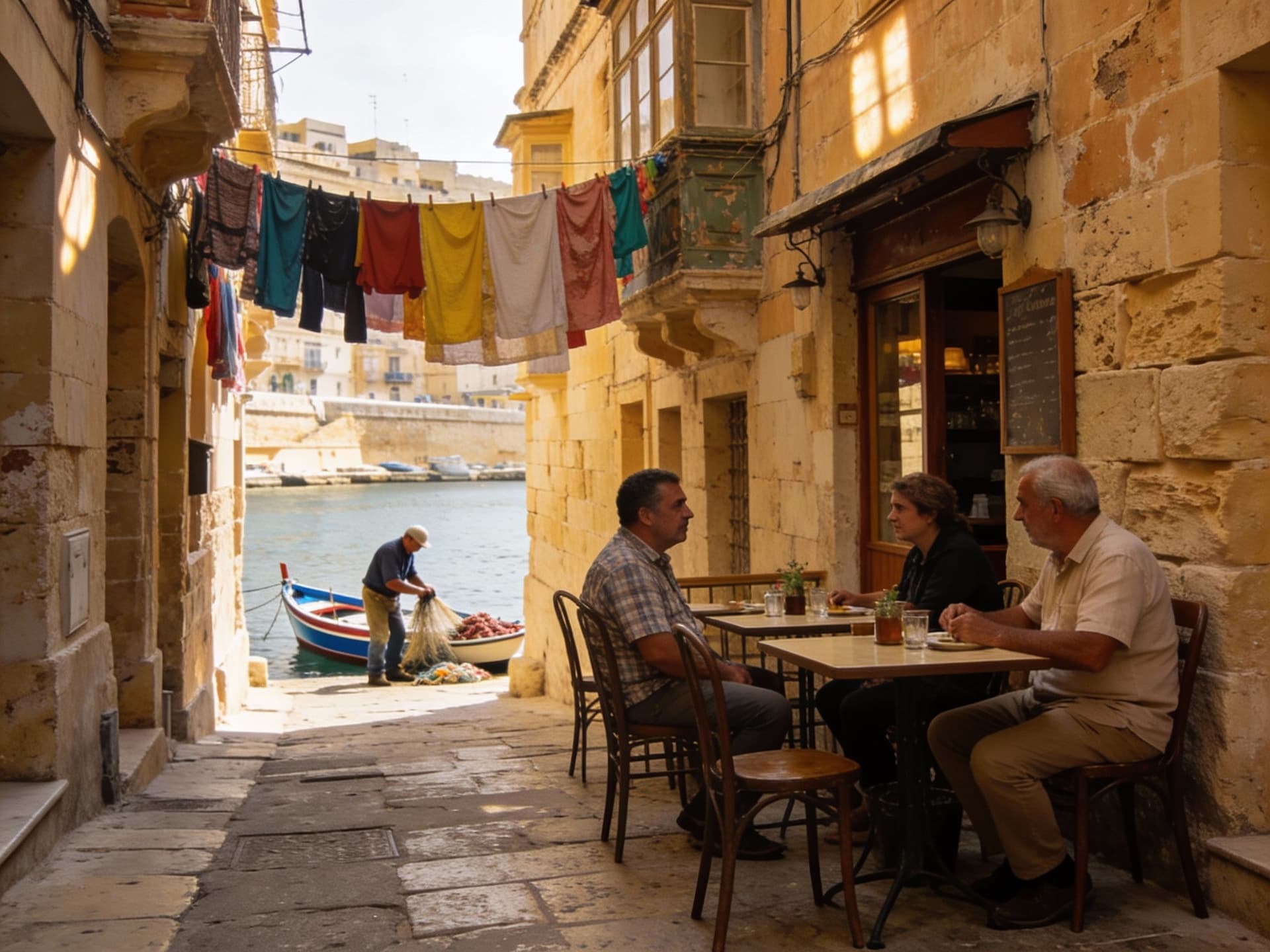
Malta’s lifestyle is compact and sensory: cliffside promenades in Sliema, late suppers in Marsaxlokk, and limestone streets in Mdina that glow at dusk. These rhythms shape demand — students and short-stay tourists favour Sliema and St Julian's; families and retirees cluster in Naxxar and Mellieħa. Recent statistics show price pressure across the islands, so the neighbourhood you choose will determine both rentability and long-term capital movement. (See Malta’s residential property price index.)
Valletta & The Three Cities: historic centre, dependable demand
Valletta offers short distances and strong tourist footfall; apartments here are smaller but command premium per square metre. The Three Cities (Vittoriosa, Senglea, Cospicua) give better price-per-metre for the same harbour appeal. If you prize walkable streets and heritage façades, expect higher purchase prices but resilient short-let demand — though management and maintenance on old stone can eat into net yields.
Northern Harbour & Seafront: Sliema, St Julian’s, Gzira
Sliema and St Julian’s are Malta’s liquidity engines: modern blocks, serviced apartments, and year-round renters (students, finance professionals, tourists). Prices per square metre here can be two to three times those in Gozo; that gap narrows when you factor achievable rents and occupancy. Think: higher entry cost but faster turnover and stronger short-stay income streams if you accept the operational overhead.
- Lifestyle highlights to test the location before you buy: Valletta’s Strait Street cafés; Marsaxlokk fish market at dawn; the promenade from Sliema to Balluta Bay; Għar Lapsi cliff swims; Sunday fayre at Mdina glass shops.
Making the move: how rules and residency reshape value
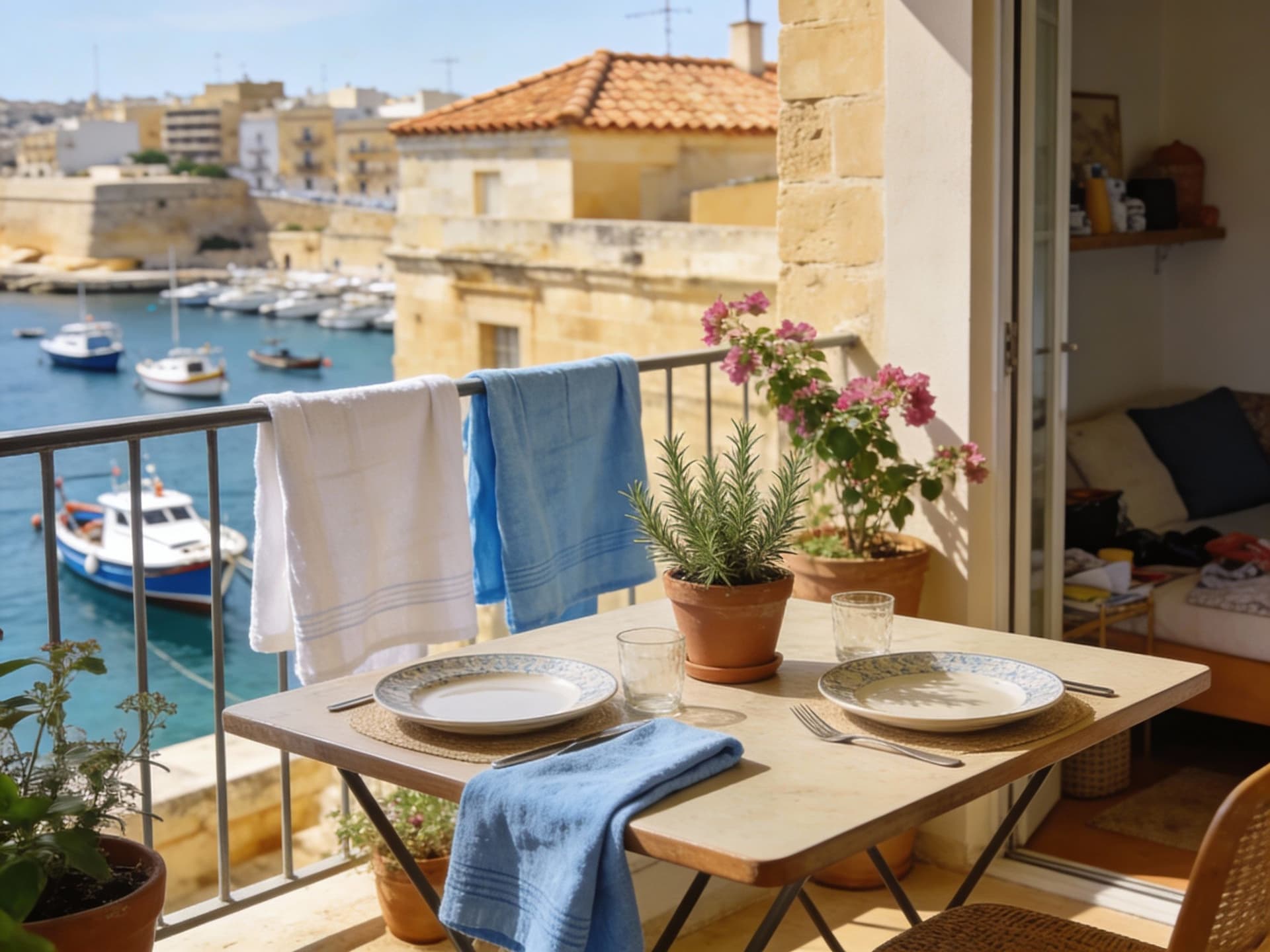
Lifestyle fantasies meet paperwork. Malta’s Permanent Residence Programme (MPRP) and other residency rules directly influence which neighbourhoods buyers target — when minimum qualifying purchase prices or rental thresholds rise, demand concentrates into fewer locations, lifting prices there and compressing yields elsewhere. The MPRP changes effective in 2025 standardized qualifying property thresholds; that’s a market mover worth underwriting into any valuation.
Property types and the real-life trade-offs
Traditional maisonettes deliver character and tourism appeal but higher maintenance. New-build apartments in St Julian’s or smart conversions near Valletta optimise for rental management and lower capex. Match the product to tenant profile: students and young professionals want connectivity and modern kitchens; holiday renters prioritise sea views and proximity to nightlife.
Work with agents who understand the residency rules. A property that qualifies for a residency programme becomes a bid target; agents who know the MPRP thresholds, timing for approvals and the paperwork sequence will position you where supply meets qualifying demand — and can identify when a small difference in price disqualifies a property for residency use.
- Steps to align lifestyle choice with regulatory reality: 1. Check programme thresholds (purchase or rent minimums) before making offers. 2. Price in extra holding costs: stamp duty, notary fees, and higher maintenance on older stone buildings. 3. Verify short‑let licensing requirements if you expect tourist income. 4. Use an agent who has closed MPRP‑qualifying transactions and can provide comparable evidence.
Insider knowledge: myths that cost buyers money
Myth 1: “A citizenship or residency product always protects price.” The EU’s ruling on citizenship-for-investment programmes has already forced policy change and reputational risk; buyers who underwrote neighbourhood repricing on the back of such schemes found the floor shift when programmes were curtailed. Policy is a variable — treat it as a potential shock, not a certainty.
Cultural and seasonal realities expats miss
Language isn’t a barrier—English is official—but social integration happens in neighbourhood nodes: the boat club in Marsaskala, the festa committee in Rabat. Seasonality matters too: summer inflates short‑let revenue but increases management costs and wear. Long-term owners who prefer steady yields often target year‑round renter belts rather than the peak-season seafront.
- Key red flags local buyers flag: sudden price jumps tied to programme announcements; properties lacking clear title or documented renovations; sellers pushing short‑let returns without licensing evidence; underpriced units missing mandatory building permits.
Conclusion: marry the taste of Malta to the rule book
If you fall for Malta — and you will — do the arithmetic before the offer. Use local price indices and the updated MPRP thresholds to forecast demand shifts, stress-test yields for higher maintenance and licensing costs, and choose neighbourhoods where lifestyle and regulatory eligibility align. Start with a night walk on Strait Street, then call an agent who can show you comparable sales that reflect post‑2025 residency rules.
British expat who moved to the Algarve in 2014. Specializes in portfolio-focused analysis, yields, and tax planning for UK buyers investing abroad.